
Role of Design in Personalized Art: Enhancing Meaningful Decor
WallfullyFinding wall art that actually speaks to your story can feel nearly impossible in a world of mass-produced prints. Creative Americans often crave pieces that celebrate their individuality, not just match a color scheme. With personalized art acting as a bridge between design and emotion, you can transform any space or gift into a meaningful reflection of your memories and values. Discover how personal details shape the connection you feel with your decor and make each moment count.
Table of Contents
- Defining Personalized Art And Its Impact
- Types Of Personalized Wall Art Designs
- How Design Shapes Personalization Process
- Common Pitfalls In Custom Art Design
Key Takeaways
| Point | Details |
|---|---|
| Personalized Art Reflects Identity | It incorporates personal details, creating a visual representation of your story and values. |
| Emotional Engagement Is Key | Personalized art fosters stronger emotional connections to your space, making it feel uniquely yours. |
| Custom Design Enhances Significance | Thoughtful design elements like color, typography, and layout elevate personalized art from ordinary to meaningful. |
| Clear Communication Is Essential | Providing detailed briefs and feedback helps avoid common pitfalls and ensures the final piece aligns with your vision. |
Defining Personalized Art and Its Impact
Personalized art isn’t just a decorative object—it’s a reflection of who you are and what matters to you. Unlike mass-produced prints you find in every home decor store, personalized art incorporates your specific details: your name, important dates, favorite locations, or meaningful lyrics that resonate with your life.
At its core, personalized art transforms generic designs into deeply meaningful pieces by embedding your personal story into the visual. Think of it as the difference between a generic landscape and a map showing the exact location where you got engaged, or between an anonymous quote and song lyrics that defined your breakup recovery.
How Personalized Art Creates Connection
The real magic happens when design meets emotion. Emotional engagement in custom art plays a critical role in how meaningful the final piece feels to you. When you see your name, date, or location on a poster, your brain instantly connects the image to your lived experience.
Personalized art fulfills needs that regular wall decor simply cannot:
- Captures memories tied to specific moments, people, or places
- Creates stronger emotional bonds between you and your space
- Tells your unique story without saying a word
- Transforms abstract designs into representations of your identity
- Serves as a daily reminder of what truly matters to you
The Impact on Your Home and Life
When you live with personalized art on your walls, something shifts. Your space becomes authentically yours rather than a generic reflection of current design trends. A custom poster featuring the coordinates of your childhood home, your wedding date, or your favorite city becomes a conversation starter, a source of comfort, and a visual anchor to your identity.
The impact extends beyond aesthetics. Personalized wall art creates meaningful decor that influences how you feel moving through your space each day. You’re no longer decorating; you’re curating your environment around your values and memories.
Why This Matters for Gift-Giving
Personalized art transforms gift-giving entirely. Instead of guessing what someone will like, you’re creating something uniquely suited to their story. A custom print with someone’s name, a meaningful date, and their favorite location isn’t just a gift—it’s proof that you understand them.
Personalized art works because it acknowledges the recipient’s individuality rather than defaulting to generic taste.
The design choices you make when creating personalized art matter immensely. Colors, typography, layout, and visual elements all combine to reflect both the personal details and the recipient’s aesthetic preferences. This combination of customization plus intentional design is what elevates personalized art from nice to genuinely meaningful.
Pro tip: When ordering or creating personalized art, think beyond just adding a name—consider including multiple personal elements like dates, locations, or meaningful phrases that tell a complete story about why this piece matters.
Types of Personalized Wall Art Designs
Personalized wall art comes in many forms, each offering different ways to showcase your story. Whether you prefer photography, typography, or illustrated designs, understanding the available options helps you choose what resonates most with your space and personality.
The range of possibilities is broader than you might think. Wall art styles include paintings, prints, and installations, each adaptable to personal customization. What matters is finding the format that best captures your vision.
Popular Personalized Wall Art Formats
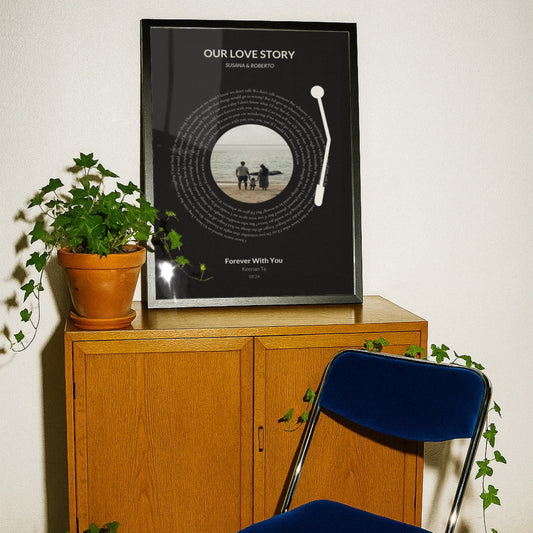
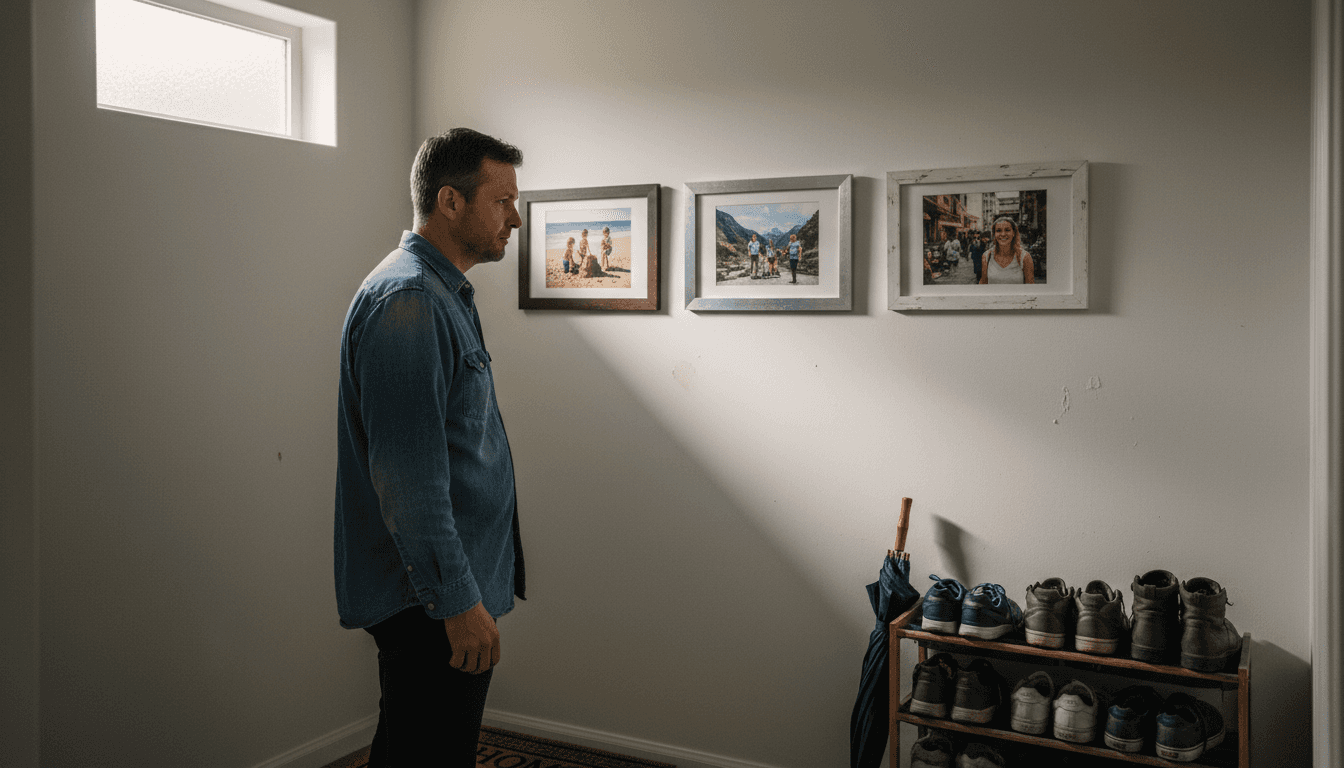
Photo-based personalized art uses your own images or imagery to create custom prints. These work exceptionally well for capturing specific moments—your engagement photo, a family portrait, or a travel snapshot that defined a chapter of your life. The emotional connection runs deep when you see yourself or loved ones displayed on your walls.
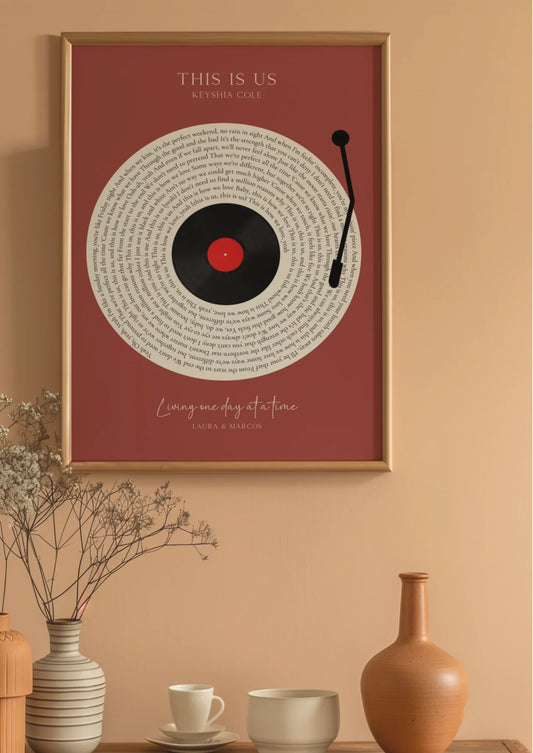
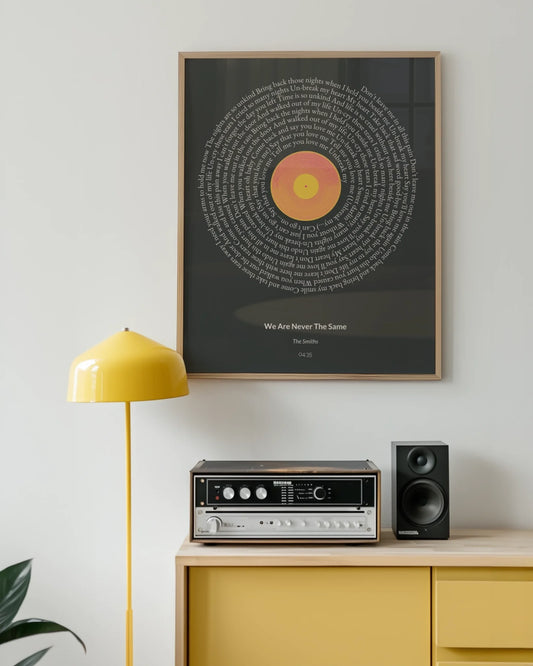
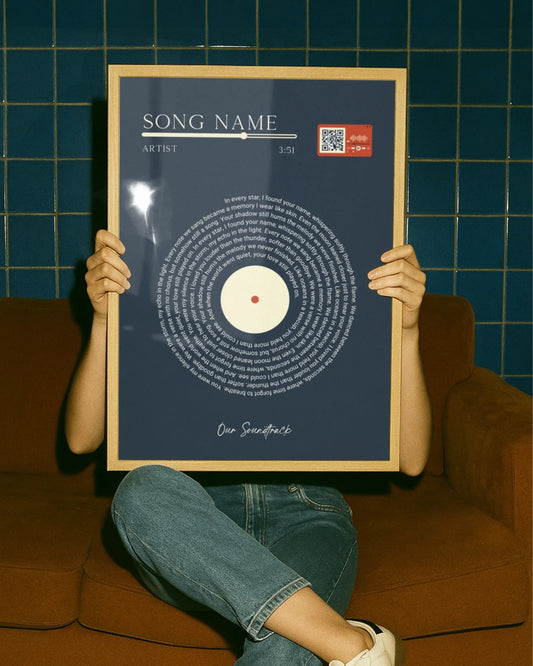
Typography and text-based designs feature meaningful words, lyrics, dates, or quotes customized with fonts, colors, and layouts that match your aesthetic. A song lyric that got you through a difficult time or a date marking a major life event becomes both art and memoir.
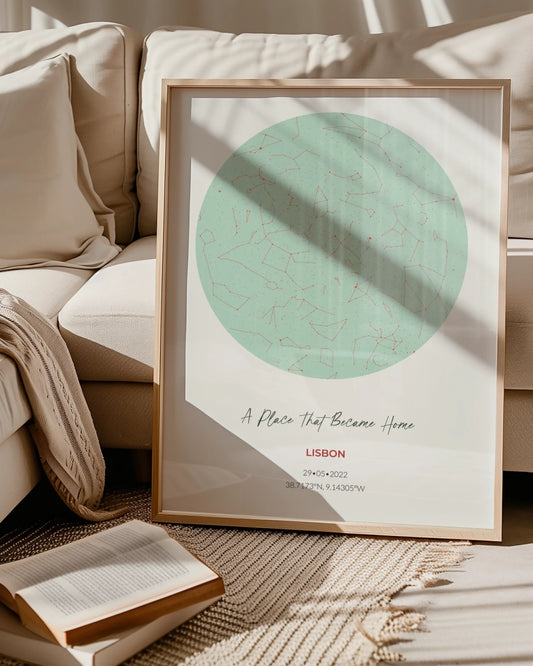
Map and location art pinpoints places that matter to you geographically. These designs show coordinates of your hometown, where you met your partner, or cities you’ve traveled to. They spark conversation and serve as visual reminders of your roots or adventures.
Other compelling options include:
Here’s a summary of popular personalized wall art formats and their best use cases:
| Format Type | Personalization Feature | Ideal For |
|---|---|---|
| Photo-based Prints | Custom images and moments | Family memories |
| Typography/Text Designs | Favorite quotes or lyrics | Inspiration and milestones |
| Map/Location Art | Meaningful places and coordinates | Celebrating important sites |
| Illustration/Custom Art | Hand-drawn unique visuals | Unique character or pets |
| Zodiac/Astrology | Birth chart or sign details | Personalized gifts |
| Milestone Prints | Dates and achievements | Anniversaries, new jobs |
| Collage Formats | Multiple images and elements | Capturing life stories |
- Illustration and custom artwork featuring hand-drawn or digital art tailored to your preferences
- Zodiac and astrology designs incorporating your birth chart or astrological sign with personal details
- Milestone prints celebrating anniversaries, births, achievements, or anniversaries with custom elements
- Collage formats combining multiple photos, dates, or design elements into one cohesive piece
- Canvas and framed options offering different display styles and material finishes
Design Elements That Make It Yours
Whatever format you choose, the personalization happens through specific design decisions. Custom color palettes can match your home’s aesthetic or reflect your personality. Your name, initials, or meaningful dates get integrated into the design itself, not just added as an afterthought.
The best personalized wall art combines visual appeal with emotional significance—it needs to look beautiful while telling your specific story.
Thematic content tailored to your experiences transforms a generic design into something uniquely meaningful. A music-themed poster becomes personal when it features your favorite album, your concert memory, or lyrics that shaped you.
You might also consider types of personalized décor that create meaningful spaces, which explores how different formats work together to build a cohesive, personalized environment throughout your home.
Pro tip: Start by identifying what format naturally suits your story—if you’re visual and sentimental, photo-based art might resonate; if words matter more to you, typography or map designs tell your narrative more powerfully.
How Design Shapes Personalization Process
Design isn’t just about making something look good—it’s the framework that transforms your personal details into a cohesive, meaningful piece. The personalization process relies on intentional design choices that bring your story to life visually.
When you create personalized art, personalization in design involves integrating user-specific data with visual principles. Your name, dates, locations, and preferences don’t randomly get placed on a poster. Instead, designers follow structured approaches to balance what matters emotionally with what looks aesthetically strong.
The Design-Personalization Connection
Layout and composition determine where your personal elements appear and how they interact with the overall image. A song lyric positioned as a focal point commands attention differently than the same text tucked subtly in a corner. Typography choices—font style, size, color, weight—transform a generic phrase into something that reflects your personality.
Color selection carries emotional weight and practical purpose. Custom color palettes ensure your personalized art matches your home’s aesthetic while reinforcing the mood you want to create. Cool blues feel calming; warm oranges feel energetic. These aren’t accidents—they’re deliberate design decisions.
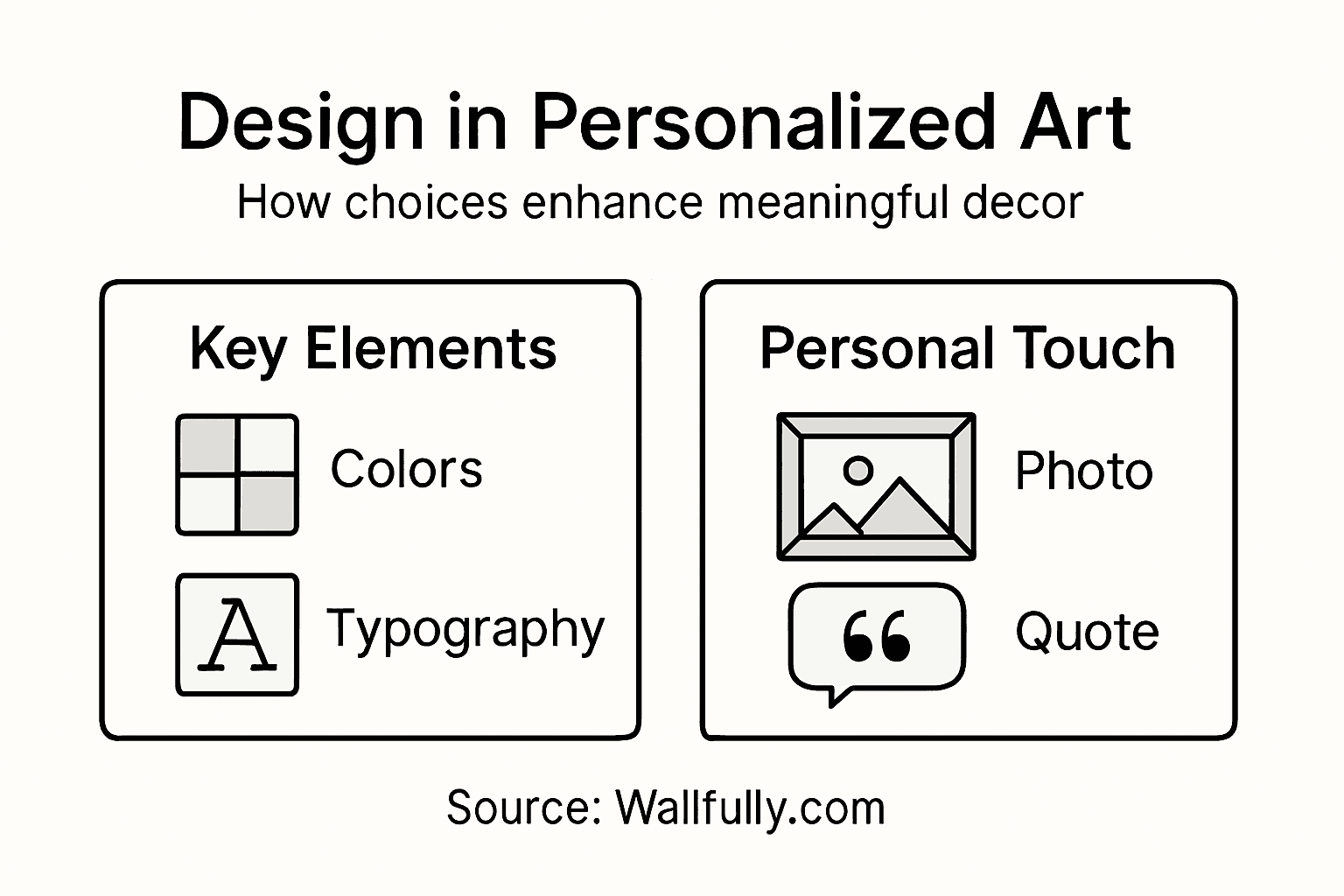
Spacing and hierarchy guide viewers’ eyes through the piece in a specific order. Your name might stand out first, then a meaningful date, then the background image. This visual flow makes the personalization feel intentional, not cluttered.
The design process itself involves several key steps:
- Define the core personal elements you want to highlight
- Choose a visual style that matches your aesthetic preference
- Select colors, fonts, and layouts that work together harmoniously
- Preview the design and provide feedback for refinements
- Finalize when the personal details align perfectly with the visual
Iteration and Refinement
Effective personalization isn’t a one-shot process. You typically see previews of your design and request adjustments. This feedback loop ensures the final piece actually matches your vision, not just the designer’s interpretation of it.
This might mean tweaking font sizes, adjusting color intensity, or repositioning elements. Small changes create significant differences in how personal and meaningful the final art feels.
Design shapes personalization by ensuring your unique details don’t feel like additions to a template—they become the core of the artwork itself.
When customizing wall art, understanding how to personalize wall art for unique home decor helps you make informed choices about which personal elements matter most and how they should be visually represented.
Pro tip: During the preview stage, focus on how your personal elements integrate into the overall design—they should feel like essential parts of the art, not like text overlaid on a background image.
Common Pitfalls in Custom Art Design
Creating personalized art should feel straightforward, but small mistakes during the process can derail the entire project. Understanding what commonly goes wrong helps you avoid frustration, delays, and wasted money.
Many people underestimate how much planning custom art requires. Common mistakes in custom art include insufficient communication about specifics, unclear budgets, and skipping approval steps. These oversight errors snowball into bigger problems down the line.
Critical Communication Breakdowns
Vague briefs are the biggest culprit. Saying “I want something with my favorite song” leaves too much interpretation room. The designer might choose colors, fonts, or styles that completely miss what you envisioned. Instead, provide specific details: which lyrics matter most, what color palette resonates with you, what mood you want to create.
Size and color miscommunication causes real disappointment. You might imagine a statement piece for your living room wall, but the designer thinks it’s a small bedroom accent. Specify exact dimensions and confirm color accuracy before the final design gets produced.
Unclear timelines lead to rushed work or missed deadlines. State upfront how soon you need the piece and confirm the designer can deliver within that window. Unrealistic timelines pressure everyone involved and compromise quality.
Common communication gaps include:
The table below highlights common pitfalls in custom art design and solutions to avoid them:
| Pitfall | Impact | How to Avoid |
|---|---|---|
| Vague Design Briefs | Misaligned final artwork | Give detailed instructions |
| Size Miscommunication | Wrong fit for your wall | Confirm exact dimensions |
| Rushed Review Stage | Missed errors and regrets | Carefully check previews |
| Budget Surprises | Unexpected extra costs | Agree on all fees upfront |
| Color Confusion | Unmatched room aesthetics | Request color proofs/samples |
- Not specifying exact dimensions or wall placement
- Forgetting to mention material preferences or allergies
- Failing to discuss color accuracy or printing methods
- Assuming the designer understands your vision without explanation
- Not clarifying what revisions are included
Approval and Review Mistakes
Skipping or rushing through the preview stage is dangerous. This is your only chance to catch problems before production. Review the design carefully against what you actually want, not what sounds good in theory.
Small details matter. Font size too small? Colors too muted? Layout feeling off-balance? This is the moment to request changes. Once the piece prints, corrections become expensive or impossible.
Budget surprises happen when costs aren’t discussed upfront. Custom art involves real materials, skilled labor, and production time. Get a complete quote before committing, including any revision fees.
Rushing through the planning stage costs more money and creates frustration—taking time upfront prevents problems that are much harder to fix later.
Adequate engagement with the designer throughout the process ensures they understand your vision and can guide you toward decisions that work aesthetically and practically.
Pro tip: Create a detailed brief with reference images, specific color samples, exact dimensions, and your must-have elements before contacting a designer—this single step prevents most communication problems and gets you closer to your ideal final piece.
Elevate Your Space with Thoughtfully Designed Personalized Art
Design is more than appearance; it is the heart of meaningful personalization. The article highlights the challenge of blending your personal story with cohesive, aesthetic design elements to create wall art that truly reflects your identity and emotions. Common pitfalls like vague instructions and rushed reviews can diminish the impact of custom artwork. Embracing intentional design choices around layout, color, and typography ensures your unique details do not feel like an afterthought but become the soul of the piece.
At Wallfully.com, you can bring your vision to life easily using our Personalized Wall Art – Custom Posters & Prints for any Occasion collection. Our guided customization process helps you integrate key personal elements such as names, dates, and locations with beautiful design, while allowing you to preview and refine your art. Creating meaningful decor that tells your story has never been more accessible or vibrant.
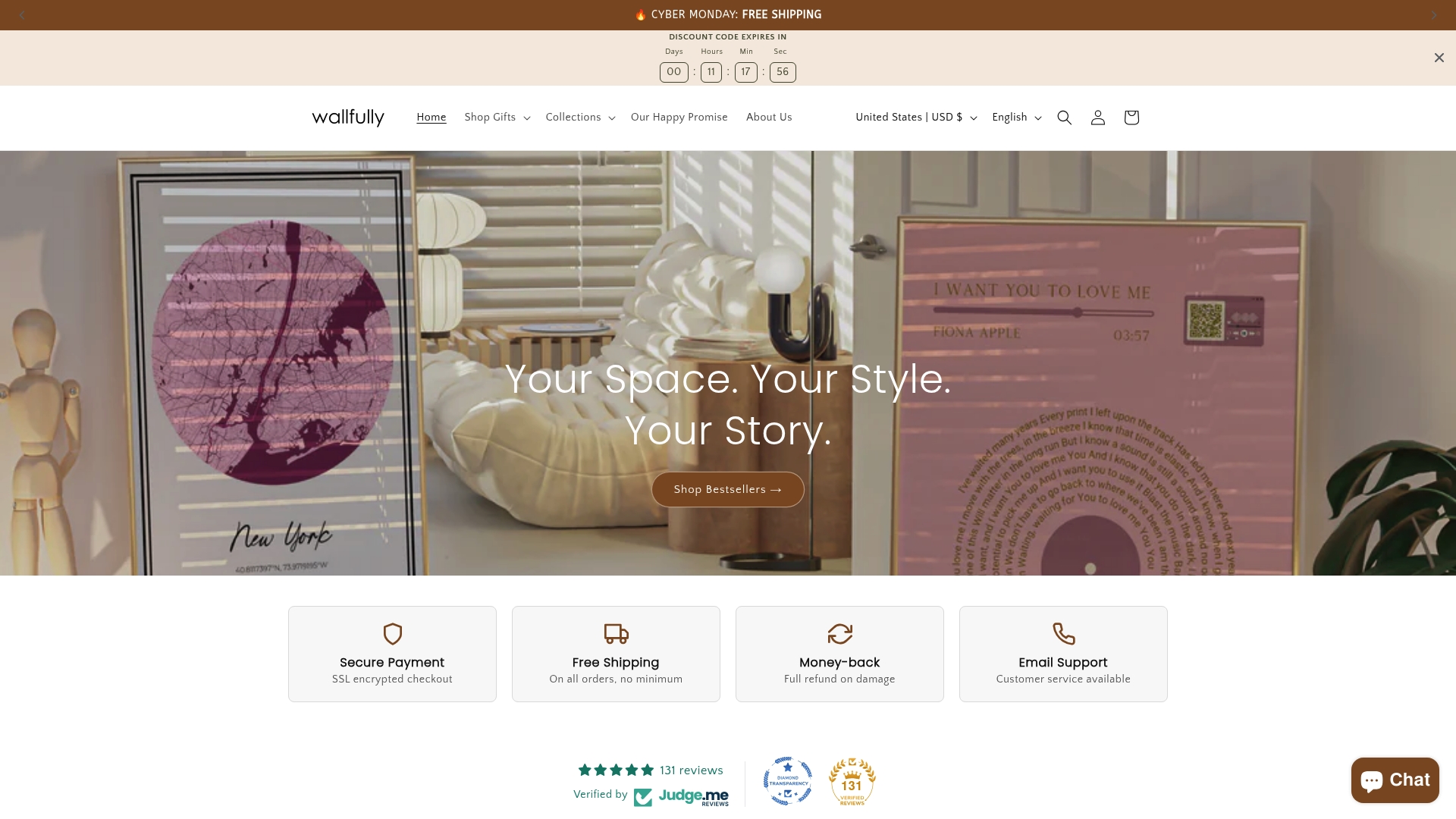
Discover the impact of thoughtful design combined with your personal story. Start crafting your own custom artwork today and transform your walls with heartfelt meaning. Visit Wallfully.com now to explore unique personalized options and seize current special offers for a home environment truly your own.
Frequently Asked Questions
What is personalized art?
Personalized art is a unique form of artwork that incorporates specific personal details, such as names, dates, locations, or lyrics that hold significance for the individual, transforming a generic design into a meaningful piece that reflects personal stories.
How does design enhance the emotional impact of personalized art?
The design elements, including layout, color selection, and typography, play a crucial role in how personalized art resonates emotionally. A well-designed piece ensures that the personal details are integrated effectively, making the artwork both visually appealing and deeply meaningful.
What types of personalized wall art can I create?
Common types of personalized wall art include photo-based prints, typography designs featuring meaningful quotes, map art showcasing important locations, and custom illustrations. Each format allows for different aspects of your story to be represented visually.
What should I consider when creating personalized art?
When creating personalized art, consider the specific personal elements you want to include, the visual style that matches your aesthetic, and any design components like color palettes and typography. These decisions will ensure that the artwork authentically represents your story.