
Posters vs. Prints: Choosing the Right Wall Art
WallfullyChoosing wall art for your American home often means sorting through countless options labeled as posters or prints, but knowing the difference can shape your room’s entire vibe. These distinct mediums offer more than just decoration, with posters serving both as art and communication while prints deliver refined, lasting quality. Whether you want to reflect your personality or find a memorable gift, understanding the unique characteristics of posters versus prints gives you the tools to make each wall uniquely yours.
Table of Contents
- Posters And Prints Defined Clearly
- Types Of Posters And Prints Explained
- Material Quality And Printing Techniques
- Personalization And Customization Options
- Cost Considerations And Value Compared
Key Takeaways
| Point | Details |
|---|---|
| Difference Between Posters and Prints | Posters are typically used for communication and promotion, while prints focus on artistic appreciation and decor. |
| Production Techniques Matter | Understanding different printing methods and material quality can enhance the visual impact and longevity of wall art. |
| Customization Options Available | Personalization allows you to create unique pieces that reflect your style and fit your space. |
| Cost Implications | Consider not just the price but also the potential long-term value of the artwork when making a purchase decision. |
Posters and Prints Defined Clearly
When exploring wall art, understanding the fundamental differences between posters and prints can help you make informed design choices for your living space. While these terms are often used interchangeably, they represent distinct artistic mediums with unique characteristics.
A poster traditionally serves multiple purposes beyond pure aesthetics. Artistic posters communicate visual messages ranging from advertising and cultural events to political statements. Typically, posters are large-format graphics designed to capture attention quickly, featuring bold typography, vibrant colors, and compelling imagery.
Prints, by contrast, represent a more refined artistic technique. Key differences include:
- Production Method: Prints are created through specialized techniques like screen printing, lithography, or digital reproduction
- Material Quality: Prints often use higher-grade paper and archival inks
- Artistic Intent: Prints are typically considered fine art, whereas posters are more communicative or promotional
- Durability: Prints are designed for long-term preservation and display
The historical evolution of poster design reveals fascinating insights into visual communication. Effective posters typically incorporate four critical elements: a compelling title, high-resolution graphics, concise text, and strategic white space to guide viewer attention.
Pro tip: When selecting wall art, consider the room’s aesthetic and lighting to determine whether a poster or print will best complement your space.
Here’s a side-by-side comparison highlighting the unique aspects of posters and prints:
| Aspect | Posters | Prints |
|---|---|---|
| Main Purpose | Communicate or promote messages | Artistic appreciation and decor |
| Typical Price Range | $20–$50 | $100–$3,000+ |
| Long-Term Value | Rarely appreciates in value | Can increase over time |
| Common Display Style | Unframed, casual mounting | Framed, archival display |
Types of Posters and Prints Explained
Understanding the diverse landscape of wall art requires exploring the nuanced world of poster and print styles. From vintage advertisements to contemporary graphic designs, these artistic mediums offer remarkable visual diversity and communication potential.
Graphic design styles significantly influence poster aesthetics, revealing how artistic movements shape visual communication. Historical poster styles showcase remarkable artistic evolution:
- Victorian Style: Characterized by ornate architectural layouts and intricate typography
- Art Nouveau: Featuring flowing organic lines and nature-inspired motifs
- Art Deco: Bold geometric shapes with strong symmetrical designs
- Russian Constructivism: Angular, minimalist compositions with political undertones
- Bauhaus: Clean, functional design emphasizing geometric precision
Artist posters represent a unique category of visual communication, encompassing diverse subjects and graphic techniques. These artistic expressions range from travel advertisements and cultural event promotions to powerful social and political statements.

Prints, in contrast, distinguish themselves through specialized production techniques. They typically focus on artistic reproduction using sophisticated printmaking methods like screen printing, lithography, and digital rendering. The primary difference lies in their intent: posters communicate messages, while prints primarily serve aesthetic and collectible purposes.
Pro tip: When selecting wall art, examine the room’s color palette and design theme to ensure your chosen poster or print creates a harmonious visual narrative.
Material Quality and Printing Techniques
Choosing the perfect wall art requires understanding the intricate world of printing techniques and material quality. The journey from digital design to stunning wall decor involves sophisticated processes that significantly impact the final visual experience.
Printmaking encompasses diverse traditional and modern techniques, each offering unique characteristics and artistic potential. Artists and designers utilize multiple approaches to create exceptional wall art:
- Woodcut: Classic technique using carved wood blocks
- Etching: Metal plate method creating intricate detailed designs
- Lithography: Stone-based printing with smooth, painterly results
- Screenprinting: Layered ink technique for vibrant color applications
- Digital Printing: Advanced method enabling complex, high-resolution graphics
Modern print production standards emphasize precision and consistency. Graphic material quality depends on multiple technical parameters, including color accuracy, ink adhesion, and substrate compatibility. Professional printing involves carefully managing these elements to ensure exceptional visual outcomes.
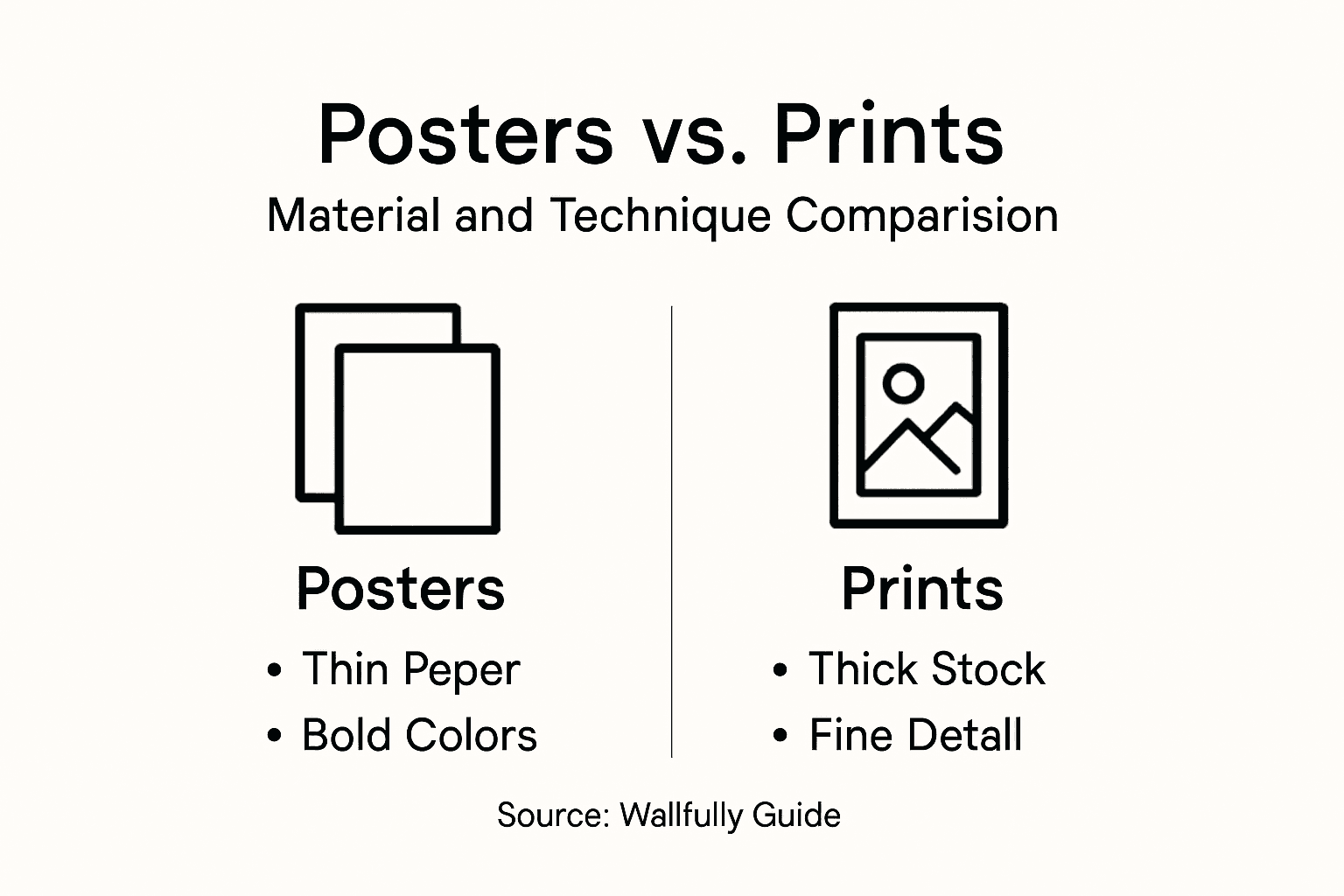
The choice between different printing techniques ultimately depends on your aesthetic goals, budget, and intended display environment. Factors like paper weight, ink quality, and printing method will dramatically influence the artwork’s longevity, color vibrancy, and overall visual impact.
Pro tip: Always request a sample print or color proof before committing to a large wall art piece to ensure the final product matches your vision.
Here’s a summary of popular printmaking techniques and their standout qualities:
| Technique | Notable Feature | Ideal For |
|---|---|---|
| Woodcut | Bold textures, organic feel | Traditional art fans |
| Etching | Fine lines, detailed images | Collectors, museums |
| Lithography | Smooth color transitions | Painterly reproductions |
| Screenprinting | Vivid, layered colors | Modern, pop art pieces |
| Digital Printing | Sharp, high-resolution output | Fast, large production |
Personalization and Customization Options
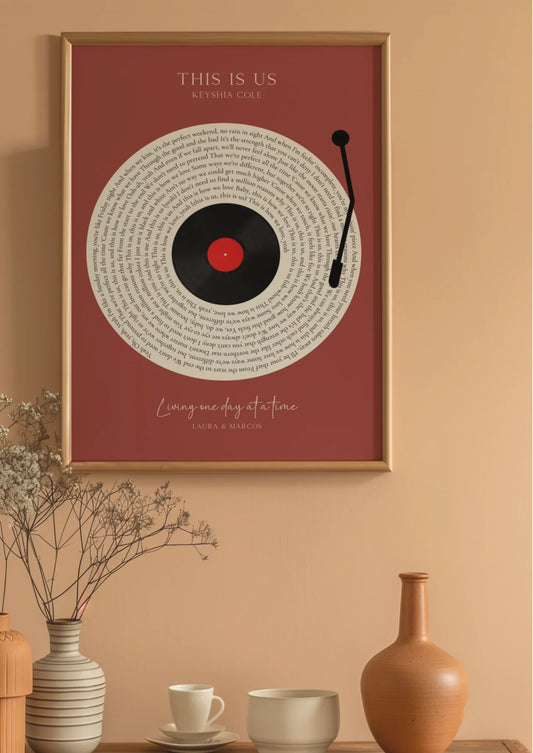
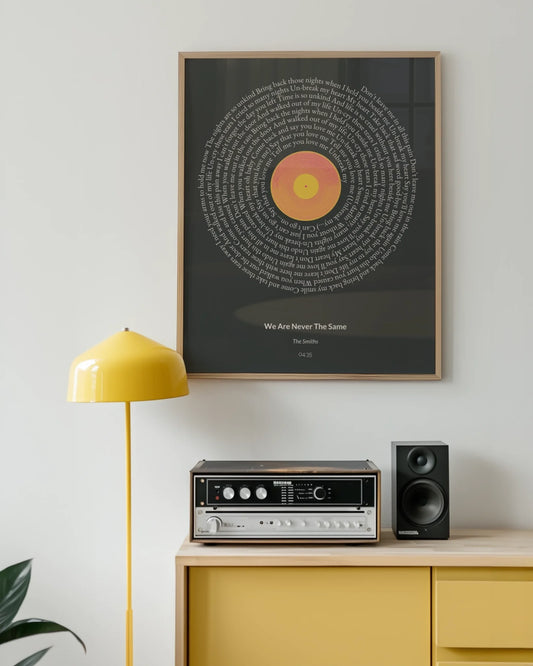
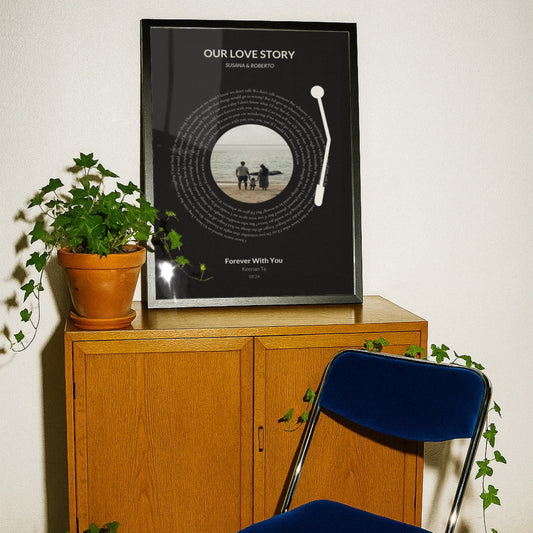
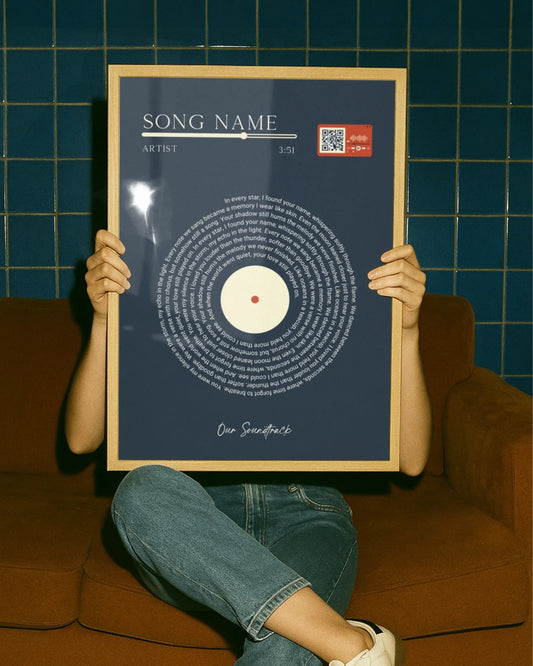
Modern wall art has transcended traditional boundaries, offering unprecedented personalization that transforms ordinary spaces into deeply meaningful environments. The ability to customize artwork allows individuals to create truly unique visual narratives that reflect personal stories, memories, and aesthetic preferences.
Effective poster design enables remarkable customization options, allowing individuals to tailor graphics and content to specific emotional and design requirements. Customization strategies include:
- Personal Imagery: Incorporating family photos, travel memories, or meaningful landscapes
- Text Personalization: Adding names, significant dates, or meaningful quotes
- Color Coordination: Selecting color palettes matching existing room decor
- Size Adaptation: Choosing dimensions that perfectly fit wall spaces
- Framing Options: Selecting frame styles that complement interior design
The world of custom wall art has expanded dramatically, offering art lovers unprecedented presentation choices. Museums and galleries now provide platforms where individuals can transform classic artworks into personalized statement pieces, bridging the gap between traditional art appreciation and modern interior design.
Advanced customization technologies enable precise personalization, allowing customers to experiment with multiple design variables. From selecting specific art styles to adjusting color saturation and adding personal text, these tools empower individuals to become co-creators of their wall art experience.
Pro tip: Experiment with digital preview tools to visualize how personalized artwork will look in your specific space before making a final purchase.
Cost Considerations and Value Compared
Navigating the world of wall art requires understanding the nuanced economics behind poster and print investments. The price of wall art isn’t just about upfront costs, but potential long-term value and personal satisfaction.
Art print pricing involves multiple complex factors, with costs influenced by several critical variables:
- Print Size: Larger dimensions typically increase price
- Production Method: Digital prints are generally more affordable
- Material Quality: Archival papers and premium inks raise expenses
- Edition Limitations: Limited series command higher prices
- Artist Reputation: Renowned creators significantly impact valuation
The investment potential of wall art varies dramatically. Signed prints can appreciate over time, particularly when produced by established artists or in limited quantities. Open edition prints remain more accessible, offering budget-friendly options for art enthusiasts who prioritize aesthetic appeal over potential resale value.
Understanding the pricing landscape helps consumers make informed decisions. While mass-produced posters might cost $20-$50, professional art prints can range from $100 to several thousand dollars, depending on complexity, technique, and artistic provenance. Professional artists typically aim for a 50% profit margin, factoring in production costs, creative labor, and market demand.
Pro tip: Research an artwork’s edition size and artist background before investing, as these factors significantly influence potential future value.
Elevate Your Space with Personalized Posters and Prints
Choosing between posters and prints often comes down to personal style and the desire for meaningful wall art that speaks to your story. This article highlights the unique qualities of each medium along with customization options that bring your vision to life. Whether you want the vibrant communication of a poster or the timeless elegance of a fine art print, the goal remains the same—creating a space that reflects your personality and memories.
At Wallfully, we understand the challenge of finding high-quality wall decor that fits your aesthetic goals and emotional connections. Our platform specializes in making personalized prints and custom posters easy and enjoyable to create. From song lyric posters to milestone prints, you can add names, dates, or locations while previewing your design to ensure the perfect match. We use eco-friendly materials and advanced printing techniques to deliver vibrant, durable pieces that last.
Create Your Custom Poster or Print at Wallfully

Discover how easy it is to transform your walls into a meaningful gallery. Start personalizing your art now and enjoy free shipping plus a satisfaction guarantee with every order. Visit Wallfully.com today and craft the perfect statement piece that fits your unique style and space.
Frequently Asked Questions
What is the main difference between posters and prints?
Posters are designed primarily for communication and promotion, featuring bold visuals and text, while prints are considered fine art, created through specialized techniques and focus on aesthetic appreciation.
Why are prints typically more expensive than posters?
Prints often use higher-quality materials and more refined production techniques, with costs influenced by size, material, and artist reputation, leading to a higher price point compared to posters.
How can I customize my wall art?
You can personalize wall art by incorporating personal imagery, adding text or quotes, coordinating colors with existing decor, choosing specific sizes, and selecting appropriate framing options to match your space.
What are some popular printing techniques for art prints?
Common printing techniques include woodcut, etching, lithography, screen printing, and digital printing, each offering distinct qualities that affect the final aesthetic and quality of the artwork.