
The Role of E-Commerce in Art: 2026 Market Guide
WallfullyTL;DR:
- E-commerce has become a significant force in the art market, driving 18% of total sales and opening opportunities for emerging artists and new collectors. Digital tools, transparent pricing, and storytelling enhance online sales, especially below the $50,000 price point, while high-value art still relies primarily on in-person transactions. A strategic blend of marketplace discovery, independent branding, and authentic communication is key to building trust and long-term success.
E-commerce in art is defined as the buying, selling, and promotion of artwork through digital platforms, from independent artist websites to global auction houses. The role of e-commerce in art has shifted from a convenient add-on to a structural force: online art sales exceeded $10 billion annually in 2024, representing 18% of total art market revenue. For emerging artists, that number signals a genuine opportunity to reach collectors worldwide without a gallery contract. For collectors, it means access to works they would never encounter at a local show.
How has e-commerce changed art market dynamics?
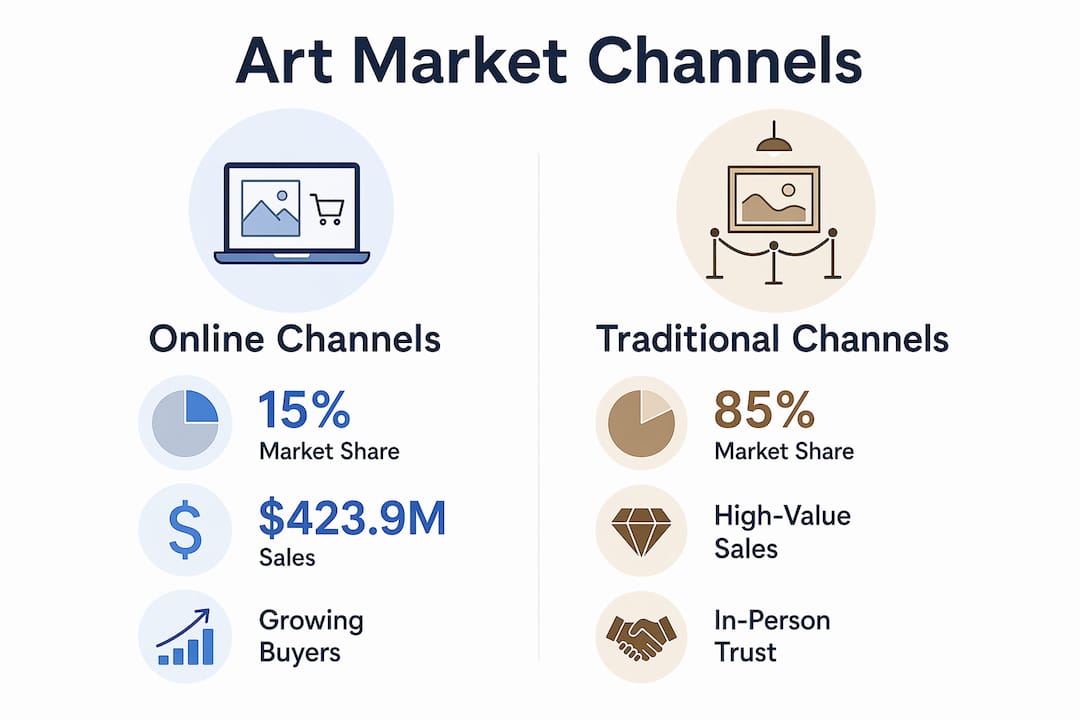
The art market’s shift to digital channels is measurable and significant. Online sales share grew from 13% before the pandemic to 18% in 2024, then settled at 15% in 2025 as in-person events recovered. That stabilization is not a retreat. It reflects a market finding its natural balance between physical and digital channels, with online firmly established as a permanent segment.
The buyer demographics tell the more interesting story. Online-only auction sales reached $423.9 million in 2025, an 8% increase from 2024. Of those buyers, 63% made their first-ever art purchase online, with an average transaction value of $22,700. That figure dismantles the assumption that online buyers only shop for affordable prints. A significant portion of first-time collectors are entering the market at a serious price point, and they are doing it through a screen.
The table below shows how online and traditional channels compare across key market factors:
| Factor | Online channels | Traditional/live channels |
|---|---|---|
| Market share (2025) | 15% of global art sales | 85% of global art sales |
| New buyer entry | 63% of new buyers start online | Established collectors dominate |
| Avg. online auction price | $22,700 per transaction | Varies widely; top works $1M+ |
| Best-fit price segment | Under $50,000 | $1 million and above |
| Provenance verification | Blockchain and NFC tools emerging | In-person inspection preferred |
The segment below $50,000 holds the greatest growth potential in the digital art marketplace. Digital tools free gallery staff from administrative tasks, allowing them to focus on personal collector relationships. For emerging artists, this is the sweet spot: accessible price points, growing buyer confidence, and platforms built to support discovery.
Key shifts that define the current market:
- Emerging collectors prefer online discovery before committing to in-person viewing
- Transparent pricing online increases conversion, with 69% of collectors deterred by opaque or “price on request” listings
- Physical galleries now use online channels for pre-sale marketing even when the final transaction happens in person
- Auction houses like Christie’s and Sotheby’s run dedicated online-only sales alongside live events
What tools and strategies do artists need for selling art online?
Selling art online requires more than uploading images to a marketplace. The artists building sustainable income in 2026 treat their digital presence as infrastructure, not decoration.
A technically sound website is the foundation. Schema markup helps search engines understand your content as art-related, which improves visibility in Google searches. Page speed, mobile optimization, and clear navigation all affect whether a collector stays long enough to buy. SEO for artists is not about gaming algorithms. It is about making your work findable by people who are already looking for it.
Authentication technology has become a genuine differentiator. Blockchain combined with NFC tags creates what the industry calls “physical NFTs,” attaching a verifiable digital certificate to a physical artwork. A buyer scanning the NFC chip on a painting gets instant access to its full provenance record. This matters most for mid-range works where buyers want confidence but cannot rely on a major auction house’s reputation to validate the purchase.
Social media strategy requires platform specificity. LinkedIn excels in professional B2B networking for art, connecting artists with corporate collectors, interior designers, and gallery curators. TikTok drives viral storytelling to mass B2C audiences, where a 60-second video of a painting in progress can reach hundreds of thousands of viewers. Using the same content on both platforms misses the point entirely.
Pro Tip: Build your email list from day one. Every marketplace sale is an opportunity to capture a customer’s contact details through a packaging insert or a QR code linking to an exclusive offer on your own site. That list is an asset you own outright, unlike your follower count on any platform.
Omnichannel strategies that integrate proprietary stores, third-party marketplaces, and live events consistently outperform single-channel approaches. The goal is not to be everywhere. It is to create a system where each channel feeds the others. A marketplace sale introduces a new buyer. A packaging insert drives them to your website. Your email list brings them back for the next release.
Successful artists also treat their e-commerce site as a CRM tool, collecting purchase patterns and preferences to nurture repeat buyers. A collector who bought a small print two years ago and received a personalized follow-up about a new series is far more likely to upgrade to a larger work than a cold prospect.
Which e-commerce platform is right for your art business?
Platform choice determines how much control you have over your brand, your data, and your margins. There is no single correct answer, but the tradeoffs are clear.
| Platform type | Best for | Commission | Data ownership | Discovery |
|---|---|---|---|---|
| Shopify (independent store) | Established artists with existing audience | None | Full | Low (you drive traffic) |
| Etsy | Affordable, handmade, or print art | 5-7% + listing fees | Limited | High |
| Saatchi Art | Original works, mid-range collectors | 35% | Limited | High |
| Auction platforms | Collectible or high-value works | Variable | Limited | Moderate |
Shopify enables full brand control, avoids the 5-7% commissions charged by third-party marketplaces, and gives you complete ownership of customer data. The tradeoff is that you are responsible for driving your own traffic. Without an existing audience or a marketing budget, an independent store can sit empty for months.
Marketplaces like Etsy and Saatchi Art solve the discovery problem. Buyers are already browsing with intent to purchase. The cost is commission, limited branding, and no direct access to customer data. You know someone bought from you, but you cannot contact them again unless they return to the marketplace.
The most effective approach combines both. Emerging artists use marketplaces for discovery but drive customers to owned sites through packaging inserts and exclusive offers, increasing margin and retention over time. Think of the marketplace as your top-of-funnel and your independent store as where the relationship actually lives.
Owning first-party customer data through an independent platform produces higher long-term profitability than relying entirely on third-party marketplaces. The math is straightforward: a repeat buyer on your own site costs you nothing in commission and gives you data to personalize the next offer.
What are the challenges and limitations of e-commerce in the art world?
E-commerce has not solved every problem in the art market. Several structural limitations remain, and ignoring them leads to misplaced strategy.
Trust is the central barrier for high-value online sales. Art over $1 million remains predominantly sold through live, in-person channels because provenance verification, physical condition assessment, and negotiation all require direct engagement. No amount of high-resolution photography fully replaces standing in front of a significant work. For artists and galleries operating at that price tier, e-commerce is a marketing and relationship tool, not the primary sales channel.
Instagram’s declining organic reach creates a real visibility problem for artists who built their following there over the past decade. An account with 50,000 followers may now reach only 3-5% of them with any given post. That forces artists to either pay for reach or diversify to platforms where organic discovery still functions. Advanced social media content strategies that prioritize video and platform-native formats now outperform static image posts across every major channel.
Additional challenges worth understanding:
- Marketplace saturation makes it harder for emerging artists to stand out without paid promotion
- Opaque pricing remains common in the art world, but it actively damages online conversion rates
- “Phygital” integration, meaning the combination of online presence with physical events and exhibitions, requires more resources than most emerging artists have available
- Returns and condition disputes are more complex with original art than with mass-produced goods
“E-commerce expanded accessibility and reached new demographics, but it has not disrupted the top-tier art market, where in-person sales retain dominance.” — Apollo Magazine
The honest picture is that e-commerce in art works best in the mid-market and below. For works under $50,000, digital channels are now the primary discovery mechanism. For works above $1 million, they are a supporting tool. Knowing which segment you operate in determines how much weight to put on your digital infrastructure versus your physical presence.
Key takeaways
E-commerce in art is most powerful in the sub-$50,000 segment, where digital discovery drives new collector entry and transparent pricing directly increases conversion rates.
| Point | Details |
|---|---|
| Market share is real and growing | Online art sales hit $10B annually, representing 18% of total market revenue in 2024. |
| New buyers enter through digital channels | 63% of new art auction buyers made their first purchase online, averaging $22,700. |
| Platform choice shapes your margins | Shopify eliminates commissions and gives you full data ownership; marketplaces trade margin for discovery. |
| Authentication technology builds trust | Blockchain and NFC tags verify provenance for mid-range works where buyer confidence is the main barrier. |
| High-value art still sells in person | Works above $1 million continue to transact through live channels where physical inspection and negotiation matter. |
Why storytelling beats product listings every time
I have watched emerging artists spend months perfecting their Shopify store and then wonder why sales are flat. The store looks professional. The photography is excellent. The pricing is competitive. But the artist is invisible. There is no story, no process, no person behind the work.
The artists I have seen break through consistently do one thing differently: they treat every digital touchpoint as a storytelling opportunity, not a product display. A TikTok video showing the first sketch and the finished piece, with a voiceover explaining what the work means, does more for sales than any optimized product description. Collectors buy meaning as much as they buy art.
My honest observation is that most emerging artists underinvest in their email list and overinvest in social media followers. A follower is a rented relationship. An email subscriber is someone who gave you permission to speak to them directly. I have seen artists with 2,000 email subscribers consistently outsell artists with 50,000 Instagram followers, because the email list represents genuine intent.
The other thing I would push back on is the idea that you must choose between online and offline. The artists building the most durable businesses in 2026 use online channels to build awareness and offline events to close relationships. A collector who discovers you on TikTok, follows your work for six months, and then meets you at a local show is far more likely to become a long-term buyer than someone who found you through a marketplace and clicked buy without any prior connection. You can learn more about buying art online and what drives collector decisions to understand that psychology better.
— Luanda
Explore personalized art with Wallfully
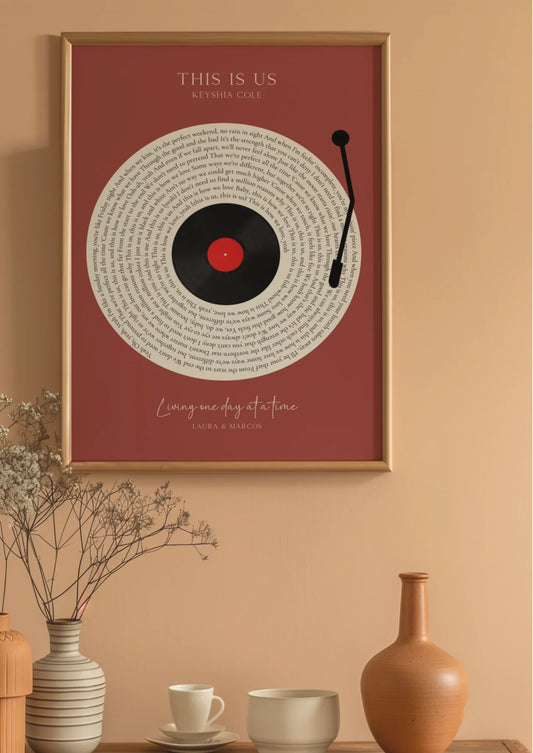
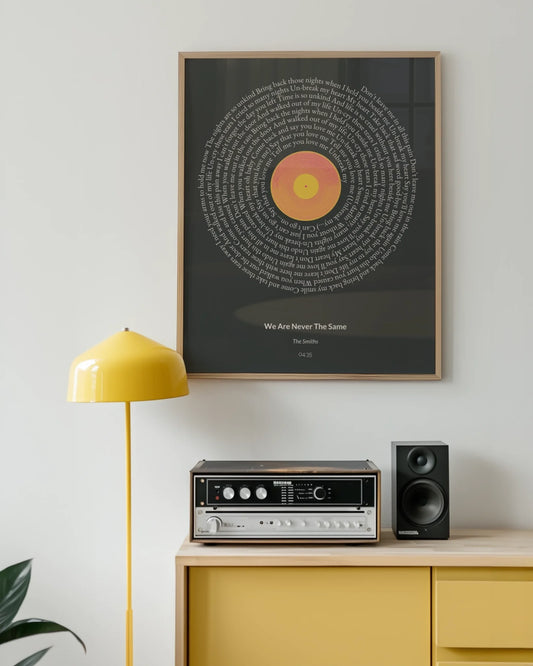
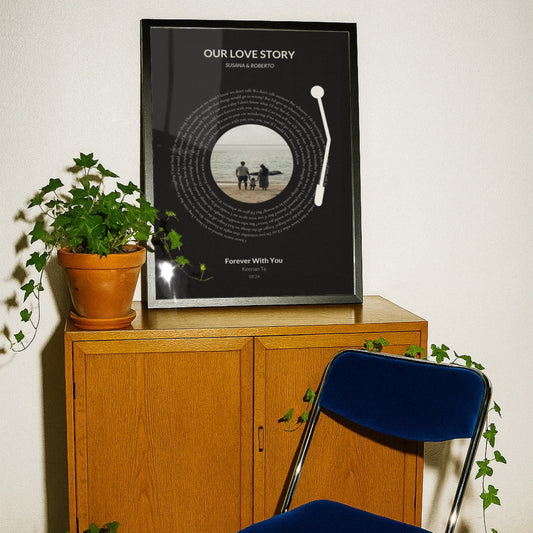
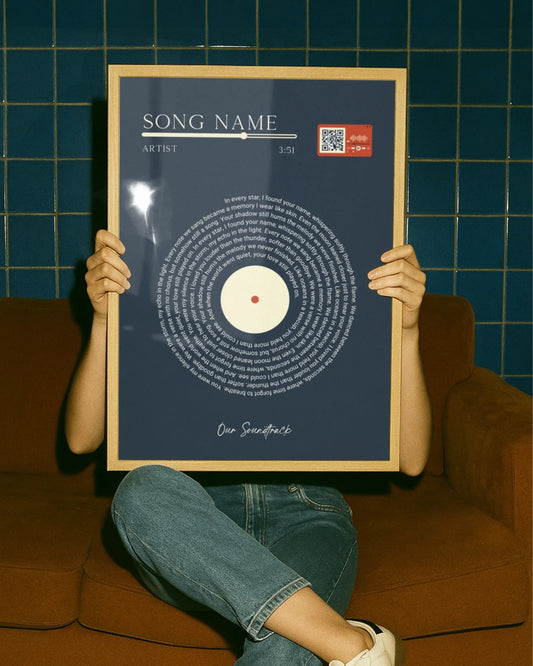
If you are building your art collection or looking for a meaningful gift, Wallfully makes the process direct and personal. The platform specializes in custom wall art, from song lyric posters and city maps to milestone prints and photo collages, all created with your specific details.
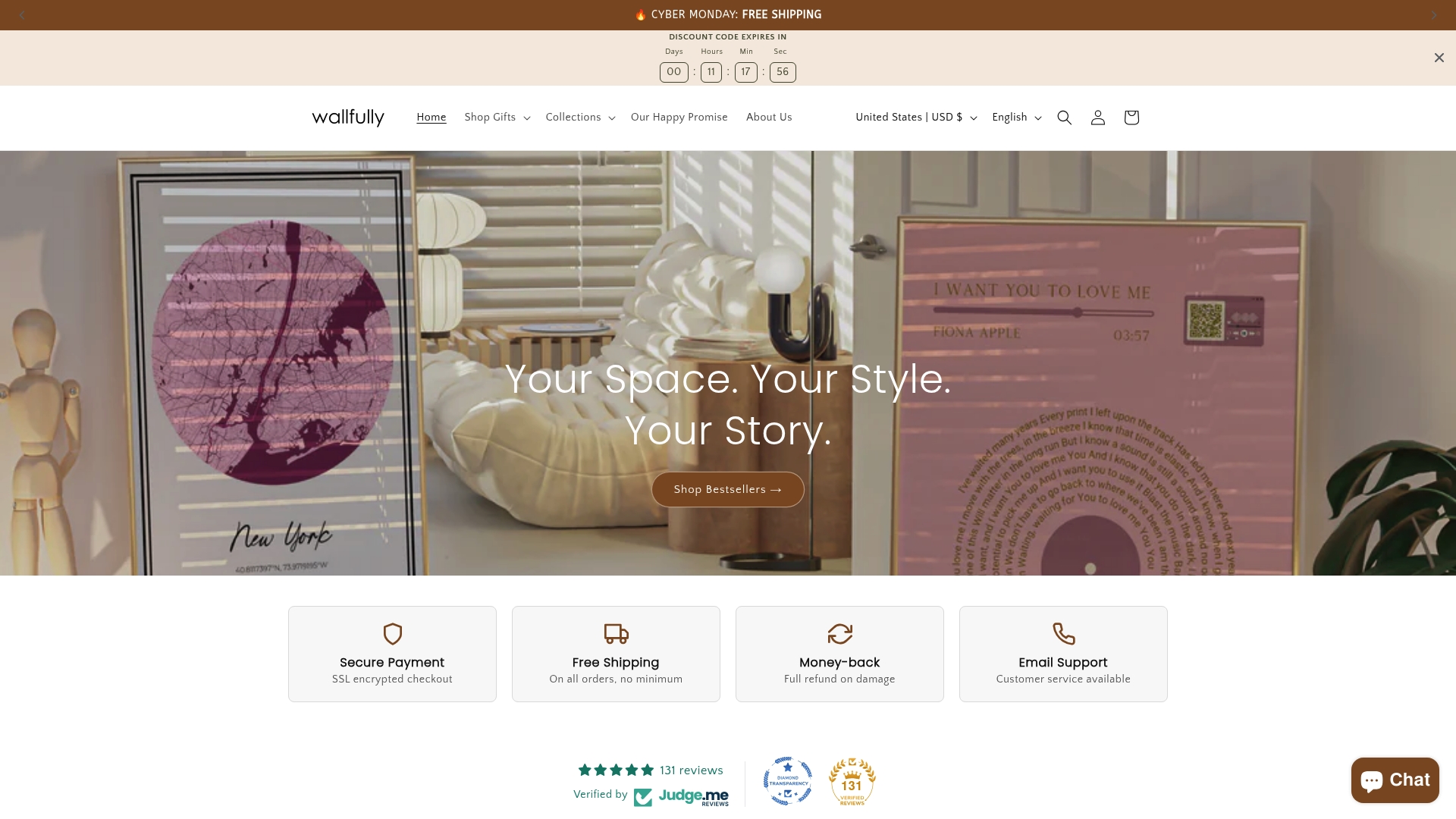
Every order ships free, and the guided customization process includes a live preview so you see exactly what you are getting before you commit. For collectors who want art that carries personal significance rather than generic decoration, Wallfully delivers that without requiring a gallery visit. You can follow the custom print workflow to understand how the process works from design to delivery, or browse the full collection at Wallfully.com to find a piece that fits your space and your story.
FAQ
What is the role of e-commerce in the art market?
E-commerce in art democratizes access, enables direct artist-to-collector sales, and has grown to represent 18% of total global art market revenue. It is most effective for works priced below $50,000, where digital discovery drives new collector entry.
How much of the art market is online in 2025?
Online art sales accounted for 15% of the global art market in 2025, down slightly from pandemic peaks but significantly higher than pre-pandemic levels of 13%.
Which platform is best for selling art online?
Shopify gives artists full brand control and zero commissions, making it the strongest long-term option. Marketplaces like Etsy and Saatchi Art offer built-in discovery but charge 5-35% commissions and limit access to customer data.
Does e-commerce work for high-value art?
Art priced above $1 million continues to sell primarily through in-person channels, where physical inspection and provenance verification are non-negotiable. E-commerce serves as a marketing and relationship tool at that price tier, not the primary transaction channel.
How do artists build trust for online art sales?
Transparent pricing, blockchain-based provenance records, and detailed storytelling about the work’s origin all increase buyer confidence. Opaque pricing deters 69% of online collectors, making clear, upfront pricing one of the highest-impact changes an artist can make.