
The Role of Personalization in Gifting That Matters
WallfullyTL;DR:
- Personalized gifts generate stronger emotional bonds by activating oxytocin and triggering self-referential brain processing. True personalization involves understanding specific memories, milestones, or interests, not just adding names or superficial details. Market trends show consumers are willing to pay a premium for gifts that genuinely reflect their recipient’s identity and life story.
Most people think personalization means slapping a name on a mug or monogramming a tote bag. The role of personalization in gifting goes much deeper than that, and the science behind it is genuinely surprising. When a gift reflects real knowledge of who someone is, what they value, and what they’ve been through, it does something a generic present simply cannot. It makes the recipient feel seen. This article unpacks the psychology, practical strategies, and real limits of personalized gifting so you can give gifts that people actually remember.
Table of Contents
- Key takeaways
- The psychological basis of personalization in gifting
- What true personalization really means
- Practical strategies for meaningful personalized gifts
- Nuances and limitations of personalization
- The growing market for personalized gifts
- My take on what personalization actually requires
- Find the perfect personalized gift at Wallfully
- FAQ
Key takeaways
| Point | Details |
|---|---|
| Personalization triggers real chemistry | Meaningful personalized gifts produce 40% higher oxytocin in givers, building genuine emotional bonds. |
| Names alone are not enough | Personalization must show real understanding of the recipient’s identity and history, not just surface details. |
| Tell the story behind the gift | Communicating your role in the customization process significantly increases how much the recipient appreciates it. |
| Match personalization to relationship | Closer relationships support deeper personalization; professional or casual ones call for thoughtful but less intimate gifts. |
| The market rewards meaning | Over 70% of shoppers report stronger emotional connections with personalized gifts and willingly pay a premium for them. |
The psychological basis of personalization in gifting
Personalization is not just a nice touch. It is a biochemical event. Research shows that personalized gifts trigger 40% higher oxytocin levels in givers compared to generic gifts. Oxytocin is the hormone associated with trust, bonding, and emotional closeness. That means giving a truly personalized gift literally changes the chemistry between two people.
On the recipient’s side, something equally fascinating happens. Studies on vicarious pride show that when someone receives a gift that was clearly customized with care, they feel a form of pride connected to the giver’s effort. This vicarious pride increases gift appreciation and even enhances the recipient’s sense of self-worth in the moment. The gift becomes proof that someone paid close enough attention to know them.
The memory impact is striking, too. Recipients think about personalized gifts 238 times per year on average, compared to just 11 times for impersonal items. That is not a marginal difference. It is 21 times more mental presence. A generic gift gets forgotten fast. A meaningful one keeps surfacing in everyday moments.
Here is why that happens at the neurological level:
- Meaningful personalization activates the medial prefrontal cortex, the brain region tied to self-identity and self-referential thinking
- When a gift connects to a person’s sense of who they are, the brain treats it as self-relevant, not just an object
- Gifts that trigger self-referential processing are encoded in long-term memory far more effectively
Pro Tip: When giving a personalized gift, say something brief about why you chose or created it. Even a single sentence connects the recipient to the thought behind it, activating that vicarious pride response.
“Felt understanding is the foundation of meaningful personalization. It signals genuine knowledge of the recipient and elicits a strong emotional response.” — Personalized vs Generic Gift Psychology
What true personalization really means
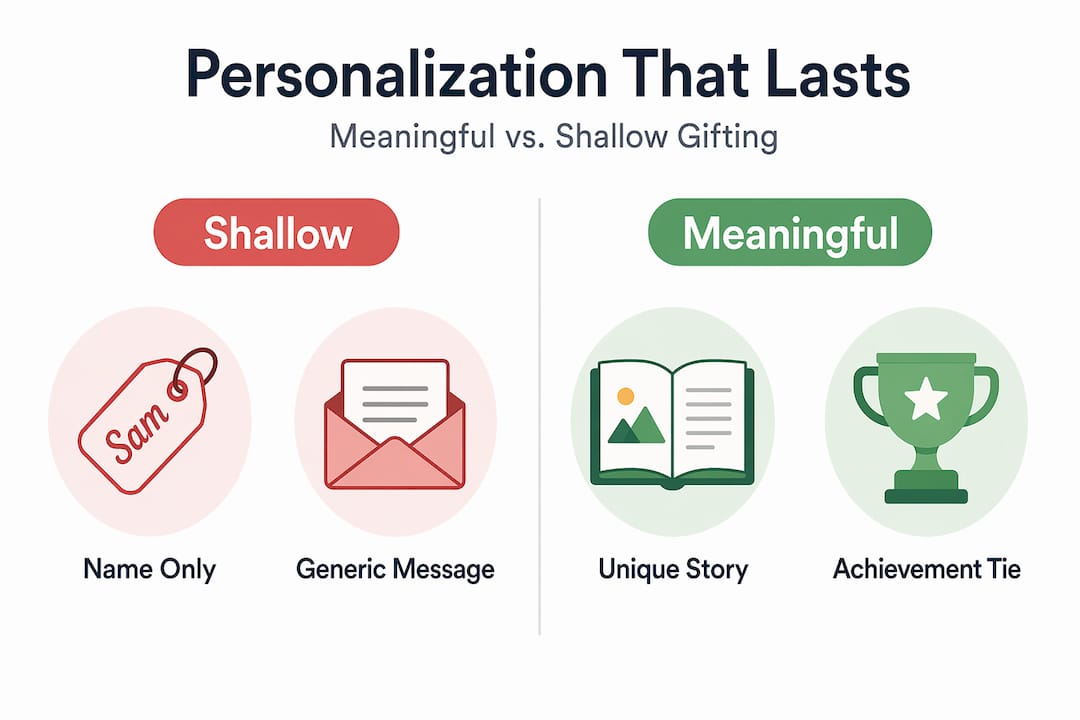
Here is where a lot of well-meaning gift-givers go wrong. They buy something with the recipient’s name printed on it and call it personalized. But adding a name alone rarely evokes warmth or emotional resonance. It shows awareness of someone’s existence, not knowledge of who they actually are.
True personalization shows understanding. It references something specific: a shared memory, a milestone they are proud of, a place that changed them, a passion they have had for years. The difference between “Here is a mug with your name on it” and “Here is a print of the city where you met your partner” is the difference between acknowledgment and genuine attention.
Effective personalization draws from real knowledge of the recipient. Think about these markers:
- References to a specific life event, not just a life stage (“your graduation” versus a generic grad gift)
- Acknowledgment of a place, song, or moment that holds meaning for that specific person
- Something that captures a shared story between giver and recipient
- A detail that only someone who truly knows them would notice
On the flip side, there are real risks to getting personalization wrong. A gift that tries too hard can feel awkward, especially if it references something the recipient is sensitive about or if the relationship does not support that level of intimacy. Well-chosen generic gifts can outperform shallow personalization when the personalization feels forced or performative.
Pro Tip: If you are not sure what would resonate personally, think about what the recipient talks about most, or what they quietly do when no one is watching. That is usually where the real personalization lives.
You can find more on this distinction in Wallfully’s piece on why personalized gifts create deeper emotional connections, which breaks down the gap between surface and substance in gift-giving.
Practical strategies for meaningful personalized gifts
Knowing the theory is one thing. Translating it into an actual gift takes a bit of strategy. Here is a process that works across relationships and occasions.
- Observe before you shop. Pay attention to what the recipient mentions repeatedly: places they love, music they return to, moments they seem proud of. This is your personalization data, and it is freely available if you listen.
- Anchor the gift to a specific moment. A milestone anniversary gift lands differently when it references the actual date and location of a couple’s wedding versus a generic “love” theme. Specificity is what makes personalization feel earned.
- Combine quality with personal context. A well-made print or framed piece paired with a handwritten note explaining why you chose it doubles the emotional impact. The object and the story reinforce each other.
- Match the personalization approach to the occasion. Milestone celebrations like weddings, big birthdays, and retirements call for something lasting. Everyday thoughtful gifts can be lighter but still specific.
- Make the process visible. Communicating your customization role to the recipient, even briefly, significantly increases appreciation. A short note saying “I chose this because I remembered you said…” does real work.
Here is a quick comparison to guide your decisions:
| Occasion | Shallow personalization | Meaningful personalization |
|---|---|---|
| Birthday | Name on a generic item | Print of their hometown or a song they love |
| Wedding | Standard engraved frame | Custom map of the place they met or got engaged |
| Retirement | Generic “Congrats” gift basket | Achievement-focused piece capturing career milestone |
| New home | Monogrammed welcome mat | Personalized map print of the neighborhood |
For ideas on how customized gifts are showing up across these occasions, Wallfully’s guide on benefits of personalized gifts is worth exploring.
Nuances and limitations of personalization
Personalization is not always the right move. The relationship context matters enormously, and misjudging it creates discomfort rather than connection.
Shallow or forced personalization is particularly risky in professional settings or with acquaintances you do not know well. A generic but thoughtfully selected gift, something that shows taste and care without overstepping, is often more appreciated in those contexts than a personalized item that feels presumptuous.
Here is a practical guide to calibrating your approach:
- Close relationships: Deep personalization works well. Draw on shared history, inside references, and specific milestones.
- Newer friendships: Focus on the recipient’s known interests rather than intimate personal history. Keep it specific but not intrusive.
- Professional relationships: Thoughtful and well-chosen beats personalized. Demonstrate attention without crossing into personal territory.
- Distant acquaintances: Quality generic gifts with a sincere handwritten note often hit the right note.
There is also a useful distinction between two types of personalization depending on what you want the gift to become:
| Gift type | Best personalization approach | Goal |
|---|---|---|
| Heirloom or legacy gift | Achievement-based (tied to accomplishment) | Enduring meaning across time |
| Everyday meaningful gift | Enjoyment-based (tied to taste or preference) | Warmth and immediate delight |
Achievement-based personalization for heirloom gifts tends to outlast enjoyment-based personalization because it connects the gift to something the recipient is proud of, not just something they like right now. Tastes change. Pride in significant life accomplishments does not fade the same way.
Pro Tip: For milestone gifts you want someone to keep for decades, anchor the personalization to what they achieved, not what they enjoyed at the time. That shelf life is considerably longer.
The growing market for personalized gifts
Personalized gifting is not a niche trend. It is a major consumer shift backed by real spending behavior. 65% of consumers will pay a 10% to 25% premium for personalization features, and over 70% report stronger emotional connections with personalized gifts compared to generic alternatives.
The categories driving this growth tell their own story:
- Custom wall art and prints, including maps, milestone posters, and photo-based designs
- Personalized jewelry tied to meaningful dates or names
- Custom books and memory albums capturing shared experiences
- Engraved keepsakes for weddings and anniversaries
- Digital photo gifts and printed photo collections
Technology is also reshaping how personalization gets delivered. Online platforms now make it easy to preview exactly what a finished custom piece will look like before ordering. This reduces the anxiety of “will this actually work?” and lets gift-givers feel confident before committing. Eco-friendly materials are becoming a selling point, too, as consumers increasingly want gifts that align with their values.
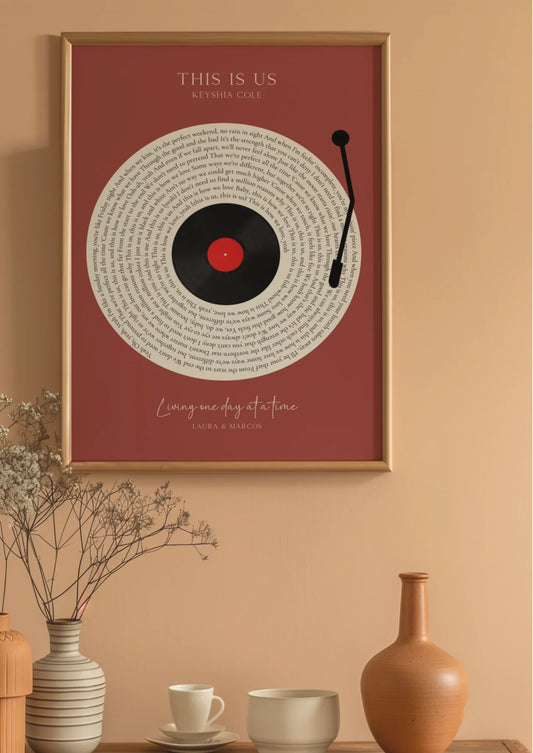
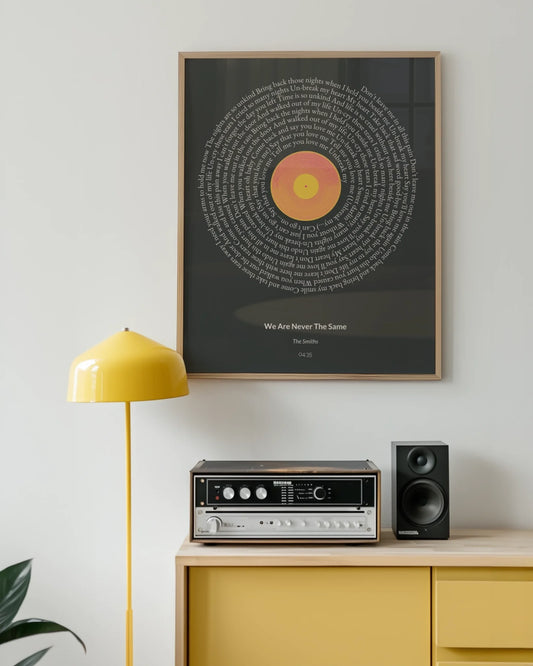
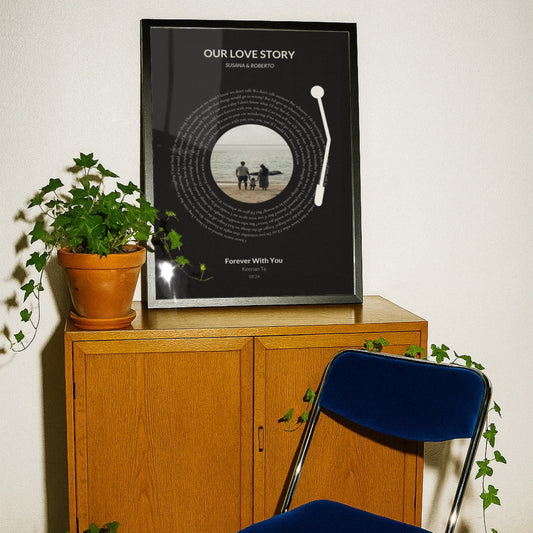
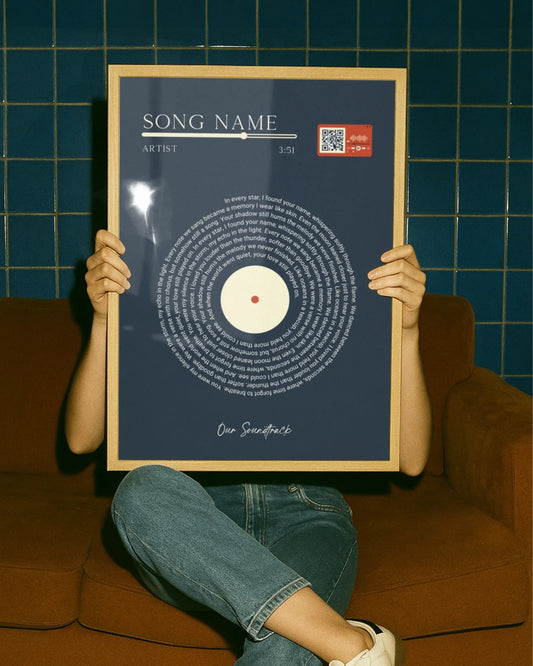
The customized gift trends in 2026 continue to move toward experiences layered with physical keepsakes: a concert poster paired with tickets, a custom map print alongside a trip booking, a song lyric print tied to a shared memory. Thoughtfulness and personalization are no longer separate categories. The best gifts combine both.
My take on what personalization actually requires
I’ve spent a lot of time thinking about why some personalized gifts land so deeply and others feel hollow. The difference is almost never about the object itself. It is about attention.
What I’ve seen again and again is that the most memorable gifts come from people who were genuinely paying attention, not people who searched hardest for something with the recipient’s name on it. A friend who remembers offhand that you once said a certain city changed your life, and then gives you a beautiful print of that city’s street map, has done something much harder than buying a monogrammed gift. They listened. They remembered. They acted on it.
That is what the impact of personalization in gifting is really measuring: how much evidence a gift provides that the giver knows and values the recipient as a specific, irreplaceable person. When you get that right, the gift becomes a kind of mirror. People hold it and think, “Someone actually sees me.”
What I’ve learned is that you don’t need a big budget or a difficult production process. You need to know one true, specific thing about the person you are gifting. One real detail. Build from there, and the personalization takes care of itself.
— Luanda
Find the perfect personalized gift at Wallfully
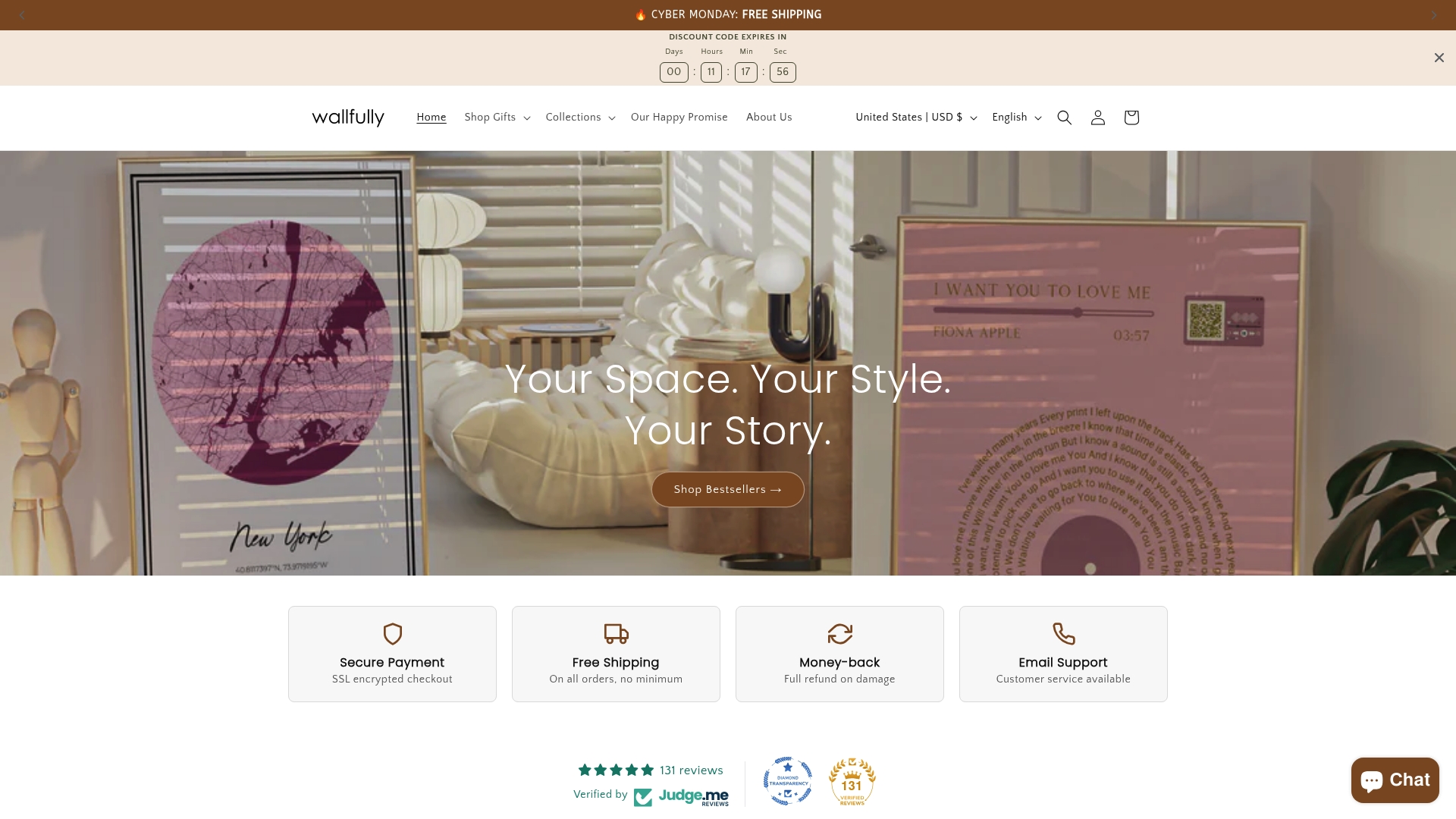
If you are ready to move beyond generic and give something that genuinely reflects the person you are celebrating, Wallfully makes the process easier than you might expect. From custom song lyric posters to map prints capturing a city or street that holds meaning, every piece is built around your details. You choose the names, dates, places, and themes. You see a preview before anything prints.
Explore personalized wall art and gift ideas for birthdays, weddings, anniversaries, and milestones. Every order ships free, and the satisfaction guarantee means there is no risk in getting it right. Give something that actually gets remembered.
FAQ
Why does personalization make gifts more meaningful?
Personalized gifts connect to the recipient’s sense of identity, which activates self-referential brain processing and builds stronger emotional memory. Research shows recipients think about personalized gifts 21 times more often than impersonal items.
Is adding a name enough to make a gift personalized?
No. Adding a name alone rarely creates emotional resonance. Meaningful personalization shows real knowledge of the recipient’s history, interests, and identity, not just their name.
When should you avoid highly personalized gifts?
For professional relationships, distant acquaintances, or when you don’t know someone well, a thoughtfully selected generic gift is often more appropriate than forced personalization, which can feel uncomfortable or presumptuous.
What makes a personalized gift become an heirloom?
Achievement-based personalization tied to a significant accomplishment is more likely to become a lasting keepsake than gifts based purely on current preferences or enjoyment.
Do people actually pay more for personalized gifts?
Yes. According to market research, 65% of consumers pay a premium of 10% to 25% specifically for personalization features, confirming that the perceived value of personalized gifting is real and significant.