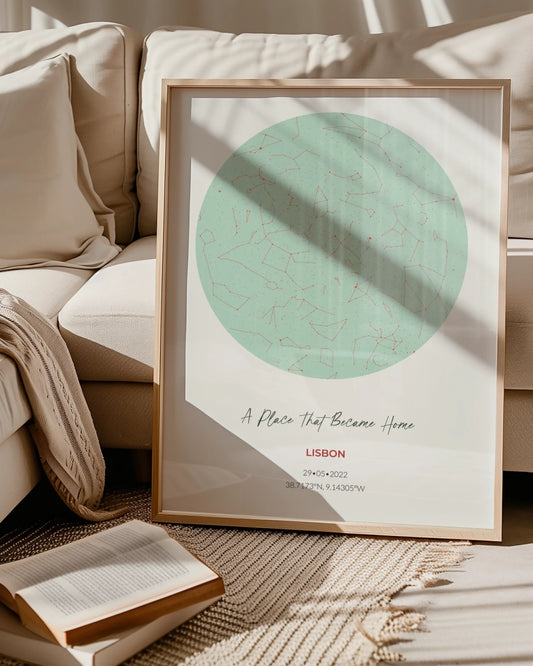

Five Essentials for Artistic Wedding Venue Map Ideas Guests Can Follow
WallfullyThe best wedding venue maps are artistic without sacrificing function: pick a style that matches your wedding’s mood, then build it around five essentials so guests never have to ask for directions. Every map needs parking or drop-off points, the main entrance, ceremony and reception locations, restrooms, and clearly marked accessible routes. Get those five right first. The sections below cover styling, ready-to-use templates, accessibility rules, and where to place your finished map.
TL;DR:
- Clear markers for parking, main entrance, and key areas should be emphasized, with simple icons limited to four or six for clarity.
- Printable maps should be at a resolution of at least 300 DPI, with an editable master file for resizing from small invites to large signs.
- Accessibility routes must be specifically described, including surface types and distances, with marked accessible parking and restrooms per ADA guidelines.
- Digital maps via tools like Google My Maps should be linked with a QR code at a minimum size of one inch square, supported by a written URL fallback.
- Wedding maps become memorable keepsakes when designed with legibility in mind, suitable for framing and lasting as cherished mementos.
Table of Contents
- Key elements every wedding venue map must include
- Styling ideas and visual approaches for every venue type
- Practical formats and templates you can build today
- Accessibility and inclusive wayfinding on your map
- Getting your map in front of guests when it matters
- What I’ve learned about maps couples actually keep
- Turning your venue map into a framed keepsake
- Sources
- FAQ
Key elements every wedding venue map must include
A venue map earns its place in your invitation suite or welcome bag only if it answers the questions guests actually have: where do I park, where do I go first, and where’s the bathroom. Every other detail is decoration.
- Parking and drop-off: mark lots, valet zones, and rideshare pickup spots so cars don’t circle the block.
- Main entrance: use one bold marker, even if the venue has several doors, to avoid confusing first-time visitors.
- Ceremony and reception areas: label these separately if they’re in different buildings or a significant walk apart.
- Restrooms: include at least one restroom marker per major gathering area.
- Accessible routes: show ramps, elevators, and step-free paths as their own line style, not a footnote.
Keep your legend to four or six icons at most. A crowded key defeats the purpose of a map. For scale and orientation, resist the urge to compress distances to fit a pretty layout: if the parking lot is a five-minute walk from the ceremony, the map should make that obvious rather than implying it’s just around the corner.
Styling ideas and visual approaches for every venue type
Watercolor and hand-drawn maps remain a favorite for invitation suites and keepsakes, according to styling coverage from Martha Stewart. Commissioning an illustrator makes sense for a single-venue wedding where you want one polished piece; a digital watercolor template works better if you’re on a tighter timeline or need multiple map sizes.
- Watercolor or illustrated: soft, painterly buildings and landmarks, best for garden or estate venues.
- Modern minimalist: clean typography, high-contrast icons, and strict grid alignment, suited to industrial or urban venues.
- Tent and reception layout maps: simplified floor plans labeling food stations, bars, and restrooms rather than outdoor landmarks.
- Destination or vintage: compass roses, dotted travel lines, and postcard-style borders, used sparingly so the map stays readable.
- Photo-overlay keepsakes: a day-of map redesigned after the wedding with photos layered around the border, framed as art.
One real-wedding example on The Knot shows a tented reception map printed directly on the menu card, pointing guests to food stations and restrooms without a separate handout. That kind of dual-purpose piece cuts down on printed materials while still solving the navigation problem.
Whichever style you choose, be aware that a simple outline map tracing a public street grid may not carry copyright protection, while an illustrated map with original artistic choices generally does, per the U.S. Copyright Office. That matters if you’re adapting a map you found online rather than commissioning original art.
Practical formats and templates you can build today
Three wireframes cover most wedding needs. Copy any of these directly.
- Single-column invite insert: venue name and address at top, a simplified map in the middle showing only parking, entrance, and ceremony spot, and a QR code at the bottom linking to the full digital version.
- Two-panel program map: left panel shows the ceremony layout and seating, right panel shows the reception space with bar, dance floor, and restrooms.
- Tent-plan menu and map combo: one side lists the meal, the other shows a simplified floor plan with table numbers and food stations.
For a digital option, Google My Maps lets you drop markers for the venue, hotels, and shuttle stops, then share a link guests can open in the Google Maps app for turn-by-turn walking directions. Test the QR code at the size it will actually print (at least 1 inch square) and always include a written fallback URL underneath in case a phone camera struggles.
For print files, ask your printer or design tool for at least 300 DPI resolution and export as PDF or high-resolution PNG rather than a compressed JPEG.
Pro Tip: Keep one master file with editable vector icons so you can resize the same map from a 4x6 invite insert to a large day-of sign without losing quality.

Accessibility and inclusive wayfinding on your map
A map that looks finished but skips accessibility details isn’t actually finished. The 2010 ADA Standards for Accessible Design specify that accessible routes need a slope no steeper than 1:12 and a clear width of at least three feet, figures worth knowing if you’re evaluating whether a garden path or gravel walkway actually qualifies.
Event accessibility guidance from the ADA’s archived meeting and event resource recommends documenting parking, the route to the entrance, the route to the ceremony or reception space, and restroom access on any map you hand to guests. For tented receptions, that same guidance points to maintaining aisle widths of at least three feet and turning space, and noting temporary surfacing like wood walkways or matting so guests know what to expect underfoot.
- Use specific route descriptions instead of a vague “accessible” label.
- Note surface type (paved, gravel, matting) and any distance guests will need to cover.
- Mark accessible parking spaces and restrooms with their own icon, not a shared symbol.
- Walk the route yourself during a site visit to confirm it matches what the map shows.
Experts recommend verifying venue accessibility details on a site tour and using precise route descriptions rather than labeling something simply “accessible.” The Knot
Include a phone number or contact name on the map itself for guests who have accessibility questions before the day arrives.
Getting your map in front of guests when it matters
A gorgeous map does nothing if it’s buried in a drawer on the wedding day. Match the format to the moment: mailed invites work for early logistics, your wedding website can host the full interactive version, and welcome bags or day-of signage catch guests who need a reminder once they’ve arrived.
- Print QR codes at a testable size and always link to a page that loads fast on mobile data.
- Place large-format maps at the entrance and at any point where the path isn’t obvious, like a parking lot to ceremony walk.
- Station someone at drop-off and shuttle points during the first thirty minutes of arrivals.
- Brief venue staff and any shuttle drivers on the same map guests are using, so directions stay consistent.
What I’ve learned about maps couples actually keep
Couples who invest in a custom map print rarely regret it, but the ones who love the result years later are the ones who balanced ornament with legibility from the start. A map dense with hand-lettered flourishes is charming on a screen and frustrating in a frame if the text is too small to read from across a room. Prepare your file at full print resolution before you fall in love with a design you can’t scale.
— Luanda
Turning your venue map into a framed keepsake
Wallfully’s Route & Map Posters let you turn the map you designed for your wedding day into a printed, framed piece worth keeping on the wall long after the flowers are gone. The customization tool previews your layout before you order, so you can check that labels, routes, and icons still read clearly at full size.
A few ways couples put this to use:
- A large framed print for the welcome table or guest book area.
- A simplified version as an entrance sign directing guests from parking to the ceremony.
- A keepsake copy sized for the couple’s home, ordered after the wedding as an anniversary gift.
Wallfully’s guide to street map keepsakes walks through more examples if you want to see how other couples adapted their day-of map into wall art.
Sources
- 2010 ADA Standards for Accessible Design
- Expanding Your Market, Accessible Information Exchange: Meeting on a Level Playing Field (ADA archived guidance)
- Google My Maps
- The loveliest watercolor wedding invitations (Martha Stewart)
FAQ
What should every wedding venue map include?
At minimum, mark parking or drop-off, the main entrance, ceremony and reception locations, restrooms, and any accessible routes. Everything else, like nearby landmarks or decorative borders, is optional styling layered on top of those essentials.
How do I make a wedding map accessible for all guests?
Use specific route descriptions rather than a general “accessible” label, and note surface type and distance so guests know what to expect. The ADA’s accessible design standards call for a route slope no steeper than 1:12 and a minimum clear width of 36 inches, which is a useful benchmark when walking a venue’s paths yourself.
Should I use a printed map or a digital one?
Most couples benefit from both: a simplified printed version for invitations or signage, and a digital version through a tool like Google My Maps for guests who want turn-by-turn directions on their phones. A QR code on the print links the two together.
Can I turn my wedding map into a keepsake print?
Yes, many couples redesign their day-of map after the wedding, sometimes adding photo overlays, and have it printed as framed wall art. Wallfully’s Route & Map Posters collection is built for exactly this, letting you preview and frame a custom version of your venue map.
How do I avoid confusing guests with too much detail?
Limit your legend to four or six icons and leave off anything that doesn’t help someone get from parking to their seat. A map trying to show every path and landmark usually ends up harder to read than one that sticks to the essentials.