
What Makes Art Meaningful: A Cognitive Guide
WallfullyTL;DR:
- Meaningful art unifies emotional, cognitive, and communicative experiences to influence how viewers see themselves and the world. Its significance arises from dynamic interactions among artist, artwork, and audience, not from the object alone. Engagement rooted in personal identity, deliberate human decisions, and formal elements deepens this meaningful connection.
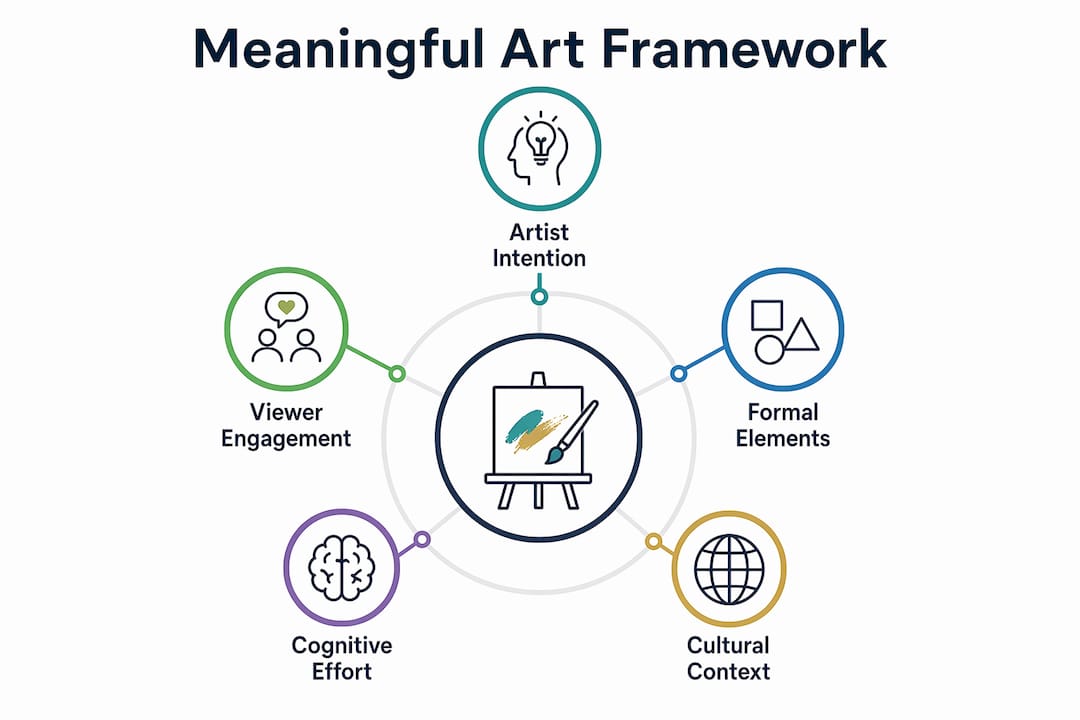
Meaningful art is defined as any creative work that unifies emotional, cognitive, and communicative experience between artist, artwork, and audience into something that changes how you see yourself or the world. This is not a casual definition. Cognitive science research from MDPI frames art as a multidimensional encounter organized with integrity, where meaning arises from interaction among all three parties. Philosophy from Cambridge and behavioral research from Frontiers in Psychology reinforce the same point: the significance of artistic expression lives in the dynamic between creator, object, and viewer, not in the object alone. Understanding this changes everything about how you engage with art.

What makes art meaningful: the core framework
Art becomes meaningful through three simultaneous vectors: creation, communication, and experience. Strip any one of these out and what remains is decoration, not art in the fullest sense. The MDPI cognitive science framework describes art as capable of transforming emotion and cognition rather than merely representing them. That distinction matters because it shifts the question from “what does this painting show?” to “what does this encounter do to me?”
Most people approach art as passive observers looking for a message to decode. That framing undersells the experience. Meaning in art is not a hidden code waiting to be cracked. It is an integrated event, one that involves your perception, your emotional state, your history, and the formal decisions the artist made. When all of those elements converge, the result is something that feels significant in a way that a photograph of the same subject simply does not.
The importance of art, then, is not decorative or cultural in a vague sense. It is functional. Art reorganizes how you process experience, and that reorganization can be lasting.
How does viewer engagement shape the meaning of art?
The most underappreciated factor in what defines meaningful art is you. Cambridge philosophy research argues that a key condition for personal meaningfulness is that it matters that it’s you experiencing the work, because the encounter can influence your identity and future values. This is not sentiment. It is a philosophical claim with real implications for how you choose and engage with art.
The difference between impersonal enjoyment and meaningful engagement is the degree to which the experience connects to your sense of self. You can enjoy a technically impressive painting the way you enjoy a well-executed meal. But meaningful engagement happens when the work touches something that matters to you specifically, something about your relationships, your past, your fears, or your aspirations. Cornell University research supports this further, finding that art accesses the true self by enabling authentic expression that feels freer than rule-governed domains of life.
Frontiers in Psychology introduces a useful concept here: the aesthetic stance. When you adopt this stance, you prioritize the metaphorical and symbolic content of a work over its functional features. You stop asking “what is this a picture of?” and start asking “what does this make me feel, and why?” Research shows that adopting an aesthetic stance enables richer interpretations and deeper embodied interaction with art.
Here is what shifts when you engage this way:
- You notice emotional responses before you analyze them
- You allow ambiguity rather than resolving it immediately
- You connect formal elements (color, composition, texture) to internal states
- You return to the work mentally after leaving it
Pro Tip: Before analyzing a piece of art, spend 60 seconds simply sitting with your emotional response. Resist the urge to name what you see. This primes the aesthetic stance and opens the work up in ways that analytical viewing closes down.
Does the artist’s intention matter, and what about AI?
Human decision-making in the creative process is not just background context. It is a primary source of meaning. ESCP research on AI and art finds that visible human input increases the perceived meaning and value of artworks, specifically when guidance, finishing, and final selection are observable. This finding has direct implications for how we evaluate art in an era when AI tools can generate aesthetically impressive images in seconds.
The debate around AI-generated art is not really about quality. It is about authorship and intention. When you know a human artist made deliberate choices, struggled with a composition, and selected one version over hundreds of others, you attribute meaning to those choices. When the same output appears to emerge from a prompt, the perceived meaning drops, even if the visual result is identical.
ESCP researchers identified a clear hierarchy of human roles that affect meaning attribution:
- Conceptual framing: The artist defines the idea, theme, or emotional territory the work will occupy
- Guided generation: Human direction shapes the creative process, whether through brushwork or AI prompting
- Refinement and finishing: The artist edits, adjusts, and resolves the work toward a specific vision
- Final selection: Choosing which version to present as the finished piece is itself a creative act
“Invisible human decisions reduce attribution of meaning even if output is aesthetically similar.” — ESCP research on AI and meaningful art
This hierarchy explains why curation matters as much as creation. An artist who selects and presents found objects, like Marcel Duchamp’s readymades, is exercising the same final-selection function. The meaning comes from the human judgment applied, not the physical labor involved.
How do formal elements and perceptual effort deepen meaning?
The seven elements of art, which are line, shape, space, value, form, texture, and color, are not just a checklist for art students. They are the vocabulary through which artists encode meaning that cannot be stated in words. A diagonal line creates tension. A desaturated palette signals emotional withdrawal. Negative space forces the eye to complete what the artist deliberately left out. These choices accumulate into an experience that operates below the level of conscious interpretation.
| Element | What it communicates |
|---|---|
| Line | Direction, energy, tension, or calm depending on angle and weight |
| Color | Emotional temperature, cultural associations, and symbolic meaning |
| Space | Relationship between subjects, isolation, or connection |
| Texture | Tactile memory and physical presence even in two-dimensional work |
| Value | Contrast between light and dark that guides attention and mood |
Perceptual effort is the cognitive cost of engaging with layered art, and research suggests that cost is part of what makes the experience rewarding. Work that requires perceptual effort is surprising, multi-dimensional, and supports meanings that cannot be fully paraphrased. The effort itself signals that something worth finding is there.
Great art also produces what researchers call a lingering effect. You leave the gallery, but the work keeps generating reflection. This resonance after viewing is a hallmark of impactful art and a more reliable indicator of quality than immediate comprehension. If a piece resolves itself completely the moment you look away, it has probably told you everything it has to say.
Pro Tip: When evaluating art, ask yourself: “Am I still thinking about this 24 hours later?” Lingering reflection is a stronger signal of meaningful engagement than an immediate emotional reaction.
What is the cultural significance of art beyond personal experience?
Personal meaning and collective meaning are not separate categories. They feed each other. UNESCO’s framework on culture and arts education identifies art as a tool for building critical thinking, creativity, belonging, and democratic participation at a societal scale. That is not a soft claim. It means art functions as infrastructure for how communities understand themselves and each other.
Art shapes community identity in ways that policy and language cannot. A mural in a neighborhood tells residents who they are and what they value. A national monument encodes collective memory. A protest song spreads a political idea faster than any pamphlet. The significance of artistic expression at this scale is that it creates shared meaning across people who may have nothing else in common.
Consider how this works in practice:
- Public art in cities like Chicago and Philadelphia has been shown to reduce social isolation and increase neighborhood cohesion
- Cultural institutions like the Smithsonian and the Louvre function as repositories of shared identity, not just aesthetic collections
- Community art programs in schools, as supported by UNESCO’s arts education initiatives, improve empathy and collaborative problem-solving among students
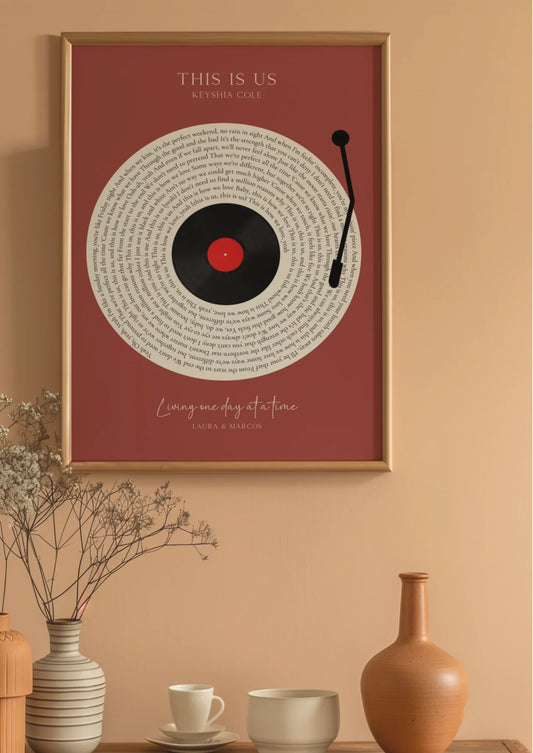
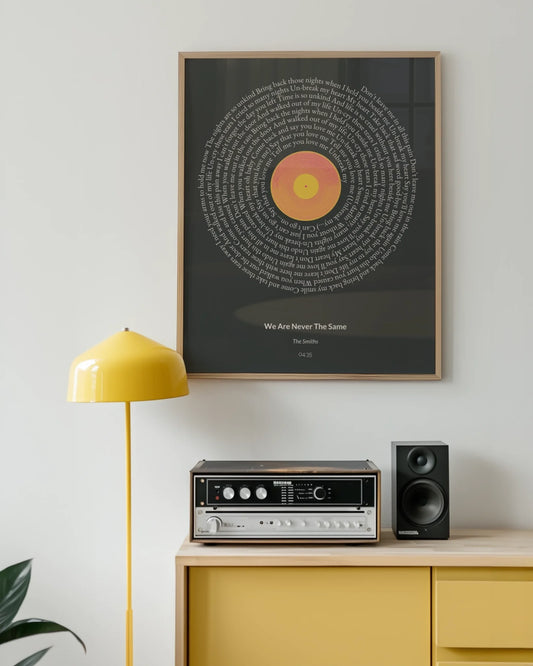
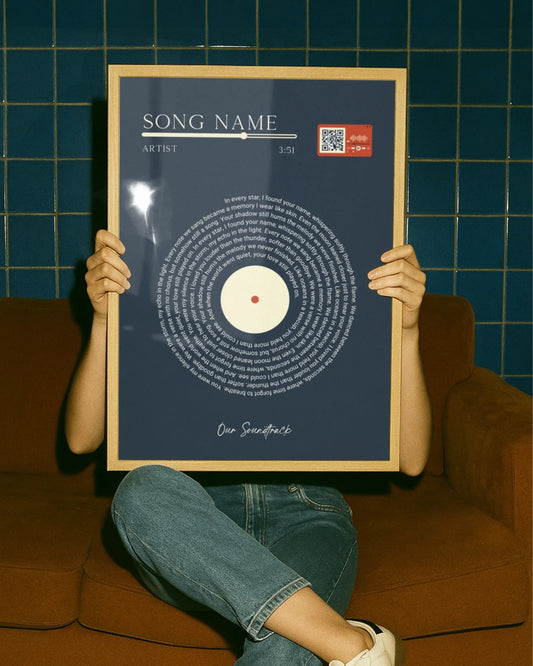
The role of design in personalized art follows the same logic at the individual level. When art incorporates personal details, dates, places, or relationships, it connects private meaning to a physical object that can be shared, displayed, and passed on. That is how personal significance becomes cultural artifact.
Key takeaways
Meaningful art requires the active convergence of artist intention, formal craft, and engaged viewer identity to produce an experience that changes how you think or feel.
| Point | Details |
|---|---|
| Meaning is relational, not intrinsic | Art becomes meaningful through interaction between artist, work, and viewer, not through the object alone. |
| Viewer identity shapes significance | Art that connects to your personal history and values produces deeper meaning than art you simply admire. |
| Human decisions drive perceived value | Visible human authorship, especially final selection and refinement, increases the meaning attributed to any artwork. |
| Formal elements encode non-verbal meaning | Line, color, space, and texture communicate emotional content that words cannot replicate. |
| Lingering reflection signals real impact | Art that keeps generating thought after viewing is more meaningful than art that resolves immediately. |
Why I think most people experience art at a fraction of its depth
I have spent years writing about visual culture, and the pattern I see most consistently is this: people treat art appreciation as a passive activity. They stand in front of a painting, wait to feel something, and move on when they do not. That approach almost guarantees a shallow experience.
The research is clear that meaning requires an active interpretive stance. You have to bring yourself to the work. Not your opinions about art, but your actual self: your losses, your relationships, your unresolved questions. When I started doing that deliberately, the same museums I had visited a dozen times became completely different places.
The AI question genuinely interests me because it forces a reckoning with what we actually value in art. If a machine can produce something visually indistinguishable from a human painting, and we still feel the human version is more meaningful, that tells us something important. We are not just responding to the image. We are responding to the evidence of a mind that struggled, chose, and committed. That is worth knowing about yourself as a viewer.
My practical advice: stop trying to understand art and start trying to be changed by it. Seek out work that makes you uncomfortable or confused. Read about what defines meaningful art gifts for people you love, because the act of choosing art for someone else forces you to think about what meaning you want to give them. That exercise alone will sharpen your eye more than any art history course.
— Luanda
Bring meaningful art into your own space with Wallfully
Art that carries personal meaning does not have to stay in galleries. Wallfully specializes in personalized wall art that puts your story at the center of the creative process. Song lyric posters, custom maps, milestone prints, and photo collages all incorporate the specific details, names, dates, and places that transform a print into something genuinely yours.

Every piece at Wallfully reflects visible human curation and craftsmanship, the same qualities research identifies as central to perceived meaning. You choose the content, guide the design, and select the final version. That process mirrors exactly how meaningful art gets made. Explore the full collection at Wallfully and find the piece that tells your story.
FAQ
What makes art meaningful vs. just visually appealing?
Meaningful art produces a lasting emotional or cognitive shift that connects to your personal identity and values. Visual appeal is an immediate sensory response, while meaning requires active engagement and often lingers well after the initial viewing.
How does the artist’s intention affect the meaning of a piece?
Visible human decision-making, especially the final selection and refinement of a work, significantly increases the meaning viewers attribute to it. Research from ESCP shows that when human guidance is observable, perceived meaning rises even if the visual output is similar to AI-generated work.
Can the same artwork mean different things to different people?
Yes, and that is a feature, not a flaw. Meaning depends on the viewer’s identity, history, and interpretive stance, so a single work can generate genuinely different meaningful responses across different people without any of those responses being wrong.
What role do the formal elements of art play in meaning?
Line, color, space, texture, value, form, and shape encode emotional and symbolic content that operates below conscious interpretation. Artists use these elements deliberately to guide perception and produce responses that cannot be fully expressed in words.
How can I engage with art more meaningfully?
Adopt an aesthetic stance by prioritizing your emotional and metaphorical response over functional analysis. Spend time with work that challenges or confuses you, and pay attention to whether the piece keeps generating reflection after you walk away. That lingering effect is the clearest signal of genuine meaning.