
How to Choose Wall Art for Unique, Personalized Spaces
WallfullyEvery wall tells a story in an American home, whether it’s your apartment in New York or a cozy condo in San Francisco. With more than 60 percent of young American professionals eager to express themselves through personalized art, finding pieces that actually fit your style and space can feel like a challenge worth solving. This guide breaks down the essentials of choosing wall art that transforms any room and makes every gift feel genuinely thoughtful.
Table of Contents
- Step 1: Assess Your Space and Décor Needs
- Step 2: Identify Personal Style and Themes
- Step 3: Select Wall Art Types and Layouts
- Step 4: Customize With Personal Details
- Step 5: Preview and Confirm Your Choices
Quick Summary
| Key Insight | Explanation |
|---|---|
| 1. Evaluate Room Features | Analyze wall dimensions, colors, and furniture styles to choose art that complements the space. |
| 2. Reflect Personal Identity | Select art that represents your background, interests, and experiences for meaningful decor. |
| 3. Choose Appropriate Art Types | Match artwork styles to room size and light to achieve visual harmony and maximize impact. |
| 4. Personalize Artwork | Incorporate personal memories and symbols to create a narrative that reflects your life story. |
| 5. Preview Your Selections | Use digital tools to visualize artwork in your space, ensuring it meets your aesthetic and emotional needs before committing. |
Step 1: Assess Your Space and Décor Needs
Choosing wall art isn’t just about selecting a pretty picture it’s about understanding how artwork integrates with your unique living environment. Your goal in this step is to evaluate your space thoughtfully and strategically to find wall art that transforms your room from simple to spectacular.
Begin by examining the physical characteristics of your room. Look closely at wall dimensions, existing color schemes, furniture styles, and architectural features. Understanding the principles of composition can help you select pieces that create visual harmony. Consider the room’s natural light patterns how artwork will interact with sunlight and shadows throughout the day. Pay attention to spatial qualities like wall height the distance between furniture and potential art placement areas. Some rooms benefit from large statement pieces that draw the eye others work best with smaller clustered collections.
Analyze the emotional atmosphere you want to create. Art space influences perception and mood more powerfully than most people realize. A minimalist modern living room might demand sleek geometric prints while a cozy bedroom could welcome softer watercolor landscapes. Think about the feelings you want to evoke warmth energy tranquility or inspiration. Measure your walls precisely and consider creating a paper template to visualize how different art sizes will look before making a purchase.
Pro tip: Take a smartphone photo of your room and use digital editing apps to superimpose potential art pieces to get a realistic preview of how they will look in your actual space.
Here’s a quick reference for choosing wall art arrangements suited to different room traits:
| Room Feature | Best Art Type | Arrangement Tip |
|---|---|---|
| Large wall, high ceilings | Oversized statement pieces | Center above major furniture |
| Small wall space | Compact clustered collections | Mix frames for depth |
| Strong natural light | Photographs, vibrant prints | Avoid glare with matte finishes |
| Neutral color palette | Abstract or colorful art | Use bold colors for contrast |
Step 2: Identify Personal Style and Themes
Personal style goes beyond simple aesthetic preferences it’s a visual language that tells your unique story. Your goal is to curate wall art that authentically represents your identity, experiences, and deepest personal narratives.
Exploring art through the lens of personal identity allows you to select pieces that are more than just decorative they are meaningful expressions of who you are. Start by reflecting on your background cultural heritage personal interests and significant life moments. Are you drawn to minimalist geometric designs that speak to a modern sensibility or traditional artwork that connects you to your roots? Consider the emotions and memories different artistic styles evoke. A travel enthusiast might choose photography from countries they’ve visited while a music lover could select vintage concert posters that capture their passion.

Identity art reveals deeper narrative connections beyond surface level decoration. Think about artwork that represents your values professional journey or personal transformation. Look for pieces that spark conversation and reflect your multidimensional self. Mix different mediums like photography prints abstract paintings and textural pieces to create a dynamic visual representation of your personality. Pay attention to color palettes that resonate with your emotional landscape warm tones for comfort cool tones for tranquility or bold colors for energy.
Pro tip: Create a digital mood board using apps like Pinterest or Canva to collect and visualize art styles that truly speak to your personal aesthetic before making final selections.
Step 3: Select Wall Art Types and Layouts
Choosing wall art types and layouts is about creating visual harmony that transforms your space from ordinary to extraordinary. Your mission is to select artwork and arrangement strategies that reflect your personal style while maximizing your room’s aesthetic potential.
Understanding artistic styles and composition principles helps you make intentional design choices that elevate your interior. Consider the range of art types available abstract paintings that introduce dynamic energy minimalist prints offering clean sophistication photographic works capturing real world moments or mixed media pieces that blend multiple textures and techniques. Your selection should complement your room’s existing architecture and color palette. Large statement pieces work brilliantly in spacious areas with high ceilings while smaller galleries can transform compact spaces into visual narratives.
Mastering layout techniques transforms wall art from simple decoration to deliberate design strategy. Experiment with different arrangements like symmetrical grid layouts for a structured feel or asymmetrical clustered displays that add visual intrigue. Consider the visual weight of each piece balance is key when creating gallery walls. Mix frame sizes textures and orientations to create depth and interest. Think about negative space as actively as the artwork itself it provides breathing room and allows each piece to shine.
Pro tip: Use painter’s tape to map out potential gallery wall layouts on your wall before hanging anything permanently to visualize the final arrangement and make adjustments without damaging your walls.
Step 4: Customize With Personal Details
Customizing wall art transforms a simple decoration into a deeply meaningful personal narrative. Your goal is to create artwork that tells your unique story embedding memories experiences and personal significance into every visual element.
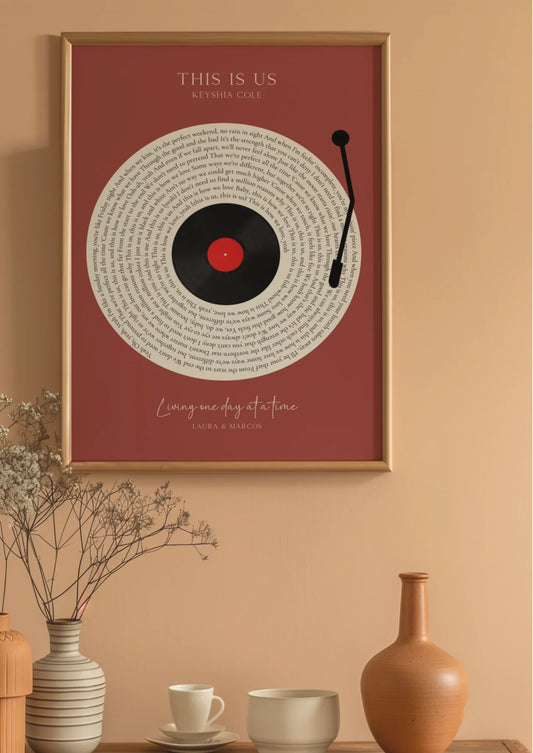
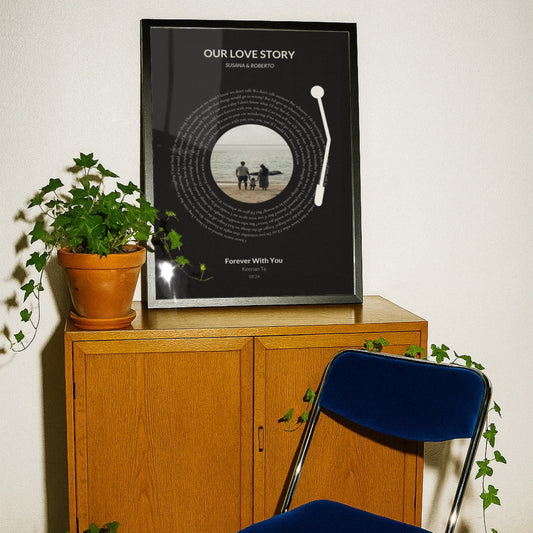
Preserving personal memories through digital archiving offers innovative ways to transform personal histories into artistic expressions. Consider incorporating elements like family photographs milestone moments travel snapshots or digital memories that capture your life’s most significant chapters. Mix traditional printed photographs with digital overlays integrate meaningful dates coordinates of special locations or include handwritten notes from loved ones. Think beyond conventional photography explore creative techniques like color manipulation vintage filters or artistic renderings that add emotional depth to your visual storytelling.
Selecting artistic elements with personal meaning allows you to communicate your identity through visual symbolism. Choose colors that resonate with your personal journey select imagery representing your cultural background or professional achievements incorporate symbols that reflect your personal values. Consider mixing mediums like watercolor prints with digital graphics or combining photographic elements with abstract representations. The key is creating a visual language that speaks authentically about who you are transforming wall art from mere decoration into a powerful personal statement.
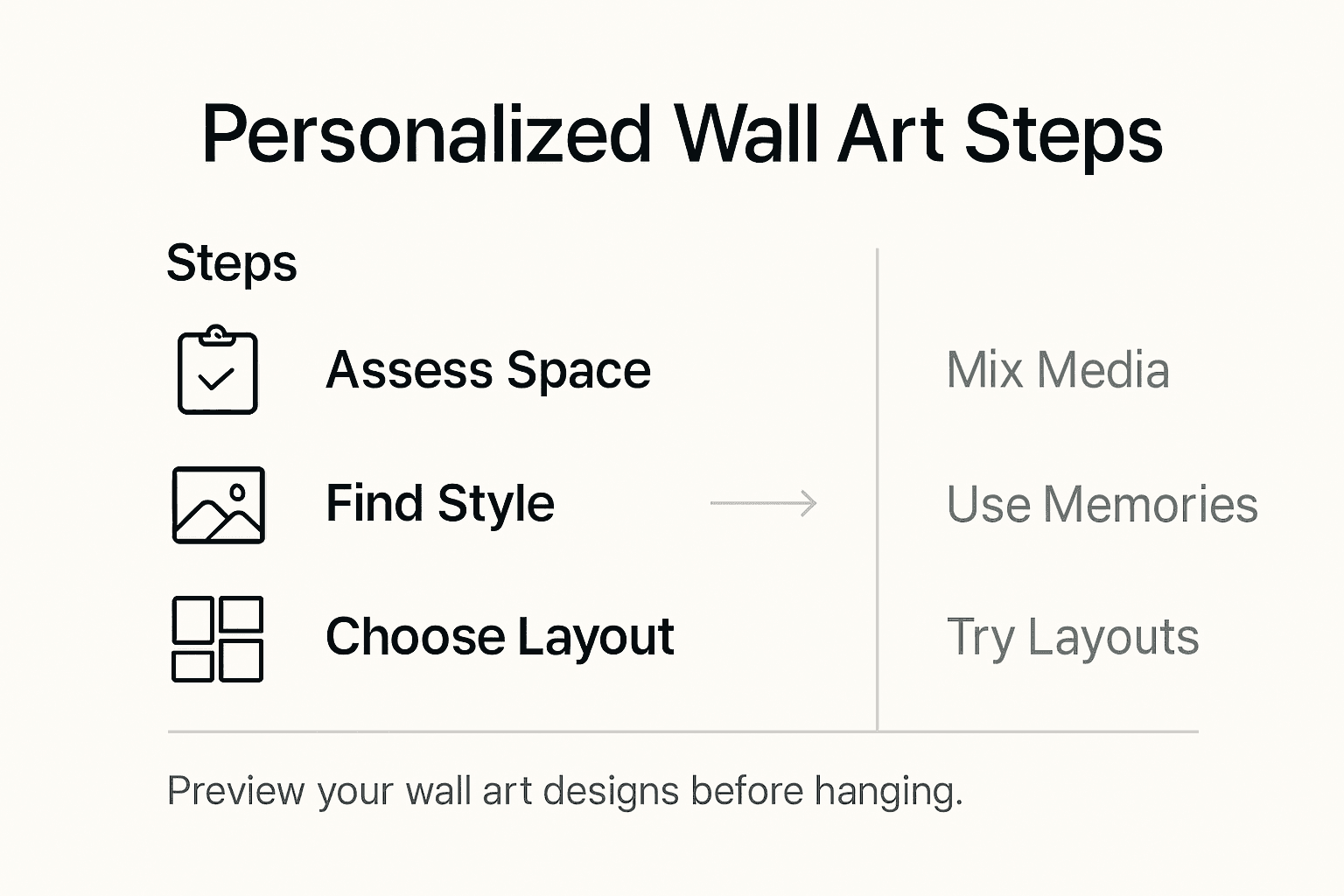
Pro tip: Create a digital mockup of your personalized wall art using design apps to preview how different personal elements will look before finalizing your selection.
Compare key ways to personalize your wall art for added meaning:
| Personalization Method | What It Adds | Example Element |
|---|---|---|
| Family photographs | Emotional connection | Wedding or birthday |
| Travel memorabilia | Storytelling | Map or ticket stubs |
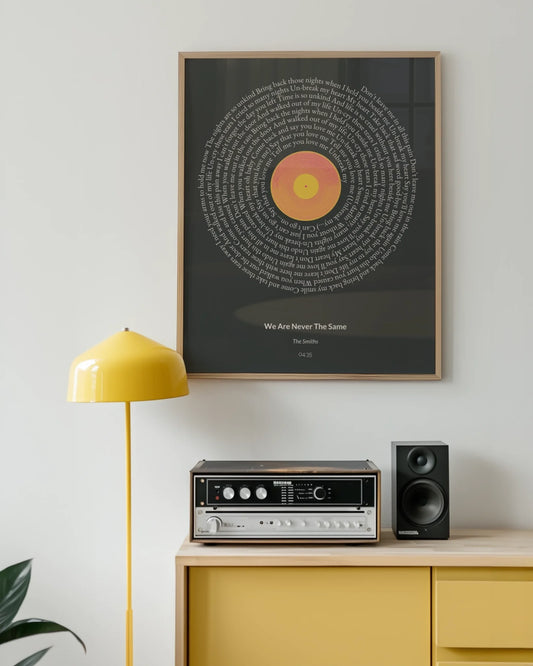
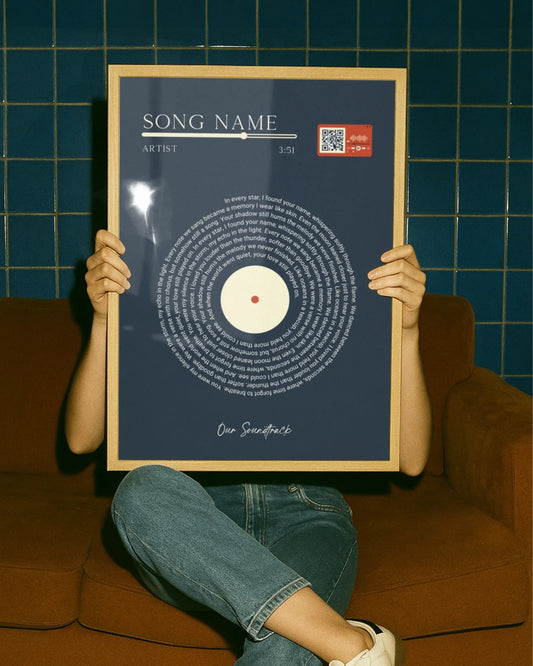
| Customized text overlays | Identity expression | Favorite quotes |
| Symbolic colors or motifs | Cultural resonance | Heritage-inspired hues |
Step 5: Preview and Confirm Your Choices
Previewing and confirming your wall art selections is the final checkpoint that transforms your creative vision into a tangible masterpiece. Your goal is to critically evaluate your choices ensuring they perfectly capture your intended aesthetic and emotional impact.
Developing a critical art review process helps you objectively assess your wall art selections. Start by stepping back and viewing your chosen pieces from multiple perspectives and distances. Check how the artwork interacts with existing room elements like furniture lighting and wall colors. Consider creating a digital mockup or using augmented reality apps that allow you to virtually place artwork in your space. Pay attention to visual balance color harmony and emotional resonance. Ask yourself critical questions does this artwork genuinely represent my personal story does it create the atmosphere I want to achieve.
Documenting and reflecting on artistic choices provides a structured approach to final confirmation. Take photographs of your potential layout print out digital previews or create physical paper templates to simulate artwork placement. Invite trusted friends or family members to provide honest feedback their fresh perspective might reveal insights you missed. Consider how the artwork will look during different times of day under varying lighting conditions. Trust your intuition but also remain open to refining your initial selections to create a truly harmonious design.
Pro tip: Take smartphone photos of your room and use free design apps to digitally overlay potential art pieces creating a realistic preview before making final purchasing decisions.
Elevate Your Space with Personalized Wall Art from Wallfully
Choosing wall art that reflects your personal story and perfectly fits your space can feel overwhelming. This article highlights the challenge of finding pieces that harmonize with your room’s style while expressing your unique identity and cherished memories. At Wallfully, we understand how important it is to create customized art that transforms your walls into meaningful, emotional statements that truly represent who you are.
Explore our Personalized Wall Art – Custom Posters & Prints for any Occasion to easily design bespoke prints that celebrate your personal journey, from song lyric posters to photo collages and milestone markers. Capture your individuality with Star, Moon & Zodiac Maps – Custom Map Poster Collection that add a celestial touch inspired by your birth sign or special dates. Start crafting your unique space today at Wallfully where quality, customization, and customer satisfaction come together. Don’t wait to make your walls speak your story—create personalized art that transforms your home into an inspiring, one-of-a-kind haven now.
Frequently Asked Questions
How do I assess my space for choosing wall art?
To assess your space, measure your wall dimensions, evaluate existing colors and furniture styles, and consider the room’s lighting conditions. Take note of how these elements interact and create a visual harmony by selecting art that complements your environment.
What factors should I consider when defining my personal style in wall art?
Reflect on your cultural heritage, interests, and significant life experiences to define your personal style. Collect images or examples that resonate with you to create a digital mood board, helping you clearly identify themes that represent your identity.
How can I select the right types of wall art for my room?
Choosing the right types of wall art involves assessing your room’s size and structure. For larger spaces, opt for oversized statement pieces; for smaller areas, consider compact clusters or galleries of smaller works to enhance visual interest.
What methods can I use to personalize my wall art?
Personalize your wall art by incorporating family photographs, travel memorabilia, or meaningful symbols that reflect your story. Mix mediums and digital overlays to create unique pieces that truly represent who you are and your experiences.
How should I preview and confirm my wall art choices?
Preview your art by creating digital mockups or using apps to visualize how pieces will look in your space. Assess the balance and emotional impact of the artwork before finalizing, and invite feedback from trusted friends or family for additional insights.
Can I visualize my art layout before hanging anything?
Yes, you can visualize the layout by using painter’s tape to outline potential placements on the wall. This method allows you to experiment with arrangements without making permanent changes or damage, ensuring you are satisfied with your final design.