
Types of Wall Art Printing: Choosing the Perfect Fit
WallfullyMost American households underestimate how much wall art printing has evolved, yet over 60 percent of people cannot tell a high-quality art print from an original piece. This matters for anyone looking to enhance ordinary spaces or invest in lasting decor, especially as myths about printing quality still circulate. Discover how modern techniques, material choices, and expert advice help you avoid common mistakes while achieving stunning, personalized wall art.
Table of Contents
- Wall Art Printing Explained and Common Myths
- Popular Printing Techniques for Wall Art
- Best Materials for Custom Wall Prints
- Durability, Longevity, and Display Considerations
- Avoiding Common Printing and Material Mistakes
Key Takeaways
| Point | Details |
|---|---|
| Modern Printing Techniques | Giclee printing allows for exceptional detail and vivid colors, making it ideal for reproducing photographs and digital art. |
| Material Selection | The choice of materials significantly affects the artwork’s visual impact and durability, with options like canvas, metal, and acrylic each offering unique characteristics. |
| Preservation Practices | Environmental factors play a critical role in art longevity; using archival materials and protective framing can help maintain visual integrity over time. |
| Common Mistakes to Avoid | Ensuring compatibility between printing techniques and materials is essential to achieving high-quality results and preventing costly errors. |
Wall Art Printing Explained and Common Myths
Wall art printing represents a fascinating blend of artistic expression and technological innovation, offering homeowners countless ways to transform blank walls into personalized visual narratives. Fine art prints encompass diverse techniques, ranging from traditional screen printing methods to cutting-edge digital processes that deliver stunning visual results.
Modern wall art printing has evolved far beyond simple image reproduction, with sophisticated techniques like giclee printing enabling incredibly detailed and color-accurate reproductions. High-resolution inkjet printers now create remarkable artistic representations that capture intricate details and nuanced color gradients, allowing individuals to reproduce everything from personal photographs to complex artistic compositions with unprecedented precision.
Many people hold misconceptions about wall art printing, believing that all prints are created equal or that digital printing lacks artistic authenticity. In reality, contemporary printing technologies offer exceptional quality, with professional-grade techniques that rival traditional art creation methods. Factors like paper quality, ink type, and printing resolution significantly impact the final artwork, transforming digital reproductions into genuine artistic expressions.
Pro Tip: Research Printing Technique: Always request a sample print or examine the printer’s portfolio before committing to a large wall art piece, as this will help you understand the precise quality and color accuracy you can expect.
Popular Printing Techniques for Wall Art
Wall art printing has evolved into a sophisticated craft with numerous techniques that transform visual concepts into stunning decorative pieces. Printmaking techniques like woodcut, linocut, engraving, and screen printing offer artists and homeowners diverse options for creating unique wall decor that reflects personal style and aesthetic preferences.

Digital printing technologies have revolutionized wall art production, enabling incredibly precise and vibrant reproductions. Giclee printing, a high-quality digital printing method, allows for exceptional color accuracy and detail preservation, making it a popular choice for art enthusiasts and interior designers. These advanced techniques can reproduce everything from photographic images to complex artistic compositions with remarkable fidelity.
Traditional printing methods continue to hold significant artistic value alongside modern digital techniques. Screen printing, for instance, offers unique textural qualities and allows artists to create multi-layered designs with rich, opaque colors. Each printing technique brings its own distinctive characteristics to wall art, from the hand-carved precision of woodcut prints to the smooth, detailed representations possible through digital inkjet printing.
Pro Tip: Technique Selection: Always consider the artwork’s original medium and your space’s lighting when selecting a printing technique, as different methods will interact uniquely with room ambiance and highlight distinct artistic qualities.
Here’s a comparison of common wall art printing techniques and their unique characteristics:
| Printing Technique | Distinctive Qualities | Best for Artwork Types |
|---|---|---|
| Giclee | Exceptional detail and vivid colors | Photographs, digital art |
| Screen Printing | Rich, layered, bold textures | Graphic designs, posters |
| Woodcut | Visible grain and bold lines | Traditional prints, fine art |
| Inkjet | Smooth color gradients and sharp edges | Illustrations, mixed media |
Best Materials for Custom Wall Prints
Custom wall print materials offer a fascinating array of options that can dramatically transform the visual impact and durability of artwork. From traditional substrates like wood and canvas to modern specialty papers, the selection of printing material plays a crucial role in creating stunning wall decor that reflects personal style and aesthetic preferences.
Digital printing technologies have expanded the possibilities for wall art materials, enabling artists and homeowners to explore innovative surfaces beyond conventional canvas. High-quality archival papers provide exceptional color reproduction and longevity, while specialized materials like metal, acrylic, and textured surfaces offer unique visual dimensions. Each material interacts differently with light, creating distinct textures and depth that can dramatically enhance the artwork’s overall appearance.
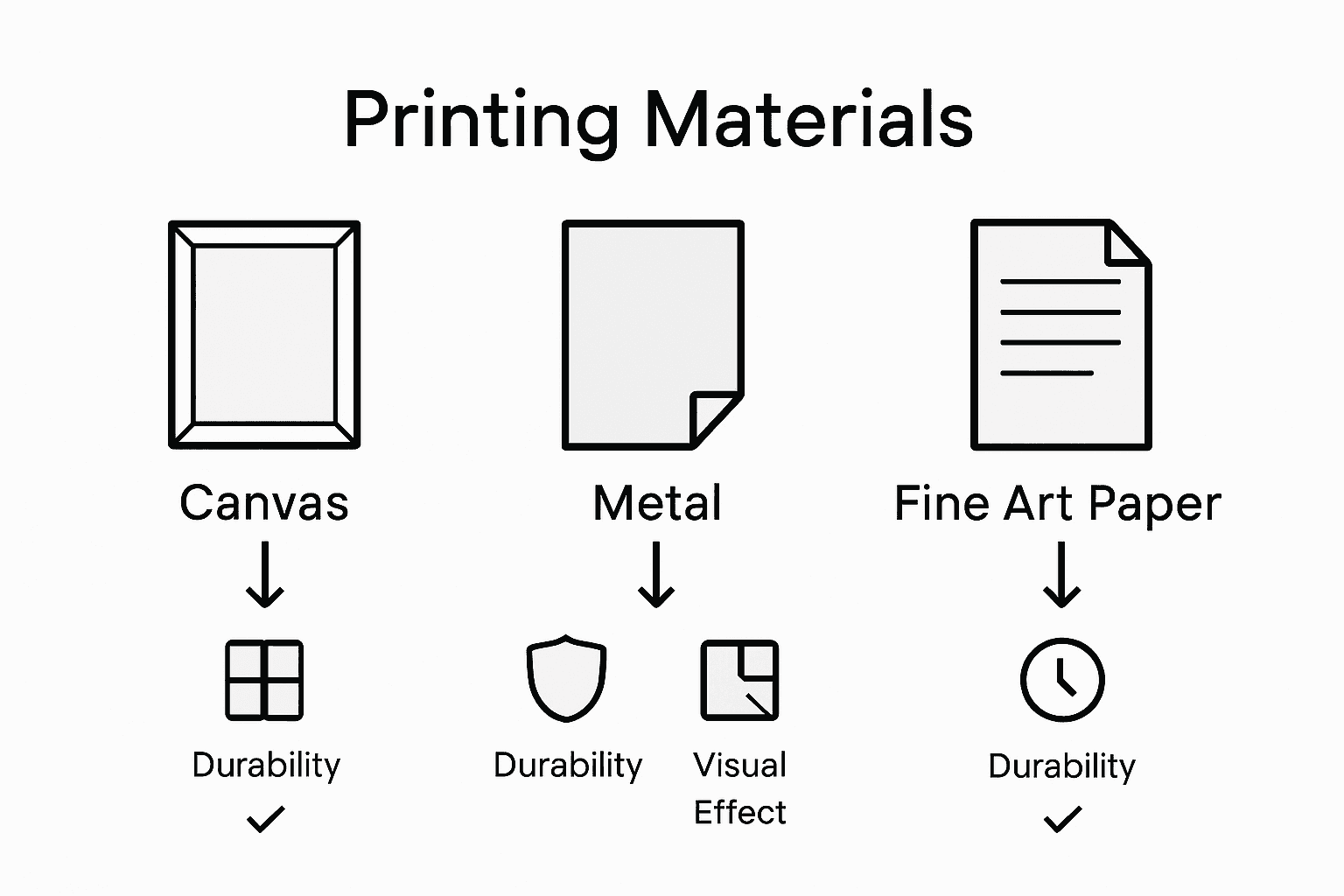
When selecting materials for custom wall prints, multiple factors come into consideration. Durability, aesthetic qualities, and printing technique compatibility are critical elements that determine the final result. Canvas remains a popular choice for its classic appearance and versatility, while fine art papers offer superior color accuracy and archival quality. Modern printing techniques allow for remarkable detail and color preservation across various materials, giving consumers unprecedented flexibility in creating personalized wall art.
Pro Tip: Material Matching: Always consider your room’s lighting, humidity levels, and existing decor when selecting wall print materials to ensure optimal visual impact and longevity.
Consider these factors when choosing materials for custom wall prints:
| Material Type | Visual Effect | Durability Considerations |
|---|---|---|
| Canvas | Classic, textured look | Resistant to humidity but may sag over time |
| Fine Art Paper | Matte or satin finish | Needs framing, sensitive to moisture |
| Metal | Glossy, modern sheen | Highly durable, fade-resistant |
| Acrylic | Deep, vibrant colors | Scratch-prone, best indoors |
Durability, Longevity, and Display Considerations
Wall art print durability involves a complex interplay of materials, environmental factors, and preservation techniques that can significantly impact an artwork’s visual integrity and lifespan. Understanding these critical elements helps collectors and homeowners protect their valuable wall art investments and maintain their aesthetic appeal for years to come.
Environmental conditions play a pivotal role in artwork preservation. Direct sunlight can cause color fading and material degradation, while excessive humidity may lead to warping, mold growth, or paper deterioration. Archival-quality materials and strategic display choices become essential in mitigating these potential risks. Protective framing with UV-resistant glass, carefully controlled room temperature, and minimal exposure to direct light can dramatically extend an artwork’s longevity.
Proper display techniques and material selection are fundamental to preserving wall art’s visual quality. Different printing materials require unique preservation strategies - canvas prints might need occasional gentle cleaning, while photographic prints demand acid-free mounting and specialized handling. Professional framers recommend using conservation-grade materials that prevent chemical interactions that could compromise the artwork’s original appearance.
Pro Tip: Preservation Planning: Rotate artwork periodically and use museum-grade glass or acrylic with UV protection to minimize environmental damage and maintain your wall art’s vibrant colors and crisp details.
Avoiding Common Printing and Material Mistakes
Printing techniques require precise understanding to prevent costly errors that can compromise the final artwork’s quality. Novice artists and homeowners often encounter challenges that can significantly impact the visual appeal and durability of their wall art prints, making careful preparation and technique essential.
One of the most critical mistakes involves selecting incompatible materials for specific printing methods. Digital resolution and ink compatibility play crucial roles in achieving high-quality results. For instance, low-resolution images can appear pixelated when printed on large canvases, while certain inks may not adhere properly to specialty surfaces like metal or acrylic. Understanding material properties and printing technique nuances helps prevent disappointing outcomes and wasted resources.
Environmental and technical factors can also derail successful wall art production. Improper color calibration, neglecting color profile matching, and using incorrect paper or canvas types are common pitfalls that can lead to unexpected color shifts or print degradation. Professional printers recommend color-proofing, using color management systems, and selecting materials specifically designed for the intended printing technique to ensure optimal results.
Pro Tip: Quality Control: Always request a test print or sample before committing to a full-scale wall art project, and verify color accuracy, material compatibility, and overall visual presentation.
Discover Personalized Wall Art That Fits Your Style and Space
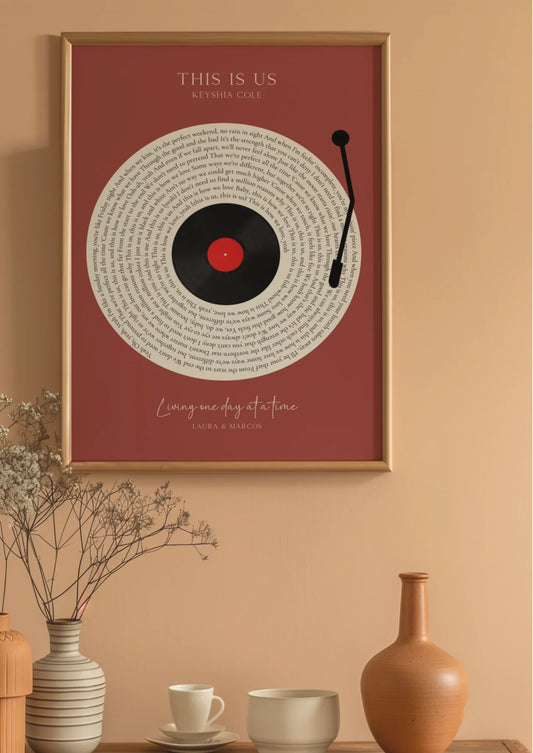
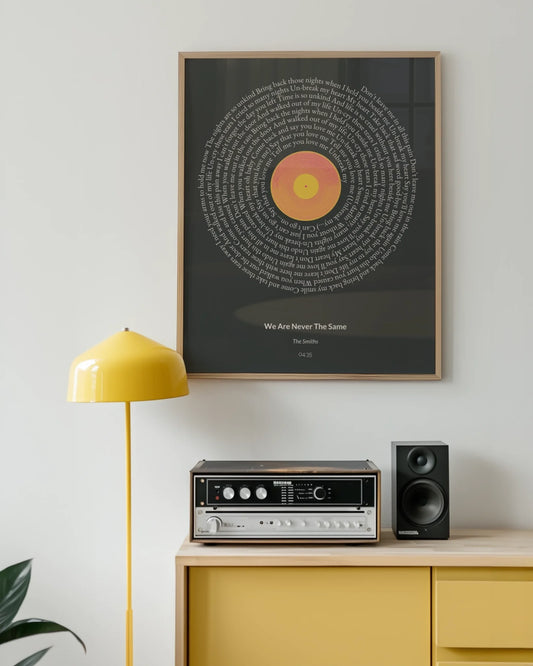
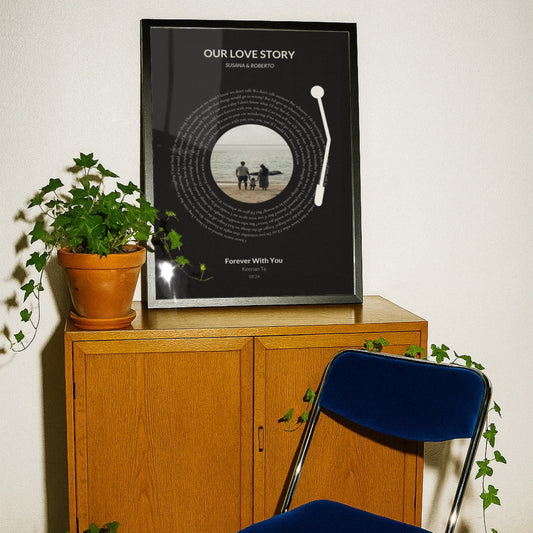
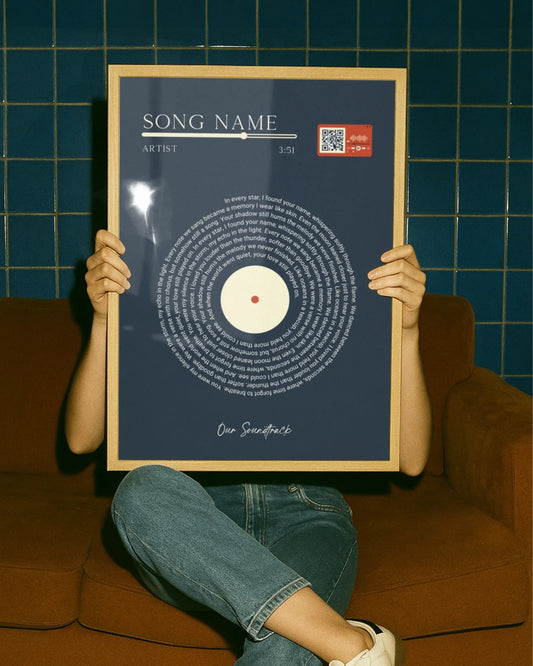
Choosing the perfect wall art printing technique can feel overwhelming with so many options like giclee, screen printing, or inkjet available. You want a custom print that not only matches your aesthetic but also lasts. At Wallfully.com, we understand the importance of quality materials, vivid colors, and durable prints that transform your space into a unique expression of who you are. Whether you seek a vibrant photo collage, meaningful baby milestone prints, or personalized song lyric posters, our easy-to-use customization process lets you preview your design and ensures your vision becomes reality.

Explore our Personalized Wall Art – Custom Posters & Prints for any Occasion collection and enjoy premium printing techniques with eco-friendly materials. Act now to take advantage of our special offers and free shipping. Visit Wallfully.com and create custom art that tells your story with lasting impact. For unique gift ideas that celebrate special moments, check out our Personalized Baby Milestone Posters and Custom Song Lyric Poster – Personalized Music Wall Art collections today.
Frequently Asked Questions
What are the different types of wall art printing techniques?
There are several wall art printing techniques, including giclee printing, screen printing, woodcut printing, and inkjet printing. Each technique has its unique characteristics, with giclee known for its exceptional detail and color accuracy, while screen printing offers layered textures.
How do I choose the right printing technique for my artwork?
Selecting the right printing technique depends on the original medium of the artwork and the lighting in your space. For instance, giclee is ideal for detailed photographic or digital art, while screen printing works well for graphic designs.
What materials are best for custom wall prints?
Common materials for custom wall prints include canvas, fine art paper, metal, and acrylic. Each material affects the artwork’s look and durability, with canvas being classic and versatile, while metal offers a modern sheen.
How can I ensure the longevity of my wall art prints?
To prolong the life of your wall art prints, use archival-quality materials, frame them with UV-resistant glass, and display them away from direct sunlight and excessive humidity, which can cause fading and degradation.