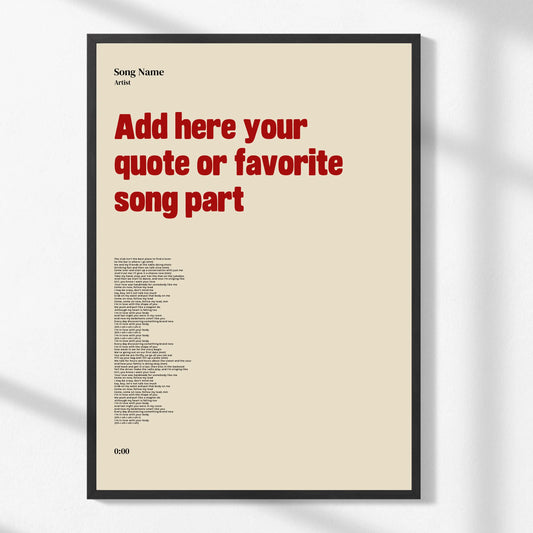

7 Custom Wall Art Tips for Meaningful Home Decor
WallfullyFinding the perfect wall art to honor a special occasion often feels daunting for creative American gift seekers. With over 80 percent of personalized gifts becoming cherished keepsakes, choosing decor that truly reflects individuality can transform any space. This guide reveals how thoughtful selection of themes, personal details, colors, and materials empowers you to create custom artwork that captures significant moments and emotions in a uniquely meaningful way.
Table of Contents
- 1. Choose the Right Theme for Your Space
- 2. Select Personal Details That Matter
- 3. Pick Complementary Colors and Styles
- 4. Use High-Quality Photos or Artwork
- 5. Preview Your Design Before Ordering
- 6. Consider Print Materials and Finishes
- 7. Find the Ideal Size and Placement
Quick Summary
| Takeaway | Explanation |
|---|---|
| 1. Choose a theme that resonates | Select wall art themes that create the desired emotional atmosphere in your space to enhance its overall mood. |
| 2. Incorporate meaningful personal details | Use symbols and elements relevant to your experiences to make your wall art a true reflection of your identity. |
| 3. Match colors and styles carefully | Ensure your chosen wall art complements existing decor through color harmony and stylistic consistency for a cohesive look. |
| 4. Prioritize high-quality images | Opt for high-resolution images to guarantee crisp and clear prints that enhance the visual appeal of your artwork. |
| 5. Preview designs before ordering | Use digital preview tools to visualize how your artwork will fit in your space, helping avoid costly mistakes. |
1. Choose the Right Theme for Your Space
Your wall art is more than just decoration. It’s a powerful visual storyteller that communicates mood, personality, and emotional resonance within your living space. Understanding how themes in art convey implied messages helps you transform an ordinary room into a meaningful personal sanctuary.
When selecting wall art, consider the emotional atmosphere you want to create. Different themes evoke distinct feelings and energies. A minimalist cityscape might inspire urban sophistication, while a serene nature scene could introduce calm and tranquility. Your chosen artwork should harmonize with the room’s purpose and the emotions you want to cultivate.
The strategic placement of art also matters. Space utilization plays a critical role in how viewers emotionally engage with your decor. By understanding how space interacts with artwork, you can create visual narratives that transform blank walls into expressive canvases of personal storytelling.
To select the perfect theme, walk through your space and ask yourself: What story do I want these walls to tell? Consider your room’s existing color palette, furniture style, and overall ambiance. Match your art’s theme to complement these elements without overwhelming the visual landscape.
Pro tip: Create a mood board before purchasing wall art to visualize how different themes will integrate with your existing decor and personal style.
2. Select Personal Details That Matter
Custom wall art transforms from simple decoration to a powerful personal narrative when you carefully choose meaningful details that reflect your unique story. Understanding how personal expression creates authentic connections in art allows you to design wall pieces that truly speak to your identity.
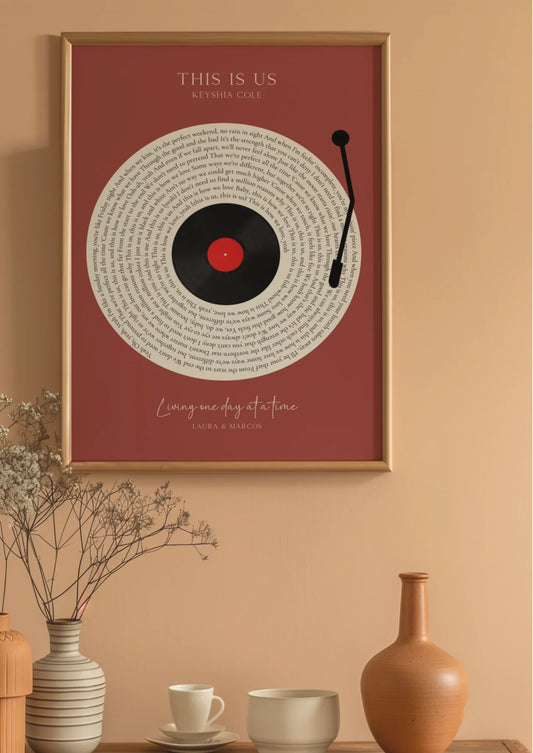
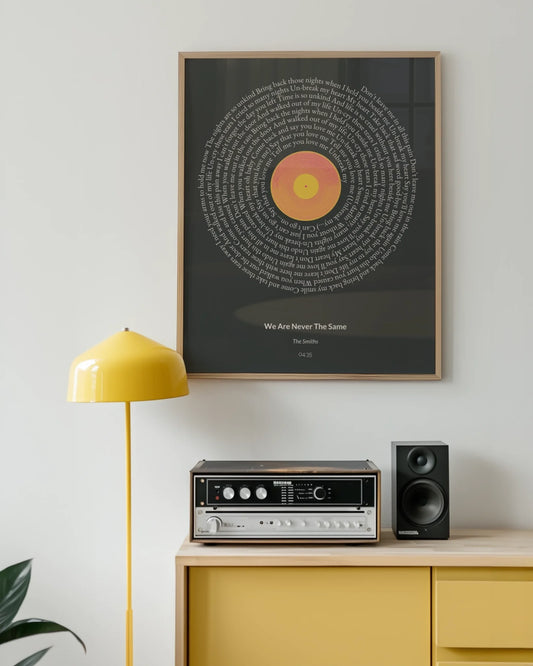
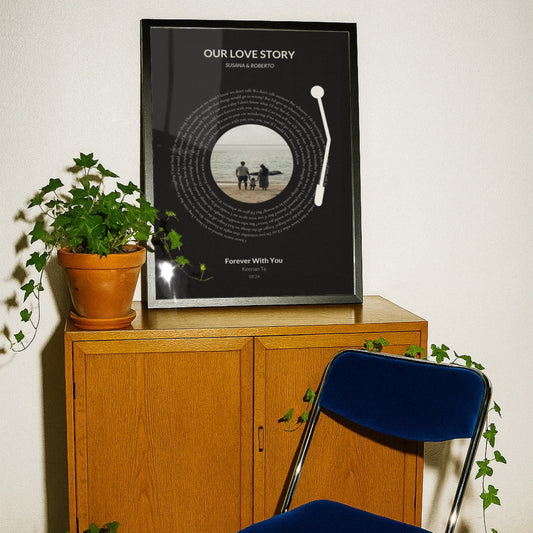
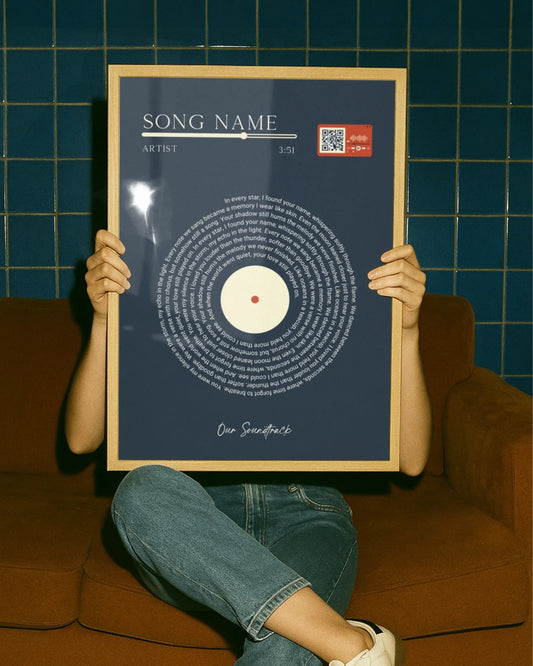
Personal details go far beyond names and dates. They are symbolic threads that weave your individual experiences into visual storytelling. Consider incorporating elements that represent significant life moments like geographic coordinates of where you met your partner, song lyrics from your first dance, or map prints commemorating special travel destinations.
Key Personal Detail Categories might include: • Cultural heritage symbols • Geographic locations with emotional significance • Important dates and milestones • Meaningful quotes or lyrics • Family traditions or shared memories
The goal is crafting wall art that reflects the intricate threads of your personal identity and cultural background. Each chosen detail should resonate with a deeper emotional connection, transforming your wall decor into a personal museum of memories.
When selecting personal details, ask yourself: Does this element tell a story that matters to me? Will it spark conversation and emotion when someone views it? The most powerful personal art pieces are those that feel authentic and genuinely represent your journey.
Pro tip: Create a digital mood board or journal to collect potential personal details before finalizing your custom wall art design.
3. Pick Complementary Colors and Styles
Choosing wall art that harmonizes with your existing decor is an art form in itself. Understanding how complementary colors create visual balance can transform your space from ordinary to extraordinary.
Complementary colors sit directly opposite each other on the color wheel. This strategic color pairing creates a dynamic visual energy that can elevate your wall art from simple decoration to a stunning design statement. Blue and orange, purple and yellow, red and green these color pairs naturally create vibrant contrast and visual interest.
Color Matching Strategies for wall art include: • Analyzing your room’s existing color palette • Selecting artwork with colors that echo your furniture • Creating intentional contrast for visual drama • Maintaining a balanced overall color composition
When selecting complementary colors for wall art, consider the emotional tone you want to create. Soft blue and muted orange might suggest calm sophistication, while bold red and deep green could communicate energy and richness.
Remember that color matching is not just about exact matches but about creating a harmonious visual dialogue. Your wall art should feel like a natural extension of your room’s personality rather than an afterthought.
Pro tip: Use a color wheel app or take a photograph of your room to digitally test potential art color combinations before making a final selection.
4. Use High-Quality Photos or Artwork
The quality of your wall art can make or break your entire room design. Selecting high-resolution images ensures your custom artwork looks crisp, professional, and visually stunning when printed.
Resolution matters significantly in wall art. Low-quality images will appear pixelated, blurry, or distorted when enlarged. Professional photographers and artists recommend using images with at least 300 pixels per inch to guarantee sharp, clear prints. When sourcing artwork, look for high-resolution images from reputable collections that provide detailed, clear digital files.
Image Quality Checklist: • Minimum 300 dpi resolution • Clear focus without visible grain • Original digital files preferred • Professional or well-maintained source images • Sufficient pixel dimensions for desired print size
When creating personalized wall art with photo collections, carefully examine each image beforehand. Zoom in to check sharpness, color accuracy, and overall visual clarity. Professional printing services can help identify potential image quality issues before production.
Consider the lighting and original capture conditions of your chosen images. Photos taken in natural light with high-quality cameras typically provide the best results for wall art printing. Smartphone images can work if they meet resolution standards and were captured in optimal conditions.
Pro tip: Always request a digital proof or preview of your wall art design to confirm image quality and composition before final printing.
5. Preview Your Design Before Ordering
Before transforming your cherished memories or artistic vision into wall art, previewing your design is crucial. The digital preview allows you to visualize exactly how your custom artwork will look in your space, preventing potential disappointment and costly mistakes.
Most custom wall art platforms offer sophisticated design preview tools that simulate your artwork in real room settings. These digital mockups help you evaluate color accuracy, sizing, and overall aesthetic compatibility with your existing decor.
Key Preview Evaluation Points: • Color representation and vibrancy • Precise sizing and proportions • Room context and background interaction • Frame or mounting style compatibility • Overall visual balance
Advanced preview technologies now allow you to upload room photos and digitally place your artwork, giving you an incredibly accurate representation of the final product. This eliminates guesswork and ensures your custom wall art will look exactly as you imagined.
Carefully examine the digital preview from multiple angles. Zoom in to check image resolution, color saturation, and fine details. Consider how the artwork interacts with your room’s lighting, furniture, and existing color palette.
Pro tip: Take a screenshot of the preview and view it on different devices to ensure consistent color rendering and visual appeal.
6. Consider Print Materials and Finishes
Your wall art’s material and finish are far more than aesthetic choices. They determine the artwork’s durability, visual impact, and how seamlessly it integrates into your living space.
Printmaking techniques offer diverse options for transforming digital designs into tangible wall art. Each material and finish brings unique characteristics that can dramatically alter the artwork’s appearance and longevity.
Print Material Options: • Canvas for textured depth and artistic feel • Fine art paper for classic gallery presentation • Metal prints for modern sleek aesthetic • Acrylic for glossy contemporary look • Wood prints for rustic warmth
When selecting print materials, consider the artwork’s intended location and lighting conditions. Archival quality pigment inks ensure your custom piece maintains vibrant colors and sharp details for years.
Matte finishes reduce glare and work well in brightly lit rooms, while glossy finishes create dramatic visual depth. Textured materials like canvas can add dimension and make digital images feel more like original artwork.
Factor in your room’s existing decor. A minimalist space might benefit from a sleek metal print, while a rustic interior could shine with a warm wood mounted piece.
Pro tip: Request material samples or swatches before making a final decision to truly understand how different finishes interact with your specific image.
7. Find the Ideal Size and Placement
Wall art is more than a decorative element it is a visual narrative that transforms your living space. Understanding how space impacts artwork placement can turn an ordinary wall into a captivating focal point.
Size and placement are critical in creating visual harmony. A piece that is too small will look lost, while an oversized artwork can overwhelm the room. Sizing guidelines recommend proportional scaling that complements your existing furniture and architectural elements.
Sizing Strategy Guidelines: • Living room artwork typically works best at 2/3 to 3/4 the width of furniture • Center artwork at eye level approximately 57 to 60 inches from the floor • Allow 6 to 8 inches of space between artwork and furniture edges • Consider room dimensions and ceiling height • Create visual balance with multiple pieces
Measuring your space before selecting wall art prevents common mistakes. Use painter’s tape to outline potential artwork dimensions directly on the wall. This visual mockup helps you understand how the piece will interact with surrounding elements.
Consider the room’s traffic flow and viewing angles. An artwork placed in a hallway or above a sofa should invite visual exploration without disrupting movement. Think about how light changes throughout the day and how it might interact with your chosen piece.
Pro tip: Take a smartphone photo of your wall and use digital editing apps to virtually place and resize artwork before making a final purchase.
Below is a comprehensive table summarizing the main strategies and key considerations for selecting wall art as discussed in the article.
| Strategy | Description | Key Takeaways |
|---|---|---|
| Choose the Right Theme | Select artwork that conveys a desired emotional atmosphere and complements the room’s purpose, leveraging themes and space utilization effectively. | Create a mood board to harmonize artwork with existing decor and personal style. |
| Incorporate Personal Details | Customize wall art with symbols, quotes, or images that reflect significant personal milestones or emotional connections. | Compile potential details in a journal to ensure meaningful representation. |
| Choose Complementary Colors | Use color theory to pick artwork with colors that match or contrast pleasingly with the room’s palette. | Utilize color wheels or apps to visualize combinations before purchase. |
| Focus on High-Quality Visuals | Ensure chosen images have high resolution and detail for crisp printed results. | Examine images for clarity, check digital proofs, and use professional sourcing. |
| Preview Before Ordering | Leverage digital tools to visualize the design and its integration into your space. | Confirm size, placement, color representation, and framing style through previews. |
| Consider Materials and Finishes | Select print materials and finishes that align with the desired aesthetic and environmental conditions. | Request samples to assess interaction with specific images and room settings. |
| Determine Size and Placement | Measure and plan artwork dimensions and positions concerning furniture and room layout. | Use tools like painter’s tape and editing apps to trial configurations digitally. |
Elevate Your Home Decor with Personalized Wall Art
Struggling to find wall art that truly resonates with your personal story and complements your space? The journey to meaningful home decor begins with choosing the right themes, personal details, and complementary colors as discussed in the article. At Wallfully.com, you can bring these concepts to life by creating custom posters and prints that perfectly capture your unique identity and style. Whether it’s a special milestone, favorite song lyrics, or a meaningful quote, our easy-to-use customization tools and high-quality printing ensure your art tells your story beautifully.
Discover our wide selection of Personalized Wall Art – Custom Posters & Prints for any Occasion to find inspiration that matches your vision. Act now to take advantage of special promotions and start transforming your walls into a personal museum of memories. Visit Wallfully.com today and preview your design with our guided process that guarantees satisfaction and a seamless shopping experience.
Frequently Asked Questions
How do I choose a theme for my custom wall art?
To choose a theme for your custom wall art, consider the emotional atmosphere you want to create in your space. Identify the feelings you wish to evoke and opt for artwork that complements your room’s purpose and existing decor.
What personal details should I include in my wall art?
Include personal details that reflect your unique story, such as significant dates, quotes, or geographic locations that hold special meaning. Consider creating a list of these elements to visually inspire your custom art design.
How do I select complementary colors for my wall art?
Select complementary colors that echo your room’s existing palette or create intentional contrasts. Use a color wheel to identify pairs that bring visual harmony and vibrancy to your wall art.
What print materials should I consider for my wall art?
Consider materials such as canvas for texture, fine art paper for a classic feel, or metal for a modern look. Determine how each material’s characteristics will enhance the artwork’s appearance in your living space.
How can I determine the ideal size and placement for my wall art?
To find the ideal size and placement, measure your wall and use painter’s tape to outline potential artwork dimensions. Aim to center your artwork at eye level and maintain a balanced composition with surrounding furniture.
How do I preview my custom wall art design before ordering?
Utilize design preview tools provided by custom wall art platforms to visualize how your artwork will look in your space. Carefully evaluate the digital preview’s color accuracy, sizing, and overall aesthetic compatibility before making your final decision.