
Return Custom Items: 4 Steps to Claim a Refund Within 14–30 Days
WallfullyCustom items are usually final sale, meaning most sellers will not accept a return simply because you changed your mind. The common exceptions are damage, defects, or a product that arrives materially different from what you ordered. Before you buy, check the seller’s return language, save your order confirmation and any proofs, and understand that no federal law forces sellers to take back personalized goods.
TL;DR:
- Custom items are generally final sale and not returnable unless damaged, defective, or materially different from the order due to seller error.
- The wording of policies like “final sale,” “no returns,” “satisfaction guarantee,” and “warranty” significantly impacts your refund rights, especially within specified reporting windows.
- Document all proofs, approvals, and order details beforehand, and act quickly if damages or errors occur after delivery to increase chances of a refund or remake.
- Legitimate refund requests typically involve damage during transit or seller errors, not buyer mistakes unless proof shows the error was due to the seller’s fault.
- Most disputes on custom orders are resolved faster with organized evidence and adherence to the seller’s outlined procedures, including marketplace claim processes when applicable.
Table of Contents
- What “final sale” means for custom goods
- Common exceptions when custom items may be refundable
- How to check and protect yourself before ordering
- What to do if your custom item arrives damaged or wrong
- When the seller refuses: escalation and consumer protection options
- How Wallfully approaches custom orders and customer satisfaction
- When a final-sale policy is fair, and when it’s a red flag
- Consider Wallfully for predictable, previewed custom prints
- Sources
- FAQ
What “final sale” means for custom goods
When a seller marks something “final sale” or “non-returnable,” it usually means the item was made specifically for you and cannot be resold to another customer. A mug with your dog’s name on it, a poster with your wedding date, or a necklace engraved with initials has no resale value once it is produced, so sellers build that risk into their policies rather than into the price.
Custom products are generally not returnable because they are made to order, though sellers commonly still offer a refund or a remake when something goes wrong on their end according to a seller discussion on personalized item returns. The exceptions tend to apply only to seller errors or shipping damage, not to buyer-side mistakes like a typo in a name field.
Sellers phrase these policies in a few recurring ways, and the wording matters:
- “Final sale” typically means no returns or exchanges for any reason, including buyer’s remorse.
- “No returns on custom items” usually still allows a claim if the product is defective or wrong.
- “Satisfaction guarantee” is a discretionary promise from the seller, not a legal right, and its terms vary from one company to the next.
- “Warranty” covers defects in materials or workmanship over a set period and can require repair, replacement, or refund even when standard returns are off the table, per FTC guidance on warranties.
Those four terms get used loosely, and confusing them is where most buyer frustration starts. A satisfaction guarantee might promise a remake if you’re unhappy with the color, while a warranty only kicks in if the product physically fails. Return policies, meanwhile, govern whether you can send an undamaged, correctly made item back at all.
Timelines add another layer. Many stores set a window, often somewhere between 14 and 30 days, for reporting a defect or requesting a replacement, based on patterns seen across marketplace seller policies. Miss that window and even a legitimate defect claim can be denied, so acting quickly after delivery matters more with custom goods than with standard retail purchases.
Common exceptions when custom items may be refundable
Sellers rarely advertise these exceptions loudly, but they exist in nearly every reasonable return policy. Knowing them ahead of time helps you spot a legitimate refund case versus a request that a seller will fairly deny.
- Damage in transit or manufacturing defects. A cracked frame, a warped canvas, or peeling print usually qualifies for a replacement or refund regardless of the item’s custom status.
- The item is materially different from the order. Wrong spelling that the seller introduced, an incorrect date, or a design that doesn’t match the approved preview are seller errors, not buyer mistakes.
- Seller error versus buyer-supplied mistakes. If you typed the wrong date into the customization form and approved a preview showing that date, the seller produced exactly what you asked for, and that distinction usually decides the outcome.
- Order previews and confirmations shape the dispute. A saved screenshot of your approved proof next to the final confirmation email is often the deciding piece of evidence in these cases.
Documenting the order, particularly screenshots of the preview and the final confirmation, often resolves these disputes on its own, because it shows exactly what the buyer approved before production, according to FTC guidance on solving problems with a business.
Sellers typically honor exceptions for delivery damage or their own production errors, not for buyer-entered mistakes, based on patterns described in seller forum discussions. That distinction is worth remembering before you approve any proof: once you sign off, the burden shifts toward you unless the finished product doesn’t match what you saw.
How to check and protect yourself before ordering
A few minutes of checking before you click “buy” saves most of the headache later. Custom orders can’t be undone the way a standard purchase can, so the protection has to happen upfront.
- Read the seller’s return and cancellation policy in full, and save a screenshot or the page link in case it changes later.
- Save your order confirmation, the customization preview, and any proof approval emails in one folder.
- Ask the seller directly about proofing, spelling checks, and turnaround time before you check out, especially for text-heavy items like engravings or lyric prints.
- Pay with a credit card or a service like PayPal that offers a formal dispute process, rather than a bank transfer or gift card.
Reviewing what a seller’s preview and approval process looks like before ordering is one of the simplest ways to avoid a dispute altogether, since most personalization errors trace back to a rushed approval step rather than a production mistake.
Pro Tip: Take a screenshot of every proof and confirmation screen the moment you approve it, since order pages and preview links sometimes expire or change after checkout.
A free tool like the receipt and warranty tracker from Checkout Saver can help you keep return deadlines and documentation organized across multiple purchases, which matters more with custom goods since the windows for reporting a problem tend to be shorter than standard retail returns.
What to do if your custom item arrives damaged or wrong
The steps you take in the first few days after delivery often determine whether you get a refund, a remake, or nothing at all.
- Document the condition immediately. Take dated photos of the item, the packaging, and any shipping labels before you move or discard anything.
- Contact the seller promptly with specifics. Include your order number, clear photos, and a short, direct description of what’s wrong compared to what you approved.
- Follow the seller’s return instructions exactly. If they ask you to ship the item back, get a tracking number and keep the receipt until the claim is closed.
- Use the marketplace’s claim process if you bought through a platform. Amazon, Etsy, and similar marketplaces have their own dispute systems separate from the seller’s own policy, and using them creates a paper trail the seller can’t simply ignore.
Documenting transaction details, including the order date, a description of the customization, and clear photos, before reaching out to the seller improves your odds of a successful resolution, according to FTC consumer guidance. Sellers who see organized evidence tend to resolve claims faster simply because there’s less back-and-forth needed to confirm what happened.
When the seller refuses: escalation and consumer protection options
Most legitimate claims get resolved at the seller level, but not all of them do. When a seller denies a reasonable request, you still have paths forward.
- File a payment dispute or chargeback through your card issuer or PayPal, ideally while you’re still within their claim window.
- File a complaint with your state attorney general’s consumer protection office, or use the Usa to find the right channel.
- Check whether a written warranty applies, since a warranty can require repair, replacement, or refund even when the seller’s standard return policy says no returns, per FTC warranty guidance.
- Remember there’s no general federal law requiring online sellers to accept custom-item returns; the Cooling-Off Rule only covers specific door-to-door sales situations, so your leverage mostly comes from the seller’s own policy and your payment method’s dispute process.
Card networks and payment processors sometimes allow a chargeback for defective or misrepresented goods even when a seller’s listing says the item is non-returnable, so preserving your evidence and watching the dispute deadline matters as much as contacting the seller in the first place.
How Wallfully approaches custom orders and customer satisfaction
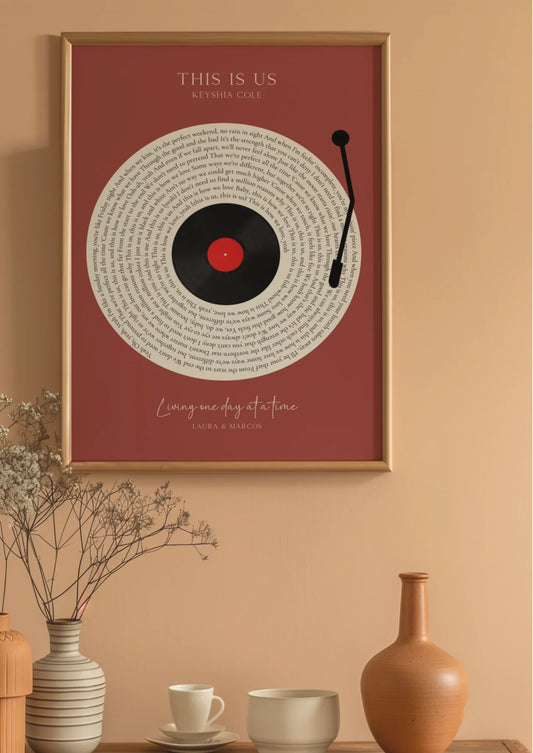
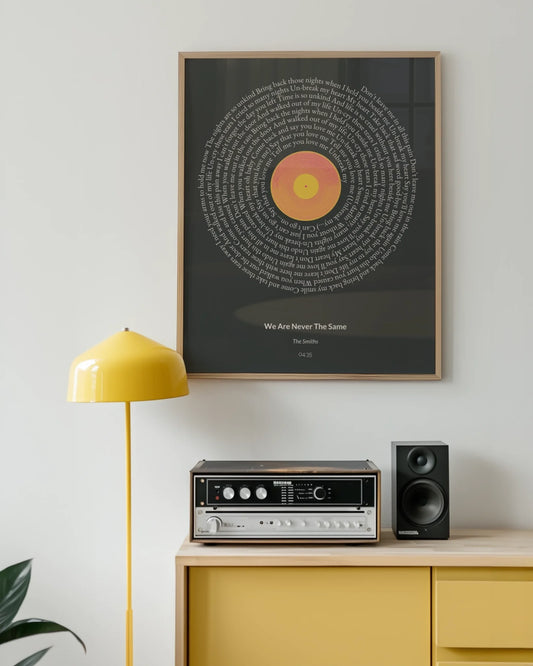
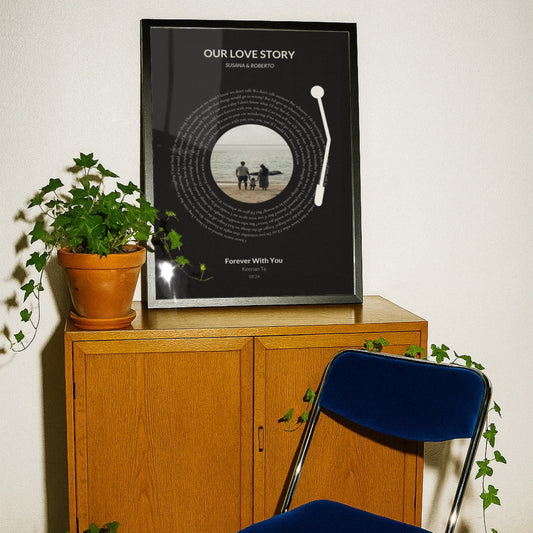
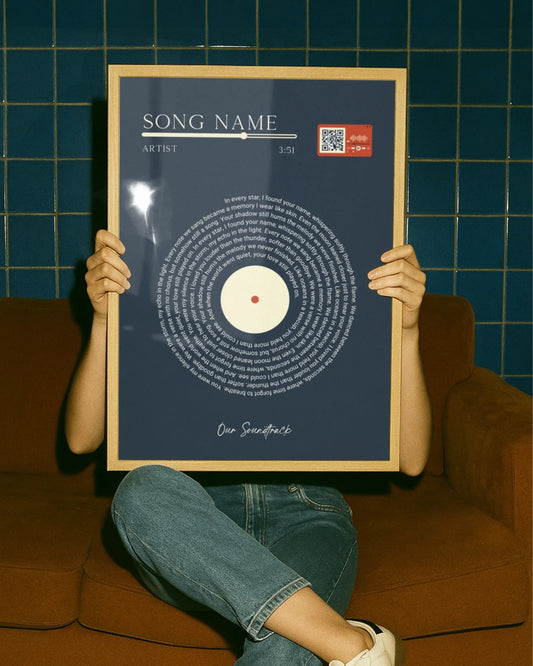
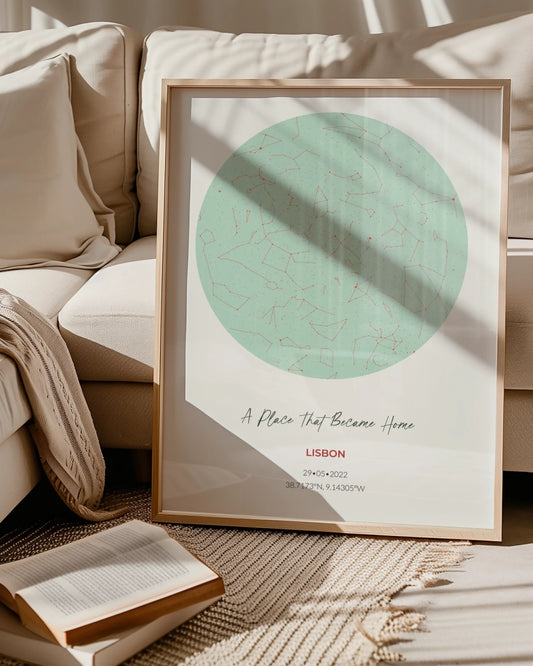
Some sellers build their ordering process around reducing the kind of mistakes that cause return disputes in the first place. Shoppers customizing a piece, such as a song lyric print, a star map, or a photo collage, may see a guided process with an instant preview before checkout, so what you approve is what gets printed.
- A guided customization tool with live previews catches spelling errors and layout issues before an order goes to print.
- Prints use eco-friendly materials and checkout runs on SSL encryption, with free shipping included on every order.
- Wallfully backs orders with a satisfaction guarantee described on its own policy page, alongside responsive customer support for questions before or after an order ships.
None of that replaces the value of reading a seller’s actual policy, custom items purchased anywhere still carry the general final-sale expectations described above, but a clear preview step and a documented guarantee narrow the gap between what a buyer expects and what arrives.
When a final-sale policy is fair, and when it’s a red flag

A fully bespoke item, like a hand-carved heirloom or a one-of-a-kind commissioned piece, earns a final-sale policy honestly. The seller invested real time into something that can’t be resold, and a strict policy reflects that reality rather than an attempt to dodge accountability.
What’s different is a seller with no proofing step, no clear return language, and no way to confirm what you’re approving before production starts. That combination is a red flag, not a standard practice. For anything above a modest price, insist on seeing a mockup or a proof before it goes to print, and walk away from any seller who can’t provide one. A five-minute preview step protects both sides far better than a dispute after the fact ever will.
— Luanda
Consider Wallfully for predictable, previewed custom prints
Choosing custom wall art doesn’t have to mean gambling on what shows up at your door. Wallfully’s preview tool lets you see your exact layout, names, dates, and design before you pay, which removes most of the guesswork that leads to return requests elsewhere.
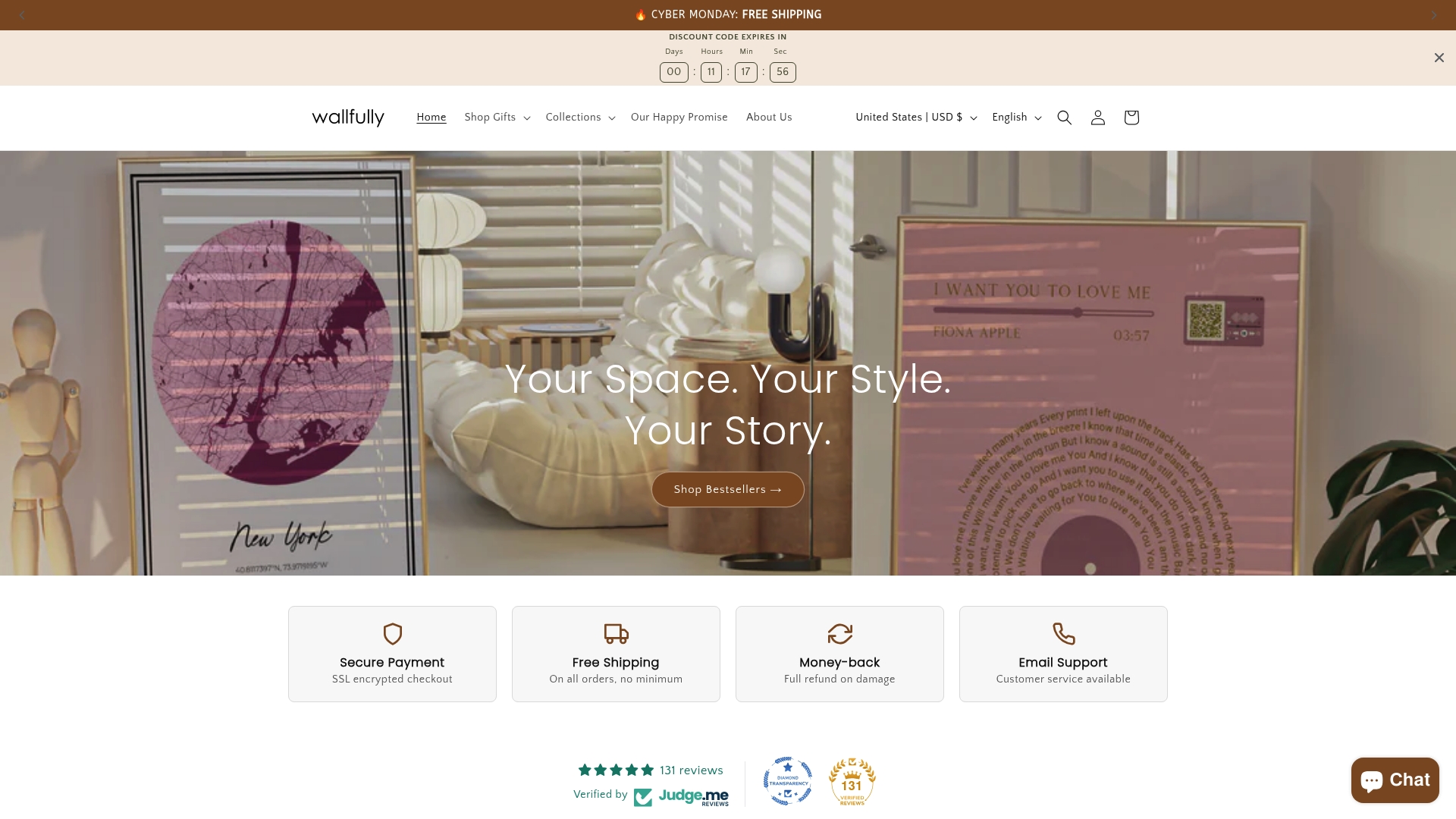
Every order ships free and comes with a satisfaction guarantee backed by responsive support if something does need fixing. Browse the Route & Map Posters collection for a location-based gift, the Song Lyric line for a meaningful quote piece, or the Personalized Photo Collage Posters for a family gift that previews exactly as it will print.
Sources
For rules and complaint paths beyond a single seller’s policy, these resources cover the general framework:
FAQ
Are custom items returnable if they arrive damaged?
Yes, most sellers will accept a return, refund, or remake if a custom item arrives damaged, even when their general policy says no returns. Document the damage with photos right away and contact the seller promptly, since most policies require a quick report after delivery.
Do you get reimbursed for import duties if you return an item?
This depends entirely on the seller and the courier, and there’s no blanket rule guaranteeing duty refunds on returns. Check the seller’s shipping and return policy before ordering internationally, since customs duties are sometimes non-refundable even when the product itself is refunded.
What items are not returnable?
Custom or personalized goods, like engraved items, made-to-order prints, and monogrammed products, are commonly marked non-returnable because they can’t be resold to another customer. Exceptions usually apply if the item is defective, damaged, or different from what you approved, according to seller forum guidance on personalized items.
Can you return customized items on a marketplace?
It depends on how the individual seller has configured their return settings, since marketplace systems can technically allow returns even on items marked non-returnable. Some seller forum discussion threads describe sellers needing to manually set return authorization to prevent automated approvals on custom products.
Which products are not eligible for return?
Beyond custom and personalized goods, items like perishable products, worn intimate apparel, and opened hygiene products are commonly excluded from standard return policies. Always check the specific seller’s listed exceptions, since eligibility rules vary by company rather than by a single universal standard.