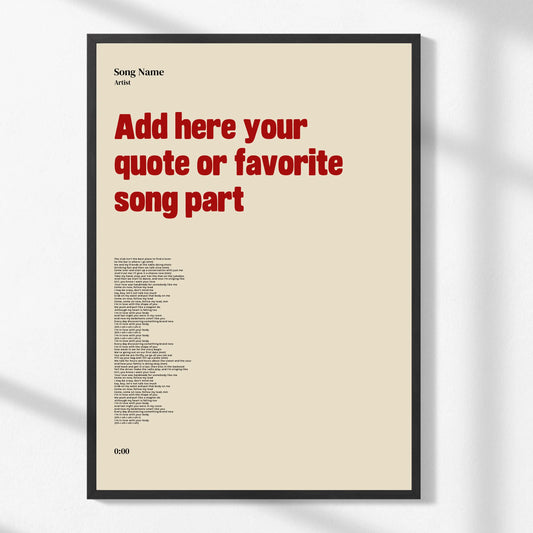

Industry Trends in Personalized Gifts 2025
WallfullyTL;DR:
- The personalized gifts market is rapidly expanding, driven by technological advancements and a focus on meaningful storytelling. Consumers now prioritize gifts that reflect shared memories and ethical sourcing, with AI and AR enhancing customization experiences. The future emphasizes emotional resonance, sustainability, and simplicity over mere monogramming or feature overload.
The personalized gifts market has passed a point where “add a name to it” qualifies as meaningful customization. The industry trends in personalized gifts 2025 tell a far more interesting story: a market projected at $27.3 billion and growing, driven by consumers who want gifts that reflect actual memories, values, and relationships. Generational shifts, smarter technology, and a hard pivot toward sustainability are rewriting what a “personalized gift” even means. Whether you’re shopping for a wedding, a milestone birthday, or just someone who deserves better than a generic candle, this guide covers what’s actually changing and why it matters.
Table of Contents
- Key Takeaways
- Industry trends in personalized gifts 2025: market size and what’s driving growth
- How technology is reshaping custom gift trends 2025
- Aesthetic and experiential trends transforming personalized gifting
- Practical tips for choosing personalized gifts in 2025
- Sustainability and ethics in the personalized gifts space
- My honest take on where personalized gifting is heading
- Create gifts that actually mean something with Wallfully
- FAQ
Key Takeaways
| Point | Details |
|---|---|
| Market is growing fast | The personalized gifts market will nearly double by 2035, fueled by AI tools and e-commerce growth. |
| Gen Z leads personalization demand | Over half of Gen Z buyers prefer personalized gifts, making them the most influential shoppers in this category. |
| AI and AR change the buying experience | Real-time previews and AI design tools increase buyer confidence and reduce returns. |
| Storytelling beats monograms | Consumers now favor gifts rooted in shared memories and identity over simple name or initial customization. |
| Sustainability is non-negotiable | Shoppers increasingly choose brands that use ethically sourced, eco-friendly materials for personalized products. |
Industry trends in personalized gifts 2025: market size and what’s driving growth
The numbers alone make a compelling case. The global market reaches $27.3 billion in 2025 and is on track to hit nearly $50 billion by 2035, with a compound annual growth rate between 6.2% and 8.7%. That kind of sustained growth does not happen by accident. It reflects a genuine shift in how people think about gift-giving.
E-commerce has been the engine behind much of this acceleration. Online customization platforms let buyers design, preview, and order personalized gifts from anywhere, removing the friction that once made custom gifting complicated. When you can upload a photo, choose a format, and see a preview in minutes, the barrier to buying something meaningful drops to almost nothing.
The demographics are equally telling. 51% of Gen Z and 46% of Millennials report being more likely to purchase personalized gifts compared to less than 25% of Baby Boomers. These younger buyers grew up with digital customization as a default expectation, not a luxury. They are now the primary gift-giving generation for weddings, birthdays, baby showers, and career milestones, which means their preferences are setting the standard for the entire category.
Social media plays a real role here too. When someone receives a custom print or a personalized keepsake and shares it online, it functions as organic advertising for the idea of personalized gifts. Brands that offer genuinely differentiated personalization experiences also benefit from strong loyalty. 93% of shoppers say they are more likely to continue buying from brands that offer personalized experiences. That statistic explains why so many retailers are investing heavily in customization infrastructure right now.
How technology is reshaping custom gift trends 2025
Technology is not just making personalized gifts easier to order. It is making them genuinely better.
Here is what’s actively changing the experience in 2025:
- AI-powered design tools now suggest layouts, color combinations, and typography based on your input, reducing the blank-canvas paralysis that used to frustrate first-time buyers.
- Augmented reality previews let you see how a custom poster or framed print will look on your actual wall before you commit. AR and AI tools increase user engagement by 25% and measurably improve conversion rates by reducing buyer hesitation.
- On-demand digital fabrication such as laser engraving and high-resolution printing means many personalized gifts ship within 48 to 72 hours, making last-minute gifting genuinely viable without sacrificing quality.
- Biometric and sensory personalization is the frontier most people haven’t reached yet. Think jewelry cast from a fingerprint, custom scent blends built around a person’s scent profile, or prints derived from a couple’s unique data points like the coordinates of where they met.
The trend in custom gifts 2025 is not about adding more features. It is about using technology to reduce friction and increase emotional resonance. A gift that takes five minutes to personalize but feels deeply specific is exactly what this technology enables.
Pro Tip: If you’re using an AI design tool to create a custom poster or photo collage, always start with your highest-resolution source image. Tools built on AI can only work with what you give them, and a blurry photo will produce a blurry result no matter how good the platform is.

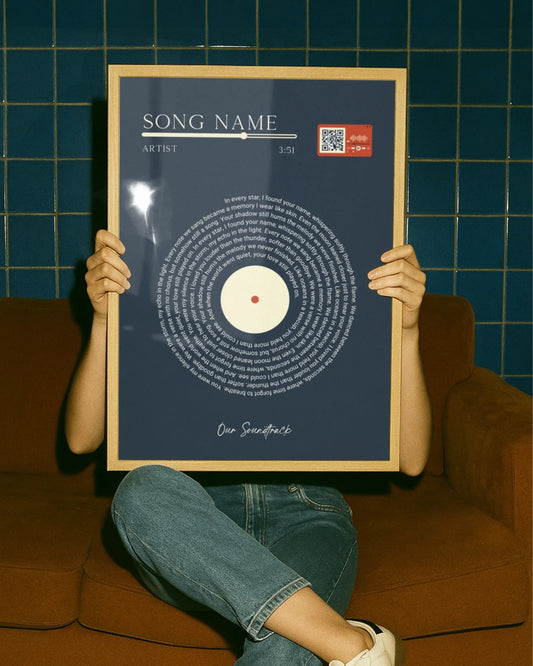
“Phygital” gifts are also worth knowing about. These are physical items linked to digital content like embedded QR codes that unlock a video message, a song, or an interactive memory album. They add a layer of experience to an already meaningful object, which is exactly the direction the market is moving.
Aesthetic and experiential trends transforming personalized gifting
The most significant shift in custom gift trends 2025 is not technological. It is philosophical. Buyers are moving away from the idea that personalization means putting a name on something. They want gifts that tell a story, document a moment, or reflect something true about the recipient.
Here is how that shift is playing out across four major trends:
-
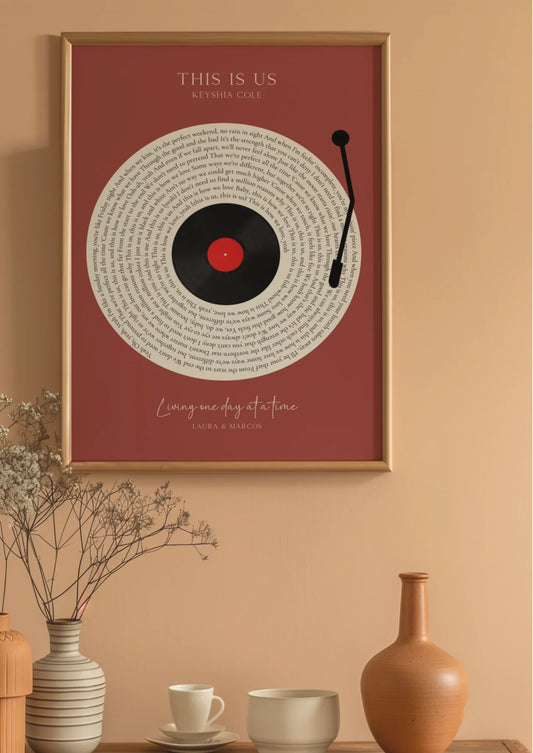
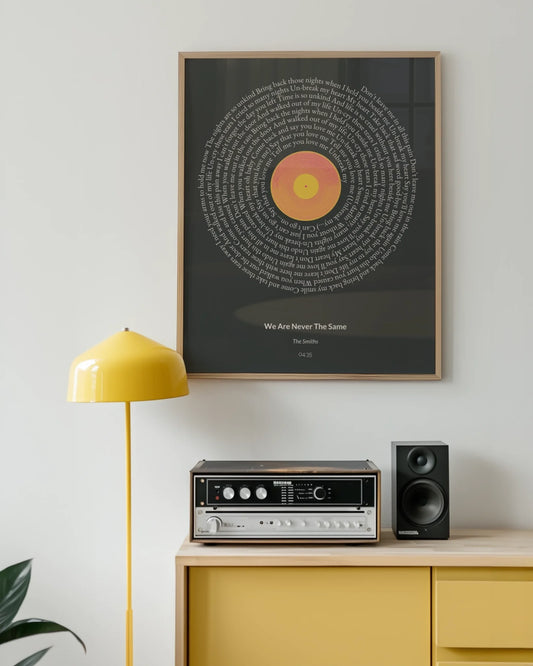
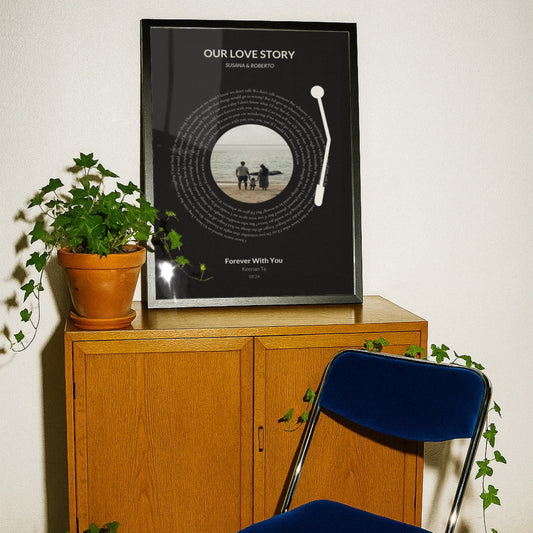
Meaningful curation over monogramming. A custom map of the city where two people met, a print of the song lyrics playing at a wedding, or a constellation poster for someone’s birth date carries far more weight than a monogram. Bespoke story-driven products that reflect identity and shared memories are now what consumers define as truly personalized.
-
Experiential gifts tied to physical keepsakes. Workshops, cooking classes, and travel experiences are growing in the gift category, and they’re increasingly paired with a personalized physical item. Someone gifted a pottery class might also receive a custom print of the date and location. The experience becomes the gift; the keepsake becomes the proof it happened.
-
Artisanal and sensory personalization. Custom scent blends created from interviews about a person’s preferences, hand-poured candles with specific notes tied to a memory, and small-batch artisanal food gifts with custom labels are all gaining traction. These sit at the intersection of craftsmanship and personalization, which is a combination that commands real attention and premium prices.
-
Ethical sourcing as a signal of care. Choosing a gift from a brand with transparent sourcing and sustainable materials has become part of the act of personalization itself. It signals that you thought carefully about not just what the person would love but how it was made. Experiential gifts and ethically made keepsakes consistently drive higher engagement and loyalty than generic physical gifts.
You can see how these trends connect. The future of personalized gifts is about gifts that carry meaning from every angle: what they depict, how they were made, and the experience they represent.
Practical tips for choosing personalized gifts in 2025
Understanding the trends is useful. Applying them when you’re actually shopping is where it counts.
Pro Tip: When ordering custom wall art or photo prints, request a digital proof before the final print run. Most quality platforms offer this, and catching a spelling error or layout issue before it’s printed saves time and frustration.
A few things worth knowing before you order:
- File quality matters more than ever. High-resolution source files at 300 DPI or above are the baseline for premium AI-driven personalization. If you’re uploading a photo cropped from a social media post, expect a noticeable drop in output quality.
- On-demand production has changed the timeline. If you assumed personalized gifts require weeks of lead time, that assumption is outdated. Digital fabrication now enables same-week turnaround on many product types. That said, complex items like custom furniture or biometric jewelry still require more time, so check production details before committing.
- Budget and uniqueness are not always in conflict. A well-designed custom poster from a quality platform can cost $30 to $60 and carry more emotional weight than a $200 generic item. The key is specificity. The more personal the reference, the less the price tag matters to the recipient.
- Use preview tools. Any platform worth using in 2025 offers a real-time visual preview. Use it. Adjust the layout, test different color options, and confirm the text reads exactly as intended before you place your order. You can also find creative gift ideas to help narrow down your concept before you start customizing.
Sustainability and ethics in the personalized gifts space
The future of personalized gifts is not just about what a gift looks like. It is increasingly about where it came from.
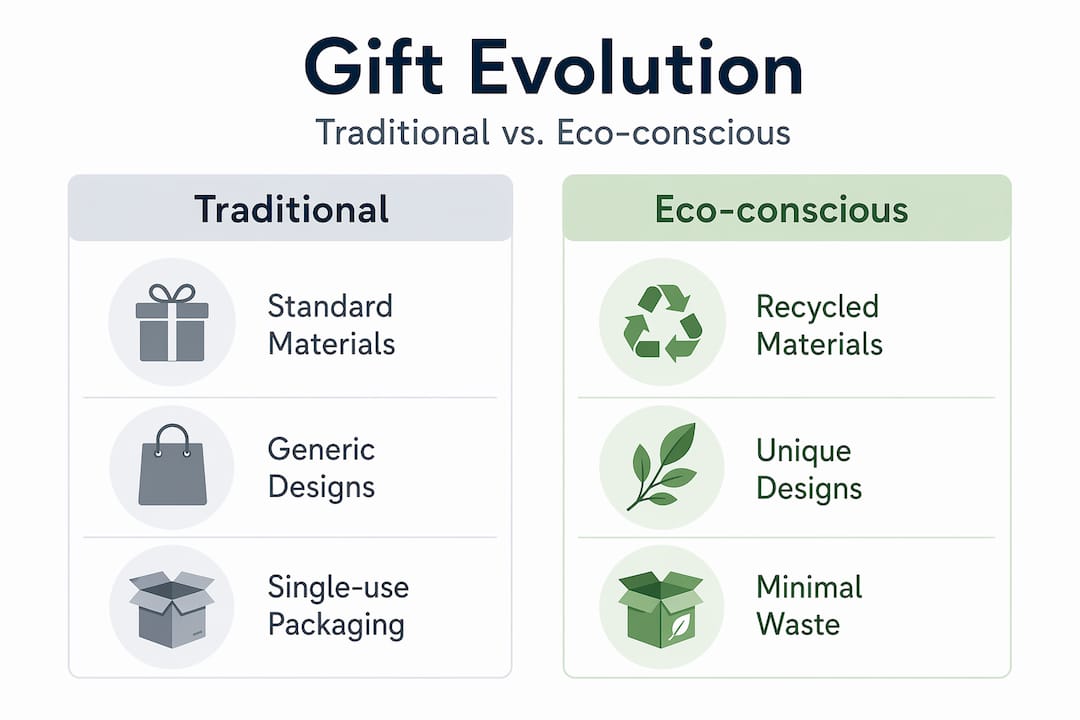
| Factor | Traditional personalized gifts | Eco-conscious personalized gifts |
|---|---|---|
| Materials | Standard paper, plastics, synthetic inks | Recycled materials, FSC-certified paper, plant-based inks |
| Packaging | Generic plastic wrapping or foam | Recycled cardboard, biodegradable wrapping |
| Production | Bulk pre-production | On-demand to reduce waste |
| Brand transparency | Limited supply chain visibility | Published sourcing and environmental commitments |
Consumers, especially younger buyers, are auditing raw materials and preferring ethically sourced gifts as a genuine selection criterion. This is not performative. It reflects a broader value system where the act of giving includes consideration for its environmental cost.
Brands that publish clear sourcing standards, use recycled or responsibly produced materials, and offer minimal-waste packaging are earning both first-time purchases and long-term loyalty. Sustainability is now a core pillar of what consumers trust in the personalized gifts category, not a nice-to-have feature. Brands that treat it as optional are losing ground to those that do not.
My honest take on where personalized gifting is heading
I’ve spent years watching the gift industry oscillate between gimmick and genuine. What I see in 2025 is something different. The technology has finally caught up to what people actually wanted all along: gifts that feel like they were made for one specific person, not just customized for whoever.
What I find most interesting is that the emotional breakthrough rarely comes from the most technically advanced product. It comes from specificity. A poster of the song lyrics from a couple’s first dance, printed cleanly and framed well, lands harder than an expensive gadget with a name engraved on it. I’ve seen this dynamic play out repeatedly, and it always comes back to the same principle: the more a gift references something real and shared, the more it matters. The role of personalization in gifting is not to make something fancy. It is to make something true.
The mistake I see consumers make most often is defaulting to complexity. They assume a “more personalized” gift means more features, more layers, more elements. But a single, well-chosen image with a name and a date often outperforms an elaborate custom product that tries to do everything. Restraint is a form of curation. And curation, right now, is the whole point.
My honest advice: pick one meaningful detail, execute it beautifully, and do not overthink the rest.
— Luanda
Create gifts that actually mean something with Wallfully
The trends covered in this article point in a clear direction: personalized gifts in 2025 are about emotional precision, not just customization options. Wallfully is built for exactly this moment.
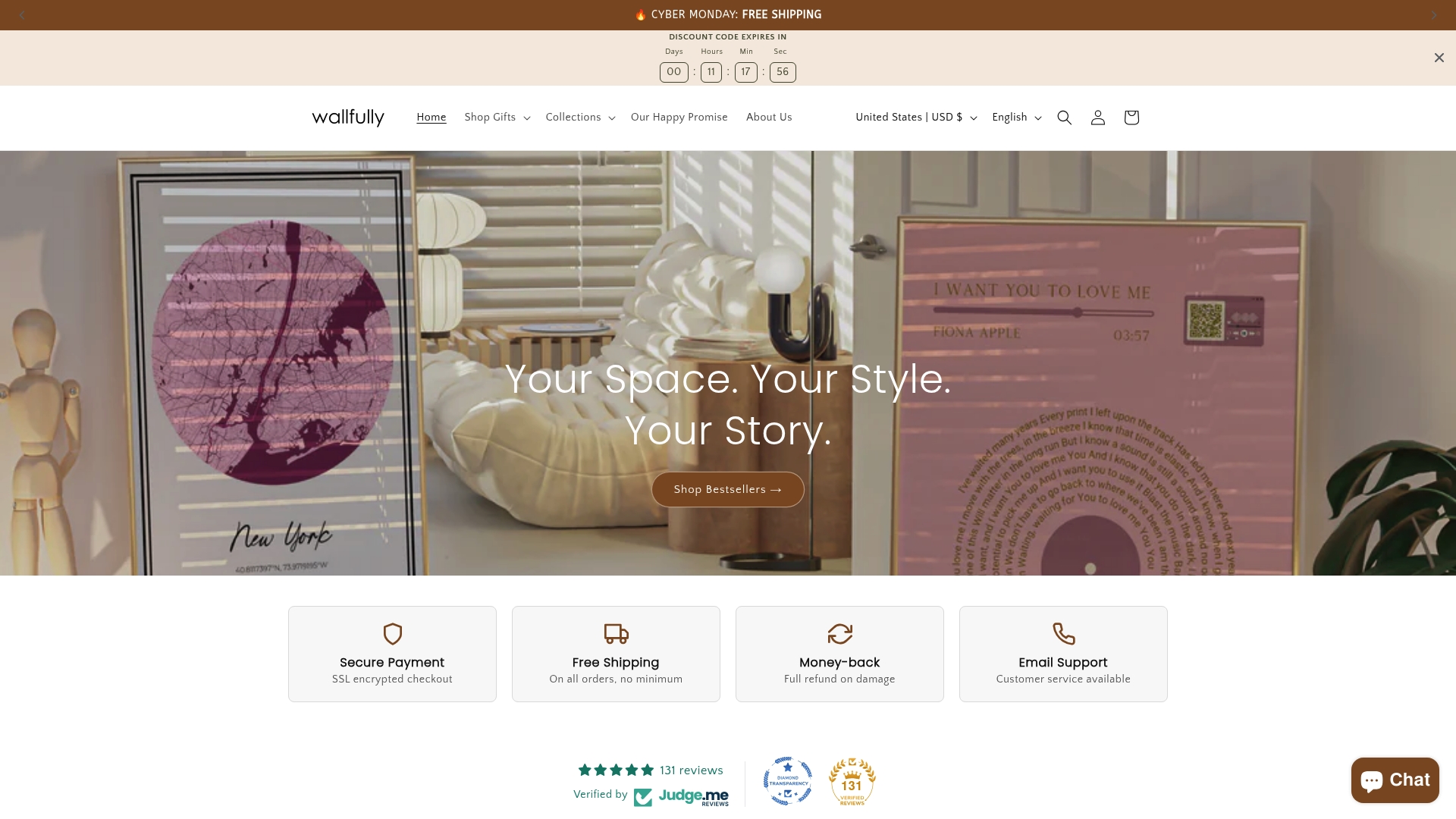
Wallfully lets you create bespoke wall art including song lyric posters, custom maps, photo collages, zodiac prints, and milestone art, with a live preview tool so you see exactly what you’re ordering before it ships. Every print uses eco-friendly materials, and all orders ship free with a satisfaction guarantee. Whether you’re looking for a wedding gift, a birthday keepsake, or something for a new parent, Wallfully’s personalized prints for new parents and broader catalog make it easy to give something genuinely one of a kind.
FAQ
What is driving personalized gift market growth in 2025?
The market is growing due to AI-powered design tools, the rise of e-commerce customization platforms, and strong demand from Gen Z and Millennial buyers who expect gifts to feel specific and meaningful.
How do AI and AR tools improve the personalized gift experience?
AI helps with design suggestions and layout, while AR lets buyers preview custom items in real time. Together, these tools increase engagement by 25% and reduce hesitation before purchase.
What are the top trends in custom gifts 2025?
The biggest trends include story-driven and experiential gifts, phygital products that link physical items to digital content, sensory personalization like custom scents, and a strong shift toward ethically sourced, eco-friendly options.
How quickly can personalized gifts be produced and delivered?
Thanks to on-demand digital fabrication like laser engraving and high-resolution printing, many personalized gifts can be produced and shipped within 48 to 72 hours from the order date.
Does sustainability matter when buying personalized gifts?
Yes. Consumers, particularly younger shoppers, actively factor ethical sourcing, recycled materials, and transparent brand practices into their purchasing decisions for personalized gifts.