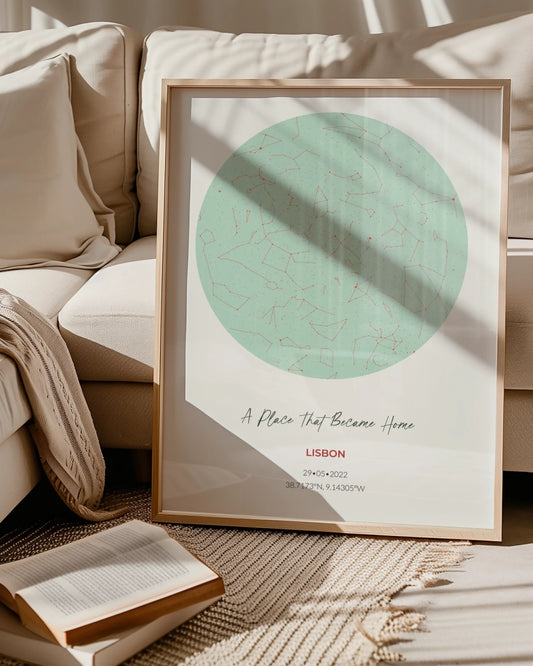

Role of Wall Art in Home Decor – Transforming Spaces
WallfullyOver 60 percent of American city dwellers want their living spaces to reflect individuality and emotional connection. A blank wall is more than empty—it is a missed opportunity to communicate personal style and spark meaningful conversations. Unique wall art lets young professionals and couples turn generic rooms into expressions of identity or memorable gifts. Discover how curated, customizable pieces can shape mood, add sophistication, and embody your story in every corner of your space.
Table of Contents
- Defining Wall Art’s Function In Home Decor
- Major Types And Styles Of Wall Art
- Emotional And Psychological Impact Of Art
- Personalization: Custom Art For Unique Spaces
- Placement Strategies For Visual Balance
- Common Pitfalls In Selecting Wall Art
Key Takeaways
| Point | Details |
|---|---|
| Function of Wall Art | Wall art is a vital medium for emotional expression, enhancing personal identity and transforming spaces into narratives that reflect individual experiences. |
| Types of Wall Art | Diverse styles, from traditional paintings to modern installations, allow homeowners to create visually compelling and emotionally resonant environments. |
| Emotional Impact | Selecting meaningful artwork can positively influence room atmosphere and mood, supporting emotional well-being and personal connection. |
| Placement Importance | Strategic placement of wall art is crucial for visual balance and effectiveness, enhancing the overall aesthetic of interior spaces. |
Defining Wall Art’s Function in Home Decor
Wall art serves far more than a decorative purpose in modern home design. These personalized elements transform empty spaces into narratives of individual identity, emotional expression, and aesthetic intention. Wall art’s fundamental function extends beyond mere visual appeal, acting as a crucial interface for communicating personal style and cultural perspectives within interior spaces.
At its core, wall art operates as a sophisticated design element that bridges aesthetic sensibility with emotional storytelling. By strategically selecting pieces that resonate with personal experiences, homeowners can create environments that reflect their unique journey. Whether through photographic memories, abstract representations, or curated prints, these visual narratives communicate complex personal identities in ways words cannot.
The psychological impact of wall art cannot be understated. Research demonstrates that carefully chosen artwork can significantly influence room atmosphere, mood, and perceived spatial dynamics. Professional interior designers understand that wall art functions as more than decoration - it serves as a critical tool for spatial transformation, capable of making rooms feel larger, more intimate, more energetic, or contemplative depending on the selected pieces.
Pro tip: When selecting wall art, choose pieces that not only complement your existing decor but also spark emotional connections and tell a part of your personal story.
Major Types and Styles of Wall Art
Wall art represents a diverse landscape of creative expression, offering numerous styles and formats to transform interior spaces. Multiple wall art types range from traditional paintings to innovative modern installations, each bringing unique aesthetic and emotional dimensions to home decor. These artistic expressions serve as powerful visual narratives that reflect personal taste, cultural background, and individual storytelling.
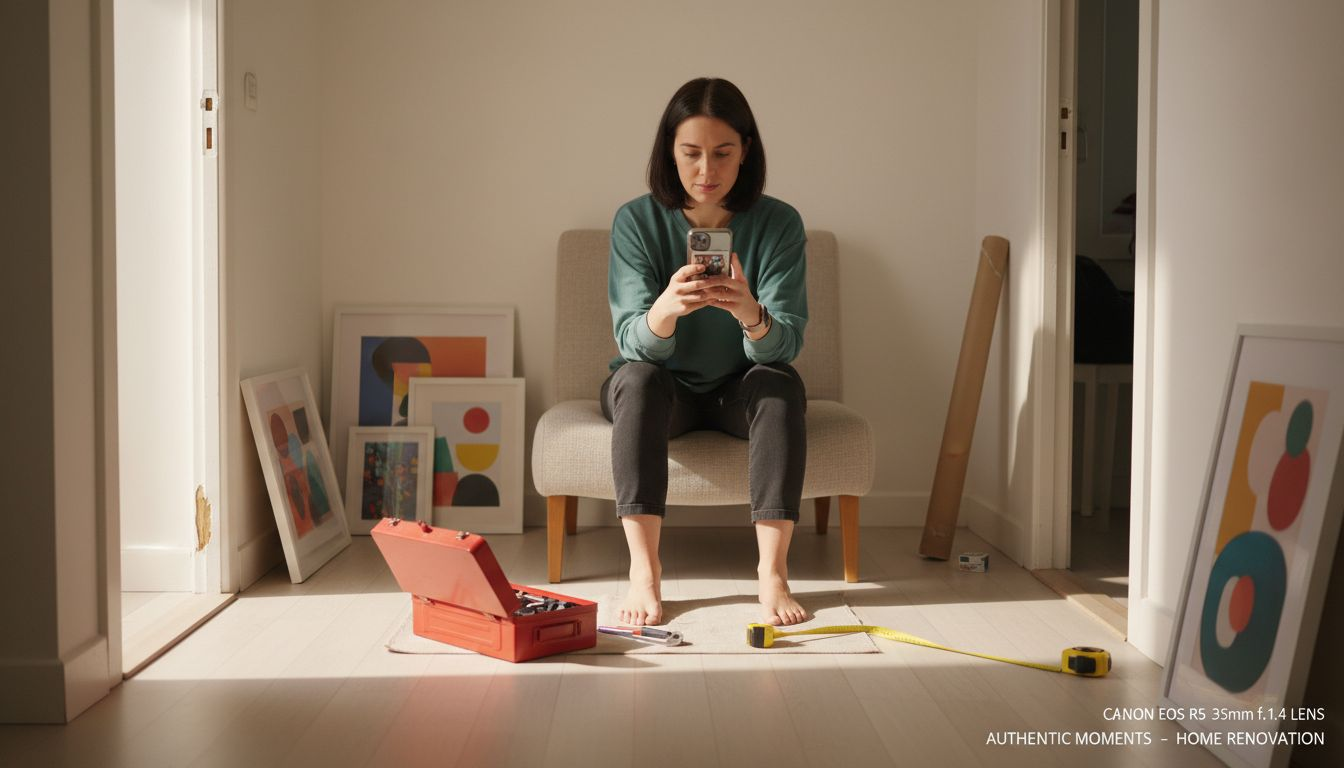
Traditional wall art styles include canvas paintings, photographic prints, and framed artwork, which remain timeless classics in interior design. More contemporary approaches embrace mixed media pieces, including abstract compositions, digital art prints, metal wall sculptures, and three-dimensional installations. Each style offers distinct visual textures and emotional resonance, allowing homeowners to curate spaces that feel deeply personal and authentically representative of their design sensibilities.
The versatility of wall art extends beyond visual aesthetics. Different styles can dramatically transform room dynamics - minimalist line drawings create serene, contemplative environments, while bold graphic prints inject energy and vibrancy. Types of custom wall decor enable individuals to move beyond generic decorations, crafting spaces that tell unique stories through carefully selected artistic elements. From vintage map prints to personalized family photo collages, these pieces become more than decorations - they become meaningful expressions of personal identity.
Pro tip: Mix different wall art styles and sizes to create visual depth and interest, ensuring your collection feels curated rather than uniform.
Here’s a summary of how major types of wall art contribute to interior spaces:
| Type of Wall Art | Visual Effect | Emotional Impact | Best Placement |
|---|---|---|---|
| Canvas Painting | Warm, classic ambiance | Comfort and nostalgia | Living room, hallway |
| Metal Sculpture | Modern, dynamic texture | Inspiration and energy | Entryway, office |
| Photographic Print | Realism, personal touch | Connection, memory | Bedroom, staircase |
| Abstract Art | Creative, eye-catching | Curiosity, reflection | Dining area, foyer |
| Mixed Media | Unique layered visuals | Intrigue, stimulation | Lounge, creative nook |
Emotional and Psychological Impact of Art
Psychological research on art experiences reveals profound connections between visual art and human emotional well-being. Art is not merely a decorative element but a powerful medium for emotional expression, psychological healing, and personal transformation. Each artwork carries the potential to evoke complex emotional responses, trigger introspection, and create meaningful connections with our inner landscape.
Neuroaesthetic studies demonstrate that art engagement activates multiple brain regions associated with emotional processing, empathy, and psychological restoration. Different art styles - from abstract compositions to realistic portraits - can induce varied emotional states, helping individuals process complex feelings, reduce anxiety, and enhance personal understanding. The visual language of art transcends verbal communication, offering a unique pathway for emotional exploration and psychological release.
Art’s neurological impact extends beyond immediate emotional responses. Regular interaction with meaningful artworks can contribute to long-term psychological resilience, fostering empathy, social connection, and personal growth. By curating wall art that resonates with personal experiences and emotional landscapes, individuals can create living spaces that continuously support mental well-being and provide ongoing emotional nourishment.
Pro tip: Select wall art that genuinely moves you emotionally, creating a personal sanctuary that reflects and supports your psychological journey.
Personalization: Custom Art for Unique Spaces
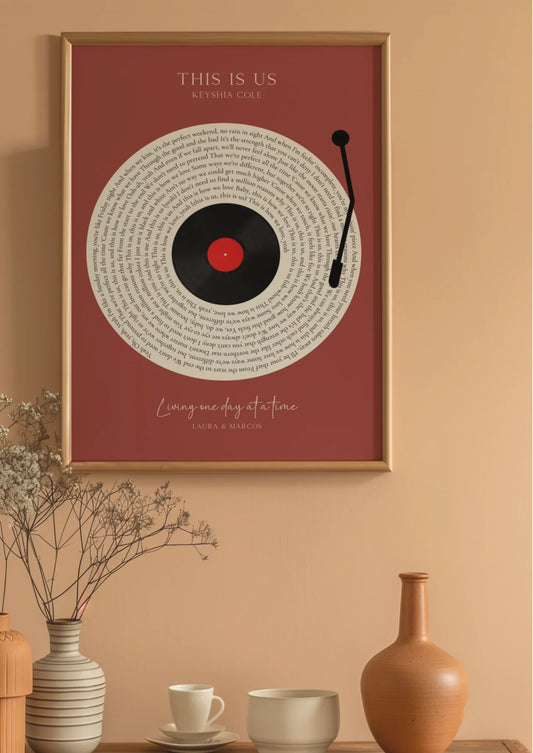
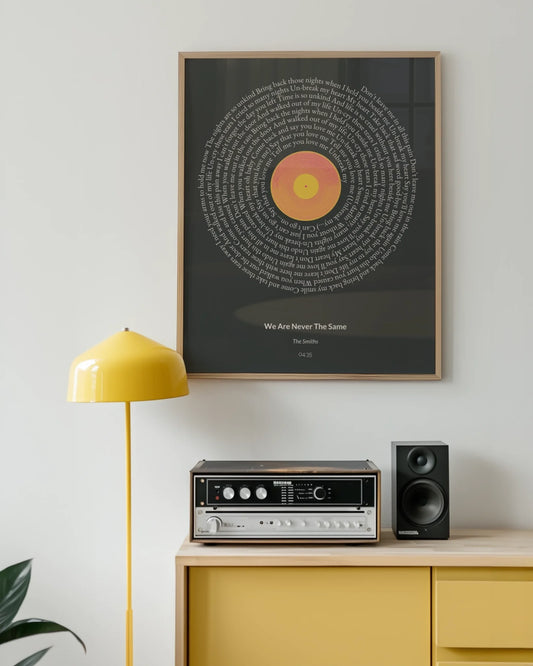
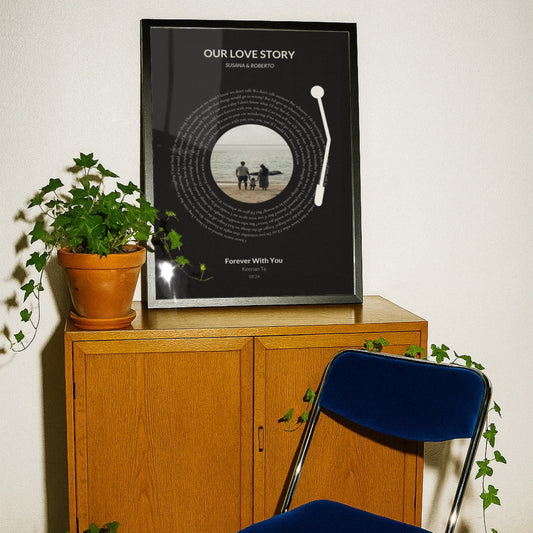
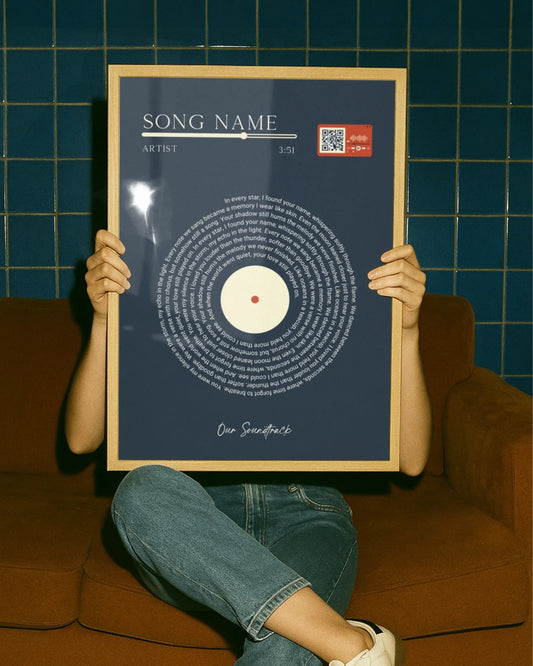
Personalized art transforms living spaces by creating deeply meaningful visual narratives that reflect individual experiences, values, and emotional landscapes. Custom wall art goes beyond traditional decoration, becoming a powerful medium for self-expression that turns blank walls into personal storytelling canvases. Each carefully selected piece becomes a window into personal identity, transforming ordinary rooms into extraordinary, intimate environments.
The process of curating personalized art involves thoughtful selection that resonates with individual aesthetic preferences and emotional connections. Custom pieces allow complete control over color palettes, themes, and stylistic elements, enabling homeowners to create visual compositions that authentically represent their inner worlds. Custom wall art options range from photographic memories and abstract representations to commissioned pieces that capture unique personal moments, ensuring each artwork tells a distinctive story.
Beyond aesthetic appeal, personalized wall art serves multiple psychological and social functions. These bespoke pieces act as conversation starters, spark emotional connections, and create focal points that invite curiosity and engagement. By supporting local artists and selecting artwork that genuinely reflects personal journeys, individuals can craft living spaces that continuously inspire, comfort, and represent their most authentic selves.
Pro tip: Choose custom wall art pieces that not only match your decor but also tell a story that is uniquely and deeply meaningful to you.
Placement Strategies for Visual Balance
Art placement principles are fundamental to creating harmonious and visually engaging living spaces. The strategic positioning of wall art transforms rooms from mere functional areas into curated, aesthetically pleasing environments. Understanding the nuanced approach to art placement involves considering multiple factors including room dimensions, furniture layout, lighting, and individual piece characteristics.
Professional designers recommend following specific guidelines to achieve optimal visual balance. The standard eye-level rule suggests hanging artwork between 57-60 inches from the floor, ensuring comfortable viewing and creating a natural focal point. When positioning art above furniture, maintaining appropriate spacing is crucial - typically 6-8 inches above sofas or console tables helps create a cohesive visual relationship between the artwork and surrounding elements. Art placement techniques also emphasize the importance of scale, recommending that artwork should occupy approximately two-thirds to three-quarters of the wall space above furniture to avoid appearing disproportionate.
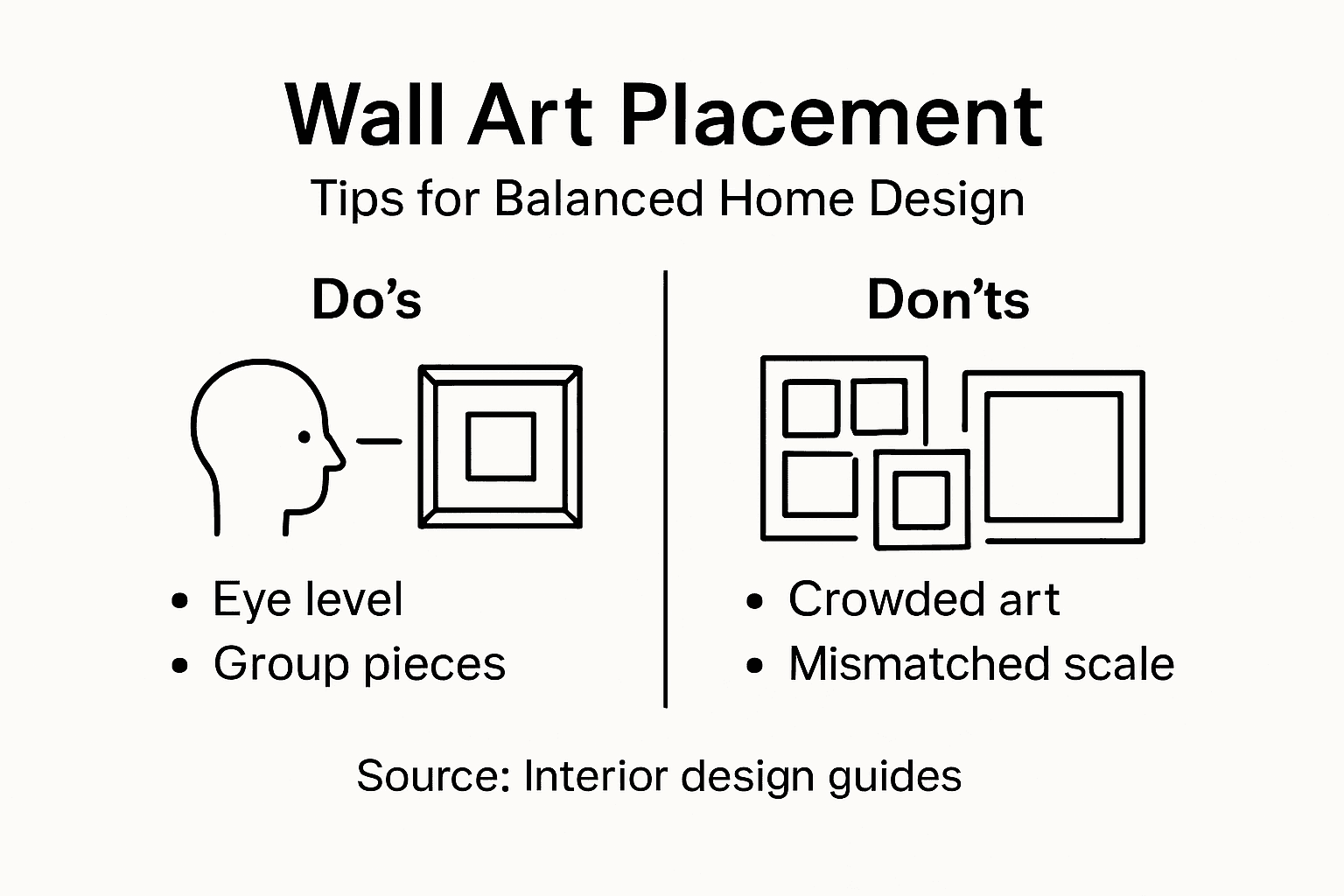
Creative placement strategies extend beyond traditional approaches. Experimenting with asymmetrical arrangements, gallery walls, and layered compositions can inject dynamic energy into spaces. Consider creating visual dialogue by grouping artworks with complementary colors, themes, or frames. Mixing different sized pieces, using unexpected angles, and playing with negative space can transform wall art from mere decoration into an intentional design statement that reflects personal creativity and aesthetic sensibility.
Pro tip: Use painter’s tape to map out artwork placement before hanging, allowing you to visualize the composition and make adjustments without damaging your walls.
Common Pitfalls in Selecting Wall Art
Wall art selection mistakes can dramatically undermine the aesthetic potential of your living spaces. Homeowners often unknowingly compromise their interior design by making critical errors in artwork selection that disrupt visual harmony and personal expression. Understanding these common pitfalls is crucial for creating intentional, meaningful wall decor that truly enhances room aesthetics.
Proportions and scale represent some of the most frequent challenges in wall art selection. Many individuals choose artwork that is either comically undersized or overwhelmingly large for their specific space. Wall decor mistakes frequently involve hanging small pieces on expansive walls, which creates a sense of emptiness, or selecting oversized art that dominates and overwhelms the room. Professional designers recommend that artwork should occupy approximately two-thirds to three-quarters of the wall space above furniture, creating a balanced and visually appealing composition.
Color coordination and style consistency are equally important considerations that homeowners often overlook. Selecting wall art without considering the existing color palette, furniture style, and overall room theme can result in jarring visual dissonance. This means avoiding artwork with colors that clash with existing decor, mixing incompatible artistic styles, or choosing pieces that feel disconnected from the room’s intended atmosphere. The goal is to create a cohesive visual narrative that feels intentional and harmonious, rather than a random collection of unrelated elements.
Below is a quick reference to common pitfalls and solutions for selecting wall art:
| Mistake | Consequence | Solution |
|---|---|---|
| Art too small for wall | Space feels empty | Choose correct proportions |
| Overly bold colors | Visual dissonance | Match room palette |
| Mixed conflicting styles | Lack of harmony | Maintain style consistency |
| Neglecting light sources | Artwork appears dull | Consider placement lighting |
Pro tip: Before purchasing wall art, take a photo of your room and digitally test potential pieces to visualize how they will integrate with your existing decor.
Elevate Your Home with Personalized Wall Art That Tells Your Story
Struggling to find wall art that truly reflects your personal journey and transforms your space emotionally and visually You are not alone Many homeowners face the challenge of selecting pieces that balance scale, style, and emotional impact while creating a cohesive and meaningful environment. This article highlighted how thoughtful wall art acts as a powerful storytelling medium that enhances mood and expresses identity This is where Personalized Wall Art – Custom Posters & Prints for any Occasion from Wallfully.com can make all the difference.
Discover a seamless way to customize your wall art with meaningful song lyric posters, photo collages, or even Star, Moon & Zodiac Maps – Custom Map Poster Collection that connect deeply with your experiences and interests. Every piece is crafted with quality and eco-friendly materials to transform your living space into a personal sanctuary. Act now to create unique art that not only complements your decor but also sparks emotional connections From easy previews to free shipping and satisfaction guaranteed, Wallfully.com simplifies turning blank walls into inspiring stories. Start exploring your custom design today at Wallfully.com.
Frequently Asked Questions
What is the importance of wall art in home decor?
Wall art enhances the visual appeal of a space while reflecting personal identity and emotional narratives. It serves as an essential design element that transforms empty walls into personalized storytelling canvases.
How does wall art impact the atmosphere of a room?
Carefully selected wall art can significantly influence the mood and perceived spatial dynamics of a room. It can make spaces feel larger, cozier, more energetic, or contemplative depending on the chosen pieces.
What are some tips for selecting wall art that complements my home?
Choose wall art that resonates with your personal experiences and emotional connections. Ensure it complements your existing decor in terms of color and style, and consider mixing different styles and sizes for visual depth.
How should I strategically place wall art for visual balance?
Hang artwork at eye level, typically between 57-60 inches from the floor. Maintain proper spacing above furniture (around 6-8 inches) and use creative arrangements like gallery walls or asymmetrical displays to enhance visual interest.