
The Role of Personalization in Interior Design
WallfullyTL;DR:
- Personalization in interior design reflects residents’ identities, routines, and stories, making spaces feel authentic and meaningful. It enhances emotional connection, functionality, and long-term satisfaction while requiring self-awareness and ongoing adjustment. True personalized spaces prioritize purpose over trend, with intentional choices that evolve with residents’ changing lives.
Personalization in interior design is the deliberate process of shaping a home’s aesthetic, layout, and function to reflect the specific identity, routines, and stories of the people who live there. This goes far beyond choosing a paint color you like. Research shows that personalization drives up to 40% more revenue for brands that embrace it, and the same psychological principle applies directly to how people experience their homes. When a space genuinely reflects who you are, it stops being just a place to sleep and becomes somewhere you actually want to be. Tools like Habitas.ai now make it possible to visualize personalized room concepts in seconds, lowering the barrier for anyone ready to start.
How does personalization shape interior spaces?
The role of personalization in interior design is most visible in how a space makes you feel the moment you walk in. Generic rooms can be attractive, but they rarely feel like yours. Personalized interiors create a sense of belonging that no showroom floor can replicate.
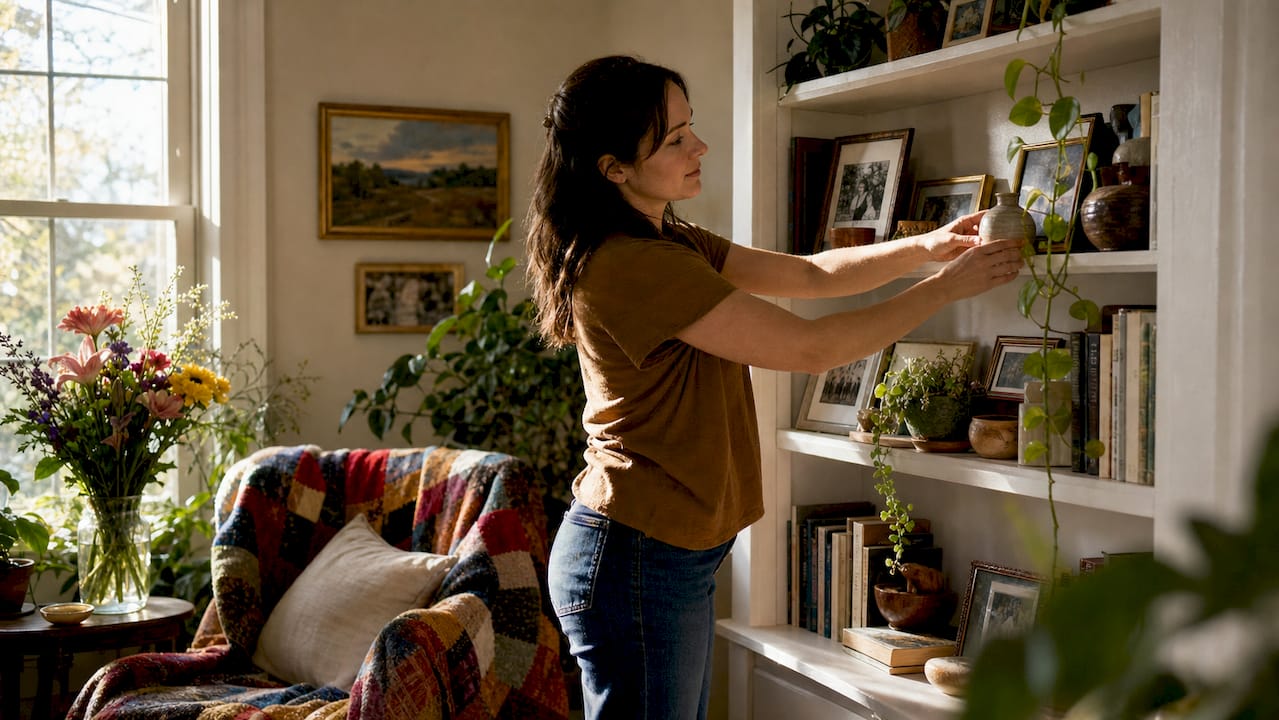
The psychological benefits are well documented. Spaces designed around your actual life reduce daily friction, support your routines, and reinforce your sense of identity. A reading nook positioned near natural light is not just a design choice. It is a statement that your habits matter. A gallery wall built around family photos and travel prints tells a story that a mass-produced canvas never could.
Here is what personalization actually delivers in a home:
- Emotional connection: Objects and layouts tied to personal memories generate a sense of comfort that generic decor cannot match. Explore how personalized decor builds connection with your space on a deeper level.
- Functional alignment: Furniture placement and storage solutions built around your real daily habits reduce stress and save time.
- Mood support: Color and lighting chosen to match your personality and emotional needs shape how you feel in every room, every day.
- Long-term satisfaction: Spaces that reflect your values age better than trend-driven rooms, which feel dated within a few years.
The risks of getting personalization wrong are real. About 1 in 5 consumers disengage after a poor personalization experience. In a home context, that translates to rooms you avoid, decor you resent, and spaces that feel like someone else’s idea of you.
Pro Tip: Before buying anything new, spend one week noticing which rooms you gravitate toward and which ones you avoid. That pattern tells you more about your real preferences than any mood board.
What sets personalized design apart from generic decorating?
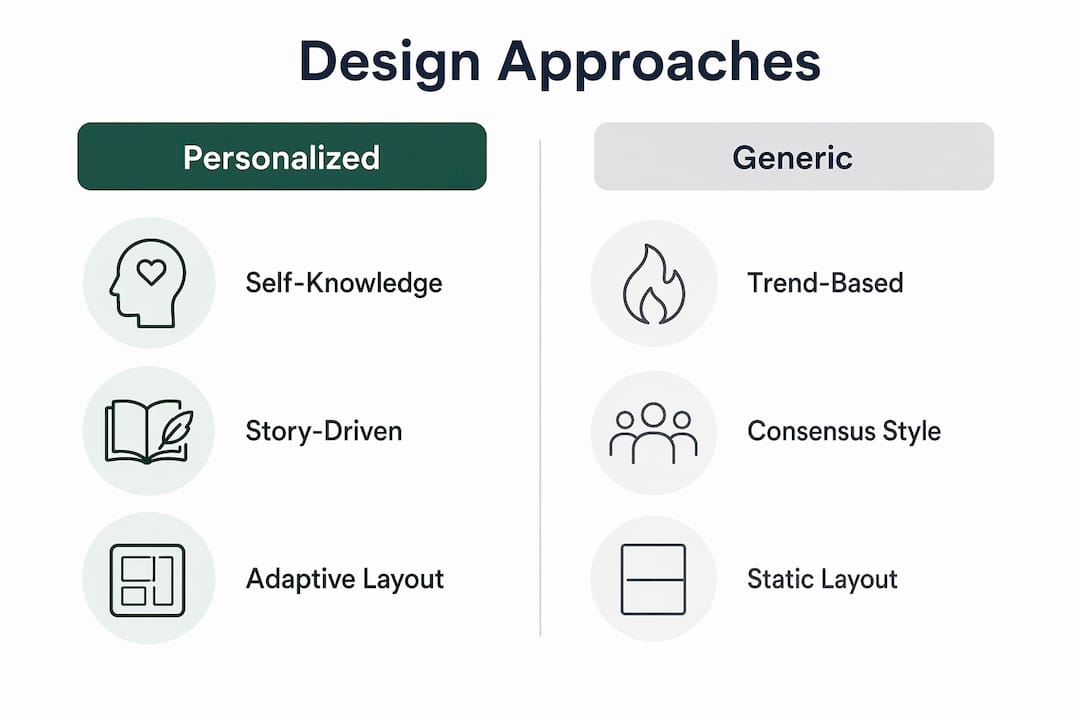
Interior designers use the term consensus decorating to describe the practice of filling a home with items that most people would find acceptable. Think neutral walls, matching furniture sets, and decor pulled straight from a catalog. The result is a space that offends no one and resonates with no one, including the person living in it.
True personalized interior design requires self-knowledge. Distinguishing your genuine aesthetic from current trends is the foundation of any design that lasts. Trends cycle every few years. Your actual preferences, the textures you find calming, the colors that energize you, the objects that carry meaning, those stay consistent far longer.
Bespoke pieces vs. standard showroom items
The table below captures the core difference between personalized and generic design approaches.
| Factor | Personalized Design | Generic Design |
|---|---|---|
| Starting point | Your habits, stories, and identity | Trend reports and catalog selections |
| Furniture selection | Custom or curated for your body and routines | Standard sizes and finishes |
| Color choices | Based on emotional response and lifestyle | Based on resale value or popularity |
| Decor objects | Carry personal meaning or memory | Chosen for visual appeal alone |
| Longevity | Evolves with you over time | Feels dated when trends shift |
Another key distinction is layout logic. Designers who track residents’ movement patterns and daily habits consistently produce more functional spaces than those who rely on aesthetics alone. If you always drop your keys on the kitchen counter because the entryway has no surface, the solution is a functional entryway table, not a reminder to be tidier.
Personalization also evolves. A home grows with its residents, absorbing new chapters of family history, changing routines, and shifting priorities. A room that worked perfectly for a couple in their thirties may need rethinking when children arrive or when a home office becomes permanent.
Pro Tip: Walk through each room and ask yourself why every object is there. If you cannot give a reason beyond “it filled the space,” it is a candidate for removal. Intentional curation always beats volume.
Which tools and methods help you personalize effectively?
Practical personalization does not require a professional designer or a large budget. It does require a clear process.
-
Observe your own patterns first. Spend a week tracking where you actually spend time, how you move through rooms, and what frustrates you daily. This data is more useful than any design quiz. Layouts built around observed habits outperform those built on preference alone.
-
Use AI visualization tools to test ideas fast. Habitas.ai generates photorealistic room designs in 15–60 seconds, complete with furniture placement, color schemes, and difficulty ratings for DIY execution. Testing a bold color or a furniture rearrangement digitally before committing saves both money and regret.
-
Choose color and light based on emotion, not resale. If deep navy walls make you feel calm and focused, that matters more than whether a future buyer will approve. Color and lighting are among the most powerful personalization tools available, and they are often the most underused because people default to safe neutrals.
-
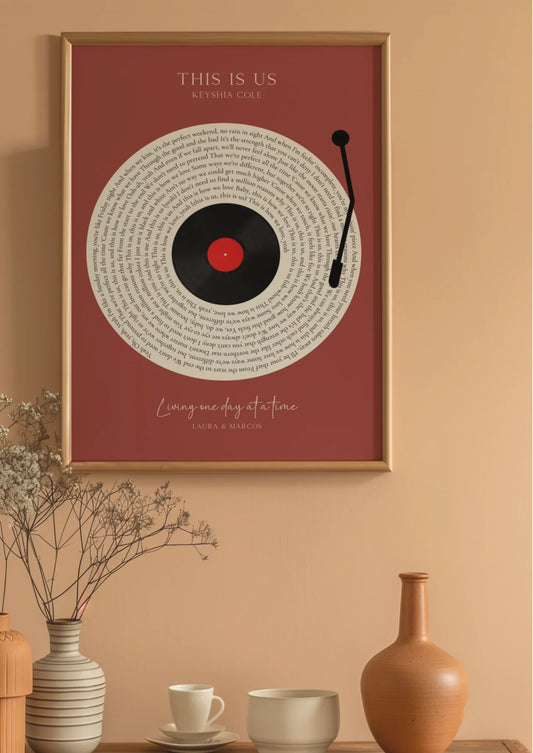
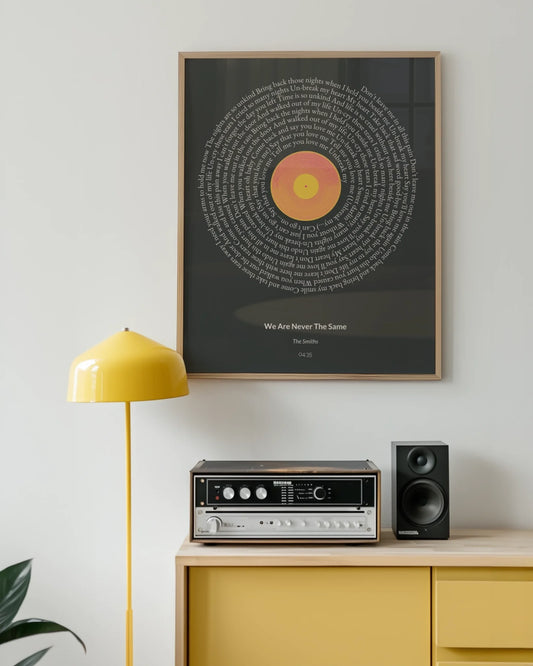
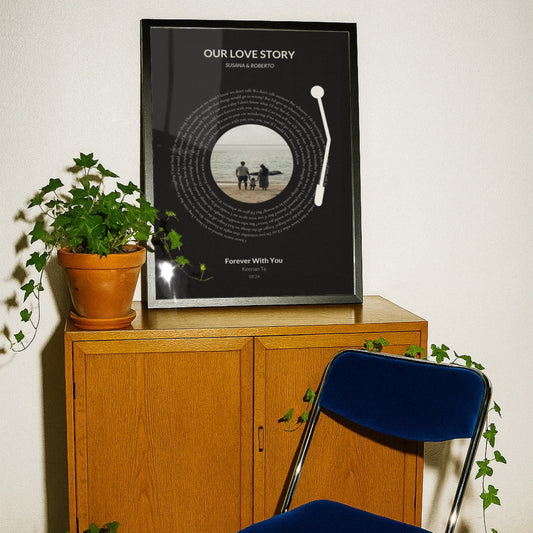
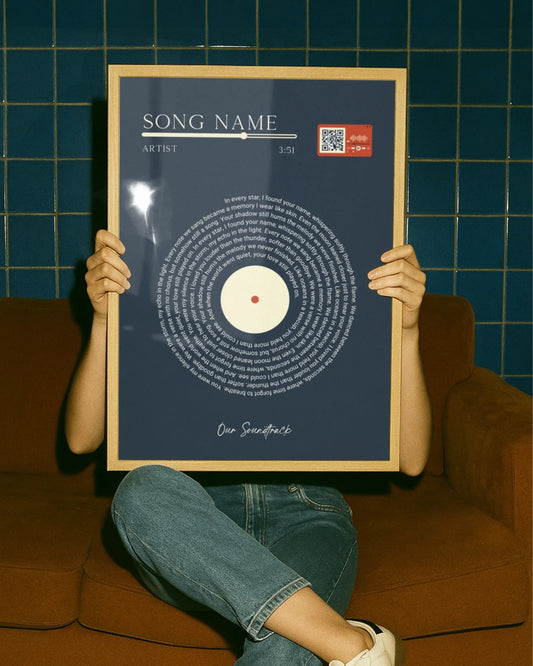
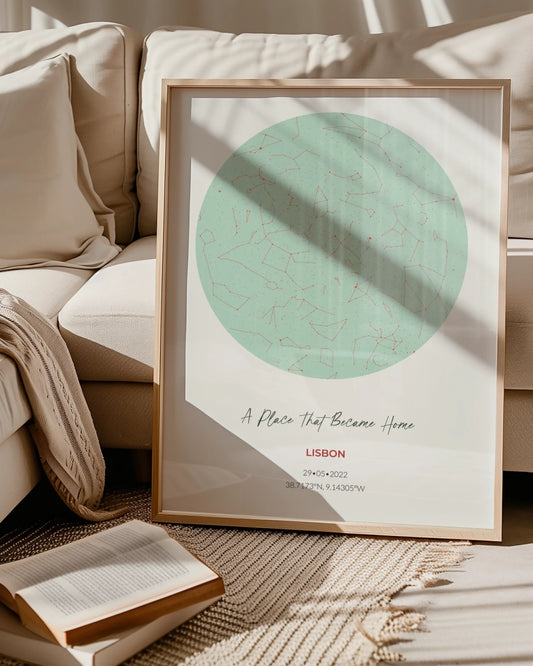
Commission or source custom art. A custom song lyric poster, a map print of a city that changed your life, or a photo collage of people you love carries meaning that a generic print cannot. These pieces become the visual anchors of a room.
-
Shop secondhand with intention. Vintage markets and estate sales are full of objects with history. A mid-century lamp or a hand-thrown ceramic bowl adds character that mass production cannot replicate. The key is buying because an item resonates, not because it is cheap.
-
Involve everyone who lives in the space. In shared homes, personalization means finding the overlap between different people’s preferences. A shared living room can honor multiple identities without becoming a compromise that satisfies no one. Assign zones, negotiate anchor pieces, and let individual rooms reflect individual personalities.
Pro Tip: When personalizing a shared space, identify three non-negotiable items for each person and build the room around those anchors. Everything else becomes flexible.
What pitfalls undermine personalized interior spaces?
Personalization fails when it becomes performance rather than reflection. The most common mistakes share a single root cause: choosing for appearance rather than meaning.
- Filling space without purpose. Buying decor to fill visual gaps produces cluttered rooms that feel busy but not personal. Every object should earn its place through function, memory, or genuine aesthetic preference.
- Chasing trends instead of identity. A room built around what is popular on social media this season will feel hollow within two years. Self-knowledge is the only durable foundation for design that lasts.
- Ignoring movement and use patterns. A beautiful reading chair placed in a corner with no natural light will never be used. Design that ignores how people actually live in a space fails regardless of how good it looks in photos.
- Treating personalization as a one-time event. Personalization is an ongoing process, not a weekend project. Life changes, and your home should change with it.
- Holding onto items that no longer fit. Intentional curation requires letting go of objects that once felt right but no longer reflect who you are. Keeping them out of guilt or habit dilutes the authenticity of the whole space.
The 71% loyalty lift that brands see from genuine personalization is a useful frame here. Authenticity drives connection. The same principle applies to your relationship with your home.
Key takeaways
Personalization in interior design works because it aligns a space with the real identity, habits, and stories of the people living in it, making every design choice meaningful rather than arbitrary.
| Point | Details |
|---|---|
| Start with self-observation | Track your daily movement and habits before making any design changes. |
| Authenticity outlasts trends | Spaces built around genuine identity stay satisfying far longer than trend-driven rooms. |
| Curation beats volume | Every object should have a reason to be there beyond filling visual space. |
| Personalization evolves | Revisit and refine your space as your life and priorities change over time. |
| Custom art anchors meaning | Pieces tied to personal stories, like maps or milestone prints, create emotional resonance generic decor cannot. |
Why personalization is the most honest design decision you can make
I have spent years watching people agonize over whether their home looks “right” by someone else’s standard. The question they rarely ask is whether it feels right to them. That shift in framing changes everything.
The spaces that stay with people, the ones they describe with genuine warmth years later, are never the ones that looked most like a magazine. They are the ones where the furniture was arranged around how the family actually lived, where the art on the walls told a real story, and where the color on the bedroom wall was chosen because it made the person sleeping there feel at ease.
Personalization is not a luxury reserved for people with large budgets or professional designers. It is available to anyone willing to pay attention to their own life. The observation step costs nothing. Knowing why you love a particular object, or why a room makes you tense, is free information that most people never stop to collect.
The balance between individuality and harmony is real, but it is not as difficult as it sounds. A space can be deeply personal without being visually chaotic. The key is intentionality. When every choice has a reason, the room holds together even when the pieces are eclectic. When choices are random, even expensive rooms feel unsettled.
Start small if the whole project feels large. One wall, one corner, one meaningful object placed with intention. That is enough to begin understanding what personalization actually feels like in practice. The rest follows naturally.
— Luanda
Start building a space that feels like you with Wallfully
Your walls are the largest canvas in your home, and they are often the most underused.
Wallfully makes it straightforward to turn that canvas into something genuinely yours. From custom song lyric posters and map prints to photo collages and milestone prints, every piece is built around details that matter to you: names, dates, locations, and moments worth remembering. The customization process is guided, with live previews so you see exactly what you are getting before you order. All orders ship free, and every print is produced on eco-friendly materials with a satisfaction guarantee. Whether you are decorating your own space or looking for a gift that actually means something, Wallfully gives you personalized wall art that no one else will have.
FAQ
What is personalization in interior design?
Personalization in interior design is the process of tailoring a home’s layout, decor, and function to reflect the specific identity, habits, and stories of its residents. It goes beyond aesthetic preference to include how people actually move through and use their space.
How does personalization affect how you feel at home?
Personalized spaces create a stronger sense of belonging and comfort because they reflect real memories, routines, and values. Research links authentic personalization to significantly higher satisfaction and emotional connection with a space.
What is the biggest mistake in personalizing a home?
The most common mistake is filling rooms with objects chosen for appearance rather than meaning. Spaces built around trends or visual gaps rather than personal identity feel hollow and become unsatisfying quickly.
Can renters personalize their spaces effectively?
Renters can personalize effectively through art, textiles, lighting, and furniture arrangement without making permanent changes. Custom wall art, removable prints, and curated objects create strong personal identity without touching the walls or floors.
How often should you update a personalized interior?
Personalization is an ongoing process rather than a one-time project. Revisit your space whenever a major life change occurs, such as a new job, a growing family, or a shift in daily routine, and adjust the design to match your current life.