
Customization Tips for Home Decor That Actually Work
WallfullyTL;DR:
- Most people struggle to turn inspiration into functional home decor that reflects their personal style.
- Custom-fit window treatments, furniture, rugs, and personalized art help create a cohesive space tailored to actual habits and space.
- Prioritizing projects based on usage and frustration levels, and layering meaningful objects, results in truly lived-in and enduring homes.
Most people spend hours scrolling through design feeds, save hundreds of photos, and still end up with a home that feels like nobody’s. The problem isn’t inspiration. It’s the gap between what looks good on screen and what actually works in your space. These customization tips for home decor are built to close that gap, helping you make deliberate, personal choices that stick around longer than any trend.
Table of Contents
- Key Takeaways
- 1. Evaluate your space and personal style first
- 2. Custom window treatments for light and proportion
- 3. Custom furniture shaped to your exact footprint
- 4. Custom-sized rugs to anchor every room properly
- 5. Commissioned art designed for your specific walls
- 6. Reupholstered and custom fabric seating
- 7. Testing paint colors in real light before committing
- 8. How to prioritize which projects to tackle first
- 9. Smart strategies to personalize beyond trends
- My honest take on customization versus trend-chasing
- Start building your personalized space with Wallfully
- FAQ
Key Takeaways
| Point | Details |
|---|---|
| Start with self-assessment | Understand how you actually use your rooms before spending money on any customization project. |
| Custom fit beats generic | Window treatments, rugs, and furniture sized to your exact space always outperform off-the-shelf alternatives. |
| Tactile testing matters | Always test paint samples and fabric swatches in real lighting before committing to any color or material. |
| Layer intentionally | Begin with one quality investment piece, then add personal touches around it for a cohesive look. |
| Personalized art anchors a room | Custom wall art designed for your specific space delivers more visual coherence than generic prints. |
1. Evaluate your space and personal style first
Before you buy a single thing, spend time understanding how each room actually functions in your daily life. Walk through your home at different times of day. Notice where clutter collects, which corners you avoid, and which spots you gravitate toward. Those patterns tell you where customization will deliver the most payoff.
Once you understand your habits, look at the bones of the space. Identify the architectural features worth highlighting. A bay window, original molding, or exposed brick wall deserves to be worked with, not covered up. Your decor customization ideas should grow from what is already there, not fight against it.
Discovering your authentic style takes more honesty than most people expect. Ask yourself what objects and spaces have made you feel genuinely at home, not just impressed. Pull from memory as much as from inspiration boards. The rooms you remember fondly from childhood, a hotel stay that felt right, a friend’s apartment that you never wanted to leave. These are clues to your real preferences.
- Write down three words that describe how you want your home to feel, not how it should look
- Gather physical samples of fabrics, paint chips, and textures that appeal to you
- Note which existing pieces you love and would keep no matter what
- Identify one room that frustrates you most and start your planning there
Pro Tip: Online design trends often fail in real spaces because they are built for photography, not for living. Close the apps occasionally and spend time in your actual home to understand what it needs.
2. Custom window treatments for light and proportion
Ready-made curtains come in a handful of standard sizes that rarely match actual windows. The result is panels that pool awkwardly, hang too short, or bunch at the sides. Custom window treatments tailored to your exact measurements improve the room’s visual height, soften the light, and make the whole space feel more considered.
The fabric choice matters just as much as the fit. Linen gives a relaxed, lived-in texture. Velvet absorbs sound and adds warmth. Blackout lining transforms a bedroom without touching the walls. When you order custom, you get to decide all of it. That control is what makes window treatments one of the most rewarding early investments in any personalized home design project.
Pro Tip: Hang your curtain rod at least four inches above the window frame and extend it six to twelve inches beyond each side. The window looks larger, the ceilings feel taller, and the fabric drapes without blocking natural light.
3. Custom furniture shaped to your exact footprint
Most living rooms have at least one piece of furniture that almost fits. A sofa that is two inches too wide. A shelving unit that leaves an awkward gap. Off-the-shelf items are designed for imaginary average spaces, not yours. Custom furniture addresses those spatial inefficiencies in ways that store-bought pieces simply cannot, giving you both the exact dimensions you need and the style you want.
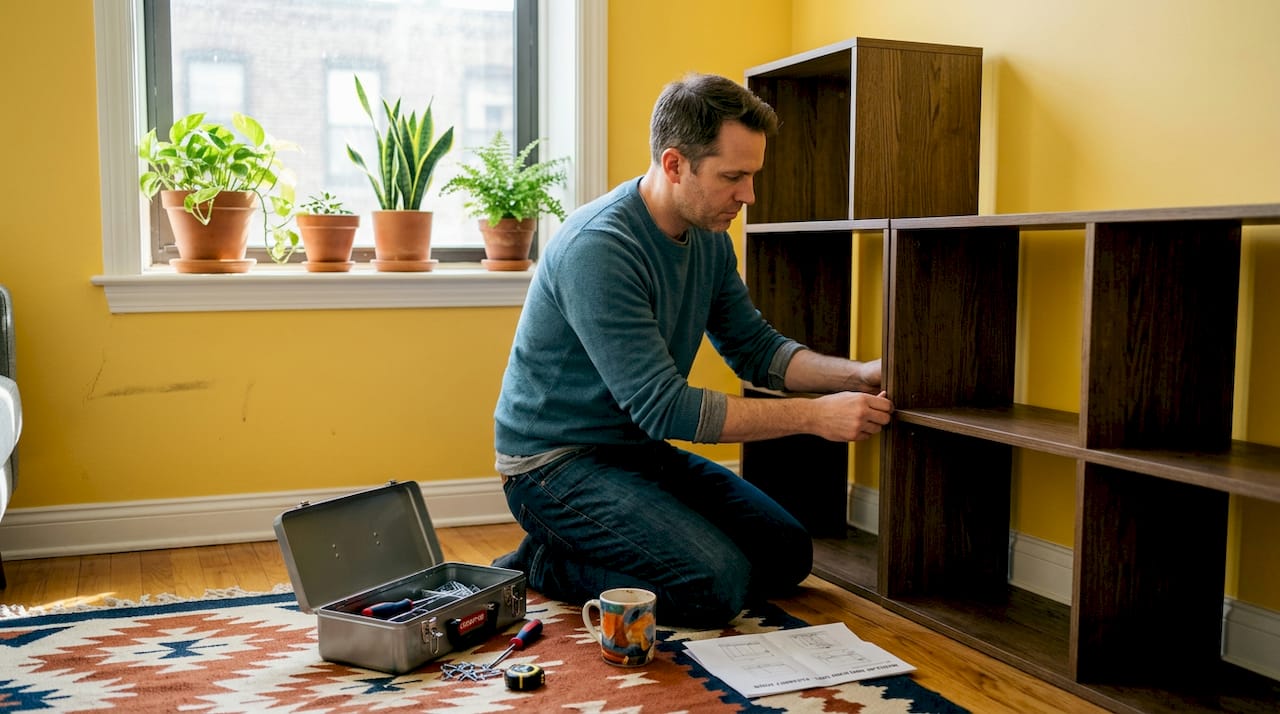
Custom does not have to mean expensive or slow. Many local cabinet makers and furniture workshops can build simple pieces like storage benches, bookshelves, or platform beds at prices competitive with mid-range retail. The difference is that what they build will fit your room perfectly and last considerably longer because it is made to your specifications, not a mass-market guess.
4. Custom-sized rugs to anchor every room properly
A rug that is too small for a space visually shrinks the room and makes furniture arrangements look accidental. Investing in a correctly sized rug is one of the highest-impact, most underrated decor customization ideas available to any homeowner or renter.
When selecting materials, wool is the clear choice for custom rugs. Wool resists crushing and softens naturally over time, meaning it looks better after five years of use than most synthetic alternatives look after one. For a dining room, the rug should extend at least 24 inches beyond the table on all sides so chairs stay on the rug when pulled out. For a living room, front legs of all major seating pieces should sit on the rug at minimum.
5. Commissioned art designed for your specific walls
Generic art prints can work, but art commissioned or customized for your actual wall space, your color palette, and your personal references creates something no one else has. Custom art improves visual coherence far more than repurposed or mass-produced artwork because it was made to belong in your home.
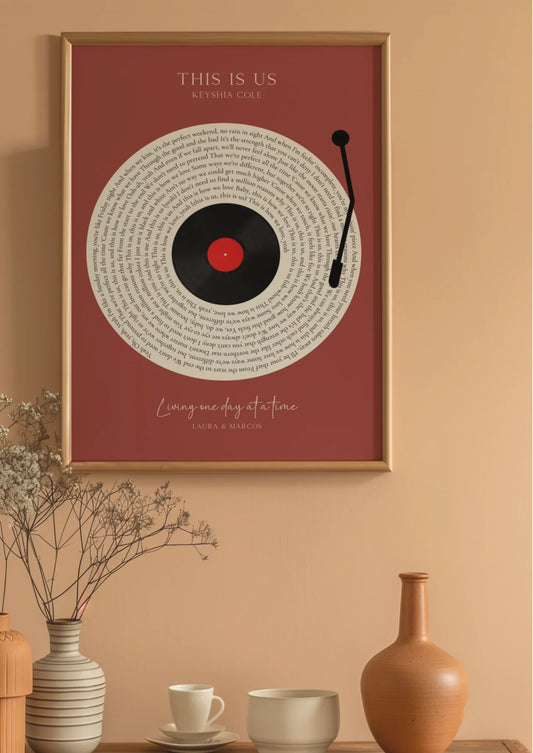
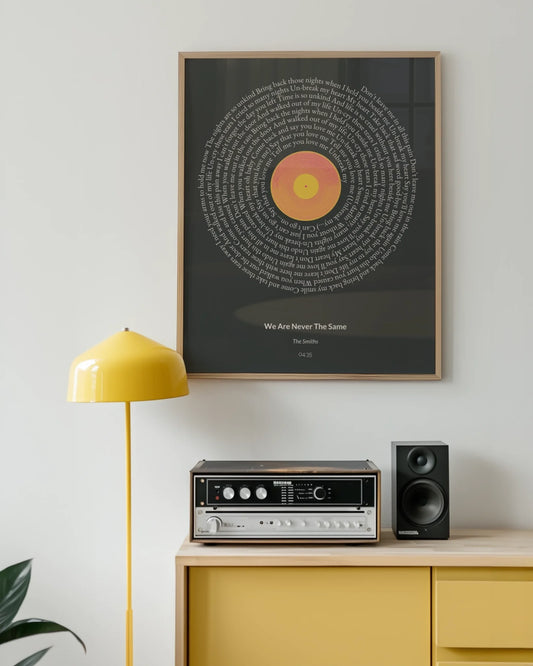
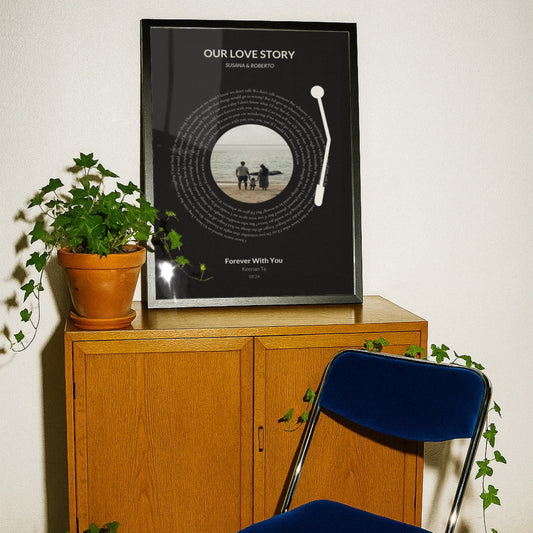
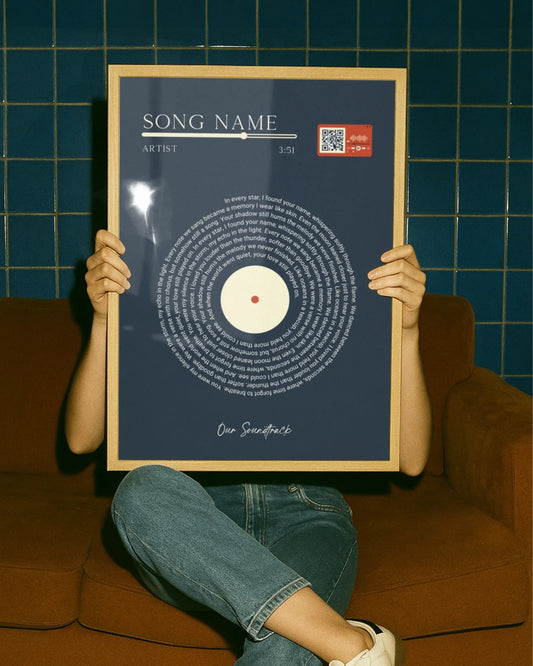
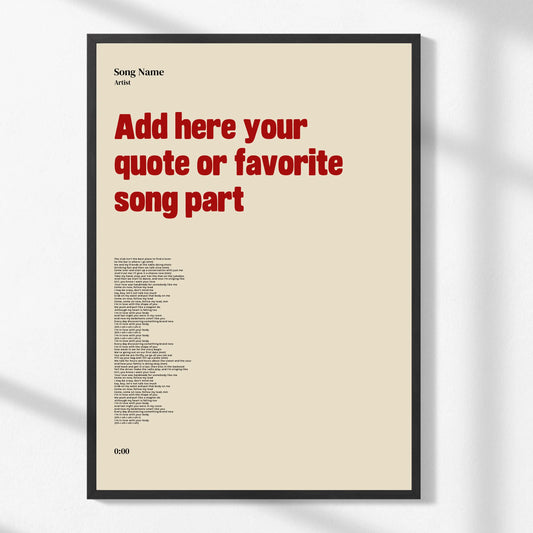
This is where personalized wall art from Wallfully fits naturally into any customization plan. A song lyric print using the first song you danced to, a custom map of the city where you met your partner, or a photo collage of the moments that define your family. These are not just decorative. They are contextual. Visitors ask about them. You notice them every day. That is what art in a home is supposed to do. You can explore custom wall decor ideas to find the right format for your walls.
6. Reupholstered and custom fabric seating
Before you replace a worn sofa or dining chair, consider reupholstering. A well-built frame with tired fabric is worth saving. New fabric refreshes the piece, and because you choose the material yourself, you can tie it directly into the color story of the room. This is one of the most budget-conscious customization tips for home decor and one that most people overlook entirely.
Reupholstery also opens the door to upgrading comfort. Replacing foam cushions with higher-density alternatives while you have the piece apart costs relatively little extra and transforms how the furniture feels. If you want to go further, consider mix-and-match upholstery: one fabric for the seat, another for the back, coordinating welting. The result feels custom because it genuinely is.
7. Testing paint colors in real light before committing
Lighting direction drastically alters paint color perception, which is why a color that looked perfect on the swatch card can turn muddy or cold on your north-facing wall. Always test paint samples in large patches, at least 12 by 12 inches, and check them at morning, midday, and evening light before buying a full gallon.
This is especially true for whites and neutrals. What reads as a clean white in the store can become lavender or peach on your wall depending on the light source and surrounding colors. Spend the time and the few dollars on samples. It is far less costly than repainting an entire room twice.
Pro Tip: Paint your test swatches on a piece of foam board rather than directly on the wall so you can move them around the room and hold them next to furniture and fabrics throughout the day.
8. How to prioritize which projects to tackle first
Not every customization project delivers equal value. The way to prioritize is to cross-reference two things: how much time you spend in the room and how much the current setup frustrates you. High use plus high frustration equals the project that deserves your budget first.
| Room | Daily use level | Main pain point | Suggested first project |
|---|---|---|---|
| Living room | High | Furniture does not fit well | Custom sofa or sectional sizing |
| Bedroom | High | Light control and privacy | Custom blackout window treatments |
| Home office | High | Storage and layout inefficiency | Custom shelving or built-in desk |
| Dining room | Medium | Rug too small | Custom-sized wool rug |
| Guest room | Low | Generic and impersonal | Personalized wall art |
Phased implementation protects your budget without stalling your progress. Pick one or two high-impact projects per quarter. A bedroom transformation covering new colors, wall treatments, and furniture updates can be achieved within about $1,500 over eight weeks with careful planning. That proves meaningful change does not require a full renovation budget.
Pro Tip: Avoid spending money on temporary fixes in rooms you plan to overhaul soon. Cheap stopgaps create visual clutter and rarely get removed once installed. Save the budget for the permanent version.
9. Smart strategies to personalize beyond trends
A physical collection of tactile swatches and meaningful objects informs genuine personalization better than any amount of digital saves. Pull together fabric samples, paint chips, postcards, photographs, stones, and anything else that resonates with you physically. Pin them to a board. Sit with it. Add and remove things over days or weeks. What stays is your real aesthetic, not the one the algorithm served you.
Intentional layering starts with one strong investment piece and builds outward. Choose a sofa, a rug, or a piece of art that you genuinely love and spend real money on it. Then add personal touches around it at a slower pace. Books you have actually read, objects from places you have visited, textiles that have a story. This approach leads to rooms that feel curated and inhabited rather than staged.
“The best-decorated homes feel lived in. They reflect the people who actually occupy them every single day, not the version of themselves those people wish to project.”
Design experts consistently argue that homes should be actively lived in and enjoyed rather than preserved for occasions that never come. Use the good dishes. Put art where you will see it from the couch. Let the sofa get a little worn from actual use.
Pro Tip: Before buying a new decor piece, live with the empty space for two weeks. You will often realize the space does not need what you thought it did, or you will know exactly what belongs there.
My honest take on customization versus trend-chasing
I have spent years looking at how people actually decorate versus how they think they should decorate, and the gap is striking. So many homeowners buy what they think will photograph well or impress guests and then quietly ignore those rooms because nothing in them reflects who they actually are.
The most satisfying spaces I have encountered have almost nothing to do with trends. They have a handmade ceramic bowl from a market in Santa Fe. They have the chair reupholstered in a fabric the owner fell in love with ten years ago. They have personalized art on the walls that means something specific to the people living there.
The advice I keep coming back to is this: stop optimizing for the opinion of someone who does not live in your home. Your decor decisions should pass the test of daily life, not the test of a comment section.
Tactile patience is underrated. The homeowners who build the most genuinely appealing spaces are the ones who wait for the right thing rather than filling every spot quickly. Imperfection is fine. An unfinished corner is better than a corner filled with something that was always meant to be temporary but never moved.
Start with one room. Make one real change based on how you actually live there. Then notice how it feels.
— Luanda
Start building your personalized space with Wallfully
If you are ready to move beyond generic prints and put something genuinely yours on your walls, Wallfully is the place to start. The platform lets you create custom posters and personalized wall art built around your details. Song lyrics from a song that matters to you, a map of a city that holds a memory, a photo collage of the people and moments you want to see every day.
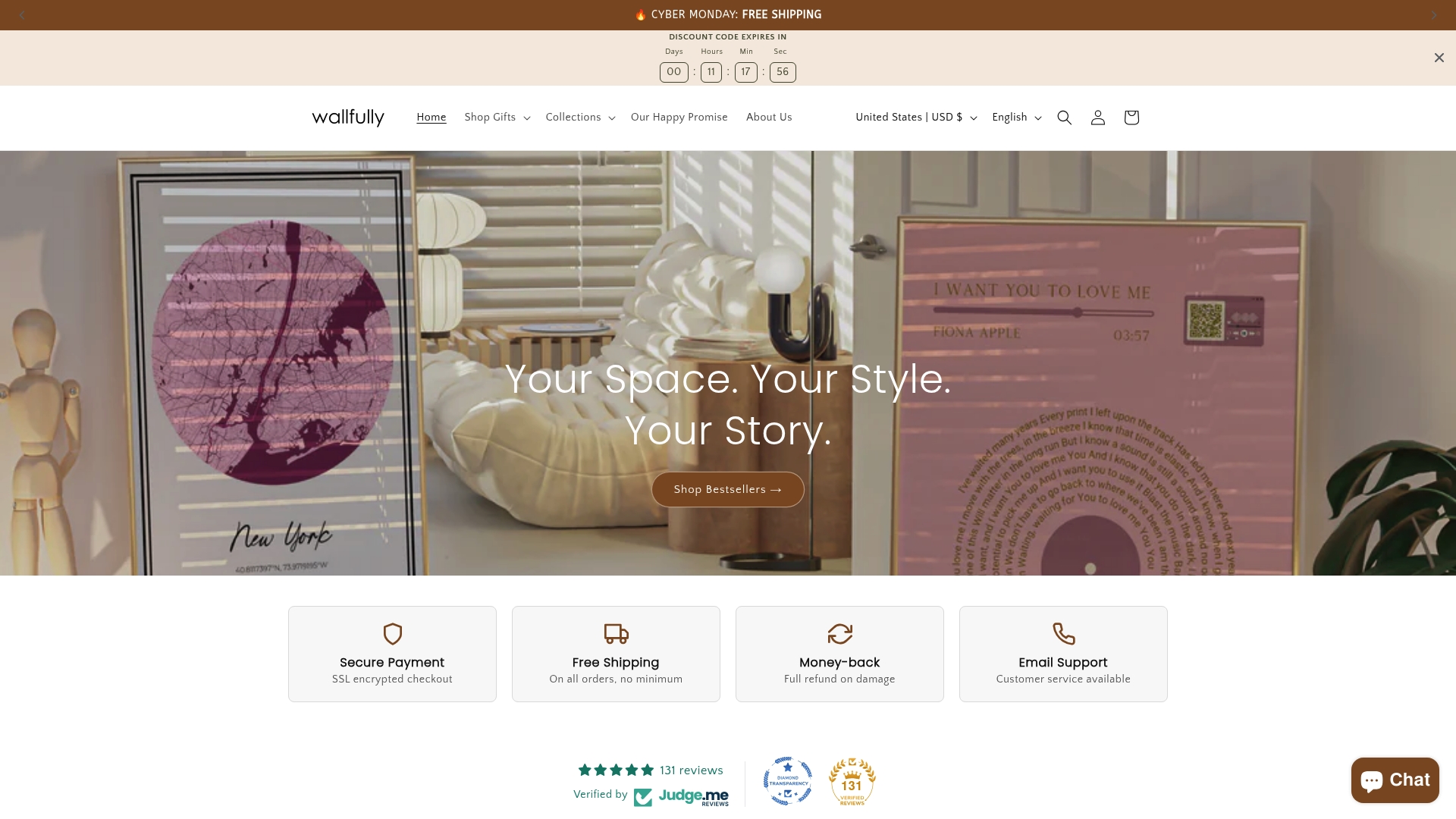
Every print is made with high-quality, eco-friendly materials and ships free. The customization process includes a live preview so you see exactly what you are getting before you order. Whether you are decorating a bedroom, home office, or living room, Wallfully has types of personalized decor to fit your space and your story. Browse the collections at Wallfully.com and find the piece that belongs on your wall.
FAQ
What are the best customization tips for home decor on a budget?
Focus on high-use, high-frustration rooms first. A correctly sized rug, custom window treatments, and personalized wall art deliver strong visual impact without requiring a full renovation.
How do I find my personal decorating style?
Build a physical collection of textures, fabrics, and objects that resonate with you rather than relying on digital mood boards. What you keep returning to physically reflects your authentic preferences more accurately than saved posts.
Is custom furniture worth the cost compared to store-bought?
Custom furniture addresses the spatial inefficiencies that standard sizing creates, resulting in better function and a longer lifespan. For high-use rooms, the investment typically pays off over time through durability and fit.
How do I choose the right paint color for my room?
Test paint samples in large swatches and check them under morning, midday, and evening light. Window direction significantly affects how colors read on your walls, so always test before committing to a full room.
Can renters use these home decor customization ideas?
Yes. Many of the most effective tips, including custom rugs, personalized wall art, reupholstered furniture, and removable window treatments, require no permanent changes and work equally well for renters.