
Wall Art Collections: Personalizing Your Space
WallfullyWalking into a new home or apartment, many American young professionals quickly realize that blank walls feel impersonal. Personalizing your space with a thoughtful wall art collection is more than décor—it is visual storytelling that expresses identity and creativity. Modern views on art highlight the importance of expression, creativity, and feeling, making curated artwork a meaningful way to connect with your environment and leave a lasting impression for guests or as a unique, heartfelt gift.
Table of Contents
- Defining Wall Art Collections And Concepts
- Types Of Wall Art For Personal Spaces
- Key Features And Customization Tools
- Choosing Pieces That Reflect Your Style
- Common Mistakes In Collecting Wall Art
Key Takeaways
| Point | Details |
|---|---|
| Intentional Collections | Wall art collections should be curated intentionally to express your personality and emotional resonance, rather than serving as random decorations. |
| Diverse Art Types | Explore various forms of wall art such as photography, paintings, and text-based art that resonate personally and suit your space. |
| Customization Importance | Utilize customization tools effectively to ensure your chosen pieces reflect your style, integrating color, layout, and personal significance. |
| Avoid Common Mistakes | Consider factors like size, quality, and cohesiveness when purchasing art to prevent impulsive buying and ensure a harmonious collection. |
Defining Wall Art Collections and Concepts
Wall art collections aren’t just about hanging pictures on your walls. They represent a curated selection of pieces that work together to express who you are and how you want to feel in your own space. Think of them as visual storytelling. Each piece contributes to a larger narrative about your personality, interests, and design preferences. A wall art collection can include anything from photographs and abstract paintings to custom posters, maps, and meaningful text displays. What makes them a “collection” rather than random decorations is intentionality. You’re choosing pieces that connect to each other either through color, theme, style, or emotional resonance.
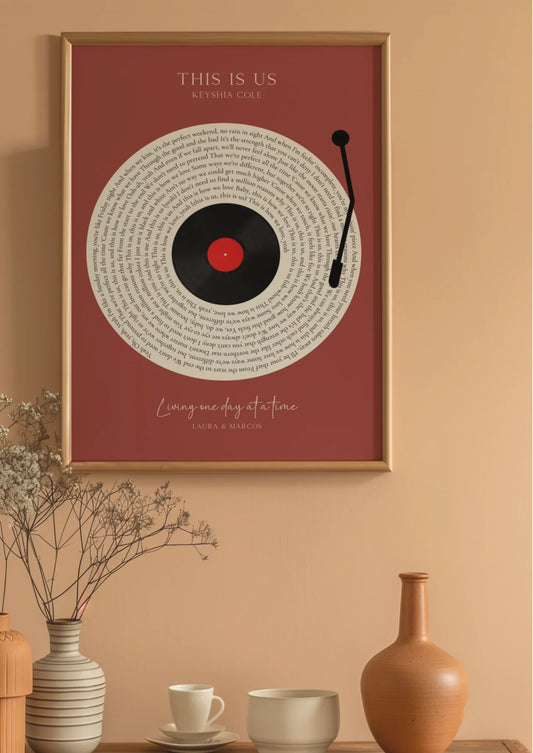
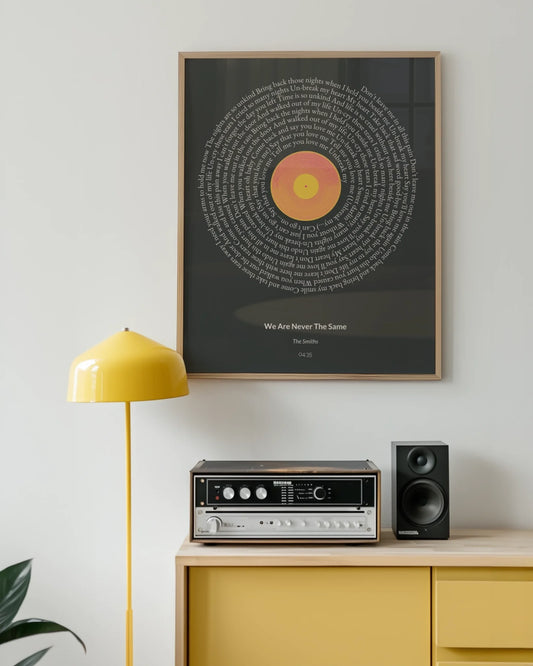
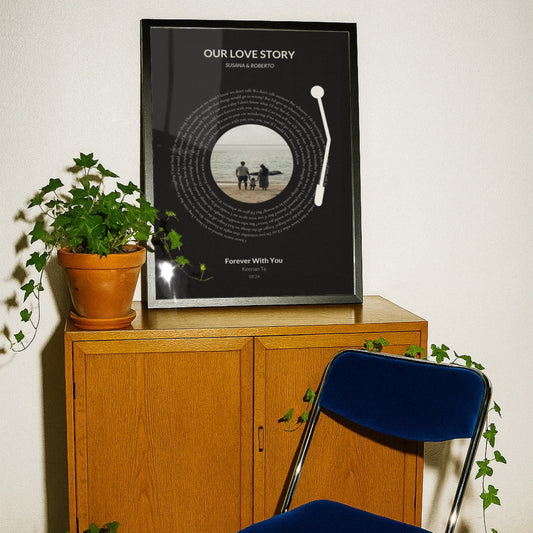
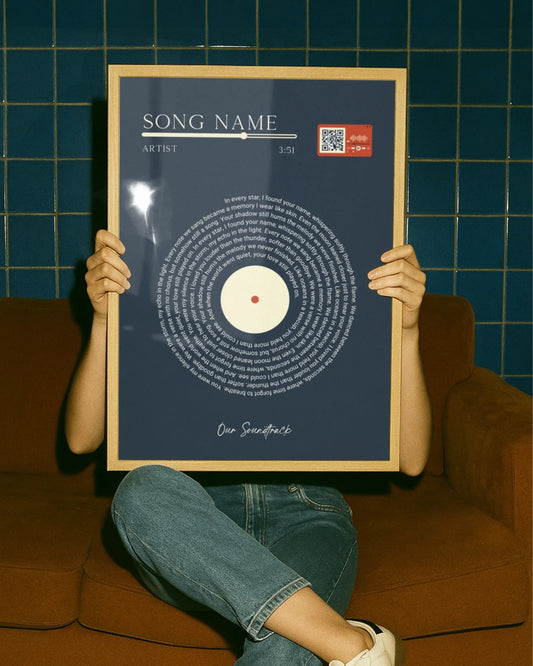
At their core, wall art collections tap into something fundamental about human creativity. The concept of art itself has shifted significantly over time, moving beyond gallery walls into everyday spaces where ordinary people make artistic choices. Modern definitions of art emphasize expression, creativity, and feeling as central elements, which explains why personalizing your walls matters so much. Your collection doesn’t need to follow traditional art world rules. Instead, it should reflect what moves you. A custom poster with your favorite song lyrics, a map marking places you’ve traveled, your zodiac sign, or a photo collage capturing important moments in your life all qualify as art when they hold meaning for you. What matters is that you’ve chosen these pieces deliberately to create an environment that feels authentically yours.
The beauty of wall art collections lies in their flexibility and personal nature. Unlike furniture or permanent design elements, your collection can evolve with you. You can add new pieces, rotate what’s displayed, or shift your entire direction based on your current interests. For someone moving into their first apartment or home, building a collection means gradually defining your aesthetic while your tastes develop. New homeowners often discover that their space’s personality grows organically as they add pieces over time. Young professionals juggling careers and personal lives appreciate collections because they offer a tangible way to express individuality without requiring major renovations or long-term commitments. A well-designed wall art collection transforms bare walls into a reflection of what you value and who you are, making your space feel less like a temporary place and more like home. When you create a wall art collection with intention, you’re not just decorating, you’re establishing an environment where you actually want to spend your time.
Pro tip: Start your collection by identifying 3-5 pieces that genuinely excite you, then build around their common colors, themes, or styles rather than trying to plan everything at once.
Types of Wall Art for Personal Spaces
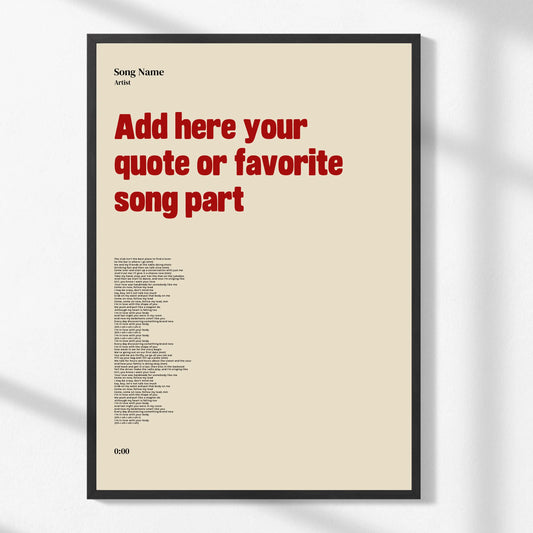
Wall art comes in countless forms, and the best type for your space depends on what resonates with you personally. The most common categories include photography, paintings and prints, maps and travel art, text-based art, photo collages, and mixed media pieces. Each type offers a different way to express yourself and create mood in your room. Photography allows you to showcase meaningful moments. Whether it’s a black and white portrait, a landscape from a place you love, or candid moments with people who matter, photographs bring authenticity and personal history to your walls. Paintings and prints range from abstract pieces that evoke emotion through color and form to figurative artwork that tells a specific story. Maps work beautifully for travel enthusiasts, marking destinations you’ve visited or places on your bucket list. Text-based art, like custom song lyrics, meaningful quotes, or your family name, turns words into visual statements. Photo collages combine multiple images into one cohesive piece, perfect for celebrating relationships or documenting different chapters of your life. Mixed media pieces blend various materials and techniques, creating depth and visual interest that draws the eye.
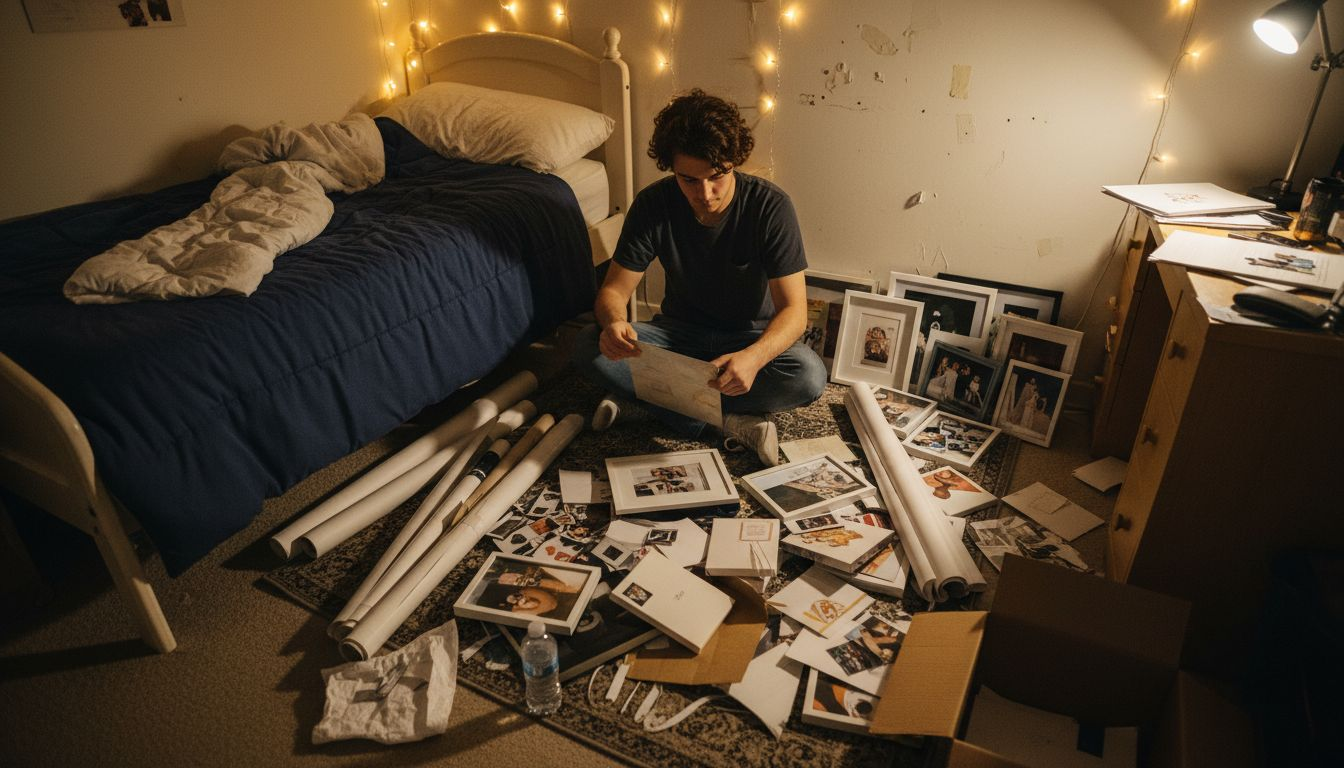
When thinking about what works for your personal space, consider how artists express identity through different art forms, including photography, painting, and mixed media. Your choice should reflect themes that matter to you. Some people gravitate toward pieces that showcase their hobbies or passions, like artwork celebrating their love of travel, music, books, or sports. Others prefer abstract or minimalist designs that create a calming atmosphere. Still others choose personalized pieces that commemorate important life events like graduations, new homes, engagements, or the birth of a child. The key is selecting types of wall art that align with your values and the feeling you want your space to convey. A young professional might prefer sleek, motivational prints in a living room where clients visit, while the same person might display vibrant, playful art in a bedroom for personal enjoyment.
Your space itself influences which types work best. In smaller rooms, fewer pieces with bold impact often work better than many small items. In larger spaces, you can mix multiple types together, creating visual interest through variety. Consider also the colors in your existing furniture and the lighting in each room. Some types like photography and maps work in virtually any setting, while abstract paintings need enough wall space to showcase their scale. Text-based art should be large enough to read comfortably from a distance. Don’t feel limited to just one type either. Many successful personal collections combine photography with maps, or text art with abstract prints, creating layered displays that tell richer stories about who you are. The diversity of art forms available means you can match your personal aesthetic perfectly.
Pro tip: Start by choosing one primary type of wall art that excites you, then add complementary pieces gradually rather than trying to fill all your walls at once.
Here’s a quick guide to art types and where they work best:
| Art Type | Best Room Placement | Ideal For Personalities |
|---|---|---|
| Photography | Living room, hallway | Memory keepers, storytellers |
| Abstract Painting | Large open spaces | Creatives, emotion seekers |
| Text-Based Art | Entryway, office | Motivated, expressive |
| Maps & Travel Art | Bedroom, office | Adventurers, explorers |
| Photo Collage | Family room, bedroom | Sentimental, social |
| Mixed Media | Gallery wall, studio | Eclectic, artistic |
Key Features and Customization Tools
Modern wall art customization goes far beyond picking a frame color. Today’s platforms offer robust features that let you truly personalize every aspect of your pieces. The most powerful customization tools include name and date personalization, color selection, layout control, text and typography options, and preview functionality. When you’re creating a custom poster or print, you start with a base design, then layer in your personal details. Want a map marking your favorite cities? You can select which locations to highlight and choose your color scheme. Creating a song lyric poster? You pick the exact lyrics, choose fonts that match your style, adjust the layout, and preview exactly how it will look before ordering. Photo collages let you upload multiple images, arrange them in different configurations, and add text overlays or frames. Zodiac or milestone prints let you input names, dates, and even select color palettes that complement your existing decor. The ability to see a preview before purchase removes guesswork entirely. You’re not ordering something hoping it looks good. You’re ordering something you’ve already visualized in your space.
Beyond individual customization, the best wall art platforms emphasize how selecting pieces that reflect your personal narratives creates stronger connections to your space. Customization tools should help you make meaningful choices about symbolism, color psychology, and composition. Color selection matters tremendously because it affects how your piece integrates with your room’s existing palette and mood. A piece in cool blues and grays creates a calming vibe, while warm oranges and reds energize a space. Typography in text-based art isn’t just about readability. The font you choose communicates personality. A minimalist sans-serif feels modern and clean, while a flowing script feels romantic or creative. Layout control determines whether your piece feels balanced and intentional or crowded and chaotic. The ability to adjust spacing, sizing, and positioning of elements between different design variations means you’re not stuck with whatever the designer originally chose. These aren’t superficial tweaks. They’re the difference between a beautiful piece that’s close and a beautiful piece that’s absolutely perfect for your life.
The best customization tools also include guided creation processes that walk you through decisions step by step rather than overwhelming you with options all at once. Some platforms offer preset configurations you can use as starting points, then customize from there. Others provide design inspiration galleries where you can see how customers have personalized similar pieces. Think of it like collaborative selection processes that ensure pieces are tailored to specific environments. You’re making informed choices based on context. What matters most is that the tool matches your comfort level. If you’re design-savvy, you want granular control over every element. If you prefer guidance, you want clear steps and expert suggestions. High-quality customization tools accommodate both approaches. They should also offer free shipping on all orders and a satisfaction guarantee, removing financial risk from your purchase. You can customize something, receive it, and if it’s not quite right, you have recourse. This confidence matters when you’re personalizing something as visible and permanent as wall art.
Pro tip: Use the preview feature multiple times at different times of day, checking how the colors and design look in your room’s natural lighting and evening lighting before finalizing your order.
Choosing Pieces That Reflect Your Style
Your personal style isn’t something you need to figure out before choosing wall art. Instead, style emerges through the choices you make. Start by paying attention to what naturally draws your eye. Scroll through images and notice which ones make you pause. Do you find yourself stopping at minimalist designs or colorful, chaotic compositions? Are you pulled toward vintage aesthetics or contemporary looks? Do you love nature themes, abstract patterns, geometric shapes, or photographs of people? These instinctive reactions reveal your authentic preferences. The goal isn’t to match some predetermined style category. It’s to understand what actually makes you feel something. When you’re drawn to a piece, ask yourself why. Is it the colors? The emotion it conveys? The memory it triggers? A custom song lyric poster might appeal to you because music is central to your identity. A map marking places you’ve traveled resonates because adventure matters to you. A family photo collage speaks to you because relationships are your priority. These aren’t shallow aesthetic choices. They’re reflections of what you value.
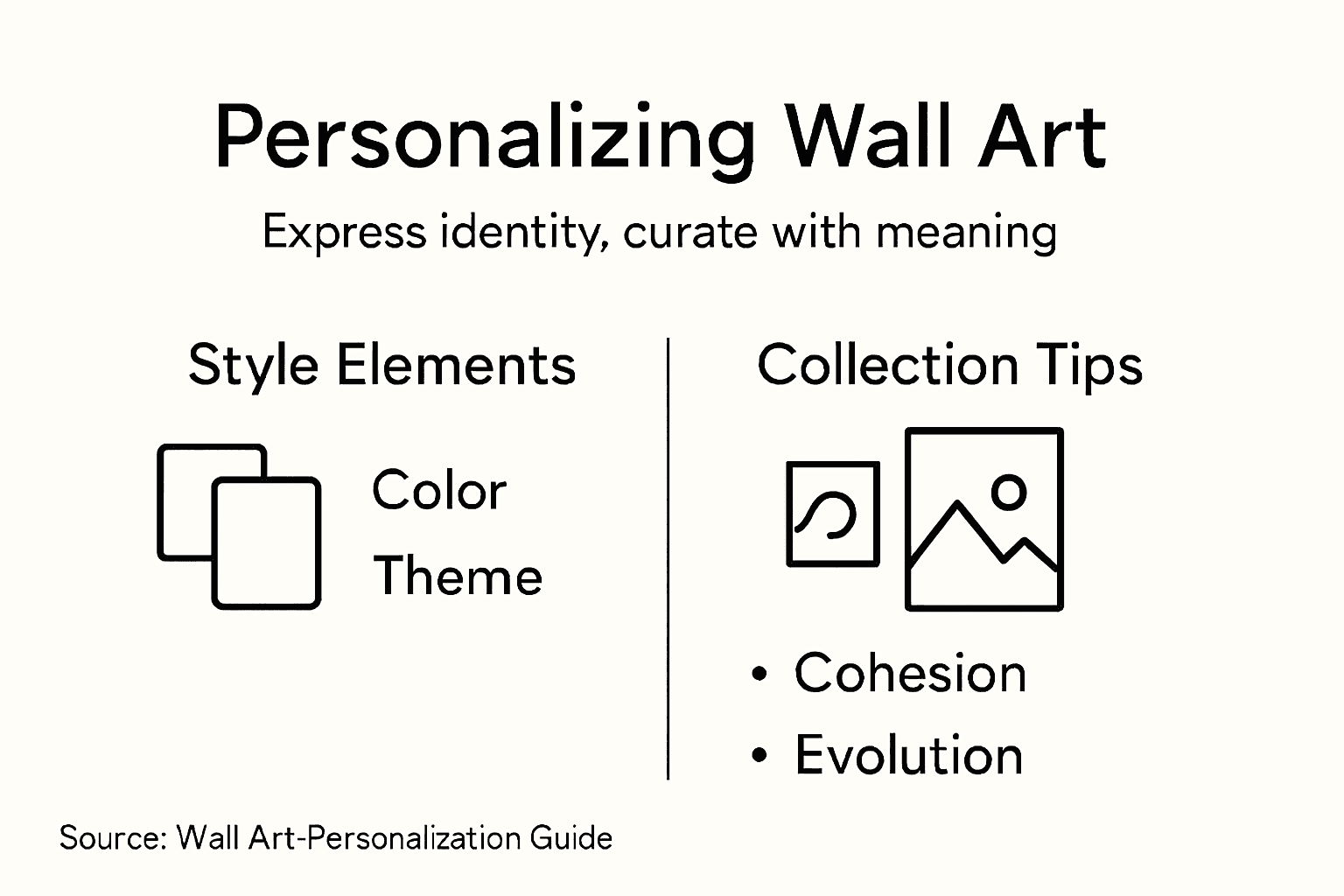
One powerful approach involves exploring themes of identity and cultural narratives that resonate with your personal experience. Your background, interests, and values should guide your selections. A young professional who recently moved to a new city might choose pieces celebrating their heritage or hometown alongside art reflecting their current life. Someone passionate about environmental issues might gravitate toward nature photography or green color palettes. A parent might prioritize pieces involving children or family themes. A book lover might choose literary quotes or artwork featuring iconic authors. Your style reflects your story. This is why generic mass-produced art rarely satisfies. It doesn’t know your story. Personalized wall art is different because you’re the one telling it. You’re choosing what your walls communicate about you.
Consider also how pieces work together rather than in isolation. Developing a cohesive collection doesn’t mean everything matches perfectly. It means pieces share a through-line. Maybe your collection uses a consistent color palette even though individual pieces differ in style. Perhaps every piece connects to travel, relationships, or personal growth. Maybe you mix photography with text art to typography styles that feel unified. The strongest collections feel intentional because they reflect genuine themes in your life. Think of it like curating an exhibition about yourself. Artworks that narrate personal identity and perspectives demonstrate how thoughtful selection creates meaning. Your walls should tell visitors something true about who you are. They should make you smile when you notice them after weeks of seeing them daily. They should feel like the room belongs to you, not like you’re living in someone else’s space.
When selecting pieces, trust your gut but also give yourself permission to evolve. Your style from five years ago probably differs from your style today. That’s healthy. Your walls can change as you change. One benefit of personalized art is that it’s not permanent. You can rotate pieces, add new ones, or replace what no longer resonates. Start with pieces you genuinely love right now, understanding that your collection will grow and shift. Don’t choose something because you think you should. Don’t select a piece because it matches your couch if your heart isn’t in it. The most powerful wall art collections are built on authentic preference, not obligation.
Pro tip: Create a Pinterest board or photo folder of pieces you’re drawn to over a few weeks, then look back to identify patterns in color, style, and theme that reveal your true aesthetic.
Common Mistakes in Collecting Wall Art
Building a wall art collection sounds straightforward until you actually start. Most people make predictable mistakes that undermine their final result. The biggest mistake is buying pieces without considering how they’ll actually look in your space. You see a beautiful print online, order it immediately, and then it arrives looking completely different than expected. The colors don’t match your walls. The size overwhelms the space or gets lost. The style clashes with your furniture. This happens because you’re viewing the piece in isolation rather than thinking about context. Before purchasing anything, measure your wall space, consider your existing color palette, and think about how the piece will interact with everything around it. Take photos of your room and use them as references when browsing art. Visualize placement. Will it hang above your couch or in an empty corner? Does it need breathing room or can it be part of a gallery wall? These spatial considerations matter far more than most collectors realize.
Another common trap is treating wall art as an impulse purchase rather than a thoughtful investment. You’re browsing, you see something trendy, you buy it without asking whether you actually love it. Six months later, you’re tired of looking at it. This happens because you haven’t done the foundational work of understanding your personal style. Instead of randomly purchasing, spend time identifying what genuinely resonates with you. Notice patterns in colors you gravitate toward, styles that excite you, and themes that matter to your life. Understanding how to choose wall art intentionally prevents buyer’s remorse. When you understand your aesthetic, you make purchases confidently rather than impulsively. You also avoid the mistake of chasing trends. Trendy pieces date quickly. Your collection should feel timeless because it reflects who you actually are, not what’s currently popular on Instagram.
Scale and proportion mistakes plague many collections. People hang artwork that’s too small for their walls, creating an unfinished or awkward look. Or they choose pieces without considering how multiple items will work together spatially. A 12-inch print looks lost on a 10-foot wall. Three small prints scattered randomly across a large wall create visual chaos. The mistake often stems from underestimating how large wall art needs to be to make an impact. Artwork should command attention. In a living room, a statement piece above a couch should be roughly 50 to 75 percent of the couch’s width. Groupings should be intentional and balanced. Additionally, insufficient consideration of scale and space undermines even beautiful pieces. When selecting custom wall art, use the preview tool multiple times. Visualize the piece at actual size in your room. Consider how it relates to other furniture and décor. Will it feel proportional and intentional, or will it look like an afterthought?
Another mistake involves poor quality or inadequate durability. You save money on cheap printing and end up with faded colors within months or paper that yellows and deteriorates. Wall art sits in sunlight, faces temperature changes, and accumulates dust. Quality matters. Eco-friendly printing materials, archival inks, and proper framing all contribute to longevity. When investing in personalized pieces like custom song lyric posters, family photo collages, or milestone prints, you want them to last. The small additional cost of quality printing protects your investment and ensures your collection remains vibrant for years. Finally, many collectors make the mistake of overthinking every decision and never actually hanging anything. They research endlessly, second-guess their choices, and delay purchasing. Analysis paralysis prevents them from building their collection at all. Remember that wall art isn’t permanent. You can change it. You can rotate pieces. You can replace something that doesn’t work. Start somewhere. Choose pieces that genuinely excite you right now, hang them, and let your collection evolve naturally.
Compare common wall art collecting mistakes with best practices:
| Common Mistake | Impact on Collection | Best Practice Solution |
|---|---|---|
| Impulse buying | Disconnected pieces | Reflect on style before purchase |
| Ignoring wall size | Awkward scale, imbalance | Measure and plan placement |
| Chasing trends | Art feels dated quickly | Choose timeless, personal themes |
| Skimping on quality | Color fades, damage | Invest in archival materials |
| Overthinking choices | No pieces ever displayed | Start small; allow collection to grow |
Pro tip: Before buying, print a photo of your chosen piece at actual size, tape it to your wall, and live with it for a few days to ensure it feels right in your space.
Transform Your Walls Into a Personal Story with Wallfully
The challenge of creating a truly personalized wall art collection lies in bridging your unique style, memories, and values with the perfect pieces. Many struggle to find meaningful art that resonates with their identity or to visualize how colors and themes will complement their space. Whether you want custom song lyric posters, travel maps, or photo collages, the goal is crafting a collection that feels authentic and timeless rather than random or trendy. Wallfully understands these challenges and offers seamless customization tools that empower you to design bespoke prints that reflect your story. From guided creation steps to live previews, you can tweak every detail including names, dates, layouts, and colors for a perfect fit.
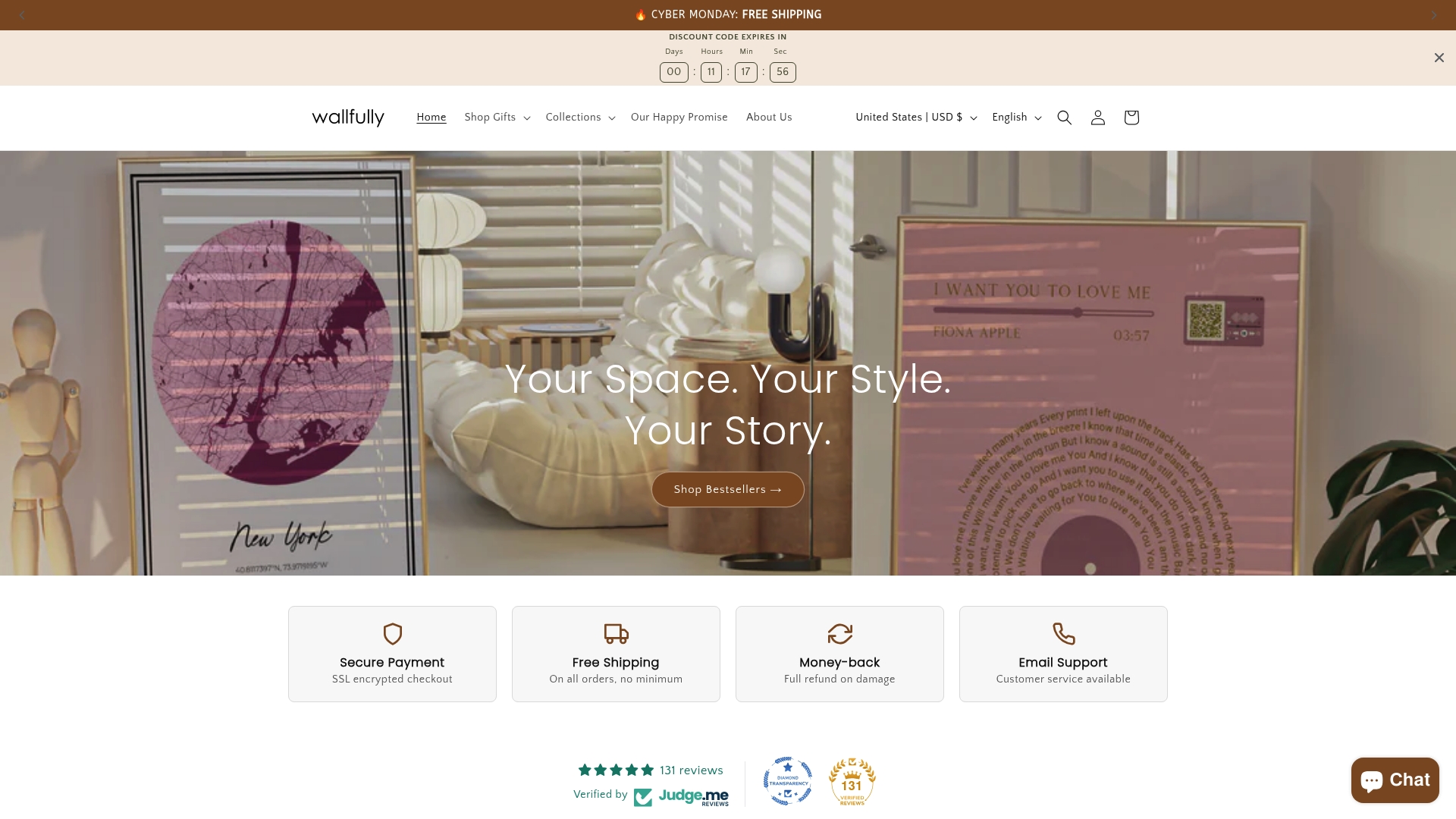
Explore our Personalized Wall Art – Custom Posters & Prints for any Occasion to begin curating your own collection that evolves with you. Dive deeper into unique designs like Star, Moon & Zodiac Maps to mark meaningful moments or milestones. With high-quality eco-friendly printing, free shipping on all orders, and a satisfaction guarantee, there has never been a better time to bring your personal vision to life. Start today at Wallfully.com and turn your walls into a space that truly feels like home.
Frequently Asked Questions
What is a wall art collection?
A wall art collection is a curated selection of pieces that work together to express your personality and design preferences, often themed by color, style, or emotional resonance.
How can I choose the right types of wall art for my personal space?
Selecting wall art involves understanding what resonates with you personally. Consider types such as photography, paintings, or text-based art, and choose pieces that reflect your interests, themes, and the mood you want to create in your space.
What customization options should I look for when creating wall art?
Look for customization features like name and date personalization, color selection, layout control, text and typography options, and preview functionality to ensure the final piece aligns perfectly with your vision.
How can I avoid common mistakes when collecting wall art?
To avoid mistakes, measure your wall space, consider the colors and style of existing furnishings, avoid impulse buying, invest in quality pieces, and don’t overthink your decisions. Start by choosing pieces that genuinely excite you and allow your collection to evolve over time.