
Wall Art and Mood: Transform Your Space Emotionally
WallfullyFinding the right piece of wall art can feel like searching for something that truly connects with your emotions and vision for your home. For many American homeowners, the atmosphere inside your living space directly shapes your sense of well-being. Scientific research shows that strategically chosen art can reduce anxiety and encourage positive emotions, turning your walls into tools for mood enhancement and personal expression. Discover how curated wall art choices create environments that nurture your unique emotional needs and transform daily life.
Table of Contents
- Wall Art’s Impact on Emotional Well-being
- Types of Wall Art That Influence Mood
- The Role of Color and Imagery in Mood Enhancement
- Personalization: Connecting Emotionally With Art
- Best Practices for Placement and Selection
Key Takeaways
| Point | Details |
|---|---|
| Emotional Connection to Art | Wall art serves as a powerful tool for enhancing emotional well-being, influencing mood and mental health positively through thoughtful selection. |
| Impact of Art Styles | Different art styles evoke distinct emotional responses; selecting the right type can help create a supportive living environment. |
| Color Psychology | Colors significantly affect emotions; utilizing specific hues can transform art into effective tools for mood enhancement. |
| Strategic Placement | Proper placement of wall art enhances its emotional impact, requiring attention to height, grouping, and room function for optimal effect. |
Wall Art’s Impact on Emotional Well-being
The profound connection between visual art and emotional health goes far beyond simple decoration. Wall art represents a powerful psychological tool that can dramatically transform your living environment and personal emotional landscape. Research consistently demonstrates that strategically chosen art pieces can significantly influence mood, reduce stress, and promote psychological well-being.
Scientific studies reveal compelling insights about art’s emotional impact. Research in psychology highlights how artistic experiences contribute to broad psychological benefits, including:
- Reduced stress and anxiety levels
- Enhanced self-esteem and personal identity
- Improved cognitive functioning
- Increased empathy and compassionate responses
- Promotion of positive emotional states
When selecting wall art, it’s crucial to choose pieces that resonate with your personal emotional needs. Art engagement studies suggest that individuals with higher curiosity and emotional openness tend to experience more profound psychological benefits from visual art interactions.
The emotional power of wall art extends beyond aesthetic pleasure. By curating a collection that reflects your inner world, you create a personal sanctuary that supports mental health and emotional regulation. Thoughtful art selection can transform blank walls into dynamic emotional landscapes that nurture psychological well-being.
Pro tip: Choose wall art that genuinely speaks to your emotional state and aspirations, creating a personal environment that supports your mental and emotional growth.
Types of Wall Art That Influence Mood
The psychological impact of wall art extends far beyond mere visual appeal. Art styles play a critical role in shaping emotional experiences within living spaces, with different artistic forms triggering unique psychological responses. Systematic visual art research reveals that specific art types can dramatically influence mood, attention, and emotional regulation.
Various wall art categories demonstrate distinct emotional influences:
- Colorful Murals: Energize spaces and stimulate social interaction
- Abstract Paintings: Encourage introspection and calm
- Minimalist Designs: Promote clarity and reduce mental clutter
- Nature Photography: Reduce stress and create serene environments
- Representational Art: Connect viewers with familiar emotional narratives
Art viewing studies consistently demonstrate that thoughtfully selected artwork can substantially reduce stress and enhance psychological well-being. The emotional resonance of art depends not just on its visual characteristics, but on how deeply it connects with an individual’s personal experiences and internal emotional landscape.
Choosing wall art becomes a nuanced process of emotional curation. Warm-toned pieces tend to create energetic, vibrant environments, while cooler, more subdued artworks generate tranquil, contemplative spaces. Understanding these subtle psychological dynamics empowers individuals to design living environments that actively support their emotional needs and personal growth.
Here’s a quick reference comparing popular wall art styles and their emotional influences:
| Art Style | Typical Emotional Effect | Best Room Placement |
|---|---|---|
| Colorful Murals | Boosts energy and sociability | Living room, kitchen |
| Abstract Paintings | Promotes calm reflection | Bedroom, home office |
| Minimalist Designs | Reduces clutter, increases clarity | Workspace, hallway |
| Nature Photography | Evokes relaxation and peace | Bedroom, bathroom |
| Representational Art | Fosters familiar connections | Family room, entryway |
Pro tip: Select wall art that reflects your desired emotional state, using color, style, and subject matter as intentional tools for psychological well-being.
The Role of Color and Imagery in Mood Enhancement
Color psychology reveals a profound connection between visual elements and emotional experiences. Scientific color research demonstrates that colors and imagery can strategically influence cognitive and emotional processing, transforming wall art into powerful mood management tools.
The emotional impact of colors varies significantly:
- Red and Orange: Stimulate energy and passion
- Blue and Green: Induce calmness and relaxation
- Yellow: Evoke happiness and optimism
- Purple: Suggest creativity and introspection
- Neutral Tones: Create balanced, grounding environments
Color harmony studies confirm that specific color attributes profoundly affect emotional responses. Warmer, more saturated colors typically generate feelings of joy and excitement, while softer, muted palettes promote tranquility and introspection. The strategic combination of color and imagery allows individuals to curate emotional experiences through wall art.
Imagery adds another powerful dimension to mood enhancement. Natural scenes can evoke serenity, while dynamic compositions might inspire motivation and creativity. Understanding these nuanced psychological connections empowers individuals to intentionally design living spaces that support their emotional well-being and personal growth.
Pro tip: Experiment with color combinations and imagery that align with your desired emotional state, using wall art as a deliberate tool for psychological support.
Personalization: Connecting Emotionally With Art
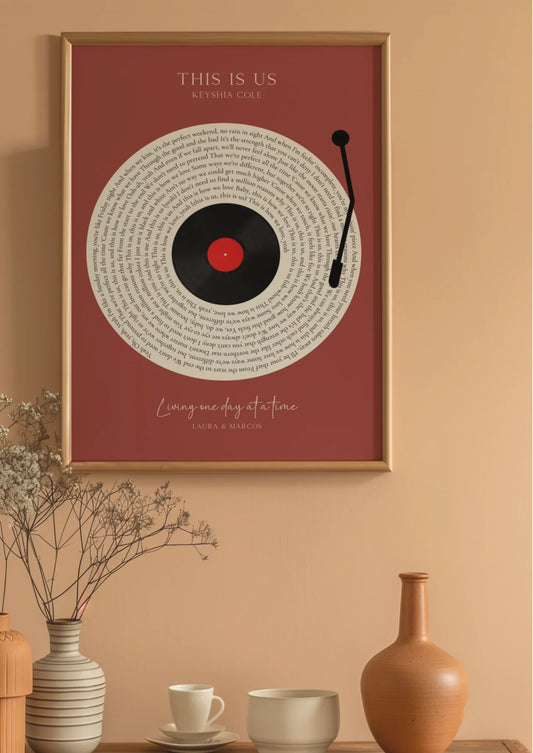
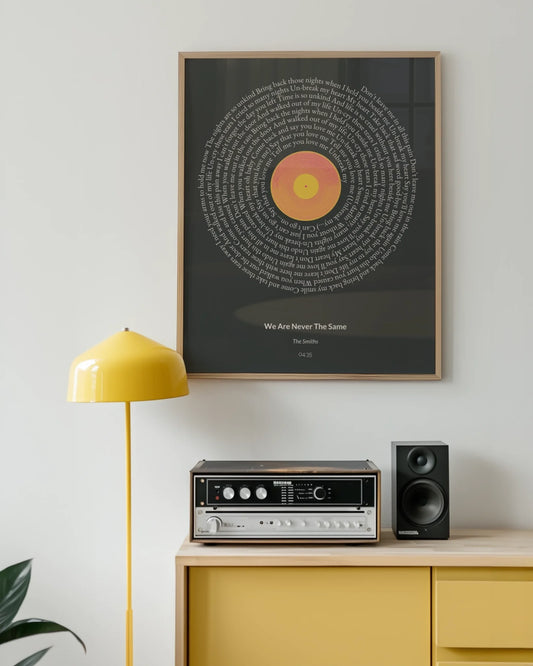
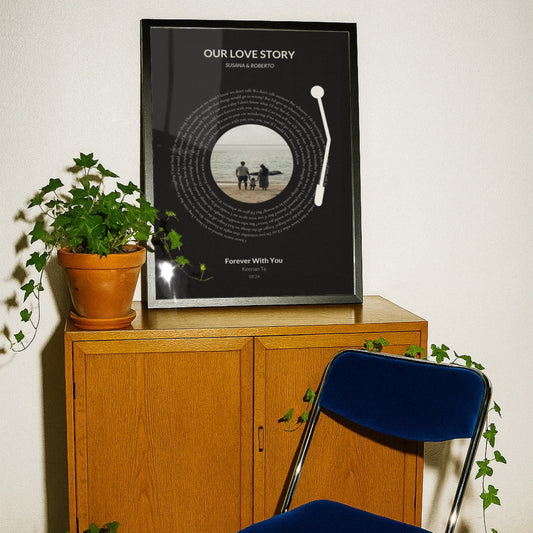
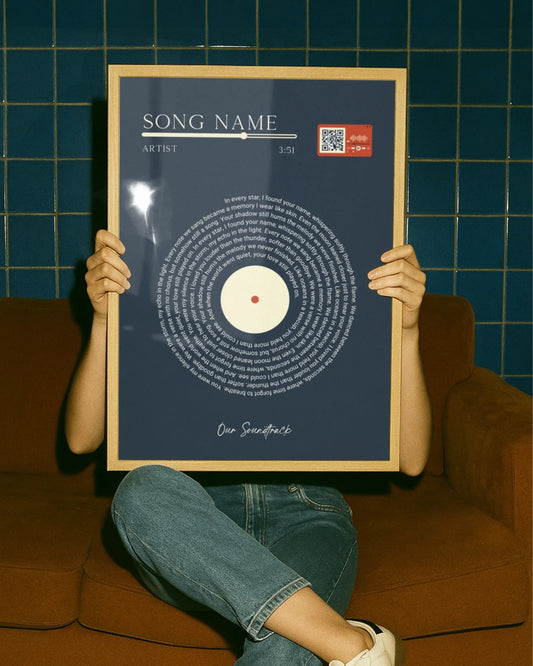
Personalized wall art transcends traditional decoration, becoming a powerful medium for emotional expression and personal connection. Emotional analysis research reveals that artwork incorporating individual experiences can dramatically enhance emotional resonance and psychological well-being.
Key elements of emotionally meaningful personalization include:
- Personal Memories: Artwork featuring significant life moments
- Cultural Representations: Images reflecting individual heritage
- Individual Experiences: Scenes that evoke personal narratives
- Emotional Landscapes: Visuals that mirror inner emotional states
- Personal Achievement Milestones: Art celebrating individual journeys
Research on visual art connections demonstrates that personalized art enables deeper emotional engagement by tapping into individual histories and psychological landscapes. The most impactful pieces are those that spark recognition, trigger positive memories, and reflect unique personal identities.
The process of emotional connection through art involves understanding one’s inner emotional terrain. By selecting or creating wall art that resonates with personal experiences, individuals can transform living spaces into emotional sanctuaries that support mental well-being, validate personal narratives, and provide continuous emotional nourishment.
Pro tip: Choose wall art that tells your unique story, selecting pieces that spark joy, reflection, and a sense of personal belonging.
Best Practices for Placement and Selection
Selecting and positioning wall art requires a strategic approach that balances aesthetic harmony with emotional impact. Expert art placement strategies reveal critical considerations for transforming living spaces through intentional artwork selection and positioning.
Key guidelines for optimal wall art placement include:
- Height Precision: Position artwork at 57-60 inches from floor level
- Balanced Grouping: Create visual rhythm through thoughtful arrangement
- Scale Consideration: Match artwork size to wall and room dimensions
- Lighting Enhancement: Use strategic lighting to accentuate art colors
- Thematic Coherence: Ensure artwork complements room’s emotional tone
Successful wall art selection requires understanding the psychological interplay between visual elements and personal space. Artwork should not merely decorate walls but create emotional landscapes that reflect individual personalities, support mental well-being, and inspire positive emotional states. The right piece can transform a generic room into a deeply personal sanctuary.
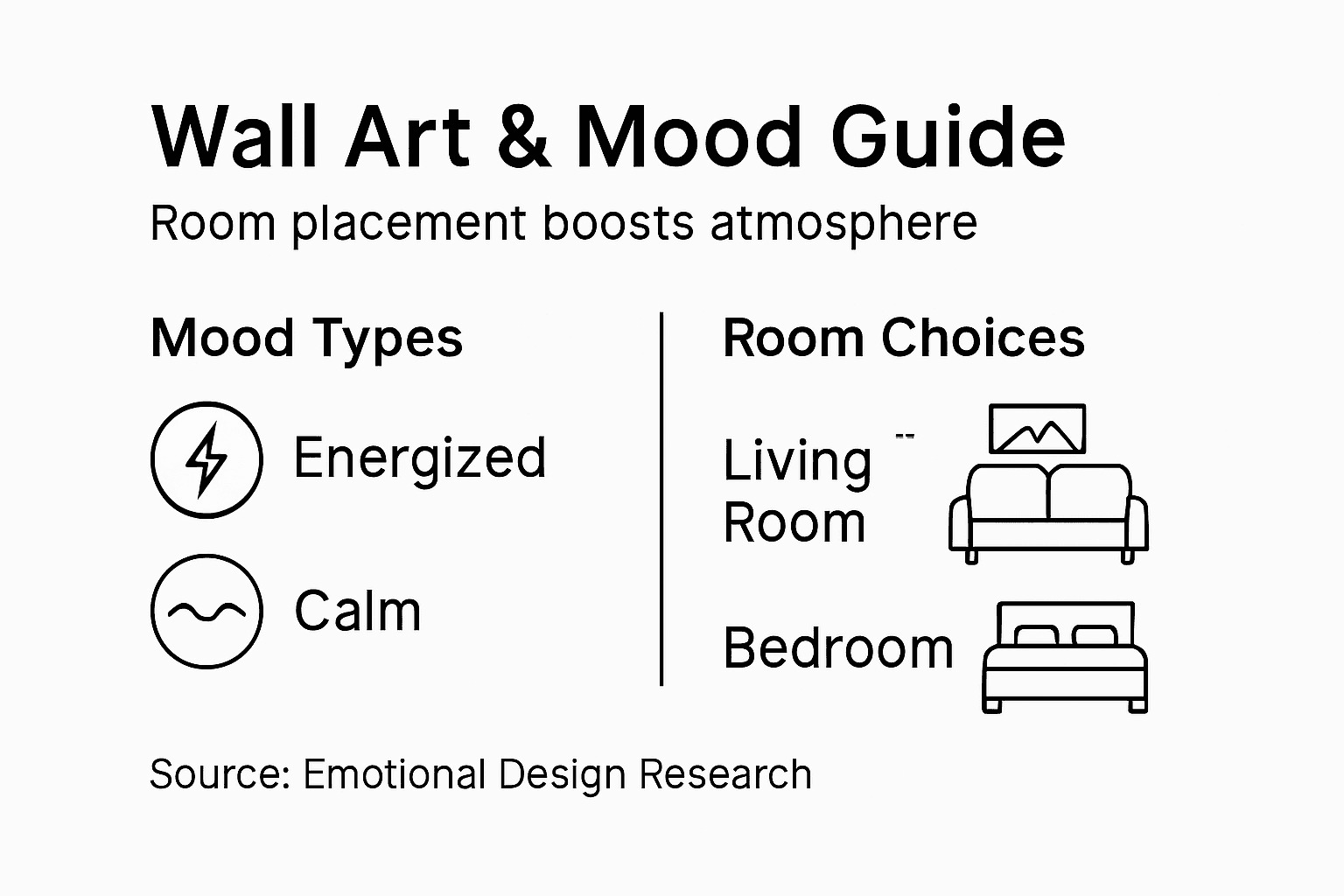
Room-specific strategies matter tremendously. Living areas might benefit from energetic, conversation-sparking pieces, while bedrooms require calmer, more introspective artwork. Consider each space’s function, natural lighting, existing color palette, and the emotional atmosphere you wish to cultivate when making selections.
Below is a summary of best practices for positioning wall art based on room type and intended emotional impact:
| Room Type | Art Positioning Advice | Suggested Emotional Atmosphere |
|---|---|---|
| Living Area | Hang at eye level, use vibrant colors | Social and lively |
| Bedroom | Position above headboard, use soothing tones | Calm and restorative |
| Workspace | Place in direct sight, keep designs minimal | Focused and clear |
| Entryway | Create balance, use inviting themes | Welcoming and open |
Pro tip: Use painter’s tape to mock up artwork placement before hanging, ensuring optimal visual balance and emotional resonance.
Elevate Your Emotional Space with Personalized Wall Art
Feeling overwhelmed by an uninspired living space can weigh on your emotional well-being. The article highlights how wall art can influence mood and become a source of calm, inspiration, or energy. Whether you seek to boost serenity with cool tones or spark motivation with vibrant imagery choosing art that truly connects to your personal story is essential. By understanding color psychology and emotional resonance you can transform your environment into a sanctuary that supports mental clarity and emotional balance.
Discover how Personalized Wall Art – Custom Posters & Prints for any Occasion at Wallfully.com helps you turn these insights into reality. Our easy-to-use customization tools allow you to create unique pieces featuring your memories, milestones, or meaningful symbols.
Take control of your emotional space today by selecting wall art that speaks directly to your heart and mind. Visit Wallfully now for quality, eco-friendly prints delivered free with satisfaction guaranteed. Explore specialized collections like our Star, Moon & Zodiac Maps – Custom Map Poster Collection to add a personal celestial touch that inspires curiosity and reflection. Act now to bring art into your home that nurtures your emotional well-being.
Frequently Asked Questions
How does wall art affect emotional well-being?
Wall art can positively influence emotional well-being by reducing stress and anxiety, enhancing self-esteem, and promoting a calm environment. Thoughtfully selected art can serve as a tool for emotional regulation and psychological benefits.
What types of wall art are best for mood enhancement?
Different types of wall art have distinct emotional effects: colorful murals energize spaces, abstract paintings promote introspection, minimalist designs reduce clutter, nature photography evokes relaxation, and representational art fosters familiar connections.
How can color choice in wall art impact emotions?
Colors have specific psychological effects; for instance, warm colors like red and orange stimulate energy, while cool colors like blue and green promote calmness. Selecting colors that align with your desired emotional state can help create a supportive environment.
What are some best practices for placing wall art to enhance mood?
When placing wall art, aim for eye level (57-60 inches from the floor), create balanced groupings for visual rhythm, consider the scale of the artwork relative to the room, use strategic lighting to highlight colors, and ensure thematic coherence with the room’s emotional tone.