
Wall Art Materials Explained: Quality, Eco Impact, and Style
WallfullyEvery wall in your home tells a story, but the material you choose for your personalized art makes that story truly stand out. For Millennial homeowners looking to turn memories or milestones into meaningful home decor, understanding wall art materials is the key to stunning, long-lasting results. Discover how material choice shapes the appearance and emotional impact of your custom prints, offering both design confidence and a more personal touch for your next thoughtful gift.
Table of Contents
- Defining Wall Art Materials And Their Roles
- Comparing Paper, Canvas, Metal, And Wood
- Eco-Friendly And Sustainable Material Choices
- Durability And Display Considerations In Home Decor
- Personalization Features And Material Compatibility
Key Takeaways
| Point | Details |
|---|---|
| Material choice impacts aesthetic and durability | Selecting the right material for wall art significantly influences its appearance, longevity, and required care. Consider the environment and desired aesthetic before making a decision. |
| Sustainable options are available | Eco-friendly materials, such as FSC-certified paper and organic canvas, allow homeowners to create beautiful art while being environmentally conscious. Look for certifications to ensure sustainability. |
| Personalization enhances emotional value | Customizing wall art with meaningful elements can create a deeper emotional connection. Ensure the personalization features align with the material for the best visual impact. |
| Light and environmental conditions matter | Proper display and care can extend the life of personalized art. Avoid direct sunlight and maintain stable humidity and temperature to keep art vibrant for years. |
Defining Wall Art Materials and Their Roles
Wall art materials are the foundation of everything you hang on your walls. They determine how your personalized prints look, feel, and hold up over time.
Materials aren’t just physical substrates—they carry meaning and affect how your custom art is perceived. When you choose a canvas versus paper for your personalized wall art, you’re making a decision that influences the entire aesthetic experience.
What Materials Do
Understanding how materials influence artwork helps you appreciate why different options exist. Each material brings its own character to your space.
Materials shape three critical aspects of wall art:
- Appearance and visual impact – The substrate determines color vibrancy, finish (matte or glossy), and how light interacts with your print
- Durability and longevity – Material quality directly affects how well your art resists fading, moisture, and physical wear
- Preservation requirements – Different materials need different care approaches to maintain their condition over years
Common Wall Art Materials
You’ll encounter several primary materials when creating personalized wall art. Each serves different purposes and appeals to different styles.
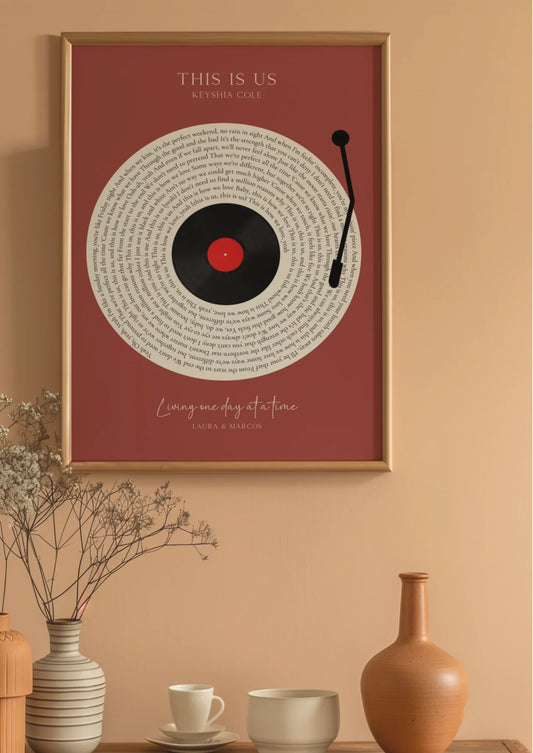
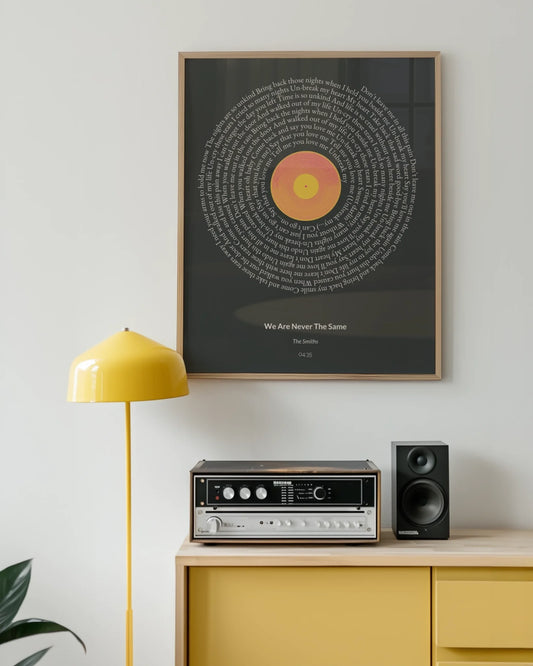
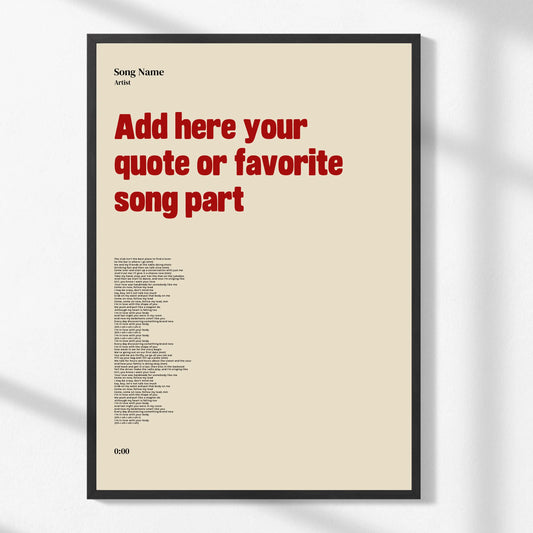
Paper-based options include standard art paper, matte paper, and lustre finishes. These are affordable, lightweight, and work beautifully for photo collages and lyric posters.
Canvas offers texture and a gallery-quality feel. It’s ideal for milestone prints and meaningful custom designs you want to display prominently.
Specialty substrates like metallic paper or wood add dimension and unique visual effects. These work well for zodiac signs or location-based wall art.
Each material choice reflects your home style and how you want your personalized art to function as decor.
How Material Choice Connects to Quality
Your personalized wall art’s quality depends heavily on material selection. Premium materials combined with quality printing create pieces that look professional and last longer.
When selecting materials for custom posters or milestone prints, consider:
- The room environment (bright light, humidity, high traffic)
- Your desired aesthetic (modern, rustic, minimalist, bold)
- How long you want the piece to remain vibrant
- The specific design you’re personalizing (photos, text, maps)
The materials you select influence both aesthetic and durability/03%3A_Significance_of_Materials_Used_in_Art), making this decision foundational to your purchase.
Material quality and printing technique work together—premium materials only reach their potential when paired with expert printing.
Materials and Personal Meaning
For millennial homeowners seeking meaningful gifts or personalized decor, materials carry emotional weight. A custom song lyric poster printed on quality canvas feels more treasured than the same design on basic paper.
When creating personalized wall art as gifts, the material choice communicates how much you value the recipient. Choosing quality substrates for milestone prints or zodiac signs shows intentionality.
Pro tip: When customizing wall art, test how different materials look in your actual space before finalizing your order—lighting and wall color dramatically change how materials appear in person.
Comparing Paper, Canvas, Metal, and Wood
Each material tells a different story on your wall. Choosing between paper, canvas, metal, and wood means understanding how each performs in your home and what aesthetic they bring.
The right material depends on your space, budget, and how long you want your personalized art to last. Let’s break down what makes each option unique.
Paper: Affordable and Versatile
Paper is the most accessible option for custom wall art. It works beautifully for song lyric posters, photo collages, and personalized prints with vibrant colors.
Advantages of paper:
- Excellent color reproduction and crisp detail
- Lightweight and easy to frame or hang
- Most affordable material option
- Ideal for text-heavy designs and photographic content
Drawbacks to consider:
- Paper is sensitive to light and acidity, which causes fading over time
- Vulnerable to moisture and humidity damage
- Requires framing or matting for optimal protection
- Less durable in high-traffic areas
Paper works best in bedrooms, offices, or lower-traffic spaces where you can control light exposure.
Canvas: Gallery-Quality Durability
Canvas delivers that premium, professional look many homeowners want for personalized wall art. It’s perfect for milestone prints and meaningful custom designs.
Canvas strengths:
- Offers texture and dimensional appeal
- More durable than paper over extended periods
- Gallery-quality aesthetic that feels intentional
- Stands up better to environmental changes
Canvas considerations:
- Higher price point than paper
- Colors may appear slightly muted compared to glossy paper
- Requires proper storage to avoid wrinkles or creasing
Canvas works everywhere—living rooms, entryways, bedrooms. It’s your best choice for artwork you plan to keep for years.
Metal and Wood: Premium and Statement-Making
Metal and wood represent premium options for those seeking distinctive wall art. These materials make bold statements in contemporary spaces.
Metal advantages:
- Extremely durable and long-lasting
- Modern, sleek aesthetic
- Resistant to fading and moisture
- Perfect for zodiac signs or location-based wall art
Metal challenges:
- Highest cost option
- Can require specific mounting hardware
- May need protective coating to prevent oxidation
Wood benefits:
- Warm, natural aesthetic
- Rigid support prevents warping
- Works well for rustic or minimalist designs
Wood concerns:
- Wood surfaces can be reactive_1.0/01%3A_A_World_Perspective_of_Art_Appreciation/1.07%3A_Art_Materials_and_Methods) to temperature and humidity changes
- May warp in very humid environments
- Requires protective finishing for longevity
Quick Comparison Table
| Material | Durability | Cost | Best For | Light Sensitivity |
|---|---|---|---|---|
| Paper | Moderate | Low | Photo collages, lyrics | High |
| Canvas | High | Medium | Gallery displays, gifts | Low |
| Metal | Very High | High | Modern decor, zodiac | Very Low |
| Wood | High | High | Rustic designs, maps | Moderate |
Your choice of material shapes how your personalized wall art ages and how it complements your home’s style.
Pro tip: Choose paper or canvas for spaces with direct sunlight, and reserve metal or wood for areas with controlled lighting to maximize longevity and color vibrancy.
Eco-Friendly and Sustainable Material Choices
As a millennial homeowner, you likely care about environmental impact. Your wall art choices can align with your values without sacrificing quality or aesthetics.
Sustainable materials reduce your ecological footprint while creating beautiful, personalized wall art. The good news? Eco-friendly options exist across all price points and styles.
What Makes Materials Eco-Friendly
Sustainable art practices use natural, renewable, and recycled materials that minimize environmental harm. This means choosing substrates that don’t deplete resources or generate excessive waste.
Eco-friendly materials share key characteristics:
- Made from renewable or recycled sources
- Produced using minimal chemical processing
- Designed for longevity to reduce replacement waste
- Sourced responsibly without harming ecosystems
Your personalized wall art can reflect your commitment to the planet.
Sustainable Paper Options
Eco-friendly paper doesn’t mean compromising on quality. Many sustainable papers produce vibrant, long-lasting prints perfect for song lyric posters and photo collages.
Look for these certifications:
- FSC (Forest Stewardship Council) certified paper from responsibly managed forests
- Papers made from post-consumer waste or agricultural byproducts
- Acid-free paper that resists yellowing over time
- Chlorine-free bleaching processes
Sustainable paper works beautifully for milestone prints and zodiac signs. The environmental benefit doesn’t show visually, but it’s there.
Canvas and Natural Fibers
Organic canvas represents the sustainable choice for gallery-quality wall art. It’s made from naturally grown cotton without synthetic pesticides or harmful chemicals.
Organic canvas benefits:
- Biodegradable and compostable at end of life
- Grown without synthetic pesticides
- Typically stronger and longer-lasting than conventional canvas
- Pairs perfectly with eco-conscious home aesthetics
Choosing organic canvas for meaningful gifts communicates values alignment to recipients.
Wood and Metal Sustainability
Wood and metal sustainability depends entirely on sourcing and processing. Green chemistry principles applied to wood materials reduce environmental and energy concerns while maintaining quality.
Sustainable wood practices:
- Look for FSC-certified or reclaimed wood sources
- Verify low-toxicity finishes and protective coatings
- Choose sustainably harvested species
- Ask about manufacturing energy sources
Metal sustainability:
- Recycled aluminum and steel minimize mining impact
- Manufacturing metal requires energy, so durability matters
- Long lifespan makes metal environmentally justified
- Inquire about local sourcing to reduce transportation emissions
Both materials can be sustainable when sourced responsibly.
Here is a summary of environmental considerations for each wall art material:
| Material | Eco-Friendly Option | End-of-Life Disposal |
|---|---|---|
| Paper | FSC-certified, recycled paper | Recyclable in most areas |
| Canvas | Organic cotton canvas | Biodegradable if untreated |
| Metal | Recycled aluminum or steel | Fully recyclable |
| Wood | FSC-certified or reclaimed wood | Compostable or recyclable if untreated |
Making Your Choice
Eco-friendly wall art doesn’t mean settling. Sustainable options deliver beauty, durability, and peace of mind.
Consider these factors:
- Material certification and sourcing transparency
- Product longevity (sustainable art lasts longer)
- Company manufacturing practices and locations
- End-of-life recyclability or compostability
Choosing sustainable materials for personalized wall art means investing in quality that lasts—reducing waste while beautifying your home.
Pro tip: Ask manufacturers about their material sourcing and certifications before ordering; companies transparent about sustainability practices demonstrate genuine commitment to eco-friendly production.
Durability and Display Considerations in Home Decor
Your personalized wall art investment deserves thoughtful placement and care. Where you hang your custom prints directly affects how long they’ll look beautiful.
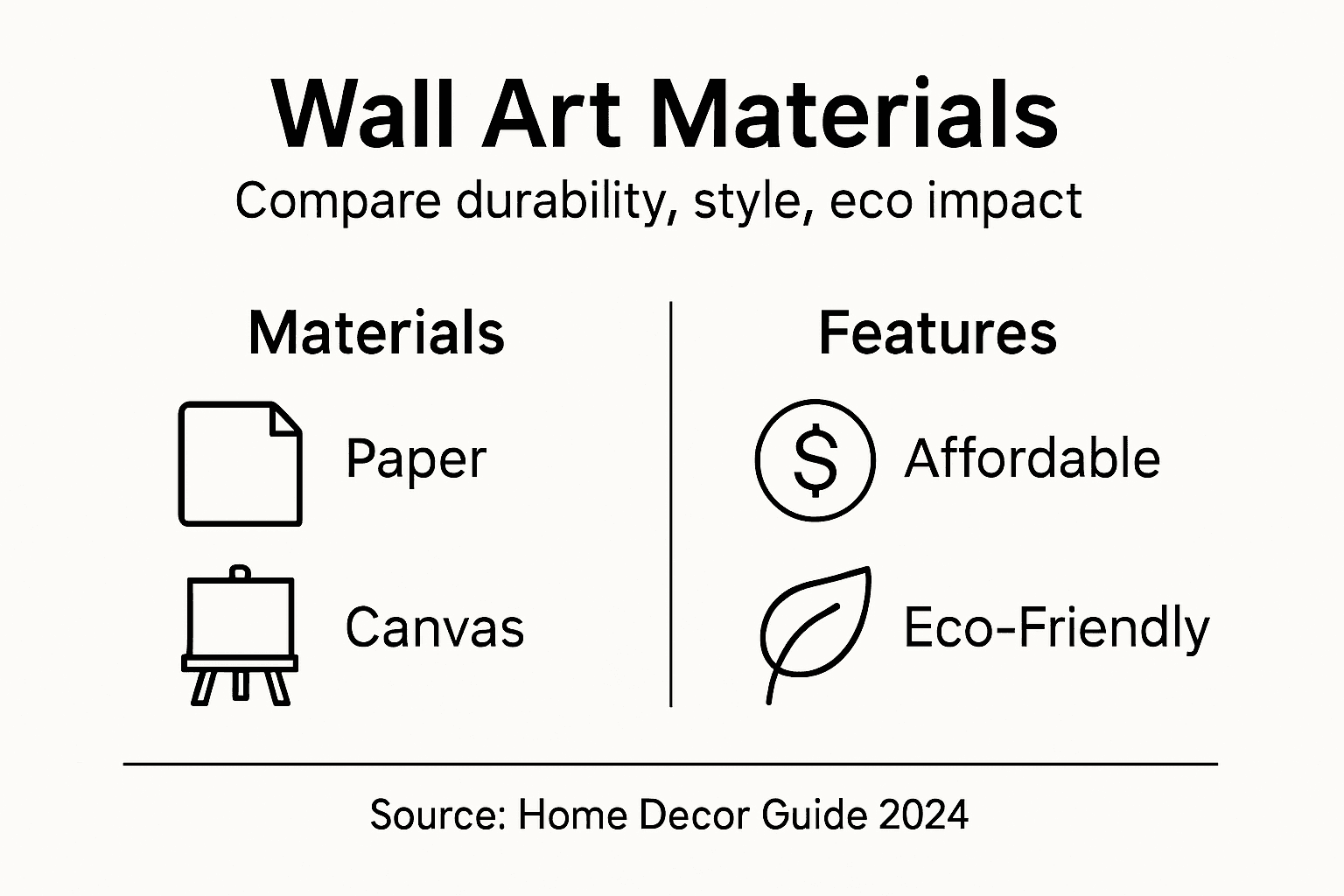
Durability isn’t just about the material—it’s about the environment surrounding your wall art. Get these details right, and your milestone prints and song lyric posters will stay vibrant for years.
Light Exposure and Fading
Light is the primary enemy of wall art longevity. Direct sunlight accelerates fading dramatically, turning vibrant colors dull within months.
Protect your art from light damage:
- Avoid placing wall art in direct sunlight (especially south-facing windows)
- Use UV-protective glass or acrylic if displaying in bright spaces
- Consider sheer curtains to filter intense afternoon light
- Rotate artwork periodically if it must be in naturally lit areas
Paper-based prints are most vulnerable to fading. Canvas and metal hold color better but still benefit from light management.
Temperature and Humidity Control
Appropriate environmental controls like temperature and humidity ensure durability across all wall art materials. Fluctuating conditions cause material stress and deterioration.
Maintain stable home conditions:
- Keep temperatures between 65-75 degrees Fahrenheit
- Maintain humidity levels around 30-50 percent
- Avoid displaying wall art near heating vents, AC units, or windows
- Stay away from bathrooms where steam causes moisture spikes
Wood and canvas are especially sensitive to humidity changes. Stable conditions prevent warping and cracking.
Display Location Strategy
Choosing the right wall makes a real difference. Different spaces in your home have different environmental challenges.
Best locations for wall art:
- Bedrooms with controlled light and stable temperatures
- Living rooms away from fireplaces and direct windows
- Home offices with minimal temperature fluctuations
- Interior hallways without environmental extremes
Avoid these locations:
- Kitchens with steam and temperature changes
- Bathrooms with high humidity
- Laundry rooms with moisture exposure
- Sunrooms with intense natural light
Your choice of display location protects your investment automatically.
Handling and Mounting
How you hang your personalized wall art matters for both safety and preservation. Proper mounting prevents damage during installation and years afterward.
Use appropriate hardware for your wall type and art weight. Heavier pieces like canvas or wood need secure anchors, while lighter paper prints work with standard hangers.
Handle art carefully when framing or remounting. Wear cotton gloves to prevent oils and dirt from transferring to surfaces.
Material-Specific Care
Different materials need different approaches. Understanding your specific wall art helps you preserve it effectively.
Paper prints: Keep framed or behind glass. Dust gently with soft brushes. Never touch the surface directly.
Canvas: Dust with soft microfiber cloths. Avoid contact with moisture. Store in climate-controlled spaces if removed from walls.
Metal and wood: Wipe occasionally with dry, soft cloths. Check finishes periodically for signs of wear. Metal may need protective coatings reapplied occasionally.
Smart display choices mean your personalized wall art remains stunning without constant worry or maintenance.
Pro tip: Install UV-protective acrylic frames over paper prints in naturally lit rooms—this single investment protects your art from fading while keeping it visible and beautiful for decades.
Personalization Features and Material Compatibility
Personalization brings your wall art to life, but not every customization works equally well on every material. Understanding which features pair best with specific substrates ensures your design vision becomes reality.
The magic happens when you match personalization features to materials that showcase them beautifully. This compatibility determines whether your custom poster looks professional or compromised.
Text and Typography on Different Materials
Adding names, dates, or song lyrics transforms generic wall art into something deeply personal. Different materials handle text differently.
Paper works best for:
- Intricate typography and fine detail
- Dense text (like full song lyrics or quotes)
- Color gradients within letters
- Small, delicate fonts
Paper’s smooth surface renders sharp, crisp text. Canvas slightly softens fine details due to its texture.
Canvas suits:
- Bold, readable typography
- Larger text sizes
- Text combined with imagery
- Minimalist designs with breathing room
Metal and wood demand large, easily readable fonts. Their reflective and textured surfaces don’t display fine details cleanly.
Photo and Image Personalization
Photographs are the heart of many personalized prints. Material choice dramatically affects photo quality and emotional impact.
Understanding material properties enables customized display approaches that preserve photo clarity and color accuracy. Paper delivers the most photorealistic results with vibrant colors and sharp details.
Photo personalization by material:
- Paper: Crystal-clear images, perfect for family photos or milestone moments
- Canvas: Slightly softer images, excellent for atmospheric photography
- Metal: Bold, high-contrast images with modern appeal
- Wood: Best for black-and-white or muted-tone photography
Color photos look stunning on paper and canvas. Metal and wood benefit from dramatic, high-contrast imagery.
Location and Map Customization
Custom maps showing meaningful locations (like where you met, got engaged, or your hometown) are wildly popular. Material compatibility matters here too.
Maps look exceptional on:
- Canvas: Warm, vintage aesthetic that complements geographic themes
- Wood: Rustic charm perfect for travel-inspired designs
- Metal: Modern, minimalist feel for contemporary spaces
- Paper: Crisp lines and detailed cartography
Consider your home’s style when choosing materials for location-based wall art. A vintage map feels natural on canvas but striking on sleek metal.
Zodiac Signs and Symbolic Personalization
Zodiac signs, birth flowers, and meaningful symbols benefit from bold, graphic execution. Material choice amplifies their impact.
Graphic symbols shine on canvas and metal, where the clean lines and texture create visual interest without needing fine detail. Paper works well for intricate designs with multiple elements.
Color Intensity and Personalization
Colors carry meaning in personalized art. Your material choice affects how vibrant those colors appear.
Paper delivers maximum color intensity and accuracy. Canvas slightly mutes colors. Metal produces high-contrast, bold colors. Wood works best with natural, earthy tones.
When personalizing with meaningful colors (like wedding colors or brand colors), paper or canvas preserve accuracy best.
Material Compatibility Checklist
Before finalizing your design, consider these compatibility factors:
To help you select the best material for your design, here’s a quick reference on personalization and material compatibility:
| Personalization Feature | Best Material Choice | Reason |
|---|---|---|
| Detailed Typography | Paper | Delivers crisp, clear text |
| Large Bold Text | Canvas or Metal | Emphasizes readability, suits texture |
| Photorealistic Images | Paper or Metal | Maximizes color and sharpness |
| Vintage Map Designs | Canvas or Wood | Enhances warmth and rustic style |
| Graphic Symbols | Canvas or Metal | Supports clean lines, visual impact |
- Text density: Paper for detail; canvas for bold; metal/wood for simplicity
- Photo quality: Paper for photorealism; others for atmospheric or graphic imagery
- Color accuracy: Paper and canvas for true colors; metal/wood for bold or muted tones
- Overall style: Match material to your home’s aesthetic
Your personalization choices should enhance the material, not fight against its natural qualities.
Pro tip: Preview your custom design across different material options if possible—seeing how your personalization translates to paper, canvas, and metal helps you choose the substrate that truly showcases your vision.
Discover the Perfect Wall Art Materials for Your Personalized Space
Choosing the right wall art material can feel overwhelming. You want durability, style, and eco-friendly options that match your personal meaning. This article highlights key challenges like light sensitivity, material longevity, and how your design interacts with paper, canvas, metal, or wood. At Wallfully.com, we understand the importance of selecting premium, sustainable materials that bring your custom posters and milestone prints to life with vibrant color and lasting quality.
Explore our easy-to-use platform where you can create bespoke lyric posters, zodiac signs, and photo collages with confidence. We combine high-quality, eco-conscious materials and professional printing to ensure your personalized wall art looks stunning in any room. Start designing now and enjoy secure checkout with free shipping. Visit Wallfully.com to bring your meaningful decor vision to reality and make every space truly yours.
Frequently Asked Questions
What are the main types of wall art materials?
Common wall art materials include paper, canvas, metal, and wood. Each material offers unique qualities that impact appearance, durability, and style.
How do different materials affect the durability of wall art?
The durability of wall art varies by material: paper is moderate but can fade and deteriorate over time; canvas is more durable; metal is very high in durability; and wood offers good durability but can be reactive to humidity.
What makes a material eco-friendly for wall art?
Eco-friendly materials for wall art are made from renewable or recycled sources, produced with minimal chemical processing, and designed for longevity to reduce waste. Look for certifications like FSC to ensure sustainability.
How should I care for different types of wall art materials?
Paper prints should be framed and kept away from direct light. Canvas can be dusted gently, while metal and wood need occasional dusting and checks for wear. Proper storage and placement also extend their lifespan.