
What is minimalistic wall art: A stylish guide for 2026
WallfullyMany people assume minimalistic wall art means stark, empty spaces that feel cold and uninviting. That’s a common misconception. True minimalistic wall art uses intentional simplicity, clean lines, and thoughtful negative space to create calm, stylish environments that feel both sophisticated and welcoming. This guide will walk you through the core principles, popular styles, trending materials for 2026, and practical customization strategies to help you transform your space with confidence and clarity.
Table of Contents
- Understanding The Core Principles Of Minimalistic Wall Art
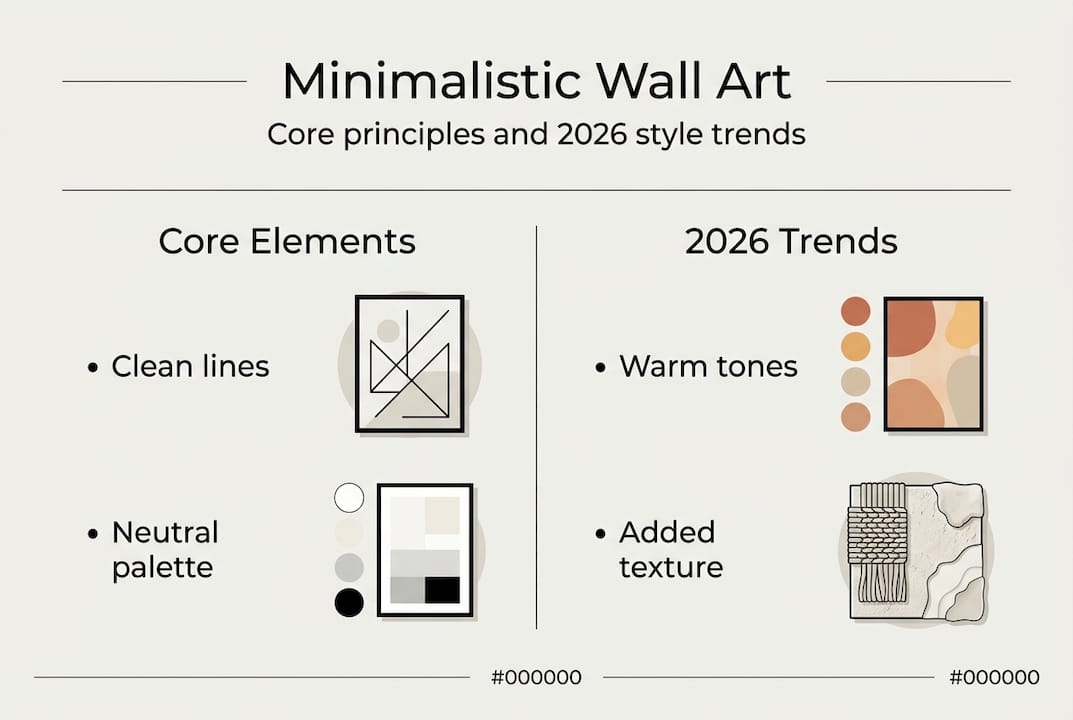
- Popular Styles And 2026 Trends In Minimalistic Wall Art
- Customization And Practical Tips For Personalizing Your Minimalist Wall Art
- Balancing Minimalism With Warmth: Avoiding Cold, Empty Spaces
- Discover Your Perfect Minimalist Wall Art At Wallfully
- Frequently Asked Questions About Minimalistic Wall Art
Key takeaways
| Point | Details |
|---|---|
| Core design elements | Minimalistic wall art relies on simplicity, clean lines, neutral palettes, and balanced negative space to create visual calm. |
| Strategic placement matters | Hang art at 57 inches from the floor and limit to 1-3 pieces per wall to maintain an uncluttered aesthetic. |
| 2026 trends favor texture | Flat prints are giving way to textured plaster, warm Japandi fusion, and modular designs that add subtle depth. |
| Customization enhances personality | DIY drawings, modular panels, and grouped prints in odd numbers let you personalize while preserving minimalist integrity. |
| Balance prevents coldness | Mixing warm neutrals and organic textures with minimalist lines creates inviting spaces that avoid sterile emptiness. |
Understanding the core principles of minimalistic wall art
Minimalistic wall art isn’t about removing everything until your walls feel bare. It’s a deliberate design philosophy that emphasizes simplicity, clean lines, quiet neutral colors, and negative space to create balance and tranquility. The goal is visual breathing room, not emptiness.
Key elements define this aesthetic. Clean lines and simple geometric forms dominate the composition. Neutral palettes, typically black, white, gray, and beige, provide a versatile foundation that complements almost any interior style. Negative space plays a crucial role by giving the eye places to rest and preventing visual overwhelm. Balance ensures that each piece feels intentional rather than randomly placed.
Proper placement transforms good art into great design. Hang your pieces at 57 inches from the floor, measured to the center of the artwork. This standard gallery height works for most spaces and viewers. Size matters too. Your art should measure roughly two-thirds the width of the furniture below it, whether that’s a sofa, console table, or bed. This proportion creates visual harmony without dominating the space.
Quantity requires restraint. Limit yourself to one to three pieces per wall. A single large statement piece can anchor a room beautifully. Two pieces work well for symmetrical arrangements. Three pieces in a horizontal row or triangular cluster add interest without chaos. More than that risks cluttering your minimalist vision.
Pro Tip: Before hanging anything permanently, tape paper templates to your wall and live with the arrangement for a few days to ensure the placement feels right.
These foundational principles apply whether you’re decorating a living room, bedroom, or office. Understanding them helps you make confident choices about what to include and, just as importantly, what to leave out. The minimalist wall art modern aesthetics approach prioritizes quality over quantity, creating spaces that feel curated rather than collected.
Popular styles and 2026 trends in minimalistic wall art
Minimalistic wall art encompasses several distinct style categories, each offering unique visual appeal. Line art, abstract shapes, monochrome prints, and nature silhouettes remain popular choices for their simplicity and versatility. Line art uses continuous or broken lines to suggest forms, from faces to botanicals, with remarkable economy. Abstract shapes explore geometry and negative space through circles, triangles, and organic curves. Monochrome prints deliver impact through stark black and white contrast. Nature silhouettes capture mountains, leaves, or horizons in simplified forms that bring the outdoors in.
Material choices significantly influence the final aesthetic. Canvas prints offer traditional appeal and work well for larger pieces. Wood panels add organic warmth and texture that softens minimalist severity. Plaster art introduces three-dimensional relief that catches light and creates subtle shadows throughout the day. These textured options are gaining traction as homeowners seek depth without visual complexity.
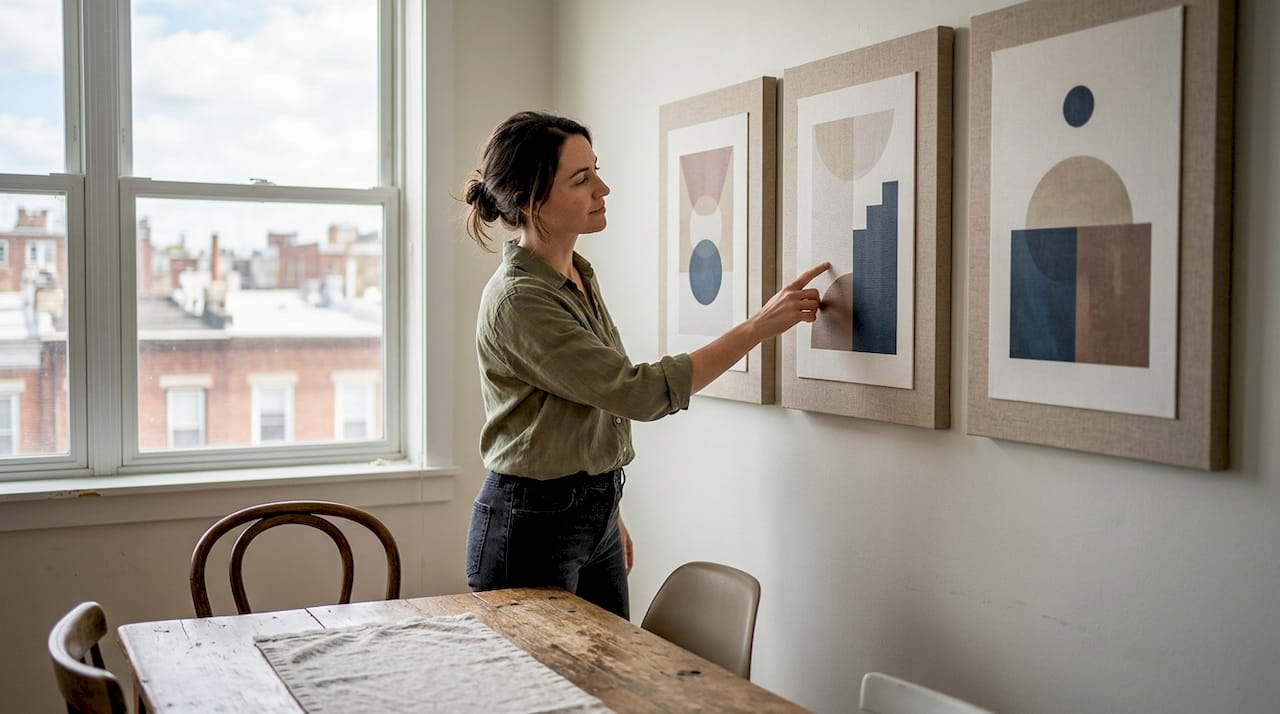
The shift from 2024 to 2026 reveals meaningful evolution. Flat, purely graphic prints are giving way to pieces with tactile interest. Textured 3D plaster art, Japandi fusion combining Japanese minimalism with Scandinavian warmth, and warm neutral palettes replacing stark black and white now define the cutting edge. Modular art systems that let you rearrange panels offer flexibility for renters and frequent redecorators.
| Style Element | Classic Approach | 2026 Trend |
|---|---|---|
| Color palette | Stark black and white | Warm neutrals with beige, cream, soft gray |
| Surface finish | Flat prints on paper or canvas | Textured plaster, wood grain, dimensional relief |
| Cultural influence | Pure Western minimalism | Japandi fusion blending Eastern and Nordic aesthetics |
| Configuration | Single fixed pieces | Modular panels for flexible arrangements |
This evolution addresses a common critique of traditional minimalism: coldness. By incorporating subtle texture and warmer tones, 2026 trends maintain simplicity while adding inviting tactile and visual interest. The best minimalist wall art ideas now balance restraint with warmth.
Pro Tip: Mix one textured piece with flat prints to add depth without overwhelming your space or budget.
Understanding these trends helps you choose art that feels current without being trendy. The goal is timeless simplicity with enough personality to feel personal. Whether you prefer classic line drawings or embrace textured plaster, the minimalist wall decor principles remain consistent: intentional simplicity, visual calm, and thoughtful composition.
Customization and practical tips for personalizing your minimalist wall art
Customization transforms generic minimalist art into something uniquely yours. DIY line drawings, modular wood panels, print sizes from A4 to A2, and sets for diptychs or triptychs offer multiple entry points for personalization. Each approach suits different skill levels, budgets, and aesthetic goals.
DIY approaches give you complete creative control. Simple line drawings require only black markers and quality paper. Trace a meaningful photo, sketch a continuous line portrait, or create abstract shapes that resonate with you. Frame your creation in a simple black or natural wood frame for instant minimalist appeal. This method costs almost nothing and delivers deeply personal results.
Modular systems offer flexibility without requiring artistic skill. Purchase individual panels in complementary designs, then arrange them to suit your space. You can reconfigure the layout whenever you want a fresh look. This adaptability works especially well for renters or anyone who likes frequent changes.
Print sizes matter more than you might think. A4 (8.3 x 11.7 inches) works for small walls or grouped arrangements. A3 (11.7 x 16.5 inches) suits medium spaces and pairs well with other pieces. A2 (16.5 x 23.4 inches) makes a statement on larger walls or above substantial furniture. Mixing sizes within a collection adds visual interest while maintaining cohesion.
Spacing and grouping follow specific guidelines:
- Use odd numbers (one, three, or five pieces) for natural visual balance.
- Maintain 2 to 4 inches of space between grouped pieces for breathing room.
- Align pieces along a common horizontal or vertical axis for cohesion.
- Create visual triangles with three pieces to guide the eye naturally.
- Keep the entire grouping within the two-thirds furniture width rule.
Room size and ceiling height influence your choices. Small rooms benefit from one or two medium pieces rather than multiple small ones, which can feel cluttered. High ceilings demand larger scale art or vertically oriented pieces to fill the space appropriately. Standard 8-foot ceilings work well with most sizes, but 10-foot or higher ceilings need pieces at least 24 inches tall to avoid looking lost.
| Customization Method | Cost | Skill Required | Flexibility | Best For |
|---|---|---|---|---|
| DIY drawings | Very low | Moderate | Complete control | Personal meaningful art |
| Pre-made modular sets | Moderate | None | High reconfiguration | Renters, frequent changers |
| Custom print services | Moderate to high | None | Design choices only | Specific visions, quality materials |
| Gallery wall kits | Low to moderate | Basic hanging skills | Layout options | Quick cohesive looks |
Combining minimalism with warmth requires intentional choices. Add texture through linen mats, natural wood frames, or textured paper. Choose warm neutrals like cream, beige, or soft gray instead of stark white. Include one organic element like a botanical print or wood grain panel. These small touches prevent the sterile feeling some minimalist spaces develop.
Pro Tip: Take photos of different arrangements before committing to nail holes, then compare them side by side to choose the most balanced composition.
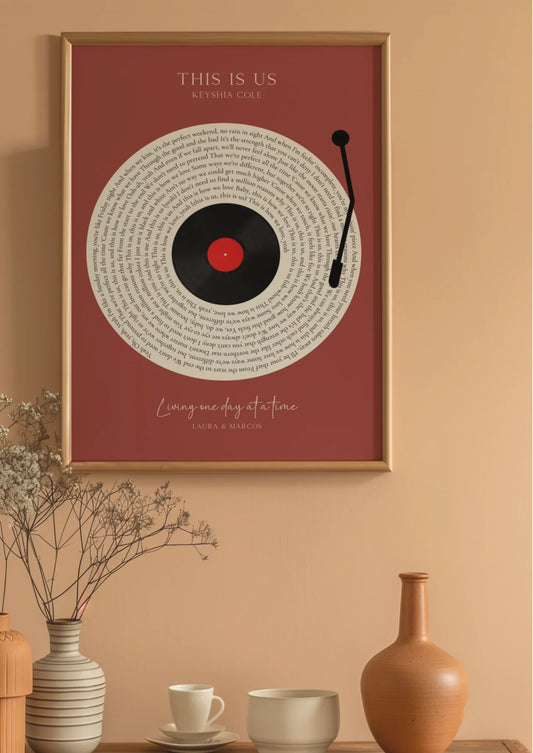
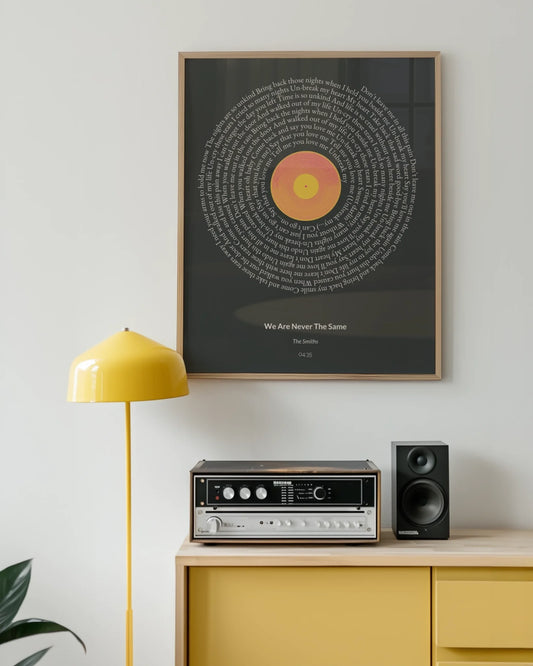
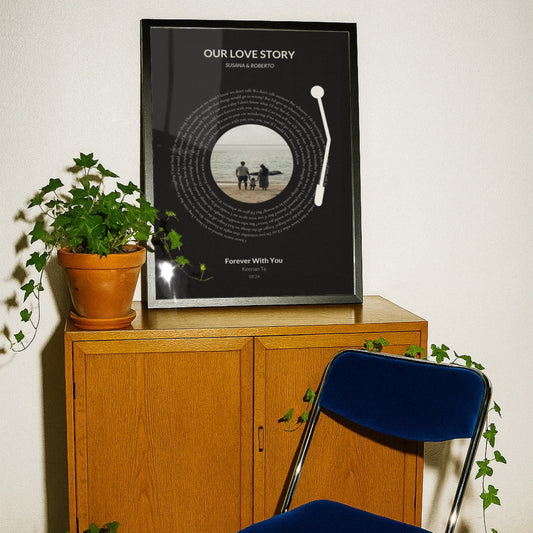
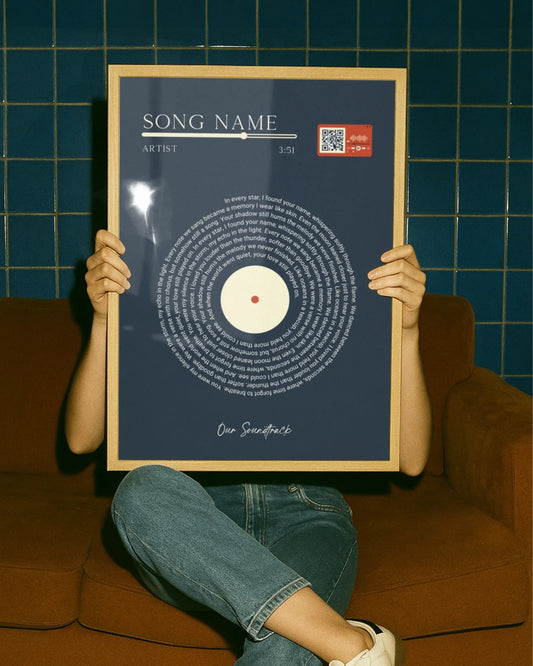
The custom minimalist wall art options available today make personalization accessible regardless of your artistic ability. Whether you create from scratch or customize wall art home decor through online tools, the key is maintaining simplicity while injecting your personality.
Balancing minimalism with warmth: avoiding cold, empty spaces
Minimalism done wrong feels sterile and unwelcoming. The most common mistakes involve taking restraint too far. Hanging too few pieces creates awkward empty expanses that feel unfinished rather than intentionally minimal. Excessive blank wall space makes rooms feel cold and institutional. Choosing only stark black and white without warmer tones amplifies this clinical feeling.
Texture provides the antidote. Incorporating textured elements especially in small spaces adds visual and tactile interest without compromising simplicity. A canvas with visible brushstrokes, a wood panel with natural grain, or plaster art with dimensional relief catches light differently throughout the day. This subtle variation keeps the eye engaged and the space feeling alive.
Warm neutrals transform the emotional temperature of minimalist spaces. Beige, cream, warm gray, and soft taupe offer the same visual calm as stark white but feel inherently more inviting. These tones work especially well in bedrooms and living rooms where comfort matters most. You can still include black for contrast and definition, but warming the base palette makes a significant difference.
Strategies for challenging spaces require specific approaches:
- Small rooms need larger pieces rather than multiple small ones to avoid visual clutter.
- High ceilings demand oversized art or vertical arrangements to prevent pieces from looking lost.
- Narrow walls work well with vertical triptychs or single tall pieces.
- Wide walls above sofas need horizontal arrangements or large landscape pieces.
The philosophy matters as much as the execution. As one designer notes:
Minimalism should create calm and clarity, not coldness and emptiness. The goal is intentional simplicity that makes space for what matters, not deprivation that removes too much.
Mixing organic textures with minimalist lines creates this balance naturally. Pair geometric line art with a piece featuring botanical elements. Combine smooth canvas with rough wood frames. Place minimalist prints against textured wall treatments like grasscloth or subtle patterns. These combinations honor minimalist principles while adding warmth.
Color temperature plays a supporting role. Even within neutral palettes, some tones lean cool (blue-grays, pure whites) while others lean warm (beiges, creams, greiges). Mixing both creates depth, but favoring warm tones in living spaces prevents the sterile feeling that plagues some minimalist interiors.
Lighting amplifies or diminishes warmth. Natural light enhances warm tones and reveals texture beautifully. Warm LED bulbs (2700K to 3000K) create inviting ambiance in evening hours. Avoid cool daylight bulbs (5000K+) in minimalist spaces, as they emphasize any coldness in the color palette.
Pro Tip: Add one piece with subtle color, like a pale blush or sage print, to warm up an all-neutral arrangement without compromising the minimalist aesthetic.
The popular wall art styles that succeed long-term balance restraint with humanity. They demonstrate that minimalism isn’t about removing everything but about carefully choosing what stays. When you prioritize warmth alongside simplicity, you create spaces that feel both calm and welcoming. For budget-conscious approaches that maintain this balance, explore affordable wall art ideas that prove style doesn’t require excessive spending.
Discover your perfect minimalist wall art at Wallfully
Ready to transform your space with thoughtfully designed minimalist wall art? Wallfully offers curated collections that balance simplicity with warmth, making it easy to find pieces that match your vision. Whether you prefer classic line art, nature-inspired silhouettes, or custom designs with personal meaning, the platform guides you through creating art that feels uniquely yours.

Explore customizable sets that let you mix and match sizes, colors, and themes while maintaining cohesive minimalist aesthetics. The intuitive design tools preview how your choices will look before you commit. Browse the minimalist wall art ideas collection for inspiration, or dive into custom minimalist wall art options to create something completely personal. Every piece ships with quality materials and a satisfaction guarantee, so you can design with confidence.
Frequently asked questions about minimalistic wall art
What colors are best for minimalistic wall art?
Neutral palettes work best: black, white, gray, beige, and cream form the foundation. For 2026, warm neutrals like soft beige and greige are trending over stark black and white. You can add one subtle accent color like pale blush or sage for warmth without compromising simplicity.
How many pieces should I hang on one wall?
Limit yourself to one to three pieces per wall for true minimalist impact. A single large piece creates a strong focal point. Two pieces work for symmetrical balance. Three pieces in odd-number arrangements feel naturally balanced. More than three risks visual clutter that contradicts minimalist principles.
Can I customize minimalist wall art sets?
Absolutely. Many platforms offer modular sets where you choose sizes, arrangements, and even add personal elements like dates or locations. DIY options include creating your own line drawings or commissioning custom pieces. The key is maintaining simplicity and cohesion across your selections regardless of customization level.
How do I balance minimalism with warmth in small rooms?
Use warm neutral tones instead of stark white, add textured materials like wood or linen, and choose one or two larger pieces rather than multiple small ones. Incorporate organic elements like botanical prints to soften geometric severity. Proper lighting with warm bulbs also helps small minimalist spaces feel inviting rather than cramped.
What’s the difference between minimalist and modern wall art?
Minimalist art emphasizes simplicity, restraint, and negative space with limited elements. Modern art is broader, encompassing bold colors, varied styles, and more complex compositions from roughly 1860 to 1970. Minimalist is a subset of modern that specifically values reduction and simplicity. When choosing wall art for personalized spaces, understanding this distinction helps you select pieces that match your aesthetic goals.