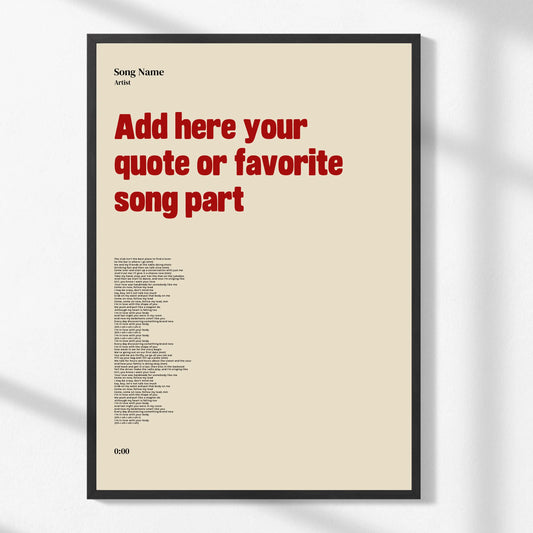

What Is Print-on-Demand? Your Custom Product Guide
WallfullyTL;DR:
- Print-on-demand is a fulfillment model where products are only printed and shipped after a customer places an order, eliminating the need for inventory.
- It offers creators the ability to test multiple designs without upfront costs, while buyers enjoy personalized, unique products.
Print-on-demand is a business model where products are only printed and shipped after a customer places an order, removing any need to hold inventory. Known in the industry as POD, this approach uses digital printing technology to make single or small-quantity runs economically viable. Whether you want to sell custom t-shirts, order a personalized poster, or launch a gift line, POD makes it possible without upfront manufacturing costs. Platforms like Shopify, Printful, and Printify have made the model accessible to anyone with a design idea and an internet connection.
What is print-on-demand and how does it work?
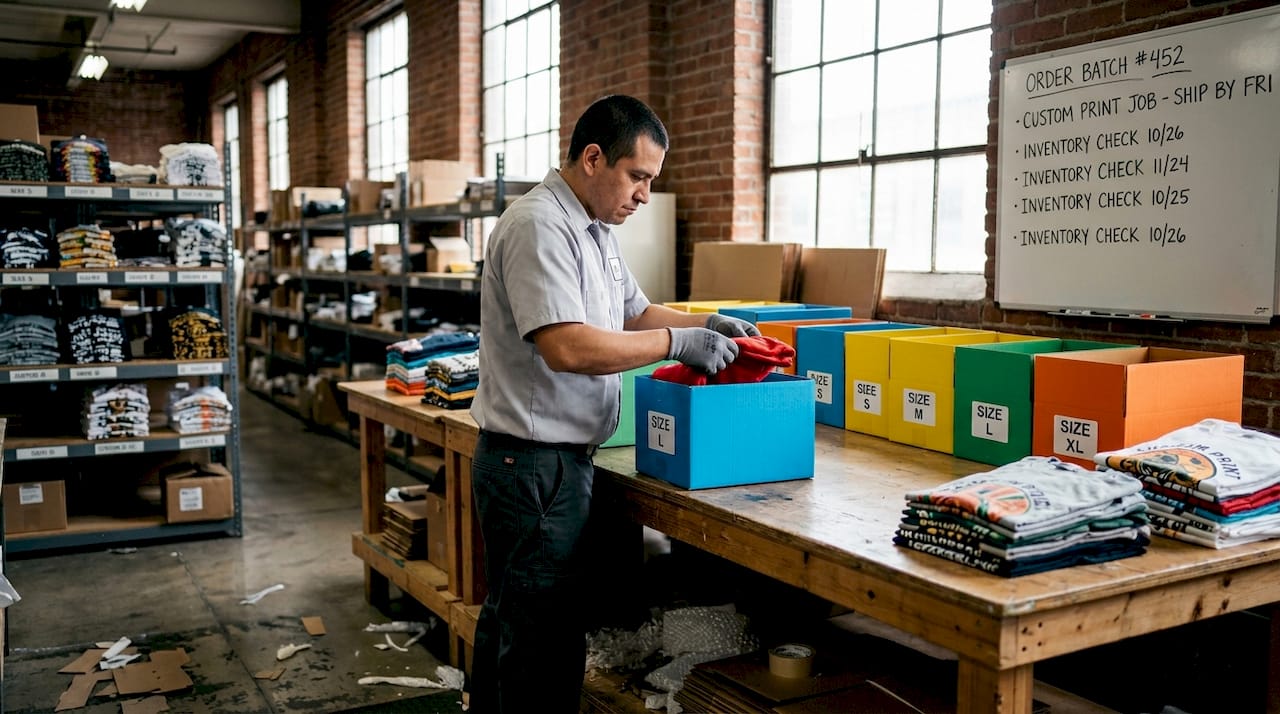
Print-on-demand is defined by Shopify as a fulfillment method where a third-party supplier creates and ships products only after a sale is made. The seller never touches the physical product. That distinction matters because it separates POD from traditional retail, where you buy stock in bulk, store it, and hope it sells.
The model became practical after digital printing replaced traditional offset presses as the standard for short runs. Offset printing requires expensive plate setup, making small quantities cost-prohibitive. Digital printing eliminated that barrier, allowing a single custom mug or poster to be produced at a reasonable cost.
Here is how the process works from start to finish:
- Create your design. You produce artwork using tools like Adobe Illustrator, Canva, or Procreate, then upload it to a POD platform.
- Choose your products. POD providers offer catalogs of blank items, from t-shirts and hoodies to phone cases and wall prints. You select which items to offer.
- List products in your store. You connect your POD provider to an e-commerce platform and publish your products with your pricing.
- A customer places an order. The buyer pays you through your storefront.
- The order routes to your POD provider automatically. Good e-commerce integration means this handoff happens without any manual work on your part.
- The provider prints, packages, and ships. The product goes directly to your customer, often with your branding on the packaging.
Pro Tip: Order samples of your own products before you launch. What looks sharp on screen can print differently depending on fabric type or paper stock, and catching that early saves you from customer complaints later.
The automation built into this workflow is what makes POD genuinely low-effort to operate. You focus on design and marketing. The logistics run themselves.
What products can you create with print-on-demand?
The range of items available through POD services is wider than most people expect. Common POD product categories include apparel, accessories, home decor, and printed documents, each serving a different creative or commercial purpose.
Here is a breakdown of the most popular categories:
- Apparel. T-shirts, hoodies, tank tops, and leggings are the most searched POD items. Niche designs targeting specific communities, from dog lovers to vintage gaming fans, tend to outperform generic graphics.
- Accessories. Mugs, tote bags, phone cases, and hats are high-margin items with strong gift appeal. A custom mug with a personal message is one of the top-selling POD gift products year over year.
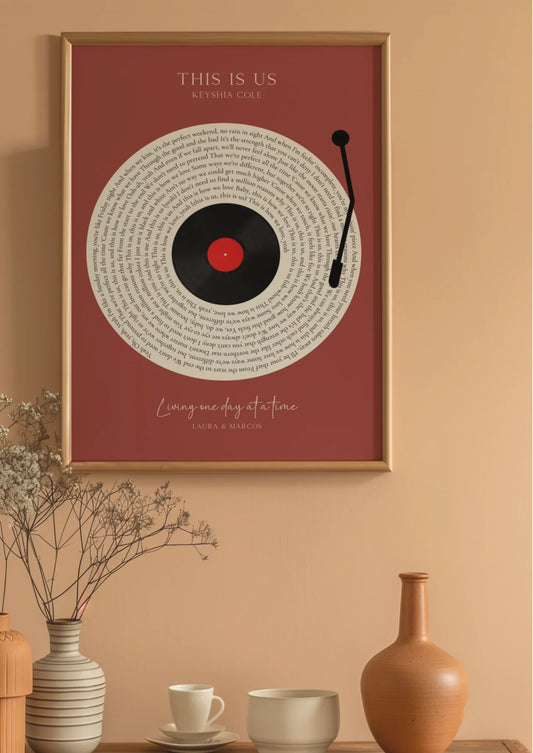
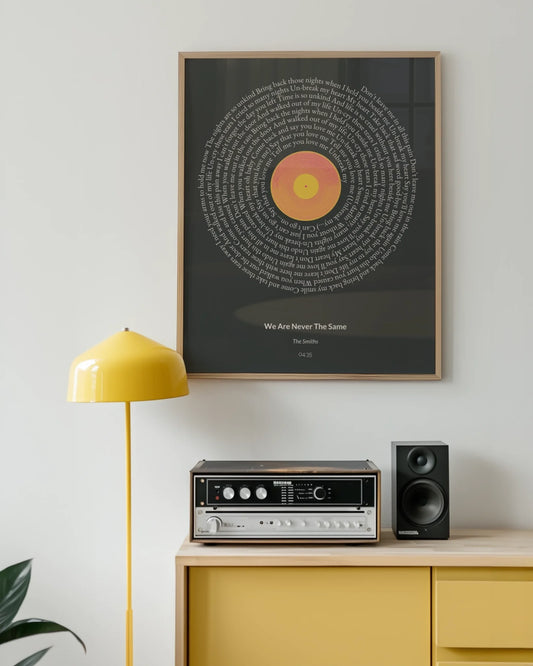
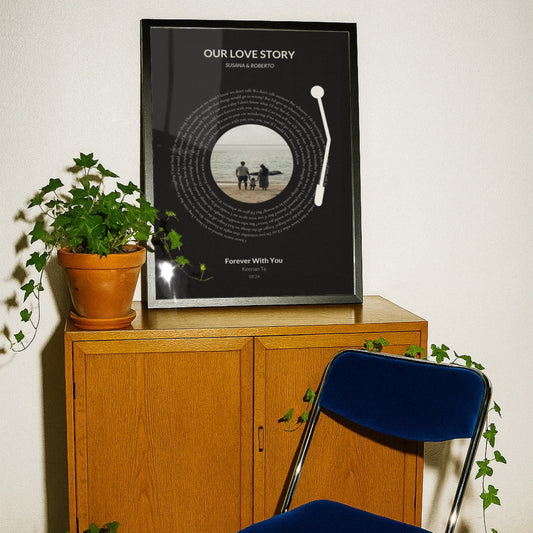
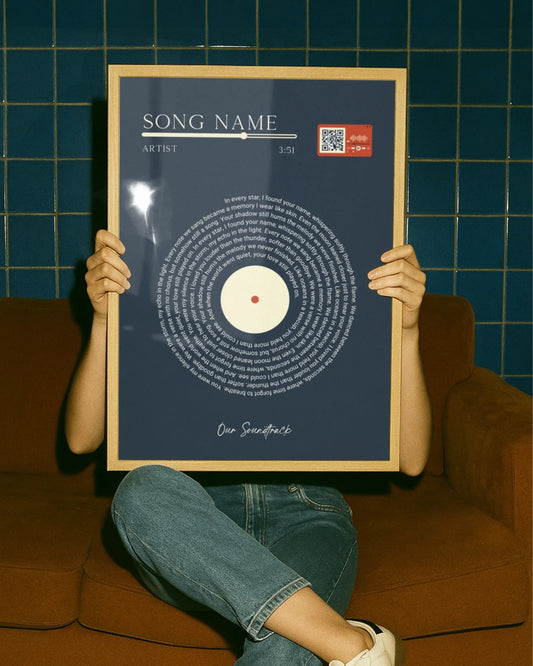
- Home decor. Posters, framed prints, canvas art, and throw pillows let buyers personalize their living spaces. This category has grown sharply as consumers invest more in personalized home decor.
- Books and publishing. Academic publishers and independent authors use POD to keep backlist titles available without large print runs. Publishers use POD to maintain availability and manage cash flow rather than warehouse thousands of copies.
- Personalized gifts. Birth announcement posters, anniversary prints, and custom maps are among the fastest-growing POD niches because they carry emotional value that mass-produced items cannot replicate.
The diversity of product options means POD is not a single market. An artist selling fine art prints operates very differently from a creator selling branded streetwear, even if both use the same underlying technology.
Benefits and limitations of print-on-demand
POD offers real advantages, but it also comes with trade-offs worth understanding before you commit.
Why POD works well for creators and buyers
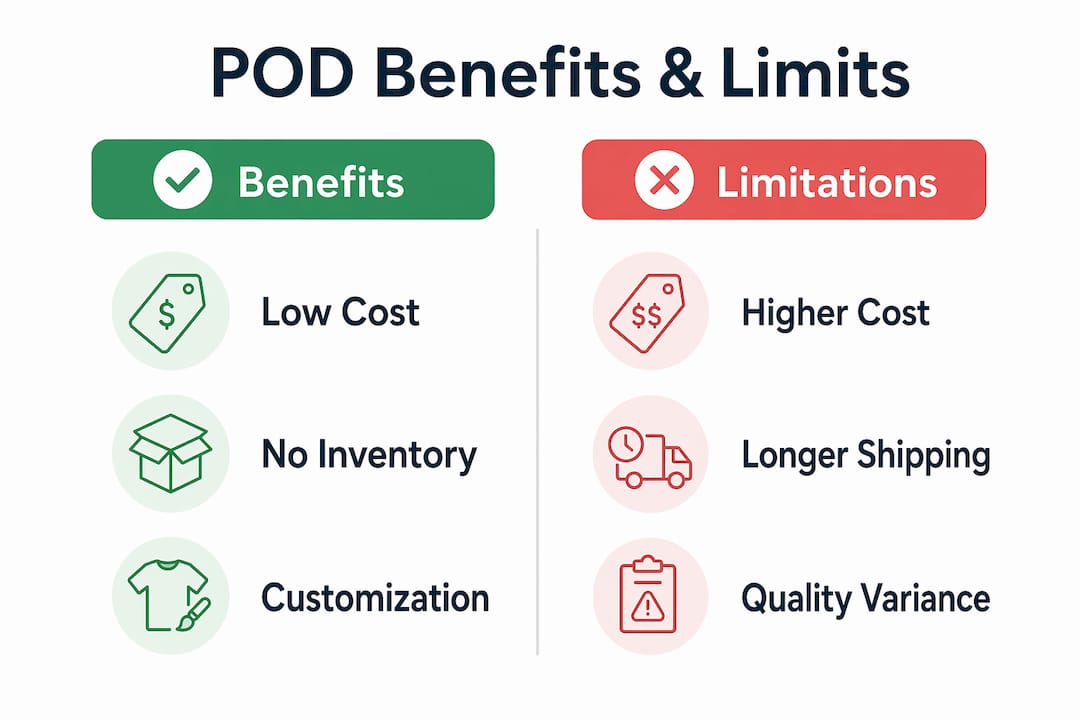
Creators benefit from POD primarily because they never need to manage inventory or shipping. That alone removes two of the biggest operational headaches in product-based businesses. You can test ten different designs simultaneously, see which ones sell, and scale the winners without financial exposure.
For buyers, the appeal is personalization. Consumer demand for shorter runs and customized products has pushed POD from a niche workaround into a mainstream fulfillment model. A buyer can order one custom poster with their wedding date and location, and it arrives printed specifically for them.
Where POD has real limitations
| Factor | Print-on-demand | Traditional bulk printing |
|---|---|---|
| Upfront cost | None | High (minimum order quantities) |
| Per-unit cost | Higher | Lower at scale |
| Inventory risk | Zero | Significant |
| Customization | Per-order | Fixed at print run |
| Speed to market | Days | Weeks |
| Profit margin | Moderate | Higher at volume |
The per-unit cost for POD is consistently higher than bulk offset printing. That means your profit margin per item is thinner unless you price accordingly. Sellers who try to compete on price with mass-produced goods usually struggle. Sellers who compete on personalization and uniqueness do much better.
Shipping times also vary by provider and location. A POD supplier based overseas may take two to three weeks to deliver to a U.S. customer. Always check where your provider’s fulfillment centers are located before committing.
Pro Tip: Price your POD products based on the value of the design and personalization, not the cost of the blank item. Buyers paying for a custom gift are not comparing your price to a generic product on Amazon.
How to choose and work with print-on-demand services
Selecting the right POD partner shapes everything from product quality to customer experience. POD success depends heavily on workflow quality, including file preparation, proofing, pricing, order handling, and fulfillment. The printing itself is almost secondary.
Here is what to evaluate when choosing a POD service:
- Product catalog depth. Does the provider carry the specific items you want to sell? Confirm that the blank products match your quality expectations before you build a store around them.
- Print quality and consistency. Read third-party reviews and order test prints. Inconsistent color output or poor placement ruins customer trust fast.
- E-commerce platform integration. Your POD provider should connect directly to your storefront so orders route automatically. Automated order transmission is what makes POD scalable without adding staff.
- Fulfillment location. Providers with fulfillment centers close to your customers deliver faster and reduce shipping costs. This matters especially if you sell internationally.
- Branding options. Some providers allow custom packing slips, branded labels, or packaging inserts. These details affect how professional your brand feels to the buyer.
- Pricing transparency. Understand the base cost for every product you plan to sell before you set retail prices. Hidden fees for mockups, integrations, or premium placements add up.
Once you have chosen a provider, prepare your design files to their exact specifications. Most providers publish detailed templates with bleed zones, safe areas, and resolution requirements. Submitting files that do not meet those specs is the most common reason for poor print quality. Check the personalization process carefully for each product type, since placement and resolution requirements differ between a t-shirt and a poster.
Monitor your first 20 to 30 orders closely. Look for patterns in customer feedback, check that tracking numbers are being issued, and confirm that delivery times match what you promised. The early stage is when you catch provider issues before they scale into a reputation problem.
Key takeaways
Print-on-demand is a zero-inventory fulfillment model where digital printing technology enables custom products to be made per order, giving creators and buyers flexibility that traditional bulk printing cannot match.
| Point | Details |
|---|---|
| Core definition | Products are only printed after purchase, removing all inventory and warehousing costs. |
| How it works | Orders route automatically from your store to a POD provider who prints, packs, and ships. |
| Best product categories | Apparel, mugs, home decor prints, and personalized gifts are the strongest-performing POD niches. |
| Key trade-off | Per-unit costs are higher than bulk printing, so pricing on personalization value is critical. |
| Provider selection | Evaluate catalog depth, print consistency, fulfillment location, and e-commerce integration before committing. |
Why POD is more of a business model than a printing service
I have seen a lot of people approach print-on-demand as if the hard part is finding a printer. It is not. The hard part is everything else: the product selection, the design quality, the pricing strategy, the platform setup, and the customer experience you build around a product the buyer never sees until it arrives at their door.
POD is a full workflow strategy, not just a printing capability. The sellers who treat it that way, who obsess over their mockup photography, their product descriptions, and their return policies, consistently outperform those who upload a design and wait for sales.
The personalization trend is also not slowing down. Buyers increasingly want products that feel made for them specifically, not pulled from a warehouse shelf. That shift favors POD structurally. A custom baby birth poster or a map print of the city where someone got married carries meaning that no mass-produced item can replicate. That emotional weight is what justifies the price premium and what keeps customers coming back.
My honest advice: start with one product type, get the quality right, and then expand. Sellers who launch with 50 mediocre products almost always underperform sellers who launch with five excellent ones.
— Luanda
Start creating custom prints with Wallfully
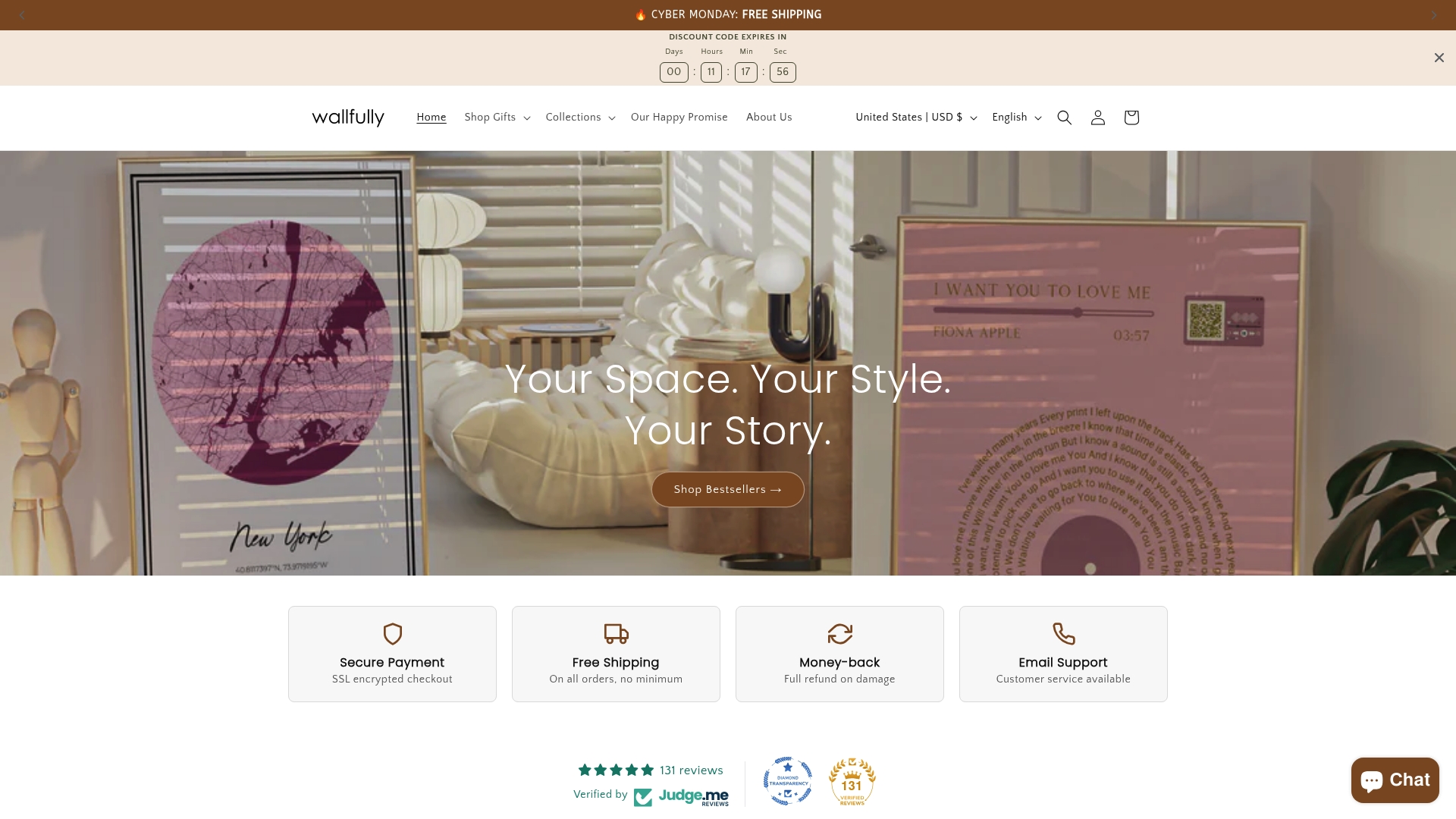
Wallfully makes the print-on-demand experience straightforward for anyone who wants to create meaningful, personalized wall art without dealing with inventory or complex setup. You choose a design style, add your personal details like names, dates, or locations, preview the result, and order. Every print ships free, is produced with eco-friendly materials, and comes backed by a satisfaction guarantee. Whether you are creating a gift for a milestone occasion or adding something personal to your own space, Wallfully’s catalog of personalized wall art covers song lyric posters, custom maps, photo collages, zodiac prints, and more. Visit Wallfully to start building your custom print today.
FAQ
What is print-on-demand in simple terms?
Print-on-demand is a fulfillment model where a product is only manufactured after a customer orders it. There is no inventory, no bulk purchasing, and no warehousing involved.
How does print-on-demand make money?
Sellers set a retail price above the POD provider’s base cost, and the difference is their profit. Margins vary by product, but personalized and niche items typically support higher pricing than generic designs.
Is print-on-demand profitable?
POD can be profitable, but per-unit costs are higher than bulk printing, so profitability depends on strong design differentiation and smart pricing rather than volume discounts.
What are the best print-on-demand platforms?
Printful, Printify, and Gooten are widely used POD platforms that integrate with Shopify, Etsy, and WooCommerce. Each differs in product catalog, fulfillment locations, and pricing structure.
Can artists use print-on-demand to sell their work?
Yes. POD is one of the most practical ways for artists to sell prints, apparel, and home decor without upfront production costs. The artist uploads their design, sets pricing, and the provider handles all manufacturing and shipping.