
Why Free Shipping Matters: What Shoppers Need to Know
WallfullyTL;DR:
- Free shipping heavily influences online purchasing choices by activating the brain’s emotional reward, leading shoppers to prioritize it over price. Many consumers add items to reach free shipping thresholds, increasing their total spending, but often pay for this benefit through higher total costs. Retailers embed shipping expenses into product prices or memberships, which can result in unnecessary expenses for consumers despite the appeal of free delivery.
Free shipping is the single most influential factor in online purchase decisions, shaping where shoppers buy and how much they spend. Free shipping drives 94% of online purchase decisions, outranking both price and brand loyalty. That number reframes the entire shopping experience. Understanding why free shipping matters puts you in control of your own buying behavior, rather than letting a retailer’s checkout page make the decision for you.
Why free shipping matters more than price
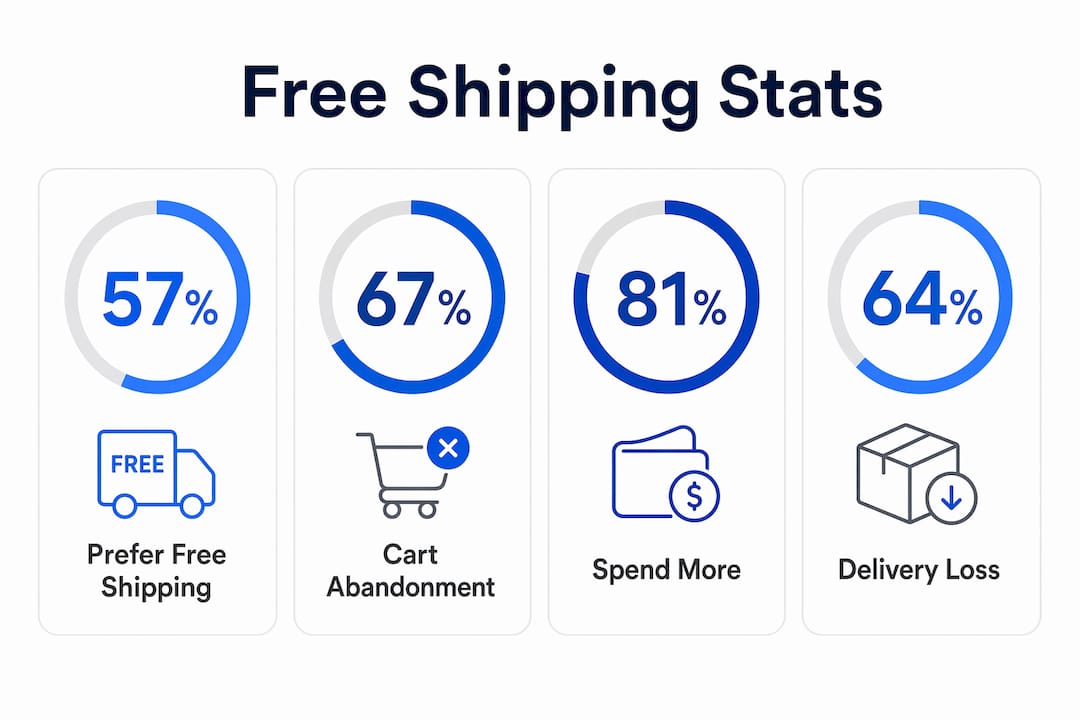
The data is direct: 57% of shoppers rank free shipping above the lowest item price when deciding where to buy. That means a product listed at $5 more on a site offering free shipping will beat a cheaper listing that charges $6.99 to ship. The math often works out the same, but the psychology does not. Shoppers consistently choose the option that feels free, even when the total cost is identical or higher.
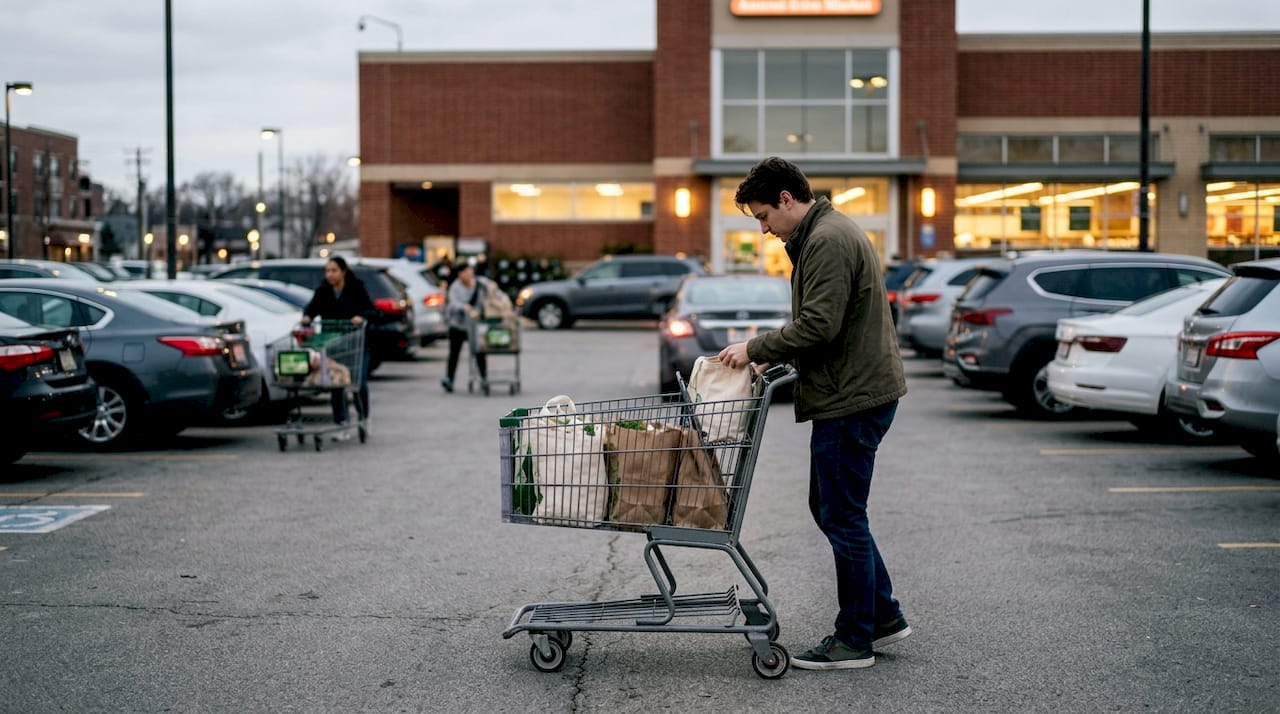
Two in three shoppers abandon their cart when shipping fees exceed about $10. That abandonment rate is not about the money. It is about the feeling that the retailer is adding a penalty at the last moment. Understanding this distinction helps you recognize when a “free shipping” offer is genuinely saving you money and when it is simply removing a psychological barrier that was never really there.
How free shipping shapes buying behavior
The behavioral economics concept behind free shipping is called the “zero price effect.” When the brain registers a price of zero, it activates the medial prefrontal cortex, the region linked to emotional reward. Neurological studies confirm that selecting a free shipping option produces a measurably different brain response than selecting a discounted shipping option, even when the dollar savings are equivalent. Free does not just feel cheaper. It feels like a win.
Shipping fees trigger what behavioral economists call the “pain of payment.” This pain is disproportionate to the actual dollar amount. Consumers perceive shipping fees as a penalty rather than a cost of service, which is why a $4.99 shipping charge can kill a $40 sale. The same $4.99 added to the product price would rarely cause the same reaction. Mental accounting treats these two charges as fundamentally different, even when the math is identical.
Here is how the psychology plays out in a typical shopping session:
- You find a product you want at $35 with free shipping.
- You find the same product at $31 with $4.99 shipping.
- The total cost is nearly the same, but the first option feels better.
- The shipping line item reads as a punishment; the product price does not.
- You choose the free shipping option and feel satisfied with the decision.
Pro Tip: Before you click “buy,” add both totals manually. If the free shipping option costs more overall, you are paying for the feeling of free, not an actual discount.
Does free shipping make you spend more?
Free shipping does not just influence where you buy. It changes how much you spend. 81% of American shoppers will add items to their cart specifically to reach a free shipping threshold. That behavior is not irrational. If you need $12 more to qualify for free shipping and the shipping fee would have been $8, adding a $12 item you actually want is a reasonable trade. The problem is that shoppers often add items they do not want or need just to cross the threshold.
Retailers know this. The threshold model is designed to increase average order value, and it works. Conversion rates are over 20% higher for retailers that offer free shipping compared to those that do not. That lift comes directly from shoppers who would have abandoned their carts otherwise.
The most common threshold expectations among shoppers break down like this:
- $25 to $49 order total. 56% of shoppers expect free shipping to kick in somewhere in this range. This is the sweet spot where retailers capture the most conversions without giving away margin.
- Under $25. A smaller segment expects free shipping on very small orders. Retailers rarely offer this without a membership program attached.
- No threshold at all. Only 8% of shoppers expect free shipping on every order regardless of size. That expectation is rare, but it shapes loyalty when a retailer meets it.
- Above $50. Thresholds set above $50 significantly increase cart abandonment. Shoppers view these as unreasonably high and often leave rather than add more items.
| Threshold range | Shopper expectation | Abandonment risk |
|---|---|---|
| Under $25 | Low expectation, high delight | Very low |
| $25 to $49 | Most common expectation | Low |
| $50 to $74 | Acceptable for large purchases | Moderate |
| $75 and above | Seen as punitive | High |
Pro Tip: If a retailer’s threshold sits above $50, check whether a loyalty program membership brings it down. The annual fee often pays for itself in two or three orders.
What free shipping models actually look like in 2026
Not all free shipping offers work the same way. The model a retailer uses tells you a lot about how they price their products and manage their margins. Knowing the difference helps you shop with your eyes open.
Threshold-based free shipping is the most common model. The retailer sets a minimum order value, and you qualify automatically once you hit it. This model is transparent and easy to use. The catch is that thresholds have been creeping upward as fulfillment costs rise. 22% of retailers now combine minimum order values with paid membership requirements, meaning you need both a qualifying cart total and an active subscription to unlock free delivery.
Unconditional free shipping, where every order ships free regardless of size, almost always includes shipping costs baked into product prices. The retailer is not absorbing the cost. They are redistributing it. You pay for shipping either way. The difference is that you never see a line item for it, which removes the psychological sting entirely. For shoppers who understand this, the model is still valuable because it eliminates the threshold game. For shoppers who do not, it can create a false sense of savings.
Hybrid models, which combine membership programs with order minimums, are growing as fulfillment costs climb. These models work well for frequent shoppers who buy regularly from the same retailer. They work poorly for occasional buyers who pay a membership fee but never recoup the value. Understanding how free shipping works at the structural level helps you decide which model actually benefits your shopping habits.
The trade-offs shoppers rarely think about
Free shipping is not cost-free. The costs move around, but they do not disappear. Retailers embed shipping costs into product prices, membership fees, or both. The shopper who buys one item from a free shipping retailer is often paying more per unit than they would at a retailer that charges shipping separately. The total is similar. The experience feels different.
Free shipping also increases impulse purchases and return rates. When delivery feels free, the perceived financial risk of buying something drops. Shoppers make riskier purchases under free shipping conditions, buying items they are less certain about and returning them at higher rates. Returns cost retailers money, and those costs eventually cycle back into prices or stricter return policies.
The broader industry picture is stark. 64% of retail executives report that home delivery is currently unprofitable, even as shopper demand for free shipping grows. That gap between expectation and economics is pushing retailers toward hybrid models, tighter thresholds, and membership requirements. Delivery expectations have compressed so much that fast, free shipping is now the baseline, not a premium perk. That shift has real consequences for how retailers price everything else. For a deeper look at what these offers actually include, the free shipping offers explained guide covers the mechanics in plain terms.
Pro Tip: When comparing two retailers, add shipping costs to the product price before comparing. A $30 item with $5.99 shipping costs more than a $34 item with free shipping. The line items look different; the totals tell the real story.
Key Takeaways
Free shipping is the top driver of online purchase decisions, but its true value depends on understanding the psychology, the model, and the hidden costs behind every offer.
| Point | Details |
|---|---|
| Free shipping tops price | 57% of shoppers rank free shipping above the lowest item price when deciding where to buy. |
| The zero price effect is real | The brain registers free shipping as an emotional reward, not just a financial discount. |
| Thresholds drive spending | 81% of shoppers add items to their cart specifically to qualify for free shipping. |
| Costs are redistributed, not removed | Retailers embed shipping costs into product prices, membership fees, or both. |
| High thresholds backfire | Thresholds above $50 significantly increase cart abandonment and reduce conversions. |
The part most shoppers skip
I have spent years watching how retailers use free shipping as a lever, and the most consistent pattern I see is this: shoppers focus on whether shipping is free and skip the question of whether the total cost is actually lower. That is the gap retailers count on.
The zero price effect is not a flaw in your thinking. It is a feature of how human brains process value. Knowing it exists does not make you immune to it, but it does give you a moment to pause. When I see a free shipping offer, my first move is to check the product price against a retailer that charges shipping separately. About half the time, the “free shipping” retailer is more expensive overall. The other half, it genuinely is the better deal.
The threshold model is where I see the most unnecessary spending. Adding a $15 item you do not need to avoid a $7 shipping fee is a $15 loss dressed up as a win. The smarter play is to either pay the shipping fee or wait until you have a genuine need that brings your cart to the threshold naturally. Ecommerce newsletters and loyalty programs often include free shipping promotions that make the math work without forcing extra purchases. Retailers that use ecommerce retention strategies tied to free shipping tend to offer better timing on those deals.
Shop with the total in mind, not the line items.
— Luanda
Wallfully’s approach to free shipping and value
Wallfully offers free shipping on every order, with no threshold and no membership required. That policy reflects a straightforward belief: the price you see for a custom poster, song lyric print, or personalized map should be the price you pay.
Personalized wall art is already a considered purchase. Adding a surprise shipping fee at checkout undermines the experience. Wallfully builds shipping into its pricing so you can focus on creating something meaningful, whether that is a custom milestone print for a birthday or a map print of a place that matters to you. No threshold math, no membership required, and no last-minute charges at checkout.
FAQ
Why does free shipping influence purchase decisions so strongly?
Free shipping triggers the “zero price effect,” a neurological response that registers free as an emotional reward rather than a simple discount. This reaction is stronger than the response to an equivalent price reduction on the product itself.
What is the most common free shipping threshold shoppers expect?
56% of shoppers expect free shipping to apply once their order reaches between $25 and $49. Thresholds above $50 significantly increase the chance that shoppers will abandon their carts.
Does free shipping actually save money?
Not always. Retailers frequently embed shipping costs into product prices, so the total cost is similar whether shipping appears as a line item or not. Comparing total costs across retailers gives a clearer picture than comparing shipping policies alone.
Why do shoppers spend more when free shipping is available?
The perceived financial risk of a purchase drops when delivery feels free. This leads shoppers to add more items to their cart, often to reach a threshold, and to make less certain purchases they might otherwise skip.
Is unconditional free shipping better than threshold-based free shipping?
Unconditional free shipping removes the threshold game entirely, which benefits occasional buyers. Threshold-based models reward shoppers who already planned to spend enough to qualify. The better model depends on how often you buy and how much you typically spend per order.