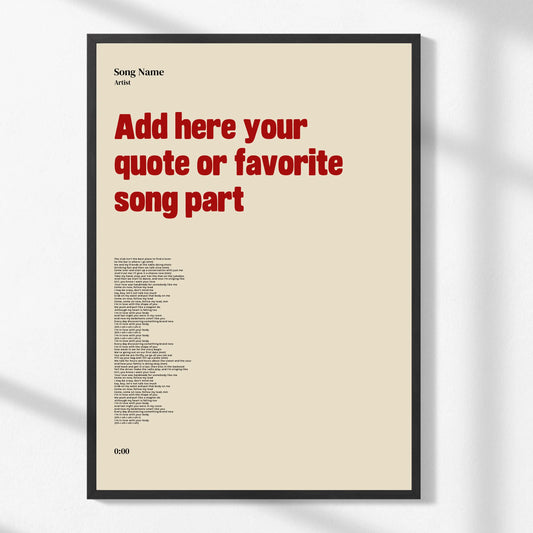

Why High-Quality Printing Matters for Gifts and Decor
WallfullyTL;DR:
- High-quality printing impacts durability and emotional perception beyond just appearance, ensuring prints last and preserve memories.
- Using pigmented inks on acid-free, cotton rag paper ensures longevity, while high resolution and precise finishing signal care and professionalism.
Most people assume print quality is purely about how something looks. Get the colors close enough, and you’re done. But why high-quality printing matters goes much deeper than surface appearance. It shapes how long your print survives, how a gift recipient actually feels when they hold it, and whether a custom piece on your wall still looks sharp five years from now. This article breaks down the real differences between standard and high-quality prints, covering everything from materials and longevity to the emotional signals that quality sends before anyone looks closely.
Table of Contents
- Key takeaways
- Why high-quality printing matters: the foundation
- How print quality shapes emotional impact
- Practical benefits: durability and reliability
- High quality versus standard: knowing the difference
- How to choose quality printing for your project
- My take on print quality and lasting impressions
- Bring your custom print to life with Wallfully
- FAQ
Key takeaways
| Point | Details |
|---|---|
| Quality affects more than looks | Print quality shapes emotional impact, durability, and usability, not just visual appeal. |
| Archival materials last generations | Pigment inks on acid-free cotton paper can preserve prints for 200+ years under proper conditions. |
| Physical cues build trust instantly | Sharpness, paper stiffness, and clean edges signal care and professionalism before close inspection. |
| Low DPI creates real problems | Poor resolution causes blurry images, failed QR codes, and a cheap feel that undercuts the whole piece. |
| Gifts deserve investment in quality | For meaningful personal projects and home decor, print quality directly determines how well the memory holds up. |
Why high-quality printing matters: the foundation
Not all printing is equal, and the differences show up in materials long before they show up in appearance. Understanding a few key factors helps you make smarter choices when ordering custom prints for your home or as a gift.
Ink type is where it starts. There are two main categories: pigment-based inks and dye-based inks. Dye inks dissolve into the paper surface and produce vivid colors right away, but they fade faster when exposed to light and humidity. Pigment inks work differently. Pigment inks embed microscopic solid particles into the paper fibers themselves, which makes them significantly more resistant to UV light, moisture, and airborne pollutants. For anything you want to last, pigment is the clear choice.
Paper quality shapes everything else. The substrate your print lands on determines the outcome just as much as the ink. Here’s what separates quality paper from the cheap alternative:
- Acid-free paper prevents the yellowing and brittleness that standard paper develops over time
- Cotton rag paper provides exceptional stability, a tactile weight that feels premium, and superior ink absorption
- Optical brightener-free stock matters more than most people realize. Papers with optical brighteners can degrade faster and interact poorly with certain inks
- Paper weight and stiffness create the physical cues that make a print feel substantial and well-made the moment someone picks it up
Print resolution sets the ceiling on sharpness. DPI (dots per inch) determines how much detail your print can actually render. Low DPI makes premium products appear cheap or poorly made, even when the underlying image is excellent. For wall art and gift prints, 300 DPI is the standard floor. Anything below that and you start trading crispness for cost in ways that become obvious when the piece is framed and on a wall.
Color fidelity and finishing touches round out the picture. Consistent color matching, clean edge trimming, and protective coatings all contribute to whether a print feels considered or rushed.
How print quality shapes emotional impact
There’s a moment when someone receives a gift print and unwraps it. In that moment, the quality of the piece communicates something before they even process the image itself. That first physical impression carries a lot of weight.

Buyers react emotionally to physical print cues like sharpness, trim accuracy, stiffness, and edge finish. These cues operate below conscious awareness. A print with slightly blurry edges, inconsistent color, or flimsy paper triggers a subtle sense of disappointment, even if the recipient can’t name exactly why. The reverse is also true. A print with sharp detail, consistent color, and a weighty, premium feel communicates that the giver put real thought and care into it.
For personalized gifts, this signal matters enormously. You’re not just giving a picture. You’re giving something that represents a memory, a relationship, or a milestone. The physical quality of that object either reinforces or undermines the emotional weight you intended.
Here’s how to think about what quality signals to a gift recipient:
- Sharp edges and fine detail tell the recipient that nothing was cut short in production. They subconsciously register precision as care.
- Consistent, true-to-life color makes the image feel real and faithful, especially in photo prints or personalized maps with specific color palettes.
- Substantial paper weight creates a tactile experience that cheap paper can’t replicate. It feels like something worth keeping.
- Clean trimming and finishing show that the final product was inspected and completed properly, not rushed out.
When all of these elements come together, the print becomes something the recipient genuinely wants to display. That’s the difference between a gift that ends up in a drawer and one that goes on the wall.
Pro Tip: If you’re giving a custom print as a gift, ask the printer specifically whether they use pigment-based inks and acid-free paper. These two factors alone separate a print that will look great in ten years from one that won’t.
Practical benefits: durability and reliability
The advantages of quality printing aren’t just emotional. They translate directly into how useful and long-lasting your prints actually are.
Archival pigment printing can achieve over 200 years of display life under museum conditions. For your home, that’s not a vanity claim. It means a custom anniversary print or a map of where you met doesn’t start fading or yellowing within a few years. It stays sharp and true the way you intended it.
Print longevity compared
| Print type | Expected lifespan | Fading risk | Best use |
|---|---|---|---|
| Dye-based ink on standard paper | 10 to 25 years | High (UV and humidity) | Short-term use |
| Pigment ink on coated paper | 75 to 100 years | Moderate | Home decor |
| Pigment ink on acid-free cotton | 100 to 200+ years | Very low | Gifts, heirlooms, wall art |
One nuance worth knowing: archival longevity depends on the weakest component in the chain. Even the best pigment inks fail prematurely on acidic or optical brightener-laden papers. True archival quality requires both matched ink and substrate ratings working together. A printer that uses premium ink on cheap paper is not giving you archival quality, regardless of how they market it.
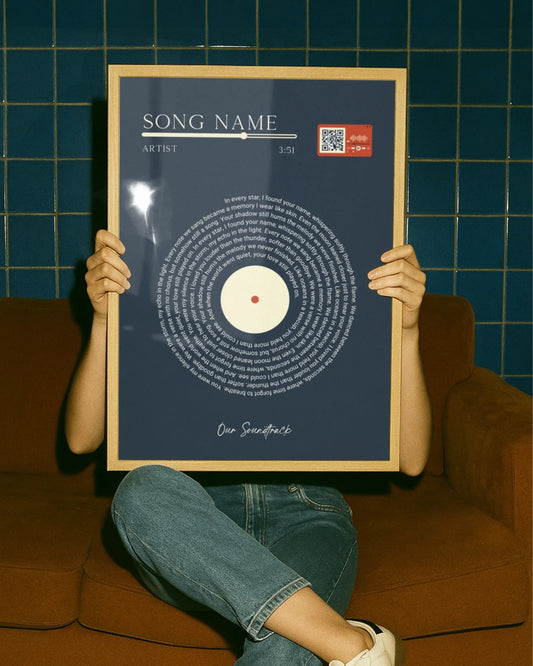
Beyond aesthetics, print quality affects real-world function. QR code scanning success depends directly on print resolution. Softened edges or low DPI cause QR codes to fail entirely, which matters if your custom print includes a code linking to a playlist, a digital album, or a video message. Print settings like DPI and correct scale are the difference between a functional, interactive gift and one that simply doesn’t work when someone tries to use it.
Pro Tip: When ordering a print that includes a QR code or fine text, request a proof at actual print size before approving the full run. What looks crisp on screen can become unreadable when printed at the wrong DPI.
High quality versus standard: knowing the difference
Understanding what you’re actually comparing helps clarify the decision. This isn’t about spending more for its own sake. It’s about knowing when the investment pays off and what you lose if you cut corners.
Customers form instant negative opinions from blurry images, cheap paper, inconsistent colors, smudged ink, and poor finishing. For a custom gift, those negative reactions don’t just reflect on the printer. They reflect on you as the person who chose it.
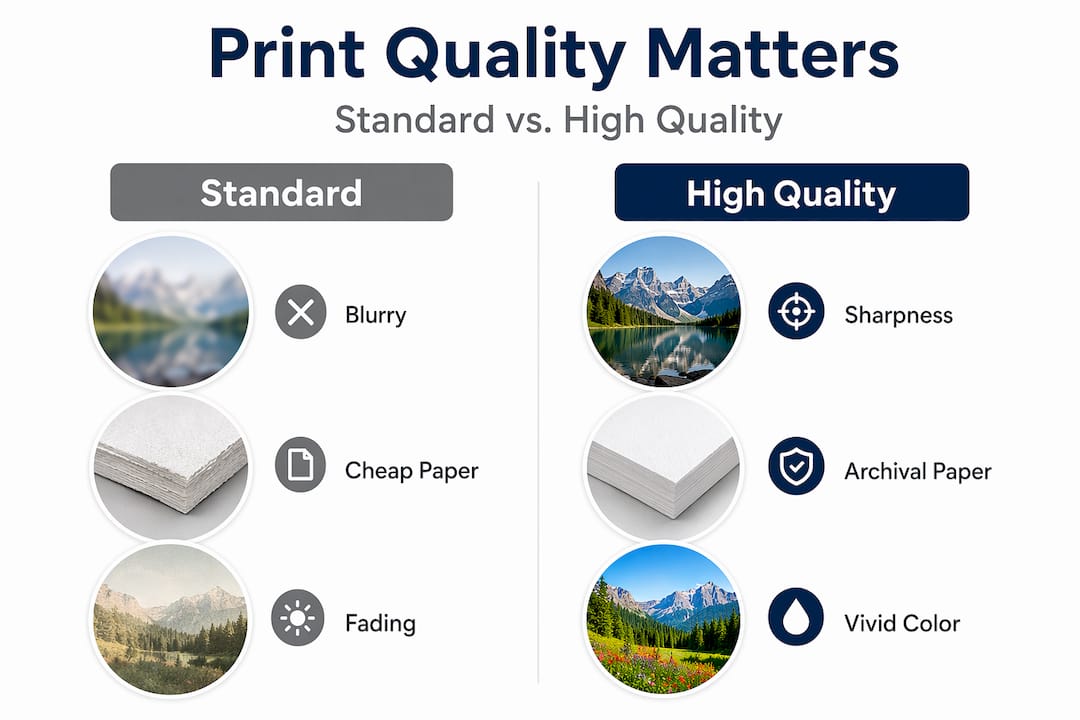
Common defects in standard-quality printing include banding (visible horizontal lines from inconsistent ink delivery), color shifting (where reds look orange or blues look purple), and soft focus across fine detail. On a print meant to capture a specific moment, a milestone, or a handwritten lyric, these defects make the whole thing feel generic.
The cost gap is also smaller than most people assume. High-quality printing from a reputable provider typically costs more than a budget print, but the difference on a single poster or custom wall art piece is often measured in dollars, not multiples. Spread across the years that print stays on your wall, the value is clear.
Projects that most benefit from quality investment include personalized anniversary and wedding prints, custom map art for homes, photo collages featuring milestone moments, and any print intended as a meaningful gift. These are pieces where the emotional stakes are high and the expectation is that the print will last.
How to choose quality printing for your project
Knowing what makes a quality print is only useful if you can translate it into decisions when you’re actually ordering. Here’s a practical checklist to help you evaluate your options:
- Ask about ink type. Pigment-based inks are the standard for anything you want to last. If a provider can’t tell you which ink system they use, that’s a red flag.
- Confirm the paper spec. Look for acid-free, and ideally cotton rag. Check for paper weight, typically expressed in gsm (grams per square meter). A quality art print usually uses 200 gsm or higher.
- Request a digital proof before printing. Any reputable provider offers this. It lets you catch color and layout issues before they’re permanent.
- Check resolution requirements. For wall art, supply your image at 300 DPI at print size. Ask the provider what their minimum file resolution is.
- Evaluate samples if possible. Many quality providers offer sample packs or small test prints. Holding the paper tells you more than any spec sheet.
- Ask about finishing options. A matte or satin coating protects the surface and reduces glare. Glossy finishes look vivid but show fingerprints and glare easily.
- Avoid providers that can’t answer basic material questions. A printer that markets “high quality” without specifics is usually relying on vague language to cover average results.
Balancing budget and quality comes down to prioritizing the projects that matter most. Not every print needs archival ink on cotton rag. But for gifts and home decor pieces you expect to keep and display, cutting material costs is the last place to save money.
My take on print quality and lasting impressions
I’ve spent a lot of time looking at what separates prints people display proudly from ones they quietly put away. The gap usually isn’t the image itself. It’s the physical object.
What I’ve learned is that quality acts as a credibility signal. When you hand someone a custom print that feels weighty, looks sharp, and holds its color faithfully, they immediately trust that the whole thing was made with intention. That trust is built before they even read what it says. In my experience, people underestimate this first-touch reaction significantly.
There’s also a hidden value in knowing your print will hold up. I’ve seen people order a beautiful personalized map or lyric poster on the cheap, only to have it noticeably yellow within two years on the wall. That’s not just a wasted purchase. It’s a lost memory. The emotional impact of personalized gifts is real and documented, but that impact depends entirely on the object surviving long enough to keep telling the story.
My honest recommendation: treat print quality as part of the gift itself, not just the packaging. When you choose materials and a printing method that match the weight of the occasion, the recipient feels that. It doesn’t require explanation.
— Luanda
Bring your custom print to life with Wallfully
You now know what separates a print worth keeping from one that disappoints. Wallfully puts that knowledge into practice with every order.

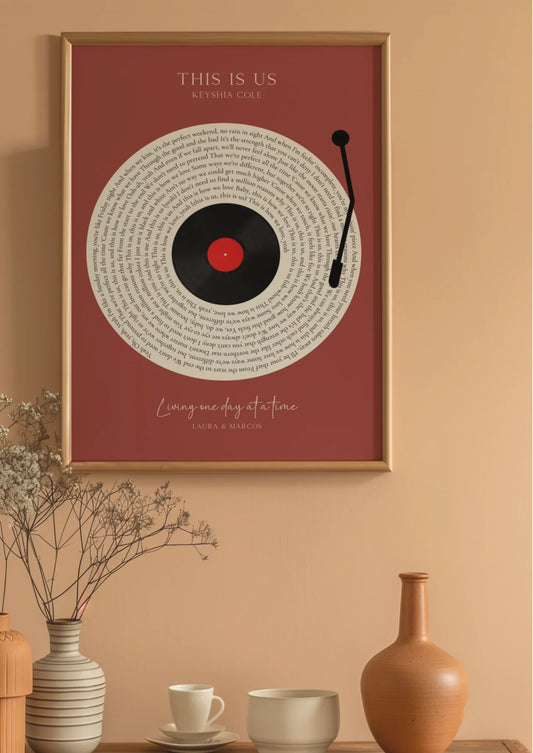
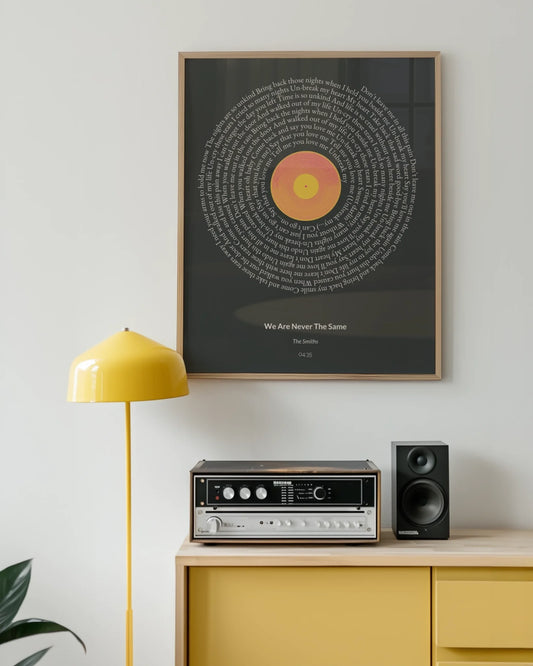
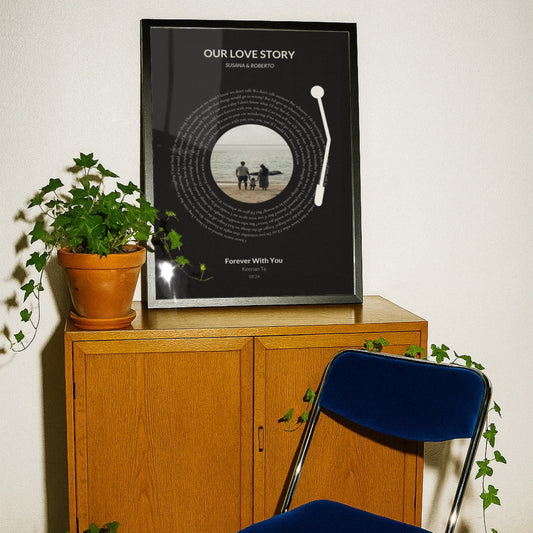
Wallfully uses archival pigment printing on high-quality, eco-friendly materials for every personalized piece, from song lyric posters to custom maps, milestone prints, and photo collages. Every order includes a digital preview so you see exactly what you’re getting before it ships. And with free shipping on all orders and a satisfaction guarantee, the only thing you need to focus on is choosing the right wall art design for your space or the person you’re gifting. If you want to understand exactly how Wallfully’s printing process works, their guide on high-quality printing for wall art covers every detail worth knowing.
FAQ
What makes a print “archival quality”?
A true archival quality print uses pigment-based inks on acid-free, cotton rag paper without optical brighteners. Both the ink and substrate must be matched for rated longevity, since the weakest component determines how long the print actually lasts.
Are high-quality prints worth it for gifts?
Yes, particularly for personalized or milestone gifts. Physical print cues like sharpness, paper weight, and clean edges communicate care and professionalism instantly, which strengthens the emotional impact of the gift.
How does print resolution affect the final result?
Print resolution, measured in DPI, determines how much fine detail your print can render. Below 300 DPI, images can appear soft or pixelated at viewing distance, and functional elements like QR codes may fail to scan properly.
How does printing quality affect how long a piece lasts?
Ink type and paper quality directly determine lifespan. Pigment inks on acid-free cotton paper can last over 200 years, while dye-based inks on standard paper typically fade or yellow within 10 to 25 years under normal conditions.
What should I check before ordering a custom print?
Ask about ink type (pigment preferred), paper weight and acid-free status, minimum resolution requirements, and whether a digital proof is available before printing. These four questions separate quality providers from budget alternatives quickly.