
Why Showcase Customer Collections to Boost Sales
WallfullyTL;DR:
- Showcasing customer collections builds trust and increases conversions by using authentic user content. Strategic curation and systematic integration of UGC across all touchpoints enhance credibility and engagement. The approach varies by brand type, focusing on depth for luxury brands and volume for mass-market brands.
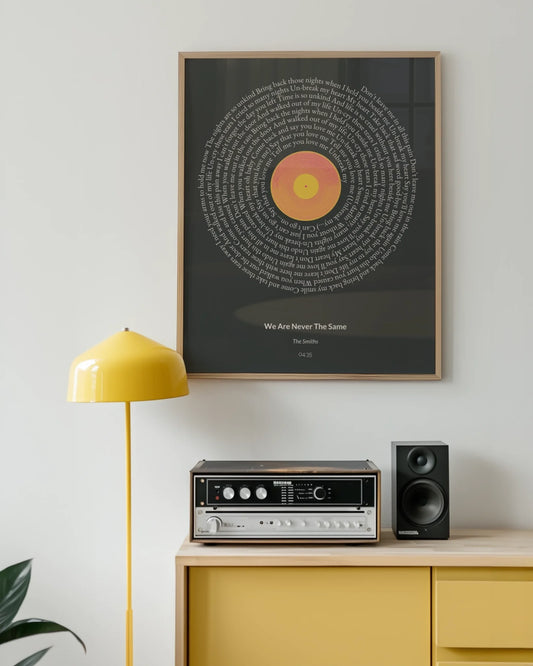
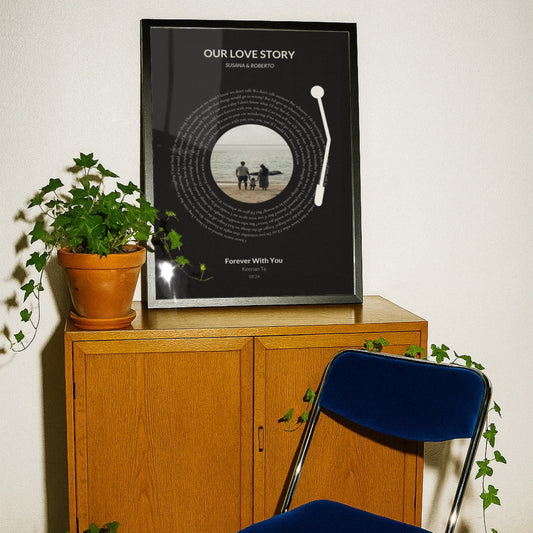
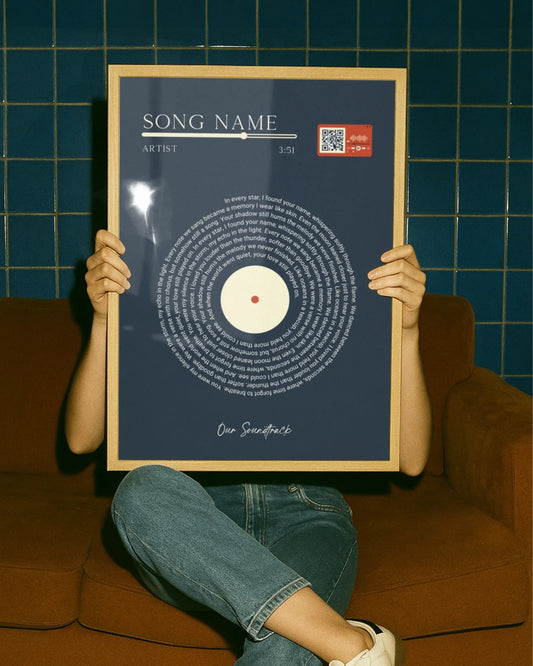
Showcasing customer collections is defined as the practice of curating and displaying user-generated content (UGC) from real buyers to build brand trust, drive conversions, and deepen customer engagement. This approach, also called social proof marketing, turns authentic customer photos, reviews, and stories into a direct sales tool. Product pages with shoppable customer imagery convert at 2.4x the rate of pages relying solely on brand content. That single number explains why businesses and marketers are shifting budgets toward customer-first storytelling. Wallfully uses this exact strategy to build trust and inspire purchase across its personalized wall art catalog.
Why showcase customer collections: the conversion case
The business case for featuring customer content is grounded in measurable outcomes, not marketing theory. Social proof acts as a cognitive shortcut for consumers, reducing purchase anxiety and accelerating decision-making. Shoppers do not want to be the first to take a risk. They borrow the verdict of the crowd to feel confident about a purchase.
The numbers back this up at every stage of the funnel:
- Just 10 customer reviews or featured posts can drive a 53% increase in conversion rates for specific products.
- Over 73% of U.S. e-commerce sessions now occur on mobile devices, making customer visuals critical for mobile conversions.
- Collection pages with UGC function as “choosing surfaces,” helping shoppers narrow options and reduce choice paralysis before they reach a product page.
- Embedding UGC at cart and checkout stages reduces abandonment by reinforcing confidence at moments of hesitation.
The mobile statistic is especially telling. When more than 7 in 10 sessions happen on a small screen, a real customer photo showing a product in a real home communicates far more than a studio shot. Shoppers scrolling on a phone need instant context. Customer imagery delivers it in one glance.
Social proof displayed as star ratings, testimonials, and best-seller badges reduces buyer hesitation and speeds purchasing decisions. These are not decorative elements. They are functional conversion tools that work at every touchpoint from the first scroll to the final checkout click.
How to curate and display customer collections effectively
Not all customer content belongs on your site. The importance of customer showcases depends entirely on the quality of what you choose to feature. Curation is the discipline that separates a trust-building gallery from a cluttered feed.
Criteria for selecting high-impact content
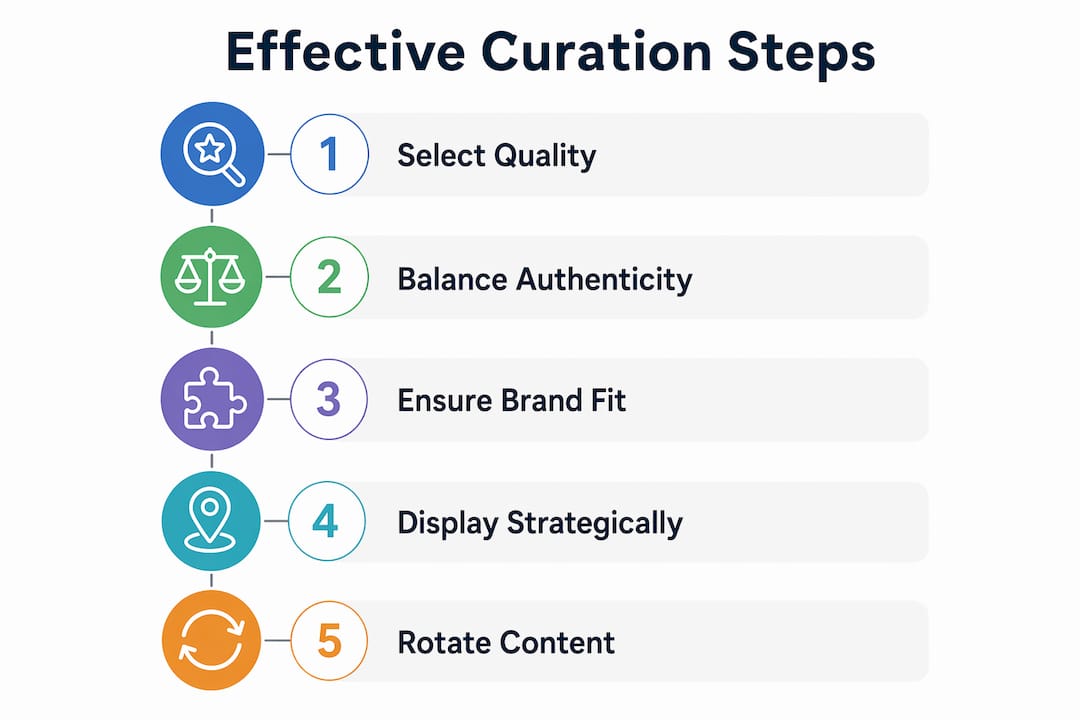
Select customer photos based on three factors: image quality, product focus, and brand alignment. A blurry photo shot in poor lighting undermines credibility even if the caption is glowing. Brands must moderate content quality on dimensions like lighting, product focus, and brand fit. Not all UGC is suitable for display, and publishing the wrong content signals low standards to new visitors.
Strong UGC candidates share these qualities:
- Clear, well-lit product visibility in a real-life setting
- A context that matches your brand’s visual identity (colors, style, mood)
- A story element, such as a caption explaining why the customer loves the product
- Diversity across customer types, settings, and use cases to appeal to a broad audience
Balancing authenticity with brand consistency
A light brand overlay framing customer photos balances polished presentation with authenticity. This technique keeps the real-customer feel intact while signaling that your brand curates with care. Avoid heavy filters or cropping that strips the photo of its original context.

Carousel formats work well for product detail pages because they let shoppers swipe through multiple customer perspectives without leaving the page. Thematic collections, such as “holiday gift ideas” or “home office setups,” group customer content around a shared purpose and make browsing feel intentional rather than random.
Pro Tip: Rotate your customer collection display regularly. Fresh content signals an active, engaged community and prevents your showcase from feeling stale to repeat visitors.
Systematic integration vs. one-off campaigns
One-off UGC campaigns produce a burst of content that fades quickly. Systematic integration builds a content pipeline that runs continuously. Brands that integrate UGC systematically with post-purchase triggers and content calendars outperform those relying on sporadic campaigns. The goal is a steady stream of fresh customer content that keeps your pages current and credible.
How do customer showcases work across e-commerce touchpoints?
The advantages of customer collection displays multiply when you deploy them at every stage of the buying funnel, not just on a single page. Each touchpoint serves a different psychological need, and customer content addresses all of them.
-
Product detail pages (PDPs): This is where purchase decisions crystallize. Shoppable customer imagery here converts at the highest rate because shoppers are already evaluating the product. A photo of a real customer’s living room featuring a Wallfully song lyric poster answers the question “will this look good in my space?” faster than any product description.
-
Collection pages: These pages help shoppers narrow their choices. UGC here reduces choice paralysis by showing how other customers have navigated the same decision. A shopper browsing photo collage ideas benefits from seeing how real buyers arranged similar prints.
-
Cart and checkout: Doubt peaks at checkout. Displaying a customer testimonial or a photo of a happy buyer at this stage reinforces the decision to complete the purchase.
-
Email and SMS flows: Post-purchase emails that feature customer collections from similar buyers create a sense of community. They also plant the seed for the recipient to share their own content.
-
Paid social and retargeting ads: Customer collections in paid ads lower cost-per-acquisition compared to purely brand-produced ads because of their trust and relatability advantages. A retargeting ad showing a real customer’s framed map print outperforms a polished studio image for audiences who have already visited the site.
Pro Tip: Test UGC against brand-produced creative in your paid social campaigns using A/B splits. Most brands find customer content wins on click-through rate within the first two weeks.
What systems should businesses build for ongoing UGC collection?
A reliable customer showcase requires a content pipeline, not a one-time push. The most effective programs run on automation and clear incentives.
Post-purchase UGC requests integrated into automated email and SMS flows increase collection rates and build a reliable content pipeline. The timing matters. A request sent three to five days after delivery, when the customer has had time to experience the product, produces far better results than a request sent immediately after purchase.
Key elements of a sustainable UGC system include:
- Post-purchase triggers: Automated emails or SMS messages asking customers to share a photo, timed to arrive after the product has been received and used.
- Incentive programs: Discount codes, loyalty points, or entry into a giveaway in exchange for a tagged post or submitted photo.
- Branded hashtag campaigns: A consistent hashtag makes it easy to find and aggregate customer content across Instagram, TikTok, and Pinterest.
- Rights management: Obtain explicit permission and filter content for legal compliance before publishing any customer collection. A simple reply-to-confirm system in your outreach email covers most cases.
- Content calendar rotation: Rotate content at a ratio of about 60% UGC to 40% brand-produced assets to maintain professionalism alongside authenticity.
Pro Tip: Create a dedicated landing page where customers can submit photos directly. It removes friction compared to asking them to post on social media first, and it gives you cleaner rights documentation.
How brand type shapes the right showcase approach
The benefits of showcasing customer collections look different depending on what you sell and who you sell it to. A mass-market brand and a luxury brand face opposite challenges when displaying customer content.
Luxury and niche brands benefit from art gallery-style curation. Curated storytelling with provenance and customer stories elevates customer advocacy for niche and luxury brands. Each featured customer becomes a character in the brand’s larger narrative. The emphasis is on depth over volume. One beautifully photographed customer story carries more weight than fifty generic five-star ratings.
Mass-market brands face the opposite challenge. Volume matters because shoppers expect to see many people like themselves reflected in the content. The key is maintaining quality standards even at scale. A large volume of mediocre photos erodes trust faster than a small volume of excellent ones.
Community-driven brands, such as those serving hobbyists or collectors, should align their showcase strategy with the culture of their audience. Featuring content that reflects the community’s values and aesthetic signals that the brand understands its customers. For brands serving culturally specific audiences, partnering with curated collections like African American wall art demonstrates genuine community investment rather than surface-level representation.
Consistently featuring customer photos creates a positive feedback loop, motivating more customers to contribute content. This loop is the long-term engine of any customer showcase program. The more you feature, the more customers want to be featured.
Key Takeaways
Showcasing customer collections drives measurable conversion lifts, builds brand trust, and creates a self-reinforcing content pipeline that outperforms brand-only marketing at every funnel stage.
| Point | Details |
|---|---|
| Conversion impact is immediate | Pages with shoppable UGC convert at 2.4x the rate of brand-only pages. |
| Curation quality determines credibility | Select customer photos based on lighting, product focus, and brand alignment. |
| Systematic pipelines beat campaigns | Post-purchase triggers and content calendars produce consistent, high-quality UGC. |
| Touchpoint coverage amplifies results | Deploy customer content across PDPs, collection pages, checkout, email, and paid ads. |
| Brand type shapes the right approach | Luxury brands prioritize depth and storytelling; mass-market brands balance volume with quality standards. |
The shift I keep watching in customer-first marketing
The most significant change I have observed over the past few years is not a new platform or a new ad format. It is the collapse of the gap between marketing content and customer content. Brands that used to treat UGC as a supplement to their “real” creative now treat it as the primary asset. That shift is not cosmetic. It reflects a genuine change in what shoppers trust.
What surprises most marketers when they first run a serious UGC program is how much the content quality improves over time. Early submissions are often rough. But when customers see their photos featured prominently, the next wave of submissions gets better. People rise to the standard you set. The gallery wall layouts customers create and share become better when they know those photos will be seen.
The practical challenge I see most often is rights management. Brands move fast, publish customer photos without proper permission, and then face complaints or removal requests. The fix is simple: build the rights request into your post-purchase flow from day one. Do not treat it as an afterthought.
My honest advice is to start smaller than you think you need to. Pick one product, one page, and one post-purchase email. Measure the conversion lift over 30 days. The data will make the case for scaling better than any strategy deck ever could.
— Luanda
Wallfully and the power of real customer stories
Personalized wall art lives or dies on the question “will this look as good in my home as it does on the screen?” Real customer photos answer that question directly.
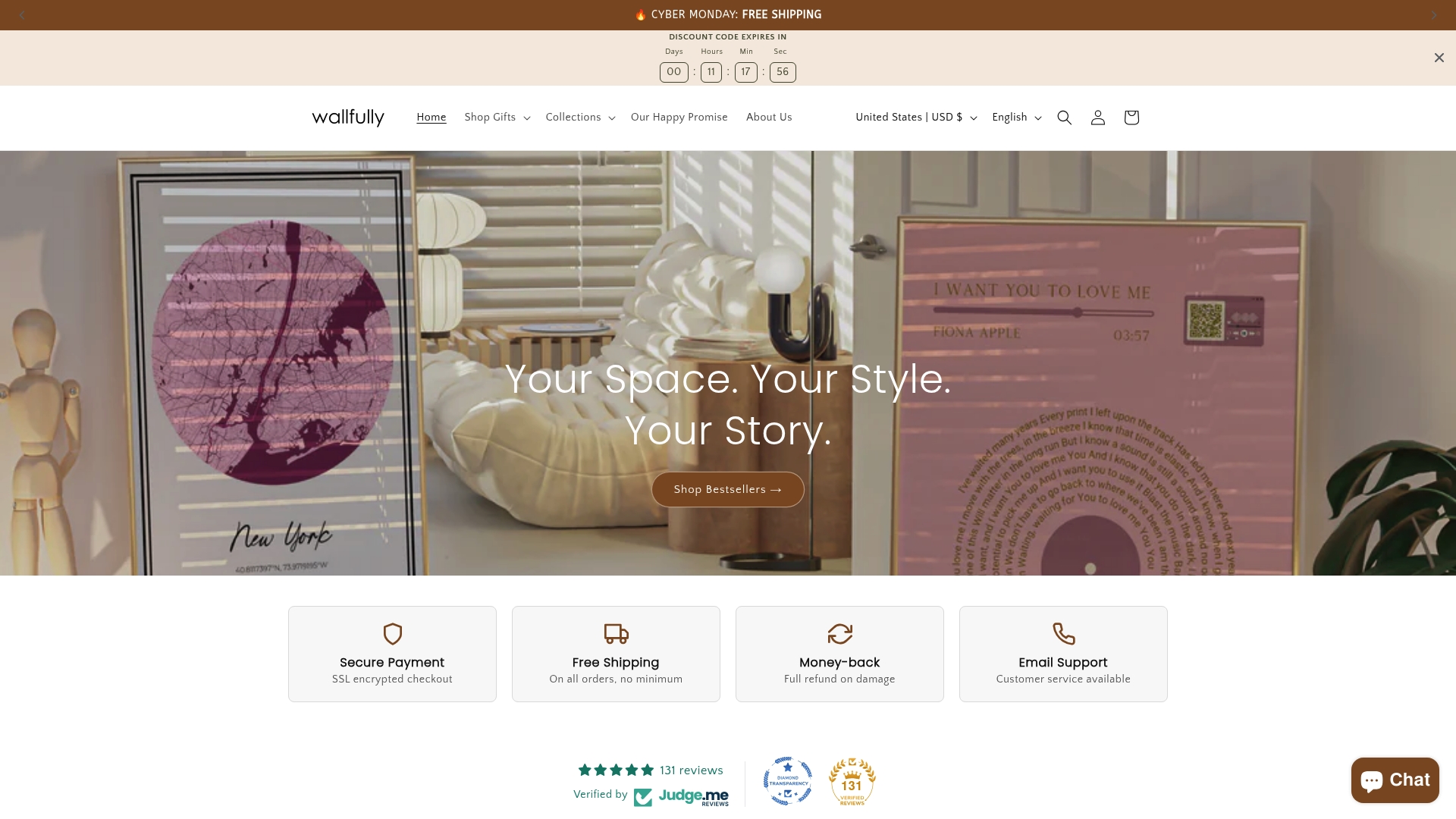
Wallfully’s platform is built around the kind of personalization that generates compelling customer content naturally. Every song lyric poster, custom map, and milestone print is a product customers want to photograph and share. Wallfully’s e-commerce art approach is grounded in making that sharing easy and rewarding. With free shipping on all orders, a satisfaction guarantee, and a catalog designed for gifting and personal milestones, Wallfully gives customers a reason to show off what they ordered. Visit Wallfully to see how personalized prints turn buyers into brand storytellers.
FAQ
Why does showcasing customer collections increase conversions?
Product pages with shoppable customer imagery convert at 2.4x the rate of brand-only pages because real photos reduce purchase anxiety and provide real-life context that studio shots cannot match.
How many customer reviews are needed to see a measurable lift?
As few as 10 featured customer posts or reviews can drive a 53% increase in conversion rates for a specific product, making early-stage UGC collection worth prioritizing immediately.
What is the best ratio of UGC to brand content?
A tested ratio of 60% UGC to 40% brand-produced assets maintains authenticity while preserving a professional presentation across product pages and paid campaigns.
Do I need legal permission to display customer photos?
Yes. Brands must obtain explicit permission and filter content for legal compliance before publishing any customer collection. A simple reply-to-confirm system in your post-purchase email covers most cases.
How do customer showcases differ for luxury vs. mass-market brands?
Luxury and niche brands benefit from gallery-style curation that emphasizes customer stories and provenance, while mass-market brands need volume at maintained quality standards to reflect a broad customer base.