
Your Unique Wall Art Checklist for a Stunning Home
WallfullyTL;DR:
- A structured wall art checklist uses practical criteria to ensure pieces have personality, balance, and emotional meaning. It emphasizes personal relevance, proper size, color harmony, durability, and biophilic elements to create a meaningful space. Proper planning, secure hanging, and personalized options make wall art both beautiful and functional for any room or gift.
A unique wall art checklist is a curated set of practical criteria that helps you select wall art with personality, visual balance, and emotional meaning. Most homeowners hang art by instinct and end up with pieces that feel disconnected from the room. A structured checklist changes that. It applies principles from environmental psychology and professional interior design to every decision you make, from size and placement to color and personal relevance. Wallfully’s collections are built around exactly these criteria, making it easier to find art that genuinely fits your space and your story.
1. Your unique wall art checklist: the core criteria
The best wall art selection checklist starts with personal relevance. Art that connects to your memories, values, or experiences creates a stronger emotional anchor in a room than any trend-driven piece. Environmental psychology confirms that wall art acts as an affective stimulus shaping mood and identity. That means the art you choose is not just decoration. It actively influences how you feel in your home every day.
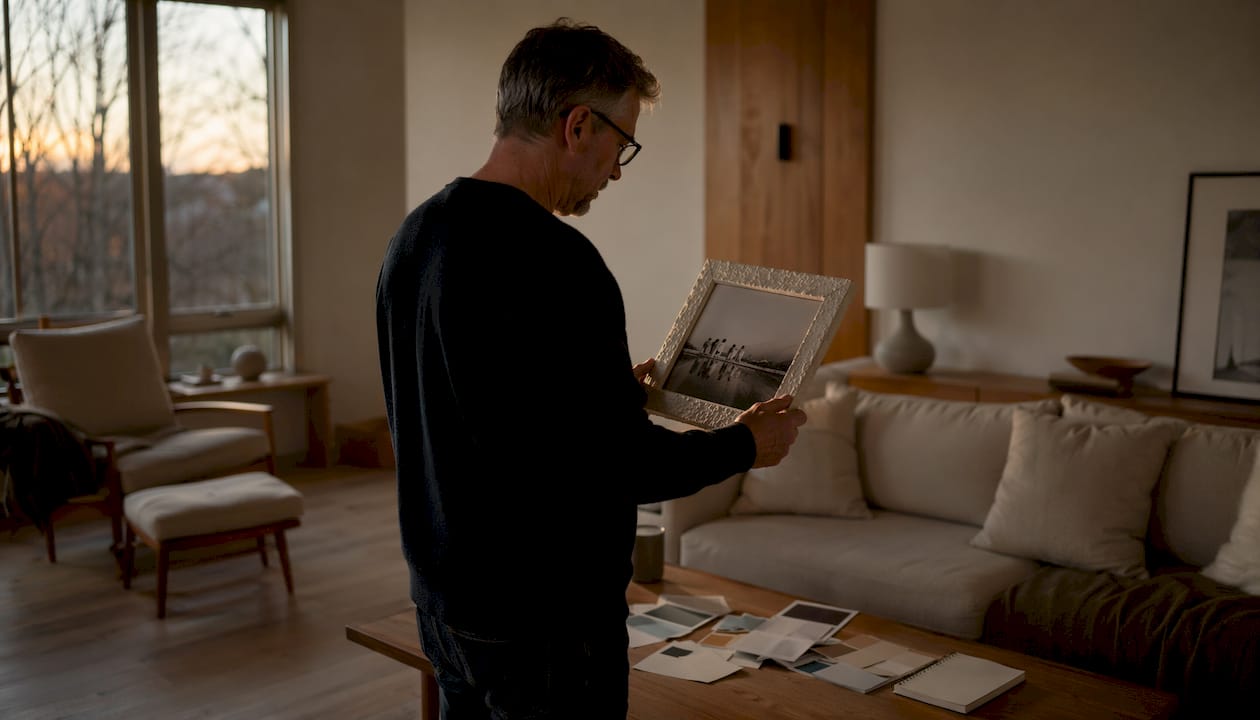
Size is the most commonly misapplied criterion. Professional designers recommend that wall art span 50%–75% of the furniture width above which it hangs. A piece that falls outside this range looks either lost on the wall or overwhelming against the furniture below it.
Color and style harmony matter just as much as size. Your art should share at least one color with the room’s existing palette, or intentionally contrast it with purpose. A piece that clashes without reason pulls the eye for the wrong reasons.
Material durability is a practical criterion most checklists skip. Art placed in bathrooms or kitchens needs moisture-resistant materials. Art near south-facing windows needs UV-resistant printing or glass to prevent fading.
Finally, consider biophilic elements. Research shows that incorporating biophilic art environments into living spaces significantly reduces symptoms of depression and anxiety over 12 months. Choosing art with natural imagery, organic textures, or botanical themes is not just an aesthetic preference. It is a health decision.
Pro Tip: Before buying any piece, hold a printed photo of it against your wall in natural daylight. Color and scale read very differently on a screen versus in your actual room.
2. How to plan and arrange wall art in your space
Arranging art well requires a plan before a single nail goes in. Follow this sequence for gallery walls and multi-piece arrangements.
- Choose an anchor piece first. Your largest or most visually dominant piece sets the tone for everything around it. Place it at eye level center, then build outward.
- Maintain consistent spacing. A 2–3 inch gap between frames in a gallery wall creates visual rhythm without feeling cluttered or sparse.
- Use paper templates before hanging. Cut paper to the exact dimensions of each piece, tape them to the wall, and live with the layout for a day. Paper templates prevent the most common mistakes in scale and composition before any damage is done.
- Mix frames with intention. Combining black, wood, and metal frames works when you tie them together with a consistent mat color or a repeated texture across the pieces.
- Balance bold with quiet. A large, high-contrast statement piece needs smaller, calmer works around it. Without that balance, the wall feels loud rather than curated.
- Account for furniture sightlines. Art above a sofa should relate visually to the sofa, not float above it. The art center should sit at 57–63 inches from the floor, which aligns with average adult eye level whether you are standing or seated.
Pro Tip: Photograph your paper template layout on your phone. Zoom out to see the full wall at once. Your eye catches proportion problems in a photo that it misses in person.
Understanding how art shapes mood in a room helps you make smarter arrangement decisions beyond just aesthetics.
3. Hanging unique wall art securely, especially for renters
Renters face a specific challenge: they need secure hanging without permanent wall damage. The good news is that renter-friendly options have improved significantly.
- Use heavy-duty picture hooks with stud finders. Heavy-duty drywall hooks combined with a stud finder give you secure placement for heavier pieces with minimal wall damage. Basic command strips are not reliable for art over 5 pounds.
- Consider picture rails. Many older apartments have picture rails near the ceiling. These allow you to hang art with wire and hooks, leaving zero wall marks.
- Maintain the right vertical gap above furniture. Leave 15–20 cm between the top of your furniture and the bottom of the frame. This gap creates a visual connection between the art and the piece below it without crowding.
- Never hang by the top edge alone. Hanging by the top edge causes art to sit too high and look disconnected from the room. Always center the piece at eye level.
- Test with templates first. Tape a paper cutout to the wall before drilling or applying any adhesive. This step costs five minutes and saves you from patching unnecessary holes.
- Check weight limits on all hardware. Every hook, strip, and anchor has a rated weight limit. Exceeding it is the leading cause of art falling and wall damage.
The goal for renters is reversibility without compromise. You can hang substantial, meaningful art in a rental without sacrificing security or your deposit.
4. Creative ideas for customizing and gifting unique wall art
Personalized art is the strongest category in any creative wall art checklist, especially for gifts. Generic prints are forgettable. A piece tied to a specific memory or person is kept for decades.
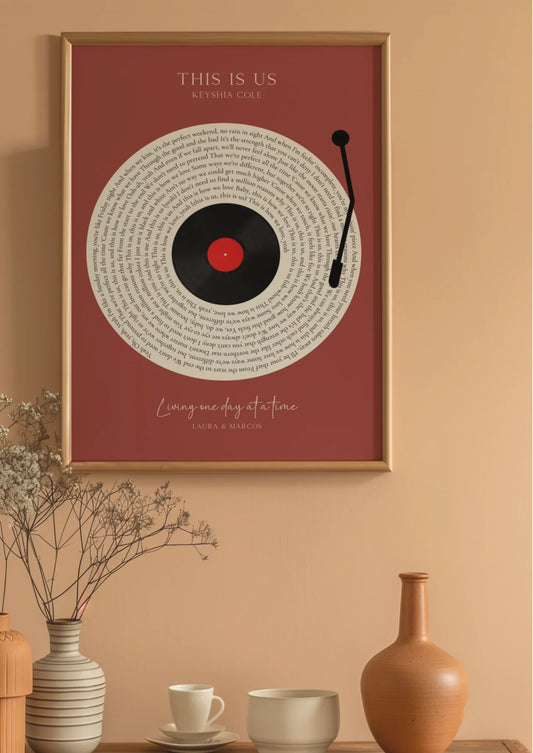
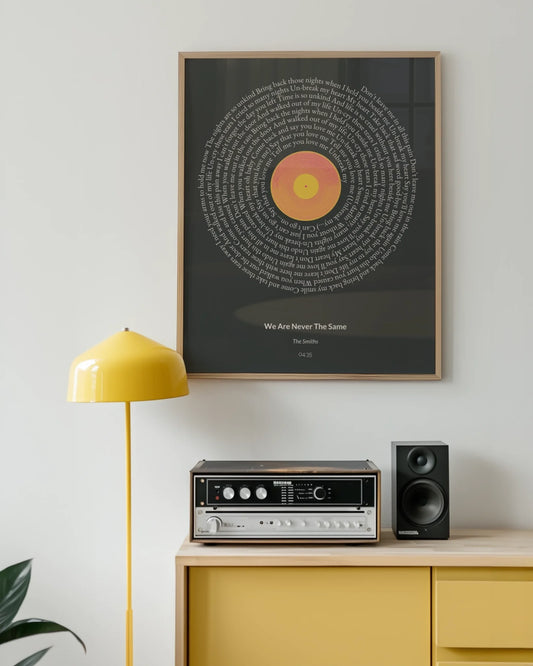
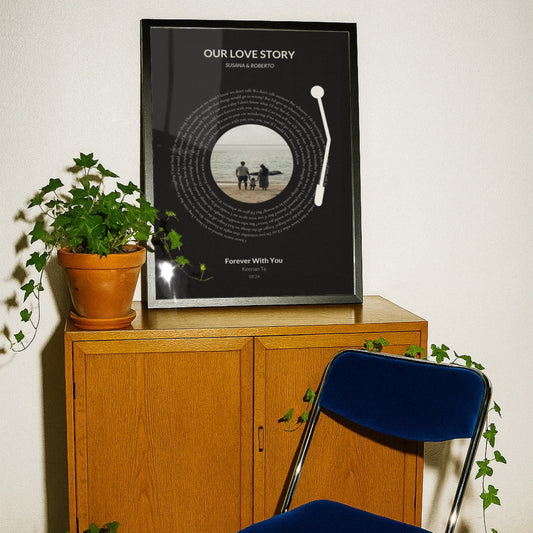
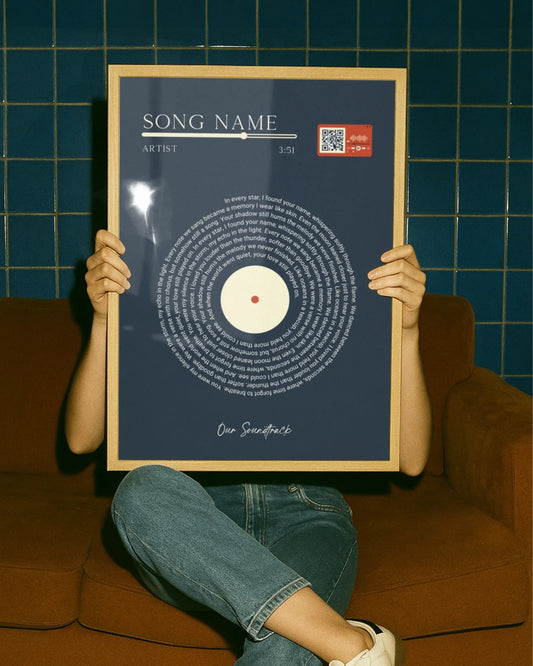
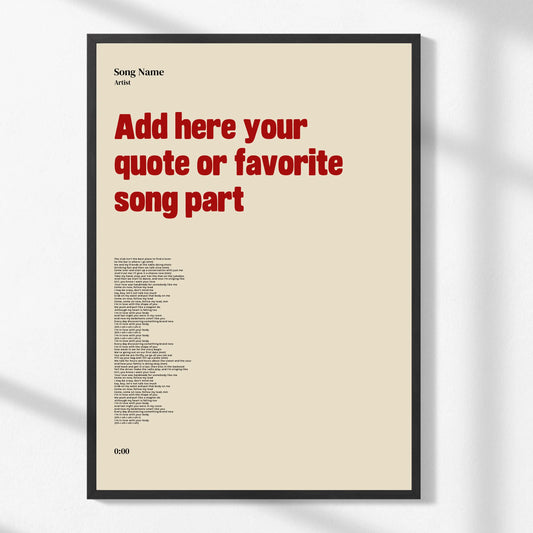
- Add names, dates, or locations. Song lyric posters with a couple’s wedding date, custom maps of a meaningful city, or milestone prints with a child’s birth details turn a print into a keepsake. These work equally well for birthday wall art lists and wedding anniversary wall art checklists.
- Match art style to the recipient’s interests. A nature lover responds to botanical prints or landscape photography. A music fan connects with personalized wall art featuring lyrics from a meaningful song. Thematic alignment makes the gift feel considered, not generic.
- Use color to reflect personality. Bold, saturated colors suit expressive personalities and modern interiors. Muted, earthy tones work for calmer spaces and more understated tastes. Color choice in a gift signals that you paid attention.
- Consider the recipient’s wall space. A large canvas sent to someone in a studio apartment creates a problem, not a gift. Ask about their space or choose a size that works across most rooms, typically 16x20 inches for a single statement piece.
- Think about framing as part of the gift. A print that arrives ready to hang, with a frame that suits the recipient’s decor, removes all friction. Framed gifts have a higher perceived value and a much higher chance of actually going on the wall.
- Choose materials that last. Handmade prints, archival paper, and eco-friendly inks signal quality. Cumulative art exposure consistently benefits mental well-being, so gifting art that lasts is genuinely good for the recipient’s health over time.
Wallfully’s customization process covers all of these criteria. You add names, dates, and locations through a guided preview tool, and every print ships on eco-friendly materials with free shipping included.
Key takeaways
A structured wall art selection checklist prevents the most common decorating mistake: choosing art in isolation from the room it lives in.
| Point | Details |
|---|---|
| Size follows the 50%–75% rule | Art should span 50%–75% of the furniture width below it to look anchored, not lost. |
| Eye-level hanging is non-negotiable | Center art at 57–63 inches from the floor, regardless of furniture height. |
| Biophilic art benefits mental health | Art with natural imagery reduces anxiety and depression symptoms over time. |
| Personalization makes gifts memorable | Adding names, dates, or locations transforms a print into a lasting keepsake. |
| Plan before you hang | Paper templates save walls and reveal proportion problems before any damage is done. |
Why I think most people approach wall art backwards
Most homeowners pick art they like, then try to make it work in their space. That sequence almost always produces a room that feels slightly off, even when the individual pieces are beautiful. The checklist approach reverses this. You define the criteria first, then find art that meets them.
I have seen this play out repeatedly. Someone buys a large abstract canvas because it looks striking in the store. At home, it overwhelms a small wall above a narrow console table. The proportions are wrong, the colors fight the rug, and the piece ends up in a spare room. That is not a taste problem. It is a process problem.
The emotional psychology of art placement makes clear that art works as part of a system with furniture, color, and light. When you treat it as an isolated purchase, you lose most of its potential impact. When you treat it as a system component, the whole room lifts.
The most underrated item on any creative wall decor checklist is personal relevance. A technically perfect piece that means nothing to you will always feel like a hotel room. A piece tied to a real memory, even if it is imperfect by design standards, will make the room feel like yours. That is the point.
— Luanda
Wallfully’s collections, matched to your checklist
Wallfully makes it straightforward to apply your checklist criteria directly to a purchase. Every piece in the collection is customizable with names, dates, and locations, so personal relevance is built into the process rather than left to chance. Size options cover the full range of the 50%–75% furniture width rule, and the guided preview tool shows you exactly how your choices will look before you commit.
For gifts, Wallfully’s unique wall art options cover birthday wall art lists, wedding anniversary wall art checklists, and milestone occasions. Every order ships free on eco-friendly materials with a satisfaction guarantee. Whether you are decorating your own space or choosing a gift that will actually stay on someone’s wall, Wallfully’s full collection is the place to start.
FAQ
What is a unique wall art checklist?
A unique wall art checklist is a set of practical criteria for selecting wall art that fits your space, reflects your personality, and creates emotional resonance. It covers size, placement height, color harmony, material durability, and personal relevance.
How do I choose the right size for wall art?
Art should span 50%–75% of the width of the furniture it hangs above. This proportion keeps the piece visually connected to the room rather than floating or overwhelming the space.
What hanging height works best for wall art?
The center of any artwork should sit at 57–63 inches from the floor, which aligns with average adult eye level. When hanging above furniture, leave a 15–20 cm gap between the top of the furniture and the bottom of the frame.
What are the best renter-friendly hanging options?
Heavy-duty picture hooks with a stud finder provide secure hanging with minimal wall damage. Picture rails are a zero-damage alternative for apartments that have them. Basic command strips work only for lightweight pieces under 5 pounds.
How do I choose wall art as a gift?
Match the art style to the recipient’s interests, add personal details like names or dates, and confirm the size works for their space. Personalized prints tied to a specific memory, such as a wedding anniversary or birthday, consistently outperform generic art as gifts.