
Eco-Friendly Decor Benefits: Health, Savings, and Sustainability
WallfullyEco-friendly home decor improves indoor air quality, shrinks your environmental footprint, and saves money over a product’s full lifetime. Those aren’t marketing promises — they’re backed by EPA guidance, life cycle research, and straightforward material science. Here’s the short version of what you get when you choose sustainable home decor:
- Better indoor air quality through low- and no-VOC paints, adhesives, and finishes
- Lower carbon footprint by prioritizing reclaimed, recycled, and responsibly sourced materials
- Less landfill waste by choosing durable, repairable, and secondhand pieces
- Long-term cost savings because quality materials outlast cheap disposables by years
- Reduced allergen and irritant exposure from natural fibers and non-toxic finishes
- Mental well-being gains from biophilic elements like plants and natural textures
- Energy savings from LED lighting and passive design choices
The sections below explain the evidence behind each benefit and give you a practical checklist for making smarter choices, room by room.
Table of Contents
- What actually qualifies as eco-friendly decor?
- How eco-friendly decor reduces your environmental impact
- Health gains from eco-friendly decor: air quality, VOCs, and well-being
- How eco-friendly decor supports waste reduction and circular design
- Money and value: lifecycle cost savings from eco-friendly choices
- Practical checklist for choosing truly eco-friendly decor
- Room-by-room tips to add eco-friendly decor without a full renovation
- Key Takeaways
- Why intentional decorating matters more than any single product swap
- Wallfully’s eco-friendly personalized wall art
- Useful sources and further reading
What actually qualifies as eco-friendly decor?
“Eco-friendly” gets slapped on everything from bamboo toothbrush holders to mass-produced synthetic rugs. The term has real meaning when a product meets at least one of these criteria: low-toxicity materials, durable construction designed to last, repairable or recyclable at end of life, responsibly sourced raw materials, or secondhand and upcycled origin. Products that check multiple boxes are the strongest choices.
Common materials and what they offer:
- Bamboo: Grows fast without pesticides, harder than most hardwoods, and fully biodegradable. Good for shelving, frames, and bathroom accessories.
- Reclaimed wood: Diverts timber from landfills, carries zero new-deforestation cost, and often has more character than virgin lumber. Think reclaimed-wood side tables or floating shelves.
- Cork: Harvested without cutting the tree, naturally antimicrobial, and a good insulator. Cork floor tiles and wall panels are practical options.
- Natural fibers (jute, linen, hemp, wool): Biodegradable, low-chemical processing, and far less irritating than synthetic alternatives. A jute area rug or linen curtains are easy first swaps.
- Low- and no-VOC paints and finishes: Reduce off-gassing that degrades indoor air. Benjamin Moore Natura and similar lines carry third-party verified low-emission ratings.
- Recycled glass and metal: Reduces energy-intensive raw extraction. Recycled-glass vases and reclaimed-metal light fixtures are widely available.
- Natural latex: Tapped from rubber trees without killing them, biodegradable, and free of the petrochemicals in synthetic foam. Used in mattresses and cushion cores.
| Material | Practical product example | Key eco credential |
|---|---|---|
| Reclaimed wood | Side table, floating shelf | No new deforestation |
| Bamboo | Picture frame, bath accessories | Rapid regrowth, biodegradable |
| Cork | Wall tiles, floor mat | Harvested without felling the tree |
| Natural fiber (jute/linen) | Area rug, curtains | Biodegradable, low processing chemicals |
| Low-/no-VOC paint | Wall paint, furniture finish | Verified low emissions |
| Recycled glass/metal | Vase, pendant light | Reduces raw material extraction |
| GOTS-certified cotton | Bedding, throw pillows | Organic farming, no toxic dyes |
How eco-friendly decor reduces your environmental impact
Material choice is the single biggest lever you have. Life cycle research shows that pre-production stages, meaning raw material extraction and initial processing, account for approximately 76% of a furniture item’s total environmental impact. By the time a piece reaches your living room, most of the damage is already done. Choosing reclaimed, recycled, or rapidly renewable materials cuts that upstream footprint before anything else.
Beyond material sourcing, the environmental gains stack up across several dimensions:
- Lower embodied carbon: Reclaimed and recycled materials skip energy-intensive extraction and primary processing.
- Reduced deforestation: FSC-certified wood and bamboo alternatives take pressure off old-growth forests.
- Less plastic: Natural fiber rugs, glass accessories, and metal hardware replace petroleum-derived synthetics that shed microplastics.
- Circular economy support: Buying secondhand, choosing repairable items, and planning for end-of-life recycling keeps materials in use longer.
The waste numbers make the stakes concrete. The EPA’s durable goods data shows the U.S. furniture and furnishings sector generated roughly 12.1 million tons of waste in 2018, the majority of which was landfilled. Choosing one solid-wood piece over three particle-board replacements over a decade doesn’t just save money. It keeps material out of that stream.
Health gains from eco-friendly decor: air quality, VOCs, and well-being

Eco-friendly decor lowers your exposure to indoor pollutants and can meaningfully improve respiratory and cognitive health. That’s not a stretch — indoor air is often more polluted than outdoor air, and home furnishings are a primary source.
The EPA’s Indoor AirPlus program specifically targets low-emission materials, including paints, adhesives, carpets, and flooring, to limit VOC emissions and protect indoor air quality. VOCs (volatile organic compounds) off-gas from conventional paints, furniture adhesives, synthetic carpets, and pressed-wood products. Short-term exposure causes headaches and eye irritation; long-term exposure is linked to more serious respiratory and neurological effects.
Switching to low-VOC paint, solid-wood furniture with water-based finishes, and natural fiber textiles cuts that exposure at the source. The EPA’s Healthy Buildings, Healthy People report connects good indoor environmental quality to reduced sick days and improved cognitive performance — benefits that compound over years of living in a space.
The mental well-being angle is also well-supported. Experimental research published in Frontiers in Psychology found that rooms with potted plants are rated significantly more restorative and aesthetically pleasing than identical rooms without greenery. Biophilic elements — plants, natural wood grain, stone textures, natural light — reduce perceived stress and improve mood in residential settings.
Pro Tip: New furniture and wall decor can off-gas VOCs for months. Air out any new piece in a garage or well-ventilated space for at least 24–48 hours before bringing it into a bedroom or main living area. This single step cuts your peak exposure significantly.
How eco-friendly decor supports waste reduction and circular design
Choosing durable, repairable, and secondhand items is the most direct way to reduce household waste from furnishings. The 3 R’s (reduce, reuse, recycle) apply directly to home styling, and the order matters: reducing new purchases comes first, reusing and repairing second, recycling at end of life third.
Practical circular actions:
- Buy durable: Solid wood, metal frames, and quality upholstery outlast particle board and fast-furniture alternatives by a decade or more.
- Repair or reupholster: A worn sofa frame in good condition costs far less to reupholster than to replace, and keeps the piece out of the landfill.
- Buy secondhand or vintage: Estate sales, Facebook Marketplace, and thrift stores regularly surface solid-wood furniture at a fraction of new prices.
- Choose modular or repairable designs: Items with replaceable parts (cushion covers, drawer pulls, lamp shades) extend the life of the whole piece.
- Plan for end of life: Know whether a piece can be disassembled for recycling or donated before you buy it.
Practical examples make this concrete. A solid-wood dresser with a scratched finish gets refinished with low-VOC stain for under $50 in materials. A vintage frame gets new glass and becomes a custom art display. A worn armchair gets new fabric and another decade of use. These aren’t heroic DIY projects — they’re straightforward choices that cut waste and extend product lifetimes.
Money and value: lifecycle cost savings from eco-friendly choices
Quality eco-friendly decor typically costs more upfront. It almost always costs less over time. The math is simple: a solid-wood dining table that lasts 30 years beats three particle-board replacements at a third of the price each. The same logic applies across categories.
Where the savings show up:
- Solid wood vs. particle board: Solid wood furniture can be refinished, repaired, and resold. Particle board swells, warps, and goes to the curb.
- Natural rugs vs. synthetic: Wool and jute rugs last 20–30 years with basic care. Synthetic alternatives typically need replacement in 5–10 years.
- LED lighting: LEDs use about 90% less energy and last roughly 25 times longer than incandescent bulbs, cutting both energy bills and replacement costs.
- Pre-production impact: Because 76% of a furniture item’s environmental footprint comes from raw material extraction, choosing reclaimed or recycled materials also reduces the embedded cost of resource extraction passed along in the price.
| Item | Eco option | Conventional option | Lifespan advantage |
|---|---|---|---|
| Lighting | LED bulb | Incandescent bulb | ~25x longer, ~90% less energy |
| Area rug | Wool/jute | Synthetic fiber | 20–30 years vs. 5–10 years |
| Dining table | Solid reclaimed wood | Particle board veneer | Refinishable, resalable |
| Sofa | Reupholsterable frame | Fast-furniture construction | Repairable vs. disposable |
Pro Tip: Start your eco upgrade with high-use, high-contact items: your sofa, mattress, and main area rug. These are where you spend the most time and where VOC exposure and durability matter most. Get those right first, then work outward.

Practical checklist for choosing truly eco-friendly decor
Vague “eco” claims are everywhere. The way to cut through them is to look for verified third-party labels and ask specific questions about materials and testing.
Certifications worth trusting:
- FSC (Forest Stewardship Council): Verifies responsible forest management for wood products.
- GREENGUARD / GREENGUARD Gold: Tests for chemical emissions; Gold certification meets stricter standards for schools and healthcare settings, making it a strong choice for bedrooms.
- GOTS (Global Organic Textile Standard): Covers the full supply chain for organic textiles, from farming through processing.
- OEKO-TEX Standard 100: Tests finished textile products for harmful substances.
- EPA Indoor AirPlus: Aligns with CDPH Standard Method V1.2-2017 for VOC emissions testing in building products.
Questions to ask before you buy:
- Does this product carry a named, third-party verified certification (not a self-declared label)?
- What is the primary material, and where does it come from?
- Is emissions testing data available (MSDS, VOC test reports)?
- Can this item be repaired, disassembled, or recycled at end of life?
- What percentage of recycled content does it contain, and is that verified?
Red flags to walk away from:
- Generic “eco-friendly” or “green” language with no certification name attached
- Certifications you can’t verify with a quick search on the certifying body’s website
- Unexplained “natural” blends that include synthetic fillers or flame retardants
- No material sourcing information and no response from customer service when you ask
Pro Tip: When shopping online, look for the low-VOC paint guide or product spec sheet linked in the product listing. If a brand can’t point you to emissions data or a certification page, that’s your answer.
Room-by-room tips to add eco-friendly decor without a full renovation
Small, targeted swaps in the right rooms make the biggest difference fastest. You don’t need to gut your home — you need to prioritize the spaces where you spend the most time and where air quality matters most.
Living room:
- Swap a synthetic rug for a jute or wool alternative.
- Replace a particle-board coffee table with a reclaimed-wood or solid-wood piece.
- Add two or three potted plants (snake plants, peace lilies, pothos) to increase perceived restorativeness.
- Switch to LED bulbs in all lamps.
Bedroom:
- Replace conventional bedding with GOTS-certified organic cotton sheets and pillowcases.
- Repaint with a low- or no-VOC paint if you’re due for a refresh.
- Choose eco-friendly wall art printed on sustainably sourced materials rather than mass-produced prints with synthetic coatings.
- Air out any new furniture for 48 hours before it enters the room.
Bathroom:
- Replace plastic accessories with bamboo soap dishes, toothbrush holders, and shelving.
- Choose organic cotton or bamboo towels certified under OEKO-TEX or GOTS.
Kitchen:
- Switch to recycled-glass drinkware and durable ceramic or stainless-steel dinnerware.
- Replace plastic storage with glass jars and bamboo cutting boards.
Mixing secondhand finds with new eco-certified pieces is the most cost-effective approach. A vintage ceramic lamp base paired with a new organic linen shade, for example, combines circular economy principles with verified material safety.
Key Takeaways
Eco-friendly home decor delivers real, measurable benefits across health, environmental impact, and long-term cost — and the most effective first step is replacing high-contact, high-use items with certified, low-toxicity alternatives.
| Point | Details |
|---|---|
| Health comes first | Low-VOC paints, natural fibers, and certified furniture cut indoor pollutant exposure at the source. |
| Pre-production impact dominates | Approximately 76% of a furniture item’s environmental footprint comes from raw material extraction, making material choice the highest-leverage decision. |
| Durability beats disposability | Solid wood, wool rugs, and LED lighting outlast conventional alternatives by years, reducing both waste and replacement costs. |
| Certifications to trust | FSC, GREENGUARD Gold, GOTS, and OEKO-TEX are third-party verified; self-declared “eco” labels are not. |
| Wallfully for wall art | Wallfully prints personalized wall art on eco-friendly materials with free shipping and a satisfaction guarantee — a low-effort, high-impact room upgrade. |
Why intentional decorating matters more than any single product swap
The conventional framing around sustainable home decor focuses on swapping one product for a greener version. That’s useful, but it misses the deeper point. The real shift is from trend-driven consumption to intentional, slower decorating — buying fewer things, buying them better, and keeping them longer.
Most of the environmental damage from home furnishings happens before the product reaches your door. That approximately 76% pre-production figure isn’t an abstraction. It means that buying one well-made reclaimed-wood piece instead of three cheap replacements over a decade is more impactful than any certification label on a mediocre product. Durability is the sustainability strategy.
The health argument reinforces this. A home with fewer synthetic materials, fewer new-product off-gassing events, and more natural textures is simply a cleaner place to breathe and think. That’s not a wellness trend. It’s what the EPA’s Indoor AirPlus program was built around, and it’s what the biophilic design research consistently shows.
Where people go wrong is treating eco-friendly decorating as an aesthetic category rather than a set of purchasing principles. A reclaimed-wood shelf painted with high-VOC lacquer isn’t a healthy choice. A “natural” rug with a synthetic latex backing isn’t fully circular. The label on the front matters less than the material spec sheet on the back. Slow down, ask the questions in the checklist above, and prioritize the rooms where you sleep and spend the most time. That’s where the returns are highest.
Wallfully’s eco-friendly personalized wall art
Personalized wall art is one of the easiest, highest-visibility upgrades you can make to a room — and it’s one of the few decor categories where you control exactly what goes on your wall and how it’s made.
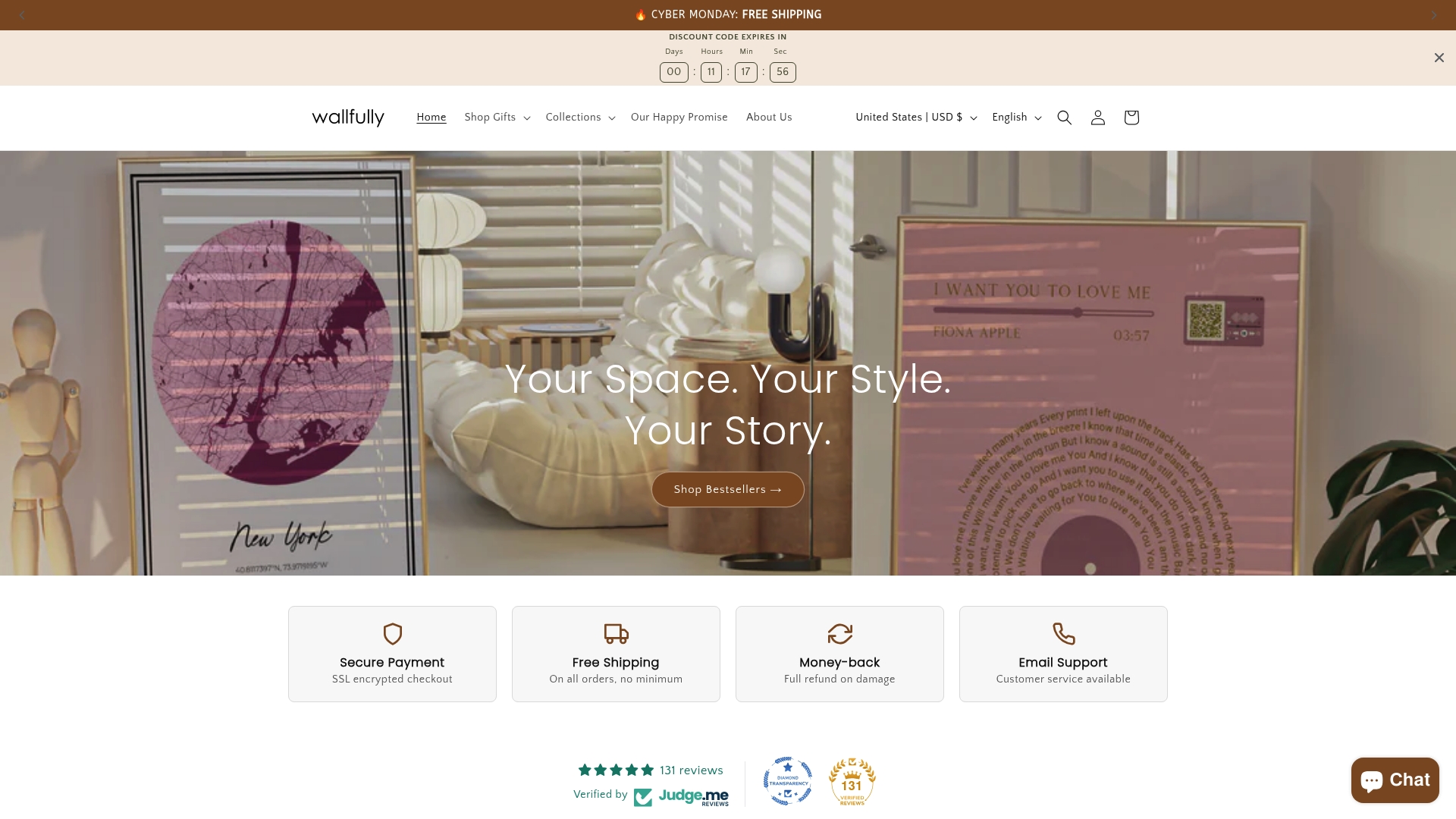
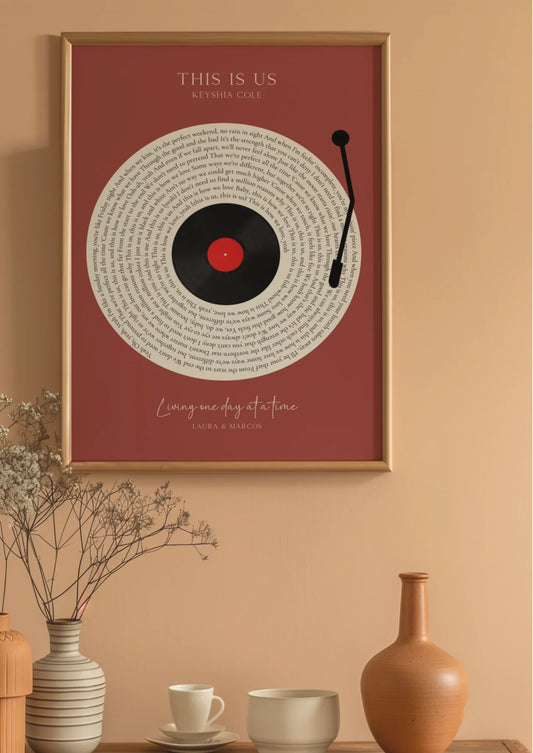
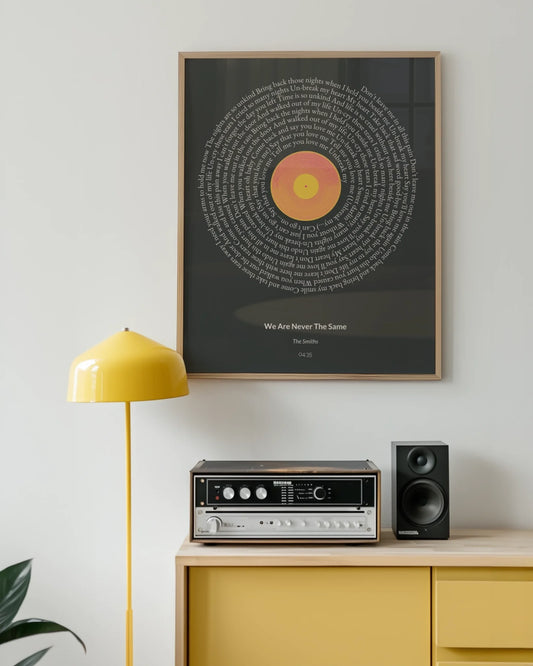
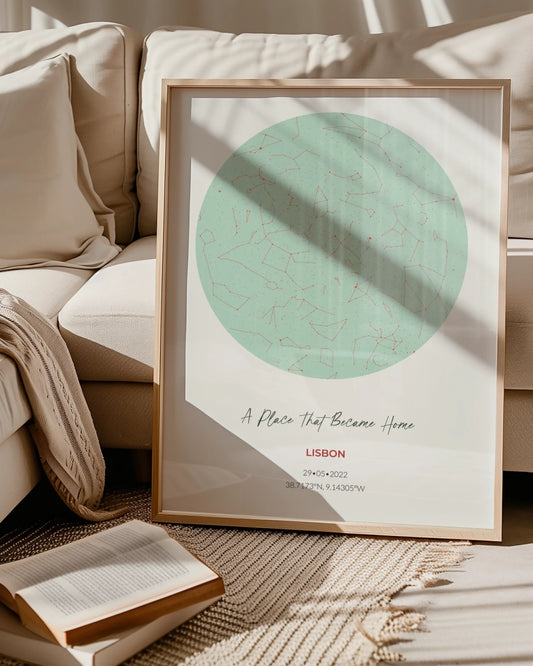
Wallfully prints custom posters and personalized art on eco-friendly materials, covering everything from song lyric prints and star maps to photo collages and milestone prints. The production process uses sustainably sourced print substrates and eco-conscious inks, so the piece you hang in your bedroom or living room isn’t adding to your indoor air quality problem. Every order ships free with a satisfaction guarantee and secure SSL checkout. If you’re ready to add a meaningful, sustainable piece of wall art to your home, start customizing your print at Wallfully.com.
Useful sources and further reading
- EPA Indoor AirPlus: Compliant Building Materials — The primary EPA resource for low-emission material standards; use it to verify product claims against CDPH V1.2-2017 testing requirements.
- EPA Durable Goods: Product-Specific Data — Official waste generation data for furniture and furnishings; the source for the 12.1 million ton figure cited above.
- EPA Healthy Buildings, Healthy People — Connects indoor environmental quality to health and productivity outcomes; useful background for the health benefits case.
- Life Cycle Assessment of 25 Furniture Pieces (PMC) — Peer-reviewed LCA study covering multiple furniture categories; the strongest available evidence for pre-production environmental impact.
- Frontiers in Psychology: Green Design and Restorativeness — Experimental research on biophilic elements and perceived restorativeness in residential spaces.
- Wallfully: Eco-Friendly Wall Art Guide — Practical guidance on certifications and material choices specific to wall art and printed decor.