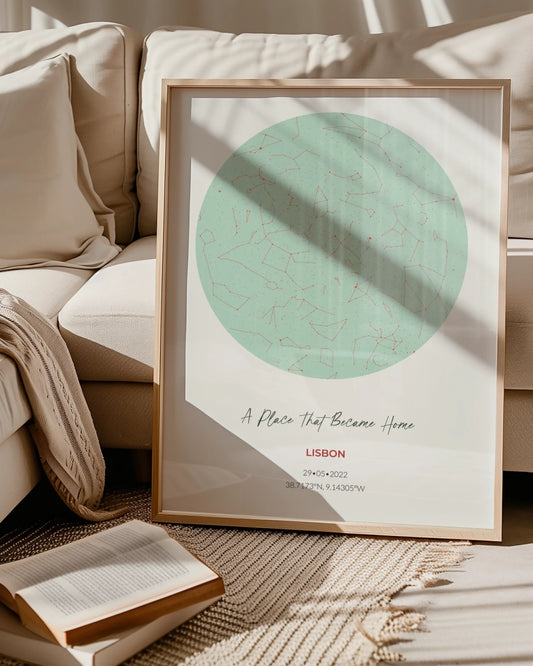

Defining eco-friendly wall art: sustainable home decor guide
WallfullyEco-friendly wall art isn’t automatically sustainable just because it’s made from paper or wood. Many homeowners believe choosing any wall decor supports environmental values, but genuine sustainability requires understanding materials, production methods, and long-term impact. The choices you make when selecting wall art either support or undermine your commitment to sustainable living. This guide clarifies what truly defines eco-friendly wall art, compares materials and production techniques, and provides actionable steps to personalize your space while honoring environmental principles. You’ll learn to distinguish authentic sustainable options from greenwashed alternatives and discover how thoughtful art choices enhance both your home’s beauty and your ecological footprint.
Table of Contents
- Key takeaways
- What is eco-friendly wall art? Key definitions and criteria
- Comparing popular materials and production methods for eco-friendly wall art
- How to choose and personalize eco-friendly wall art for your home
- Trends and brands leading the way in eco-friendly wall art
- Discover eco-friendly wall art at Wallfully
- FAQ
Key Takeaways
| Point | Details |
|---|---|
| Definition and criteria | Eco friendly wall art is defined by sustainable materials, ethical production, and a low environmental impact across the product lifecycle. |
| Sustainable materials | Reclaimed wood, recycled paper, and organic fabrics reduce virgin resource use and waste. |
| Smart production | Low emission printing, water based inks, energy efficient facilities powered by renewable energy, and transparent sourcing distinguish genuine eco friendly options. |
| Verify certifications | Look for FSC, GOTS, Fair Trade certifications, carbon neutral shipping, and clear material sourcing information. |
What is eco-friendly wall art? Key definitions and criteria
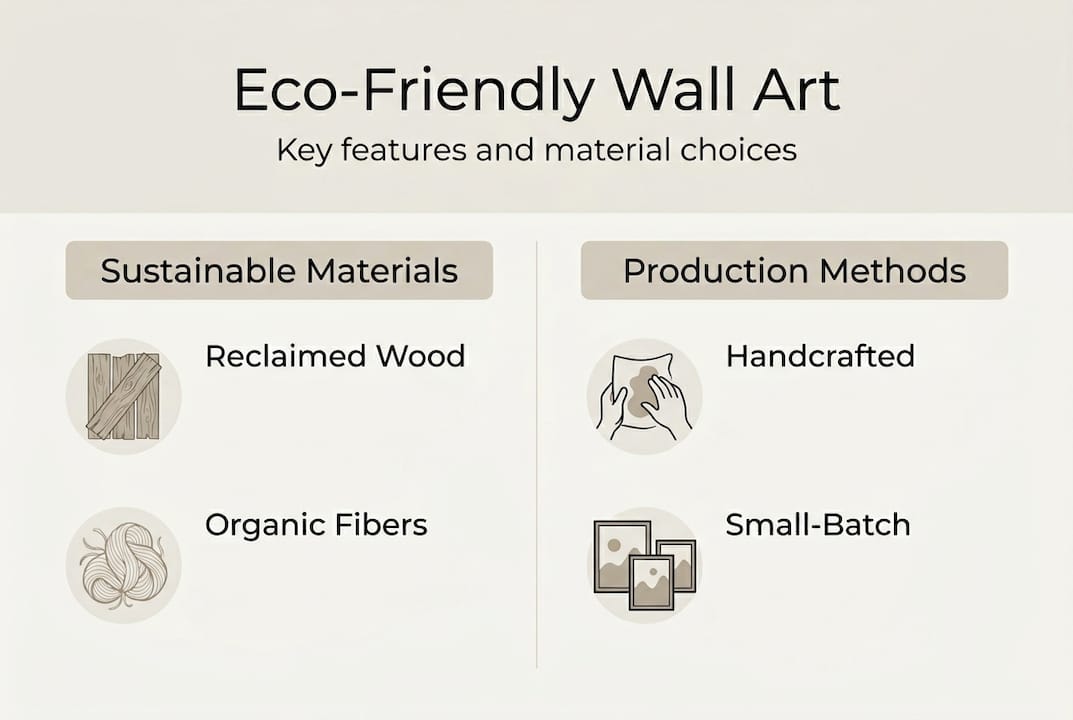
Eco-friendly wall art centers on using sustainable materials like reclaimed wood and organic fibers rather than virgin resources or petroleum-based products. The definition extends beyond materials to encompass production practices that minimize environmental harm, support fair labor conditions, and reduce carbon emissions throughout the supply chain. True sustainability means considering the entire lifecycle of your wall art, from raw material extraction through manufacturing, shipping, display, and eventual disposal or recycling.
Production practices separate genuinely eco-friendly art from conventional alternatives. Responsible manufacturers prioritize low-emission printing techniques, water-based inks free from volatile organic compounds, and energy-efficient facilities powered by renewable sources. They maintain transparency about sourcing, provide detailed information about their environmental policies, and often hold third-party certifications verifying their claims. Fair labor practices ensure workers receive living wages and safe conditions, connecting environmental sustainability with social responsibility.
Long-lasting, reusable art reduces waste and carbon footprint more effectively than disposable decor. Quality construction using durable materials means your pieces withstand years of display without fading, warping, or requiring replacement. This longevity contradicts fast-decor trends that encourage frequent purchases and generate unnecessary waste. Choosing timeless designs and versatile styles ensures your art remains relevant as your tastes evolve, further extending its useful life.
Certifications and transparency help verify eco-friendliness when evaluating options. Look for these key indicators:
- Forest Stewardship Council (FSC) certification for wood and paper products
- Global Organic Textile Standard (GOTS) for fabric-based art
- Fair Trade certification ensuring ethical labor practices
- Carbon-neutral shipping or offset programs
- Detailed material sourcing information on product pages
Pro Tip: Request specific details about materials and production processes directly from sellers. Genuine eco-friendly brands welcome these questions and provide comprehensive answers, while companies engaged in greenwashing often offer vague or evasive responses.
Comparing popular materials and production methods for eco-friendly wall art
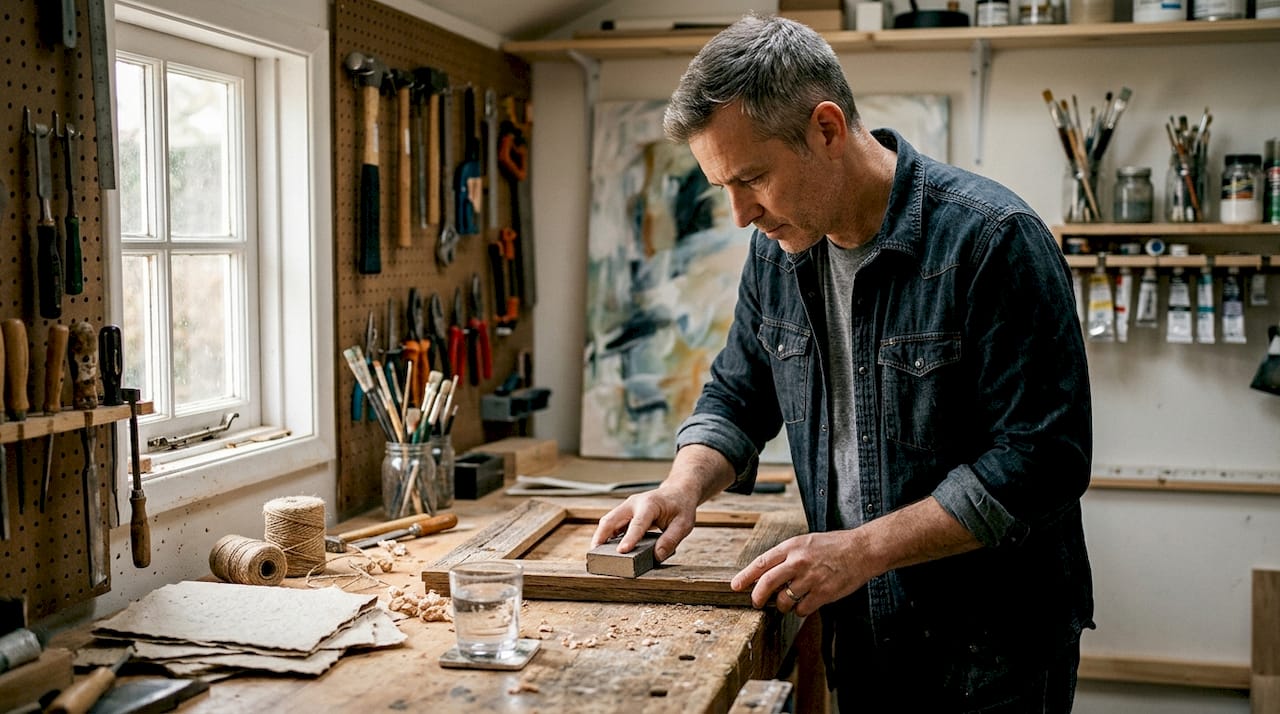
Reclaimed wood and recycled paper lead sustainable material options by giving new life to existing resources rather than consuming virgin materials. Reclaimed wood sourced from old barns, shipping pallets, or deconstructed buildings carries unique character while preventing usable timber from entering landfills. Recycled paper diverts waste from disposal streams and requires significantly less energy and water to produce than virgin paper. Organic fabrics like hemp, organic cotton, and linen offer renewable alternatives for canvas prints and textile art, grown without synthetic pesticides or fertilizers that contaminate soil and water.
| Material Type | Environmental Benefits | Durability | Best Uses |
|---|---|---|---|
| Reclaimed wood | Prevents waste, no new harvesting, unique character | Excellent, 20+ years | Frames, wood panel prints, rustic designs |
| Recycled paper | Reduces landfill waste, lower energy use, less water | Good, 5-10 years with care | Posters, prints, collages |
| Organic fabrics | Renewable, biodegradable, no toxic chemicals | Very good, 10-15 years | Canvas prints, textile art, tapestries |
| Bamboo | Rapidly renewable, strong, naturally pest-resistant | Excellent, 15-20 years | Frames, panels, modern designs |
| Conventional materials | Low initial cost | Varies | Avoid when possible |
Production methods dramatically impact environmental footprint beyond material selection. Handcrafting and small-batch production typically generate less waste and consume less energy than industrial mass production. Local sourcing reduces transportation emissions while supporting regional economies and artisans. Low-emission digital printing using water-based or vegetable-based inks eliminates toxic volatile organic compounds found in conventional solvent-based inks. Solar-powered facilities and carbon-offset shipping programs further reduce environmental impact.
Conventional alternatives present significant environmental trade-offs. Plastic-based materials derive from petroleum, a non-renewable resource whose extraction and processing generate substantial emissions and pollution. Chemically treated wood contains preservatives and finishes that release harmful compounds into indoor air and resist biodegradation. Mass production facilities often prioritize speed and cost over environmental considerations, resulting in excessive waste, high energy consumption, and poor labor conditions. Toxic inks and synthetic dyes contaminate water supplies and pose health risks to workers and consumers.
Identifying responsible manufacturers requires research and critical evaluation. Check company websites for detailed sustainability statements explaining specific practices rather than vague environmental claims. Verify certifications through issuing organizations’ databases to confirm authenticity. Read customer reviews mentioning product quality and longevity, as durable items prove more sustainable than cheap alternatives requiring frequent replacement. Contact sellers directly to ask about material sources, production locations, and environmental policies.
Pro Tip: Prioritize materials native to your region when possible. Locally sourced wood, fibers, or stone reduce transportation emissions while connecting your decor to your geographic community and supporting local ecosystems.
How to choose and personalize eco-friendly wall art for your home
Selecting eco-friendly wall art that reflects your personality starts with evaluating both sustainability credentials and aesthetic fit. Begin by identifying your style preferences, whether minimalist, bohemian, modern, or eclectic, then seek eco-friendly options within those categories. This approach ensures your sustainable choices enhance rather than compromise your vision for your space.
Follow this step-by-step process to evaluate options:
- Research the seller’s environmental policies and certifications before browsing products
- Examine product descriptions for specific material information rather than vague eco-friendly claims
- Calculate the true cost including shipping distance and packaging materials
- Assess whether the piece’s style and quality justify its environmental footprint
- Consider versatility and longevity to ensure the art remains relevant as your space evolves
- Request samples or detailed photos to verify quality before purchasing larger pieces
Customization options reduce waste while increasing personal connection to your art. Personalized pieces created specifically for your space eliminate the trial-and-error waste of buying multiple items to find the right fit. Custom sizing ensures efficient use of materials without excess trimming or awkward gaps in your display. Choosing meaningful imagery, text, or designs creates emotional investment that extends the art’s lifespan in your home, as you’re less likely to discard pieces with deep personal significance.
Displaying art sustainably minimizes environmental impact throughout its lifecycle. Use reusable mounting systems like picture rails, wire systems, or magnetic mounts instead of disposable adhesive strips or excessive nails that damage walls. Rotate existing pieces seasonally or between rooms rather than constantly purchasing new art, refreshing your space without additional consumption. Combine wall art with natural elements like plants, driftwood, or stones to enhance eco-friendly aesthetics while reducing the total number of manufactured items required.
Ask sellers these essential questions before purchasing:
- What specific materials comprise this piece and where do they originate?
- Which certifications verify your environmental and labor claims?
- How is this art produced and what energy sources power production?
- What packaging materials will you use and are they recyclable or compostable?
- Do you offer carbon-neutral shipping or offset programs?
- What is the expected lifespan of this piece with proper care?
- Can this art be recycled or composted at end of life?
Pro Tip: Create a sustainability scorecard rating potential purchases across categories like material source, production methods, shipping distance, packaging, and longevity. This systematic approach prevents emotional purchases that compromise your environmental values and helps you compare options objectively.
Trends and brands leading the way in eco-friendly wall art
Minimalistic designs using natural materials dominate current eco-friendly wall art trends, reflecting broader movements toward simplicity and intentional living. Clean lines, neutral palettes, and organic textures create calming spaces while reducing material consumption and production complexity. Recycled and upcycled art transforms discarded materials into striking visual statements, celebrating resourcefulness and challenging disposable culture. Nature-inspired motifs including botanical prints, landscape photography, and abstract interpretations of natural forms connect indoor spaces with the outdoor environment.
| Trend Category | Popular Styles | Sustainability Features | Ideal For |
|---|---|---|---|
| Minimalist | Line drawings, geometric shapes, monochrome | Minimal ink, simple production, timeless appeal | Modern homes, small spaces |
| Recycled/Upcycled | Collage, mixed media, found object art | Waste reduction, creative reuse | Eclectic spaces, statement walls |
| Natural motifs | Botanical prints, landscapes, organic abstracts | Connection to nature, calming effect | Any room, biophilic design |
| Handcrafted | Artisan prints, original paintings | Supports local artists, unique pieces | Collectors, personalized spaces |
Certain brands focus on sustainable design and transparent practices for eco-conscious consumers. These pioneers demonstrate that environmental responsibility and aesthetic excellence coexist successfully. They invest in renewable energy for production facilities, source materials from certified sustainable suppliers, and maintain detailed supply chain transparency. Many offer take-back programs for end-of-life art, ensuring proper recycling or composting rather than landfill disposal.
Material innovation drives sustainability forward in the wall art industry. Developments include:
- Mycelium-based frames grown from mushroom roots as biodegradable alternatives to plastic
- Algae-based inks offering carbon-negative printing solutions
- Hemp paper requiring less water and pesticides than conventional options
- Recycled ocean plastic transformed into durable frame materials
- Stone paper made from calcium carbonate waste without trees or water
Ethical craftsmanship trends emphasize fair wages, safe working conditions, and preserving traditional techniques threatened by mass production. Artisan cooperatives in developing regions create employment while maintaining cultural heritage and environmental stewardship. Direct-to-consumer models eliminate intermediaries, ensuring artists receive fair compensation while reducing markups and transportation emissions. Limited edition releases and made-to-order production prevent overproduction waste common in conventional manufacturing.
These trends align with broader sustainable lifestyle movements prioritizing quality over quantity, longevity over trends, and conscious consumption over impulse buying. The slow decor movement encourages thoughtful curation of meaningful pieces rather than frequent redecorating. Zero-waste living inspires choosing art with minimal packaging and end-of-life disposal options. Biophilic design principles integrate natural elements and nature-inspired art to improve wellbeing while fostering environmental connection.
Discover eco-friendly wall art at Wallfully
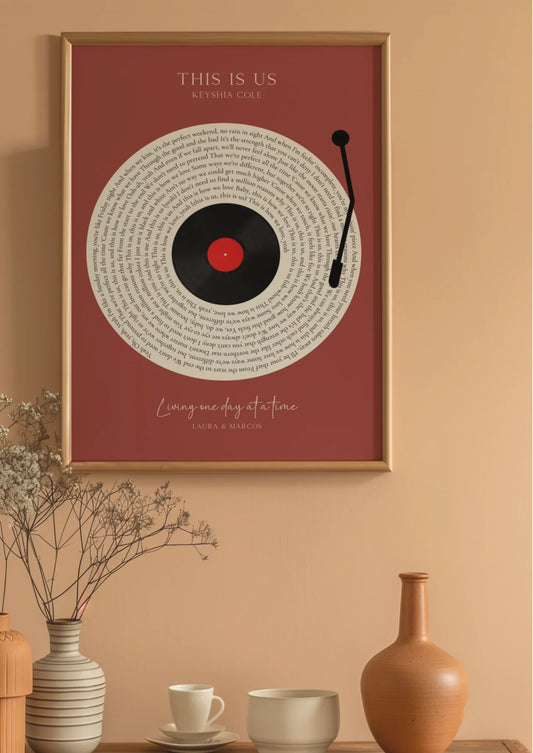
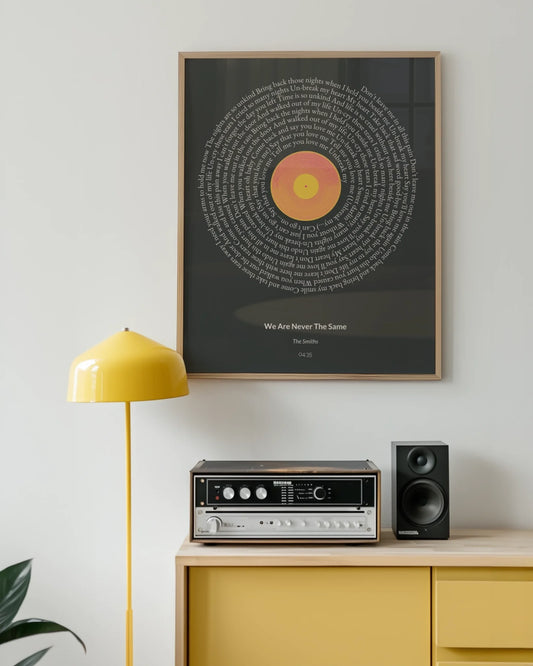
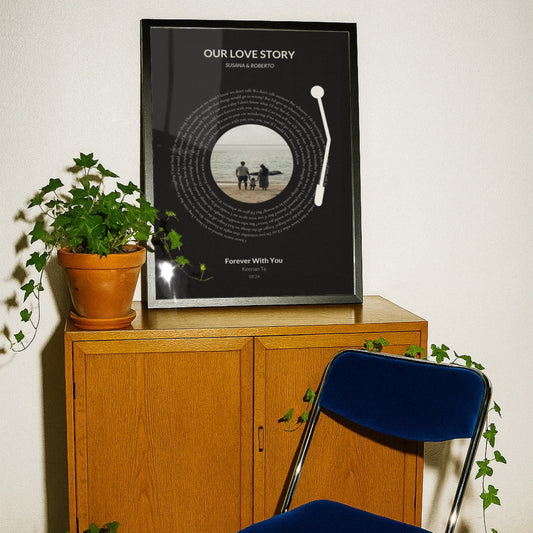
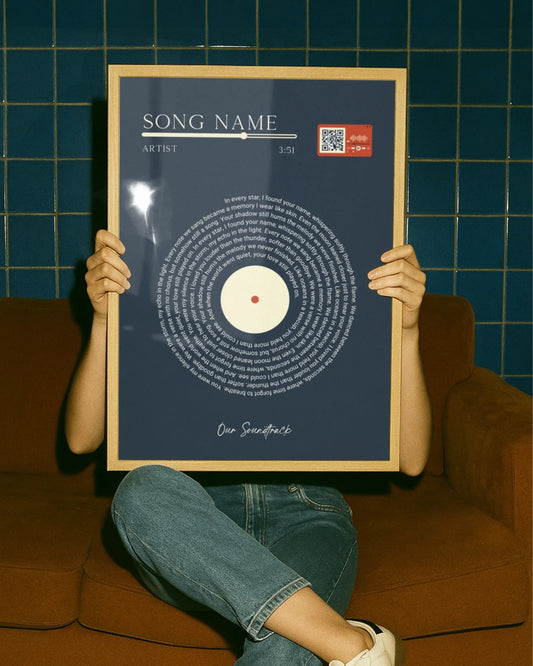
Wallfully offers curated selections emphasizing sustainable materials and ethical production aligned with the principles explored throughout this guide. The platform’s commitment to eco-friendly printing using high-quality, environmentally responsible materials supports your values while delivering beautiful, personalized art. Each piece can be customized with meaningful details like names, dates, locations, or personal messages, creating deep connections that extend the art’s lifespan in your home.
Explore collections featuring designs that complement sustainable living spaces, from minimalist line art to nature-inspired prints. The customization process allows you to preview your personalized piece before ordering, ensuring satisfaction and reducing returns that generate unnecessary shipping emissions. Free shipping on all orders and a satisfaction guarantee make sustainable choices accessible and risk-free. Discover how Wallfully’s sustainable wall art transforms your space while honoring your environmental commitment.
FAQ
What materials are considered truly eco-friendly for wall art?
Reclaimed wood, recycled paper, and organic fibers top the list of genuinely sustainable materials for wall art. These options reduce environmental impact by repurposing existing resources or using renewable sources grown without harmful chemicals. Bamboo qualifies as eco-friendly due to rapid growth rates and natural pest resistance eliminating pesticide needs. Materials should be evaluated based on renewability, production impact, and end-of-life disposal options to determine true sustainability.
How can I verify if wall art is sustainably produced?
Certifications and transparent sourcing details provide the most reliable verification of sustainable production. Look for Forest Stewardship Council certification for wood products, Global Organic Textile Standard for fabrics, and Fair Trade certification ensuring ethical labor. Contact sellers directly to request specific information about material origins, production facilities, energy sources, and shipping practices. Genuine eco-friendly brands welcome detailed questions and provide comprehensive documentation, while greenwashing companies offer vague or evasive responses.
What are easy ways to display eco-friendly wall art while minimizing environmental impact?
Thoughtful display techniques reduce waste while enhancing your sustainable aesthetic. Install reusable mounting systems like picture rails or magnetic hangers that allow easy rearrangement without wall damage or disposable hardware. Rotate existing pieces between rooms or seasonally rather than purchasing new art constantly, refreshing your space through creative arrangement. Combine wall art with natural elements like driftwood, plants, or stone to create dynamic displays requiring fewer manufactured items while strengthening your connection to nature.
Does eco-friendly wall art cost more than conventional options?
Initial prices for eco-friendly wall art often exceed conventional alternatives due to sustainable materials and ethical labor costs. However, superior durability and timeless design reduce long-term costs by eliminating frequent replacements required for cheaper, lower-quality pieces. The true cost comparison must include environmental and social impacts that conventional production externalizes onto communities and ecosystems. Many consumers find the premium worthwhile knowing their purchase supports responsible practices and aligns with their values.
Can I create eco-friendly wall art myself at home?
DIY projects using reclaimed, upcycled, or natural materials offer excellent eco-friendly alternatives to purchased art. Collect fallen branches, leaves, or stones during nature walks to create organic displays or pressed botanical art. Repurpose old maps, sheet music, book pages, or fabric scraps into collages or framed pieces. Use non-toxic, water-based paints and natural dyes if creating original paintings. Homemade art eliminates shipping emissions, reduces packaging waste, and creates deeply personal pieces reflecting your creativity and environmental commitment.
Recommended
- Wall Art Materials Explained: Quality, Eco Impact, and Style
- Custom Wall Decor Guide: Create Personalized Art at Home
- What is minimalistic wall art: A stylish guide for 2026
- How to Customize Wall Art for Unique Home Decor
- Sustainable Practices in Fine Jewelry: Eco-Friendly Materials – Malibu Vibes Jewelry
- Green Camping Equipment: Eco-Friendly Comfort for Campers – Hazli Collection