
Eco-Friendly Wall Art: Sustainable Decor for Unique Homes
WallfullyTL;DR:
- Truly sustainable wall art requires certifications like FSC, PEFC, or GOTS and transparency.
- Material options include FSC birch, acid-free canvas, upcycled textiles, and mycelium composites.
- Prioritize brand transparency, durability, and production methods to avoid greenwashing.
Finding truly sustainable wall art sounds simple until you’re standing in front of a product labeled “eco” with zero proof to back it up. Greenwashing claims are rampant in the home decor market, and vague terms like “natural” or “green” rarely tell you anything meaningful. If you’ve ever bought something believing it was sustainable only to find out later it wasn’t, you’re not alone. This guide cuts through the noise. We’ll walk you through how to evaluate materials, which certifications actually matter, which brands are doing it right, and how to match your choices to your specific living situation.
Table of Contents
- How to evaluate eco-friendly wall art
- Top sustainable wall art materials and techniques
- Comparing eco-friendly wall art brands and options
- Best-fit recommendations for homeowners and renters
- Our take: Avoiding greenwashing and getting true value
- Discover and personalize eco-friendly wall art
- Frequently asked questions
Key Takeaways
| Point | Details |
|---|---|
| Verify certifications | Always request clear sustainability labels like FSC, GOTS, and lifecycle analysis for true eco value. |
| Choose durable materials | Wood prints, acid-free canvas, and mycelium offer longevity and reduced environmental impact. |
| Personalize thoughtfully | Print-on-demand and artisan brands enable unique gifts and decor while minimizing waste. |
| Watch for greenwashing | Don’t trust vague eco claims—seek hard data and transparency from brands. |
How to evaluate eco-friendly wall art
Before you buy anything, you need a clear framework for what makes wall art genuinely sustainable. Our eco-friendly wall art guide breaks this down in detail, but here are the core criteria every buyer should know.
Start with certifications. Not all labels carry equal weight. FSC (Forest Stewardship Council) and PEFC (Programme for the Endorsement of Forest Certification) both confirm that wood-based materials come from responsibly managed forests. GOTS (Global Organic Textile Standard) applies to fabric and textile prints, ensuring organic fibers and ethical processing. If a product claims recycled content, look for a specific percentage backed by third-party verification, not just a marketing blurb.
Here’s what to look for when defining eco-friendly decor in practical terms:
- FSC or PEFC certification for wood and paper substrates
- GOTS certification for textiles and fabric-based prints
- Recycled content percentage with third-party confirmation
- Low-VOC or zero-VOC inks (volatile organic compounds affect indoor air quality)
- Print-on-demand production to avoid overstock and material waste
- Local or solar-powered manufacturing to reduce shipping and energy footprints
Watch out for greenwashing. It’s more common than most people realize. Phrases like “made with natural ingredients” or “environmentally conscious” mean nothing without data. Expert analysis recommends prioritizing FSC and PEFC certifications alongside lifecycle assessment (LCA) data over vague eco claims. LCA data tracks a product’s environmental impact from raw material extraction all the way through disposal. If a brand can’t provide it, that’s worth noting.
Durability is part of sustainability too. A print that fades in two years and ends up in a landfill isn’t eco-friendly, regardless of what the label says. Check the wall art materials overview to understand how different substrates hold up over time.
Pro Tip: Before purchasing, email the seller and ask specifically for their material data sheets, certifications, or third-party audit reports. A legitimate eco brand will provide them without hesitation.
With the criteria clear, let’s look at the leading eco-friendly wall art materials and production options.
Top sustainable wall art materials and techniques
Not every sustainable material works the same way, and each has its own strengths depending on your space, style, and values. Here’s a breakdown of the most credible options available right now.
Wood prints are among the most popular. FSC-certified birch is the go-to substrate because it’s lightweight, structurally stable, and takes high-resolution printing beautifully. Unlike traditional framed prints, birch wood panels don’t sag over time. Brands like WoodSnap specialize in these and use print-on-demand models, which means nothing gets printed until you order it, dramatically cutting material waste.
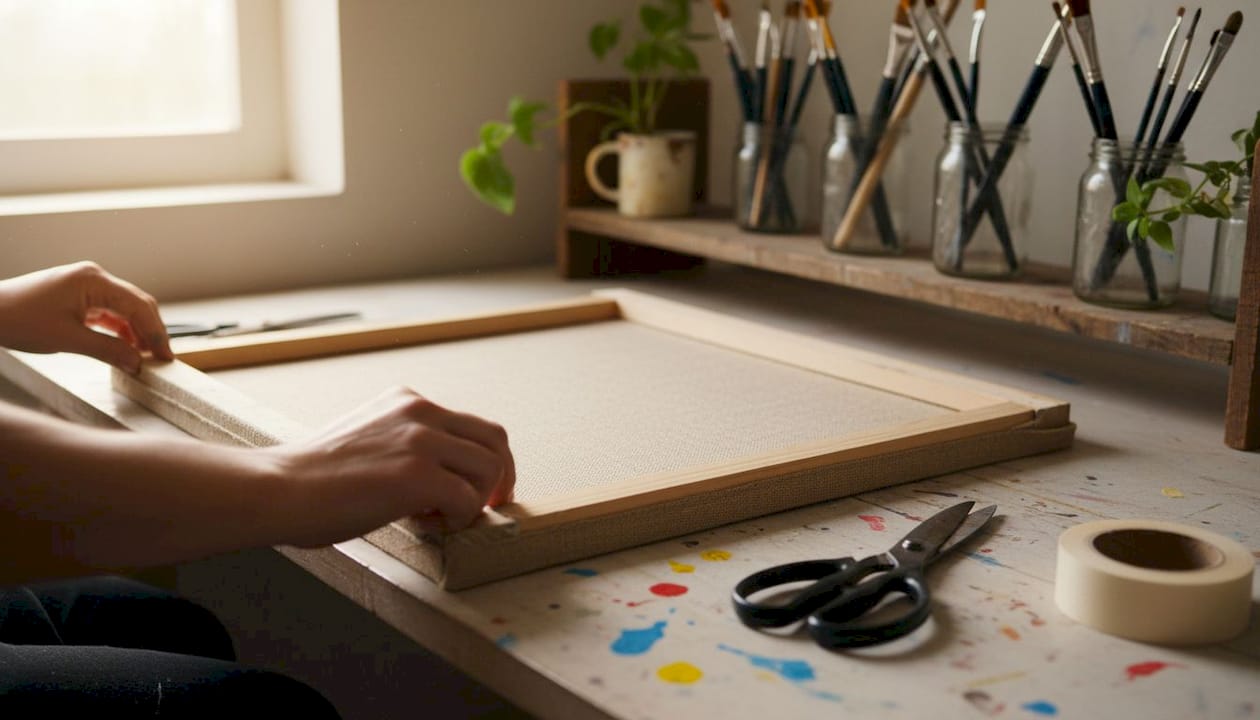
Canvas prints using acid-free materials and UV-cured, low-VOC inks have become a staple for eco-conscious buyers. Acid-free canvas resists yellowing and degradation, meaning your art lasts longer. Hand-stretched canvas adds a craftwork dimension that supports smaller, artisan production runs.
Upcycled textiles are having a serious moment. Brands in this space repurpose existing fabric waste into wall hangings and framed textile art. These materials reduce indoor VOCs compared to synthetic alternatives and work well in rentals because they’re frameless and easy to reposition.
Mycelium composites are the most experimental option but arguably the most exciting. These are materials grown from fungal root structures (mycelium) bonded with agricultural waste. They’re biodegradable, have strong acoustic properties, and mycelium-based materials yield 20 to 40% lower greenhouse gas emissions than concrete or cross-laminated timber. As art panels, they absorb sound and double as functional decor.
Print-on-demand is a production method, not a material, but it’s one of the most impactful sustainability choices you can make. Learn more about print-on-demand wall art and why it’s transforming how personalized pieces are made with far less waste.
Here’s a quick reference comparing material options:
| Material | Eco certifications | Durability | Personalization | Best for |
|---|---|---|---|---|
| FSC birch wood | FSC, PEFC | Very high | High | Homeowners, gifts |
| Acid-free canvas | Low-VOC inks | High | High | Gifts, living rooms |
| Upcycled textiles | GOTS | Medium | Medium | Renters, bedrooms |
| Mycelium composite | Biodegradable | Experimental | Low | Studios, offices |
| Recycled paper | Recycled content % | Medium | High | Budget-friendly |
Pro Tip: If you’re creating custom prints for gifts, acid-free canvas or FSC birch wood are the strongest combination of longevity, print quality, and eco credentials.
Next, see how these options stack up side-by-side on sustainability, style, and durability.
Comparing eco-friendly wall art brands and options
Choosing a material is one step. Choosing the right brand to deliver it is another. The Good Trade curates 15+ brands with verifiable FSC, GOTS, and recycled material credentials. Here’s how some of the leading names break down.
Crofty Prints focuses on acid-free canvas with UV-cured inks and operates from solar-powered workshops. Their production model prioritizes artisan runs over mass manufacturing, which keeps quality high and waste low.
WoodSnap produces FSC-certified birch prints using a print-on-demand system. You get a product made specifically for your order, which means zero overstock sitting in a warehouse.
The Citizenry and Urban Natural both emphasize artisan sourcing and upcycled materials. These brands work with maker communities, which adds a social sustainability layer on top of the environmental one.
Well Woven offers GOTS-certified textile options at relatively accessible price points, making eco-friendly decor more realistic for renters or people furnishing a first home.
Here’s a side-by-side comparison for quick reference:
| Brand | Material | Key certification | Personalization | Price range |
|---|---|---|---|---|
| Crofty Prints | Canvas | Low-VOC inks | Yes | Mid to high |
| WoodSnap | FSC birch | FSC certified | Yes | Mid |
| The Citizenry | Mixed artisan | Recycled/upcycled | Limited | High |
| Well Woven | Textiles | GOTS | Limited | Budget to mid |
| Wallfully | Canvas/paper | Print-on-demand | Full | Mid |
One important thing to keep in mind: even minor inconsistencies in eco claims can undermine your trust in a brand. As research notes, small discrepancies in advertised recycled content, like saying 90% when it’s actually 86%, erode buyer confidence fast. When you find stunning custom decor, verify the numbers before committing.
“Even small discrepancies, such as 90% vs. 86% recycled content, are enough to reduce credibility and trust in eco claims.”
Look for brands that provide downloadable product specs or certification documents on their website rather than burying the details in fine print.
With the brands and materials compared, let’s find out which options work best for your individual situation.
Best-fit recommendations for homeowners and renters
Your living situation shapes what sustainable wall art actually works for you. Here are specific recommendations based on the most common scenarios.
-
Renters: Your best options are peel-and-stick prints, natural fiber wallpapers, and frameless textile hangings. These removable wall coverings require no nails and leave no damage on walls, which matters when your deposit is on the line. Look for GOTS-certified textiles or natural fiber options with non-toxic adhesives.
-
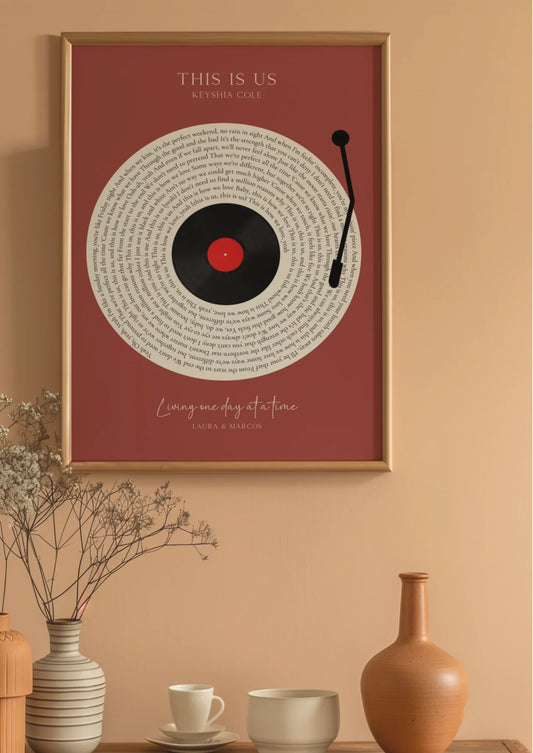
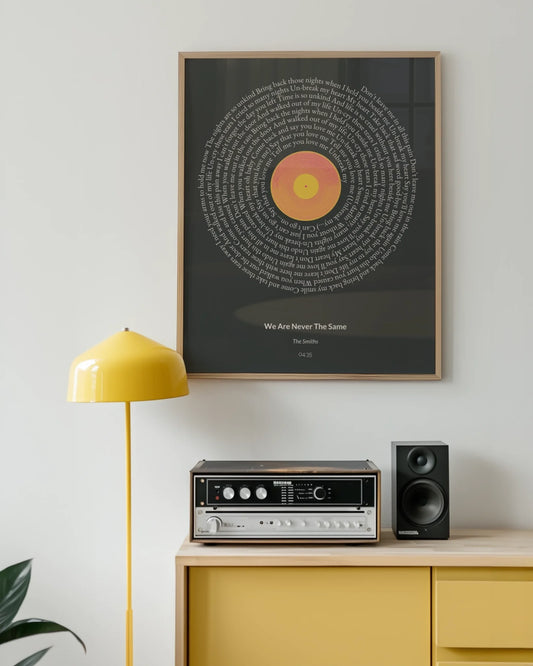
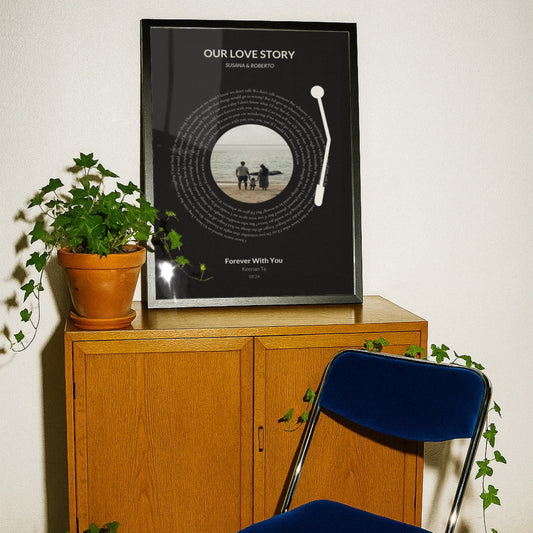
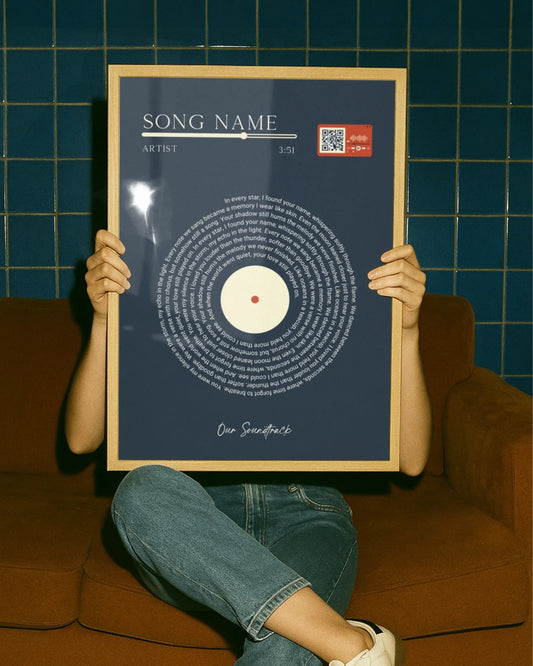
Homeowners: You have more flexibility, so invest in durability. Custom FSC birch wood prints or hand-stretched canvas are worth the upfront cost because they last for decades. Consider making custom prints with personal meaning: a map of where you met your partner, lyrics from a meaningful song, or coordinates of a place that matters to you.
-
Gift-givers: Personalized art is where sustainable and meaningful intersect perfectly. Artisan canvas prints or upcycled textile pieces with custom names, dates, or locations make gifts that feel considered and lasting. Explore personalized art for gifts to understand what customization options actually work for different occasions.
-
Minimalist decorators: For anyone who wants low visual clutter with high environmental credentials, minimalist custom wall art on FSC-certified materials delivers clean aesthetics without compromising your values.
-
Home office or studio users: Consider mycelium-based art panels. They absorb sound, which improves acoustics in work spaces, and carry some of the strongest biodegradability credentials in the market.
Pro Tip: For awkward wall spaces like angled corners or narrow hallways, mycelium-based art panels are a smart pick because they can be shaped and offer both eco benefits and sound-absorbing properties that standard prints can’t match.
Now, let’s get a fresh perspective on the realities behind sustainable wall art choices.
Our take: Avoiding greenwashing and getting true value
Here’s something most eco decor guides won’t tell you: the sustainable home goods market has a confidence problem, and buyers are right to be skeptical. Research confirms that small credibility gaps in eco claims, even minor ones, significantly reduce buyer trust. That means brands claiming 90% recycled content when the actual figure is slightly lower are actively damaging the market they’re trying to build.
Our position is simple: demand specifics. Ask for lifecycle assessment documents. Ask which certifying body issued their FSC license and when it was last audited. A brand with nothing to hide will answer quickly.
The price objection is also worth addressing directly. Yes, eco-friendly wall art sometimes costs more upfront. But the quality and eco impact of materials like FSC birch or GOTS canvas typically translates into prints that outlast cheaper alternatives by years. That longevity is part of the sustainability calculation. Buying one quality piece you keep for 15 years beats buying three cheaper ones you replace every five.
Buyers who push for transparency, certifications, and real data are ultimately the force that raises standards across the industry.
Discover and personalize eco-friendly wall art
Now that you know exactly what to look for, finding sustainable wall art that you’ll genuinely love becomes a much more focused process. The criteria, certifications, and brand comparisons in this guide give you a real filter to apply before you spend a dollar.

At Wallfully, we make it easy to create personalized prints on quality materials with a guided customization process that includes live previews. Whether you’re decorating your own space or finding a meaningful gift, our print-on-demand model means every piece is made for you, reducing waste at every step. Free shipping on all orders and a satisfaction guarantee take the risk out of trying something new. Your walls deserve art that means something.
Frequently asked questions
How do I verify if wall art is truly eco-friendly?
Check for recognized certifications like FSC or GOTS, and request lifecycle or supply chain documentation directly from the seller. FSC and PEFC certifications paired with LCA data are the strongest indicators of genuine sustainability.
What materials are best for sustainable wall art?
FSC birch wood, acid-free canvas, upcycled textiles, and mycelium composites are the leading options. Artisan brands working with these materials typically combine solar-powered printing with low-VOC inks, and mycelium-based panels offer the added benefit of measurably lower greenhouse gas emissions.
Are peel-and-stick options eco-friendly for renters?
Many peel-and-stick and textile wall art options use natural fibers and non-toxic adhesives, making them increasingly viable as sustainable decor for renters. Look for natural fiber options with GOTS certification to be sure.
Is eco-friendly wall art more expensive?
Upfront costs can be higher, but durability and longevity often balance out the price over time. Research shows that higher upfront cost is frequently offset by the longer lifespan of sustainably made products.