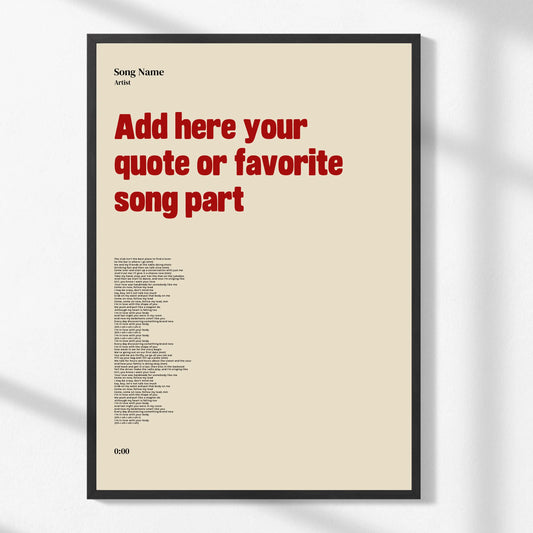

Your essential checklist for choosing custom artwork
WallfullyTL;DR:
- Clarify your vision and purpose before selecting or designing custom artwork.
- Choose an artist based on style, portfolio, reviews, and communication to ensure quality results.
- Focus on emotional resonance and personal meaning over trends for lasting significance.
Choosing custom artwork sounds exciting until you’re staring at a blank wall, a dozen browser tabs open, and no idea where to start. The personalized gifts market is growing rapidly, reflecting how deeply people want items that carry real meaning rather than generic appeal. Whether you’re decorating a new home or searching for a wedding gift that will actually matter years from now, the options feel endless. This checklist cuts through the noise. Follow it step by step and you’ll move from overwhelmed to confident, ending up with a piece that resonates emotionally and looks exactly right in its space.
Table of Contents
- Clarify your vision and intent
- Choose the right artist and style
- Pick the right scale, placement, and space
- Work through the budget, approval and gifting process
- Perspective: Why emotional resonance outshines trends in custom art
- Bring your custom art vision to life
- Frequently asked questions
Key Takeaways
| Point | Details |
|---|---|
| Define your vision first | Clarifying your theme, style, mood, and space ensures the custom artwork truly fits your needs. |
| Choose the right artist | Match your vision to an artist’s style and experience for the best results. |
| Scale and placement matter | Artwork that fits your space and layout makes the biggest impact. |
| Budget and process | Set clear expectations on pricing and approval steps to avoid surprises. |
| Emotional impact wins | Art chosen for personal resonance outlasts trends and adds lasting meaning. |
Clarify your vision and intent
Before you look at a single artist’s portfolio or browse any collection, you need to know what you actually want. Skipping this step is the most common mistake people make, and it leads to pieces that feel slightly off even when they’re technically beautiful.
Start by answering a few core questions about the artwork’s purpose. Is this for your own living room, or is it a gift for a couple celebrating their first anniversary? Will it anchor a minimalist bedroom or add warmth to a busy hallway? The answers shape every decision that follows.
Define your vision clearly including theme, style, size, medium, mood, and intended space before approaching any artist. That means writing it down, not just keeping a vague idea in your head. A written brief keeps you focused and helps artists understand your expectations immediately.
Here’s a simple numbered process to build your vision:
- Identify the occasion or purpose. Wedding gift, anniversary, birthday, or personal home decor each carries a different emotional weight.
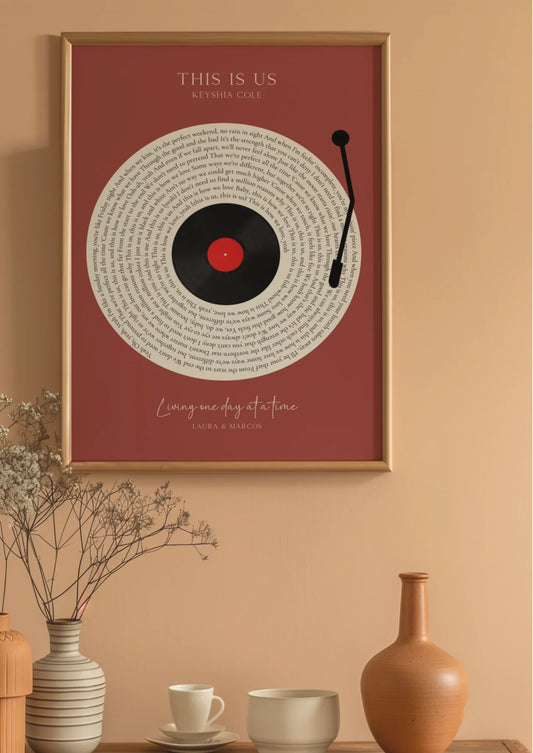
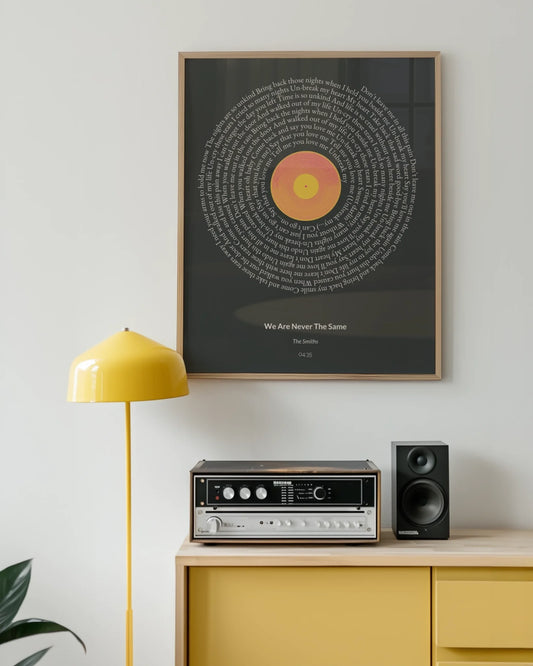
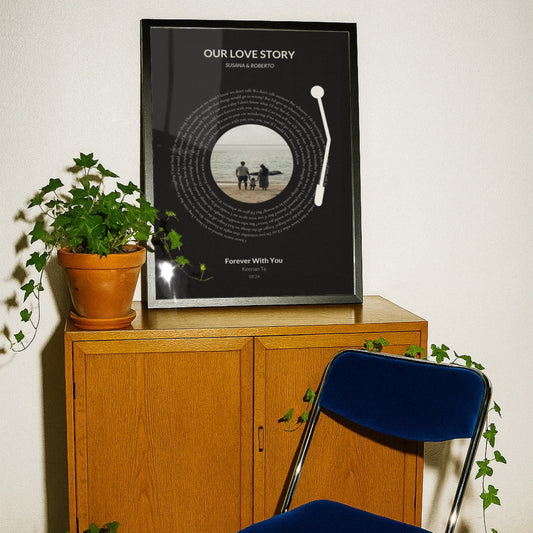
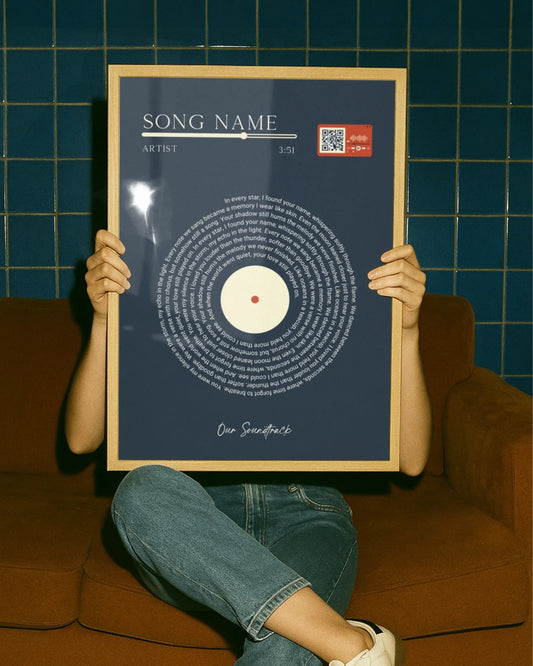
- Choose a theme or subject. A city map of where you met, a song lyric that defined your relationship, or a portrait of a beloved pet.
- Pick a style. Watercolor feels soft and romantic. Bold typography feels modern. Illustrated maps feel timeless.
- Decide on a color palette. Match your existing furniture or go for intentional contrast.
- Set a size range. Measure the wall or furniture space before committing to anything.
- Define the mood. Calm, celebratory, nostalgic, playful. One word can guide the entire creative direction.
Pro Tip: Spend 15 minutes collecting inspiration images from Pinterest or Instagram and drop them into a single folder. That visual mood board communicates more to an artist than a paragraph of text ever could.
Prioritize personal resonance over trends. Custom artwork excels for gifts like weddings or portraits precisely because of its uniqueness. A piece tied to a real memory will outlast any style that’s popular right now.
If you’re new to this process, exploring how to customize wall art for home decor gives you a practical starting point. You’ll also find custom wall art tips that walk through how small personal details transform a print into something genuinely memorable.
Choose the right artist and style
With your vision documented, the next step is finding the right person to execute it. This is where many buyers rush, and the results show.

Research and select artists by reviewing portfolios for style consistency, past commissions, client reviews, and communication quality. A stunning portfolio means nothing if the artist can’t translate your brief into their work. Look for pieces in their portfolio that feel similar in mood and subject to what you have in mind.
Here’s what to check before reaching out to any artist:
- Style consistency. Does their work look cohesive, or does every piece feel like a different person made it?
- Commission examples. Have they done custom work before? Generic prints and custom commissions require different skills.
- Client reviews. Look for feedback about communication, timeline, and whether the final piece matched expectations.
- Response time. A slow reply to your first inquiry often signals how the whole process will go.
- Revision policy. Know upfront how many changes are included before extra fees apply.
One underrated consideration is whether to work with an emerging artist or an established one. Both have real advantages.
| Factor | Emerging artist | Established artist |
|---|---|---|
| Cost | Lower, often $150–$500 | Higher, $500–$10,000+ |
| Creativity | Fresh, experimental | Refined, consistent |
| Reliability | Variable timelines | More predictable |
| Communication | Can be inconsistent | Usually structured |
| Portfolio depth | Limited examples | Extensive track record |
Emerging artists often bring surprising creativity and are more willing to experiment with your concept. Established artists offer predictability and a proven track record. For a high-stakes gift like a wedding present, reliability matters more. For a personal bedroom print, an emerging artist’s unique style might be exactly what makes it special.
Pro Tip: Send a short, specific brief in your first message and see how the artist responds. A thoughtful reply that asks clarifying questions is a green flag. A vague “sure, I can do that” with no follow-up questions is a warning sign.
You can also review a detailed commission artwork guide to understand what professional artists expect from clients. For more direction on finding the right fit, check out resources on meaningful custom artwork and popular wall art styles to align your taste with what’s available.
Pick the right scale, placement, and space
Even a perfectly designed piece can look wrong if it’s the wrong size or hung in the wrong spot. Scale and placement are the most overlooked parts of buying art, and getting them right makes an enormous difference.
A reliable rule of thumb: artwork should span about two-thirds the width of the furniture beneath it, and hang at eye level, roughly 57 to 60 inches from the floor to the center of the piece. These aren’t rigid laws, but they give you a solid starting point that works in most rooms.
Here’s a quick reference for matching artwork size to room type:
| Room | Suggested size | Placement tip |
|---|---|---|
| Living room | 24x36 inches or larger | Above sofa, centered |
| Bedroom | 20x24 to 24x36 inches | Above headboard, centered |
| Hallway | 8x10 to 16x20 inches | Eye level, spaced evenly |
| Home office | 16x20 to 20x24 inches | Behind desk or beside shelving |
| Dining room | 24x30 inches or larger | Above buffet or on feature wall |
Lighting also plays a bigger role than most people realize. Natural light brings out warm tones beautifully, but direct sunlight fades prints over time. Position artwork where it gets indirect light or add a small picture light above it to control the effect.
Common mistakes to avoid:
- Hanging art too high. This is the most frequent error. If you have to tilt your head back to see it comfortably, it’s too high.
- Going too small. A single small print on a large wall looks lost. Either go bigger or create a gallery arrangement.
- Ignoring the room’s mood. A chaotic abstract piece in a calm meditation room works against the space’s purpose.
- Skipping the tape test. Cut paper to your intended size and tape it to the wall before ordering. It takes five minutes and saves real money.
For a deeper look at getting this right, the custom wall decor guide covers how to plan your space before you buy. You’ll also find practical advice on wall art for personalized spaces that helps you match the artwork to the room’s existing character.
Work through the budget, approval and gifting process
Now comes the part that makes the vision real. Budget, approval rounds, and delivery planning are the practical backbone of any custom art order.
Prints typically cost $150 to $800, while original commissions range from $300 to over $10,000 depending on size, medium, and the artist’s experience. Knowing this upfront prevents sticker shock and helps you choose the right format for your occasion. A personalized digital print is a beautiful, affordable option for birthdays. An original oil painting is better suited for a milestone anniversary.
Here’s the typical process from quote to delivery:
- Submit your brief. Share your vision document, inspiration images, size requirements, and deadline.
- Receive a quote. Confirm price, timeline, and revision policy before paying any deposit.
- Pay the deposit. Most artists require 25 to 50 percent upfront to begin work.
- Review the initial sketch. Provide feedback clearly and specifically. Vague feedback leads to vague revisions.
- Approve the final version. Once you’re satisfied, pay the remaining balance.
- Receive and inspect delivery. Check for damage immediately and confirm it matches the approved version.
Statistic callout: The personalized gifts market is projected to reach $63.28 billion by 2032, reflecting a massive shift toward meaningful, individualized purchases over generic options.
If you’re giving this as a gift, presentation matters as much as the piece itself. Time the delivery to arrive a day or two before the event so you can package it properly. A simple frame, tissue paper, and a handwritten card elevate the entire experience.
Pro Tip: Include a short personal note explaining why you chose this specific artwork. Describe the memory, the location, or the song. That context transforms a beautiful print into something the recipient will keep forever. You can find more ideas for personalized art gifts that go beyond the piece itself.
Perspective: Why emotional resonance outshines trends in custom art
Here’s something the art world rarely says out loud: chasing trends in custom artwork is almost always a mistake. Trends move fast. What feels fresh and modern today can feel dated within two or three years. But a piece tied to a real moment, a wedding date, a first home’s city, a song that played at the right time, never goes out of style.
We’ve seen this play out repeatedly. Someone orders a trendy abstract print because it matches their current aesthetic. A year later, they redecorate and the piece no longer fits. Meanwhile, someone else orders a custom map of the city where they got engaged, and it hangs in every home they move to for the next decade.
The most meaningful gifts prioritize personal resonance over what’s currently popular, and custom artwork excels precisely because it can be built around a specific person, moment, or feeling.
A piece made for a moment stays meaningful for a lifetime. Trends fade, but emotion lasts.
If you want artwork that genuinely moves people, focus on the story it tells rather than the style it follows. Explore ways to personalize artwork that center on memory and meaning rather than what’s trending on design blogs this season.
Bring your custom art vision to life
Following this checklist turns what feels like an overwhelming creative decision into a clear, rewarding process. You’ve defined your vision, found the right artist, planned the placement, and worked through the practical steps. Now it’s time to act on it.
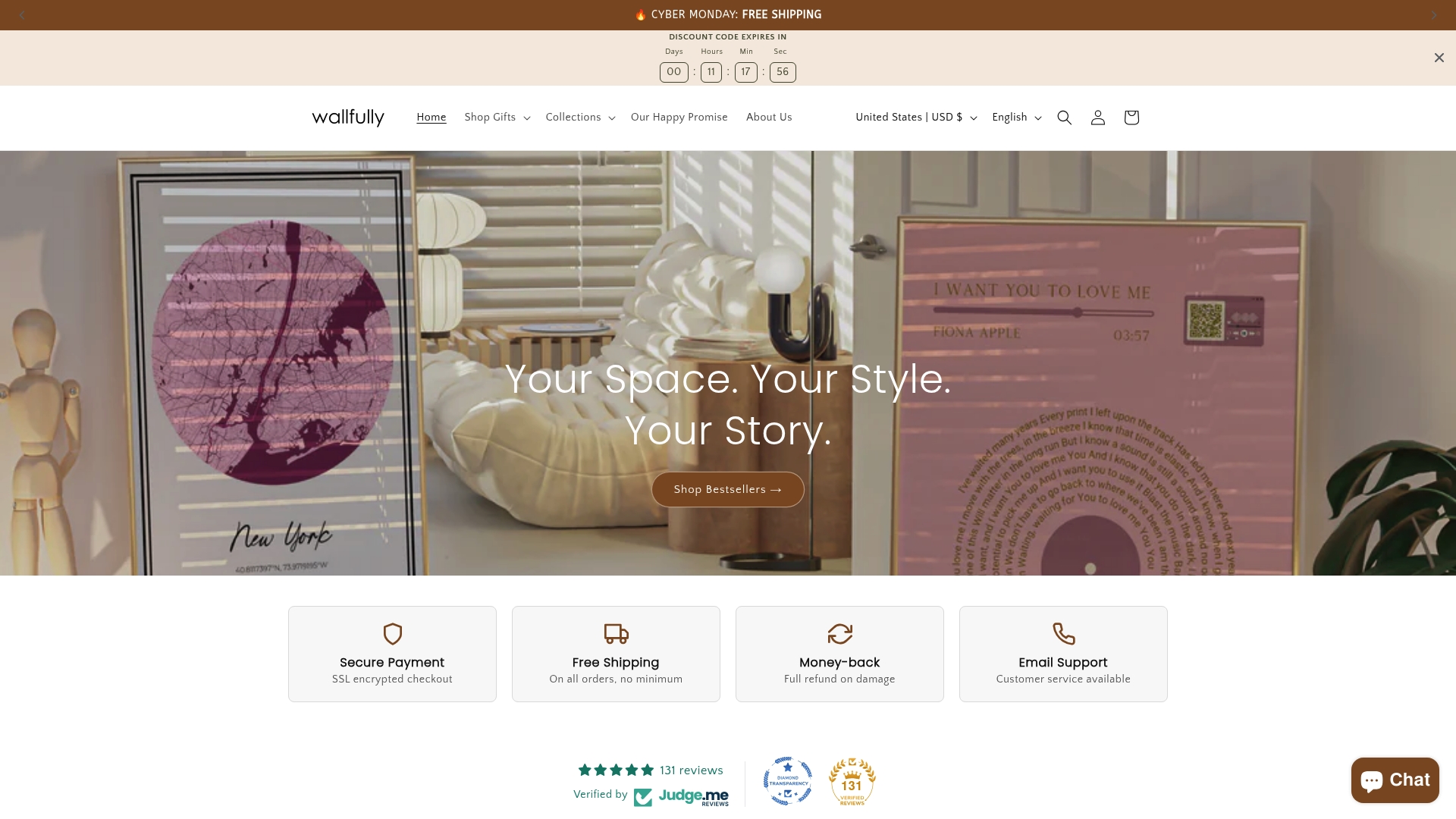
At Wallfully, creating a personalized piece is genuinely simple. Choose from song lyric posters, custom maps, photo collages, milestone prints, and more. Add your names, dates, or locations, preview the result, and order with free shipping and a satisfaction guarantee. If you’re looking for a starting point, art inspiration at home gives you real examples of how custom prints transform everyday spaces into something personal and lasting.
Frequently asked questions
What should I consider before commissioning custom artwork?
Clarify your vision including theme, style, size, medium, mood, and placement before choosing your artist to ensure the best outcome.
How do I estimate the right size for custom art in my space?
Custom artwork should generally span about two-thirds the furniture width below it and hang at eye level, around 57 to 60 inches from the floor to the center of the piece.
How much does custom artwork typically cost?
Prints range from $150 to $800, while original commissions can go from $300 up to $10,000 or more depending on size, medium, and the artist’s level of experience.
What makes custom artwork a great gift for special occasions?
Its uniqueness and personal connection mean the recipient gets something truly one of a kind that carries real emotional weight, which no off-the-shelf gift can replicate.
How many approval rounds are typical for commissioned art?
Most commissions involve two to three sketch rounds of concept approval before the artwork is finalized and sent to production.