
Advantages of Home Personalization for Any Budget
WallfullyTL;DR:
- Personalization tailors your home to reflect your lifestyle, providing comfort and long-lasting satisfaction.
- Focusing on real usage patterns and intentional layout changes offers practical benefits without high costs.
Home personalization is the process of tailoring your living space to reflect your unique lifestyle, habits, and preferences, making it more comfortable and functional for real daily use. The advantages of home personalization go far beyond aesthetics. Personalized spaces reduce daily friction, support emotional well-being, and hold their appeal far longer than trend-driven interiors. Whether you own your home or rent an apartment, aligning your space with how you actually live produces results that generic layouts simply cannot match. This article covers the functional, emotional, and budget-friendly benefits of custom interiors, plus the misconceptions that stop most people from starting.
What are the main advantages of home personalization?
Custom interior design asks one foundational question: what does this space need to do on an ordinary day? That question alone separates personalized design from generic decorating. When your layout answers that question correctly, you stop adjusting your habits to fit your home and start living in a space built around you.
The functional benefits are concrete and immediate:
- Optimized traffic flow. Furniture placed around actual movement patterns reduces daily collisions, bottlenecks, and frustration in high-use areas like kitchens and hallways.
- Smarter storage. Personalized storage targets the items you actually own and use, not a hypothetical household. A dedicated charging station near your desk beats a decorative basket you never open.
- Eliminated dead space. Personalized home design removes useless square footage by integrating performance features like natural light access and air quality into the layout from the start.
- Lower long-term costs. Homeowners who skip personalization often pay more over time through frequent replacements and layouts that never quite work. The cost of not personalizing exceeds the initial investment.
- Zero-cost wins. Rearranging furniture at zero cost frequently improves daily functional satisfaction more than purchasing new, trendy furniture.
Pro Tip: Spend one week noting where you drop your keys, where clutter accumulates, and which rooms you avoid. That data tells you exactly where to focus your personalization effort first.
The most impactful personalization comes from understanding daily movement and space usage rather than making superficial changes. A new throw pillow does not fix a sofa pointed away from natural light. Fixing the sofa position costs nothing and changes how the room feels every single day.

How does personalized home decor improve emotional well-being?
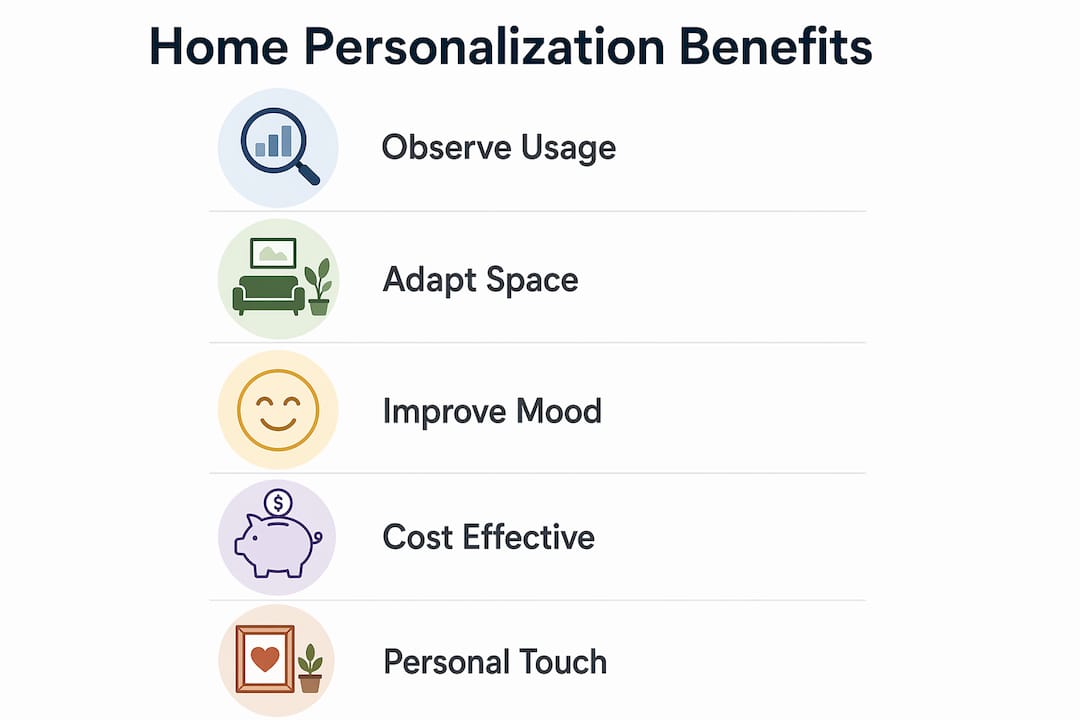
Personalization is not only about aesthetics. It creates stress-free, relaxing atmospheres that give residents a genuine sense of belonging and mental comfort. A home that reflects who you are reduces the low-level tension that comes from living in a space that feels borrowed or generic.
The emotional benefits of custom interiors build on each other in a specific sequence:
- Authenticity reduces stress. Spaces filled with meaningful objects, rather than catalog-perfect staging, signal safety and belonging to your nervous system.
- Meaningful items anchor memory. Heirlooms, custom art, and milestone prints connect daily life to personal history. That connection is qualitatively different from a mass-produced print you bought because it matched the couch.
- Timeless appeal replaces trend fatigue. Personalized design resists temporary trends by focusing on authentic lifestyle requirements. You never wake up feeling like your home is already outdated.
- Cohesion creates calm. Limiting your color palette across personalized items unifies disparate elements and prevents visual clutter. A gallery wall of family photos in matching frames reads as intentional; the same photos in mismatched frames reads as chaotic.
- Curation builds pride. Choosing each item deliberately, rather than filling space, produces a home you want to show others and return to yourself.
“Chasing design trends often leads to short-lived satisfaction. Personalization rooted in authentic use and identity creates enduring contentment.” — Better Homes & Gardens
The personalized home decor advantages here are not abstract. Homeowners and renters who curate spaces around real memories and preferences report higher satisfaction with their homes over time. That satisfaction does not require a large budget. It requires intentionality.
How can renters personalize their homes on a budget?
Renters face a specific constraint: most leases prohibit permanent modifications. The good news is that soft personalization methods deliver 80–90% of the aesthetic impact of full renovation without damaging property or incurring high costs. The customized living space benefits available to renters are nearly identical to those available to homeowners.
Practical, non-permanent personalization strategies include:
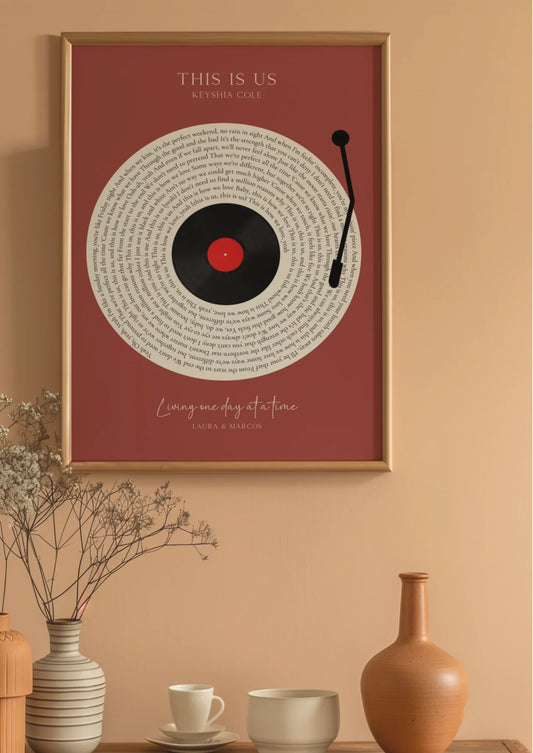
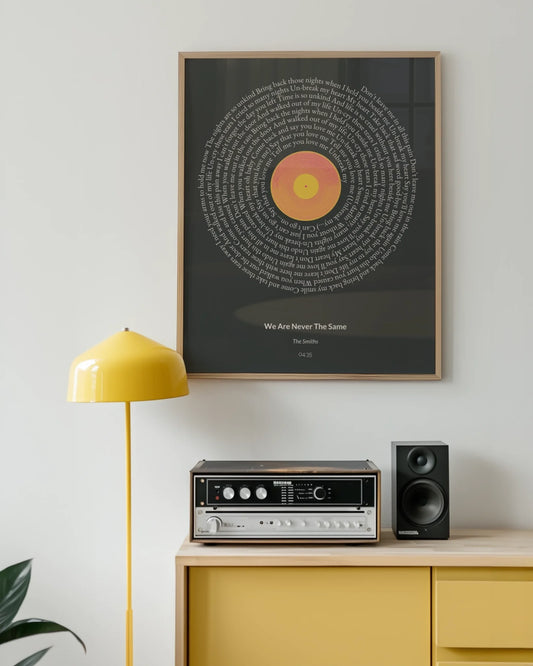
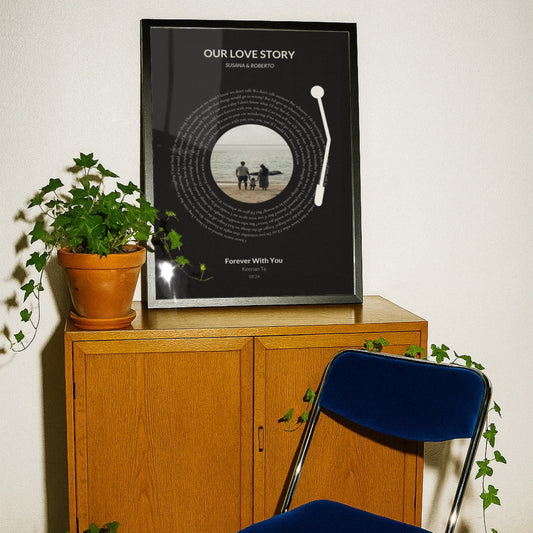
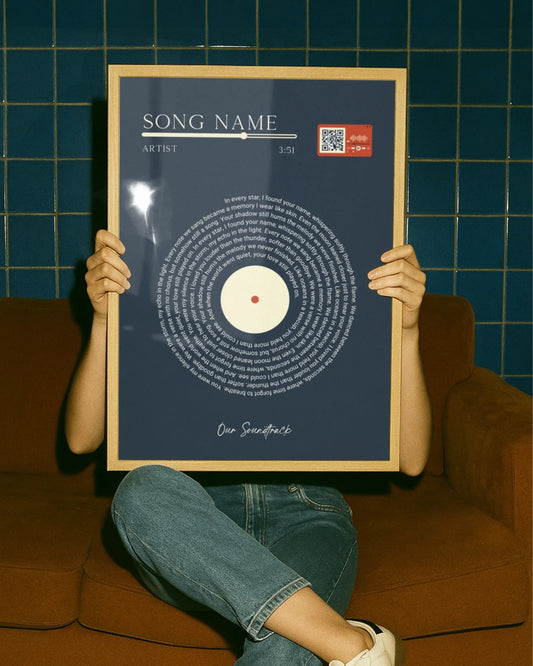
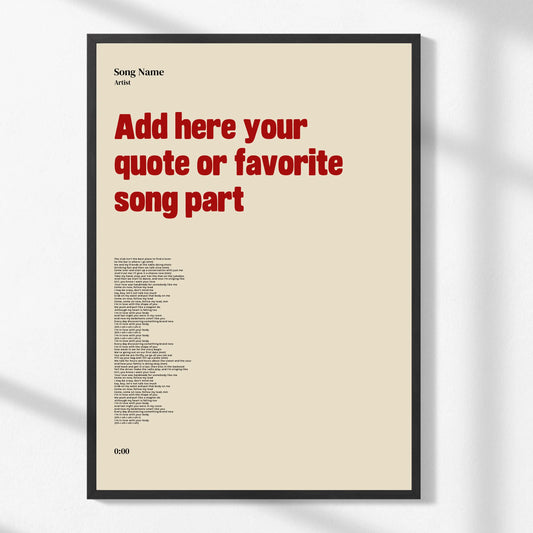
- Removable wall art and adhesive systems. Command strips and removable hooks support gallery walls, framed prints, and custom posters without leaving marks. Wallfully produces custom song lyric posters, map prints, and photo collages that work perfectly in rental spaces because they hang and remove cleanly.
- Textiles as the fastest room change. Swapping curtains, throw blankets, and area rugs shifts a room’s color story and texture without touching a single wall. A well-chosen rug defines a living area better than paint.
- Curated gallery walls. A gallery wall built around personal photos, milestone prints, and meaningful art costs less than a piece of furniture and delivers more personality per square foot than almost any other change.
- Furniture rearrangement. Moving a bookshelf to divide an open-plan studio creates a defined reading nook at zero cost. Renters underuse this option because it feels too simple to matter. It matters.
- Secondhand and commissioned pieces. Thrift stores, estate sales, and platforms like Facebook Marketplace offer unique items that add character. A commissioned piece from a local artist or a personalized print costs less than a designer accent table and means far more.
Pro Tip: Before buying anything new, limit your color palette to three tones across all soft furnishings. That single constraint makes a rented space look intentionally designed rather than assembled over time.
The home personalization perks for renters are real and accessible. Intentionality matters more than ownership status or budget size.
What are the most common misconceptions about home personalization?
The biggest misconception is that personalization requires a large budget or a home you own outright. Neither is true. The benefits of custom interiors are available at every price point, from a $0 furniture rearrangement to a commissioned art piece.
The second misconception is that personalization means following design trends more closely. It means the opposite. Trends are external signals about what other people find appealing right now. Personalization is an internal process based on how you actually live. A home decorated entirely from a Pinterest board reflects the algorithm, not the resident.
The third misconception is that cosmetic changes equal personalization. Painting a wall a trendy color is decoration. Analyzing your daily movement patterns and redesigning your furniture layout around them is personalization. The difference shows up in how the space functions six months later. Balancing function and style is the core skill. Electrical outlet placement and lighting quality often matter more than paint color in a personalized room.
The fourth misconception is that personalization produces clutter. The opposite is true when done with intention. Curating meaningful pieces within a limited palette prevents clutter. The problem arises when homeowners add items without editing. Every addition should replace something or fill a genuine gap, not simply occupy space.
Pro Tip: Focus on lifestyle data before aesthetics. Ask what you do in each room, not what you want it to look like. The answer to the first question usually solves the second.
Personalization also evolves. A home should adapt to changing lifestyles rather than remain static. The nursery becomes a study. The formal dining room becomes a home office. Treating personalization as an ongoing process, rather than a one-time project, keeps your space relevant as your life changes.
Key Takeaways
The most effective approach to home personalization starts with analyzing how you actually use your space, then making targeted changes that serve your real daily life rather than an idealized version of it.
| Point | Details |
|---|---|
| Function before aesthetics | Analyze daily movement and usage patterns before buying or rearranging anything. |
| Zero-cost changes deliver real results | Rearranging furniture costs nothing and often improves satisfaction more than new purchases. |
| Renters have strong options | Soft personalization methods like removable art and textiles deliver 80–90% of renovation-level impact. |
| Intentionality prevents clutter | Curating meaningful pieces within a limited color palette creates cohesion, not chaos. |
| Personalization is ongoing | A home should adapt to your changing lifestyle rather than stay fixed after one redesign. |
Why I think most people personalize their homes in the wrong order
Most homeowners and renters start with aesthetics and work backward. They find a rug they love, build a color scheme around it, and then wonder why the room still feels off. The room feels off because the furniture is still in the wrong place for how they actually move through it.
The right order is the opposite. Start by observing your weekly usage patterns. Where do you actually sit? Which surfaces collect the most clutter? Which rooms do you avoid after 6 p.m.? Those answers are more useful than any mood board.
Small changes made in response to real data produce outsized results. Moving a reading chair three feet closer to a window, adding a lamp to a dark corner, or placing a small table next to the spot where you always set your coffee. These are not glamorous changes. They are the ones that make a home feel genuinely yours.
The trap I see most often is what I call consensus decorating. Homeowners fill their spaces with items that would look good in anyone’s home, items that photograph well and earn compliments, but reflect no one in particular. The result is a space that is pleasant to visit and exhausting to live in. Personalization is the antidote. It requires honesty about how you live, not how you wish you lived.
— Luanda
Wallfully: where personalization becomes wall art
Putting a personal stamp on your walls is one of the fastest ways to shift how a space feels.
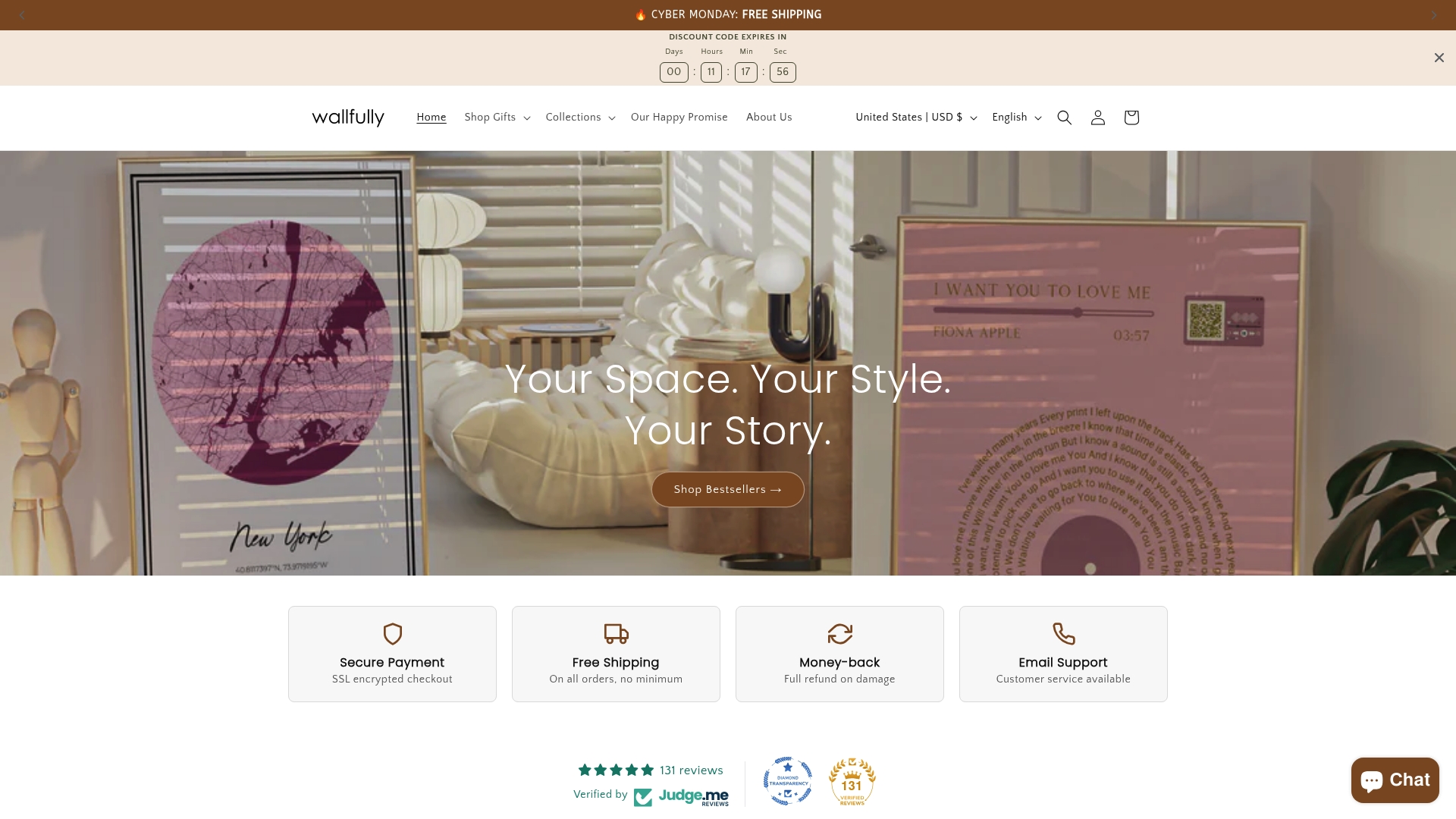
Wallfully specializes in custom prints that carry real meaning: song lyric posters built around the track that defined a moment, map prints centered on a place that matters to you, photo collages, zodiac prints, and milestone art personalized with names and dates. Every print ships free, arrives ready to hang, and is produced on eco-friendly materials. Whether you are a homeowner redesigning a living room or a renter building a gallery wall that moves with you, custom wall art from Wallfully gives any space a clear point of view. Browse the full collection and use the guided preview tool to see exactly how your print will look before you order.
FAQ
What is home personalization?
Home personalization is the process of designing or arranging your living space to match your actual lifestyle, habits, and preferences. It prioritizes function and personal meaning over generic trends or standard layouts.
Does home personalization have to be expensive?
No. Rearranging furniture costs nothing and frequently improves daily satisfaction more than buying new pieces. Soft personalization methods like removable art, textiles, and gallery walls deliver strong results at low cost.
Can renters benefit from personalizing their homes?
Yes. Soft personalization techniques, including removable wall hangings, area rugs, and curated gallery walls, offer 80–90% of the aesthetic impact of permanent changes without violating lease terms.
How is personalization different from following design trends?
Trends reflect external preferences; personalization reflects your actual daily life. A personalized home is built around how you move, work, and rest, not around what is currently popular in design media.
How do I start personalizing my home without making costly mistakes?
Start by recording how you use each room for one week. Identify where clutter collects, which areas feel uncomfortable, and which spaces you avoid. Use that data to guide layout changes before spending money on decor.