
Eco-Friendly Wall Art Process: A 2026 Guide
WallfullyTL;DR:
- Eco-friendly wall art is created using natural, reclaimed, or recycled materials treated with non-toxic finishes to improve indoor air quality. Proper sourcing, preparation, and chamber-tested finishes, such as GREENGUARD Gold certified products, ensure genuine sustainability and health benefits. Maintaining art with natural cleaners and reapplication of finishes extends its lifespan, reducing environmental impact.
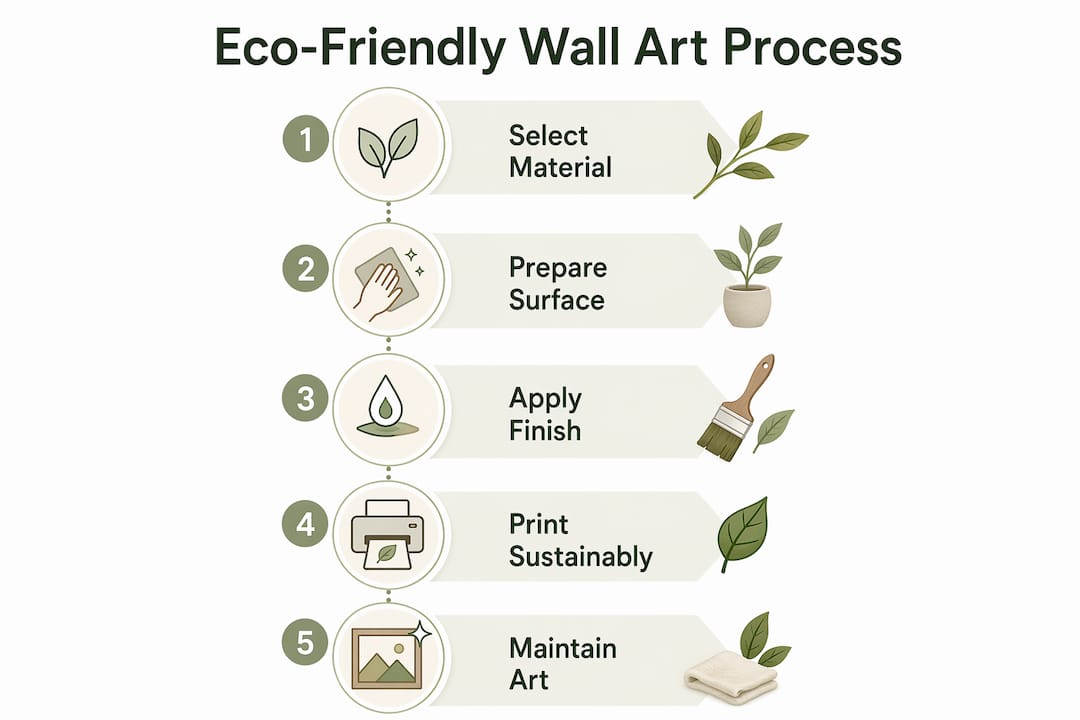
The eco-friendly wall art process is defined as selecting natural, reclaimed, or recycled materials, treating them without toxic chemicals, and finishing them with low-emission coatings to create decor that supports both indoor air quality and environmental health. This guide walks you through every stage, from sourcing reclaimed driftwood and bamboo to understanding certifications like Environmental Product Declarations (EPDs), GREENGUARD Gold, and LEED credits. You will learn which finishes actually protect indoor air, how to verify eco claims beyond marketing labels, and how to maintain sustainable art so it lasts for decades rather than years.
What is the eco-friendly wall art process?
Sustainable wall art creation, the recognized industry practice behind the eco-friendly wall art process, starts with one principle: every material choice and treatment method should reduce environmental harm at every stage of a product’s life. That means sourcing, processing, finishing, and end-of-life disposal all count.
The three pillars of this process are material origin, treatment method, and finish chemistry. A piece made from FSC-certified reclaimed wood but coated with a high-VOC lacquer is not truly eco-friendly. All three pillars must hold. Understanding this helps you evaluate products and DIY projects with real clarity rather than relying on vague “green” marketing.
Certifications are the clearest signal of genuine sustainability. Environmental Product Declarations provide standardized, third-party documented life-cycle data linked to green building standards like LEED. They cover cradle-to-gate and end-of-life phases, so you see the full picture. A product with an EPD is not just claiming sustainability. It is proving it.
How do you choose sustainable materials for wall art?
The best natural materials for art combine low environmental impact, biodegradability, and visual character. Reclaimed driftwood, bamboo, cork, recycled textiles, and salvaged metal each bring unique texture while keeping new resource extraction to a minimum.
Here is how to evaluate your options:
- Reclaimed driftwood and salvaged wood: These are the gold standard for upcycled wall decor ideas. They require no new tree harvesting and carry natural weathering that adds visual depth.
- Bamboo: Bamboo grows to harvest size in three to five years versus 20 or more for hardwoods. It is one of the most renewable natural materials for art available today.
- Recycled textiles and fiber panels: Products like the Supersonic Wall Panel Artwork by AKUART use 75% recycled PET fibers and 100% recycled aluminum frames, achieving 84% recycled content overall. That level of material transparency is what responsible purchasing looks like.
- FSC-certified new wood: When reclaimed sources are unavailable, Forest Stewardship Council certification confirms responsible forestry practices.
- Recycled paper and synthetic substrates: Eterno Eco Fleece wallpapers, made from natural pulp with water-based paint, carry a SuMPO EPD that supports LEED green building certifications.
Upcycled and salvaged sources beat new bio-based options on one key metric: embodied carbon. The energy and emissions already spent producing the original material are sunk costs. Reusing that material generates no new extraction impact.
Pro Tip: When a product claims to be eco-friendly, ask for its EPD with EN 15804 + A2 scope. That standard covers both cradle-to-gate production and end-of-life phases, giving you verified data rather than a marketing promise.
For a deeper look at how material quality and eco impact interact across different substrates, Wallfully’s material overview is a practical starting point.
How do you prepare and treat natural materials sustainably?
Proper preparation is where most DIY eco-friendly projects succeed or fail. Skipping steps here leads to rot, warping, and premature replacement, which increases environmental burden rather than reducing it.
Follow this process for reclaimed driftwood and salvaged wood:
- Scrub with fresh water. Use a stiff brush to remove surface debris, sand, and loose organic matter. Do not use detergent at this stage.
- Leach the salt. Salt in found wood is hygroscopic, meaning it pulls moisture from the air and causes rot from the inside out. Soak saltwater pieces in fresh water for several days, changing the water daily.
- Sanitize. Mix a 1:10 bleach-to-water solution and soak the wood for 24–48 hours. This kills mold spores, bacteria, and insects without introducing persistent chemical residues at that dilution.
- Air dry slowly. Place the wood in a well-ventilated space and allow at least one week of drying time. Rushing this step with heat causes surface cracking and internal stress fractures.
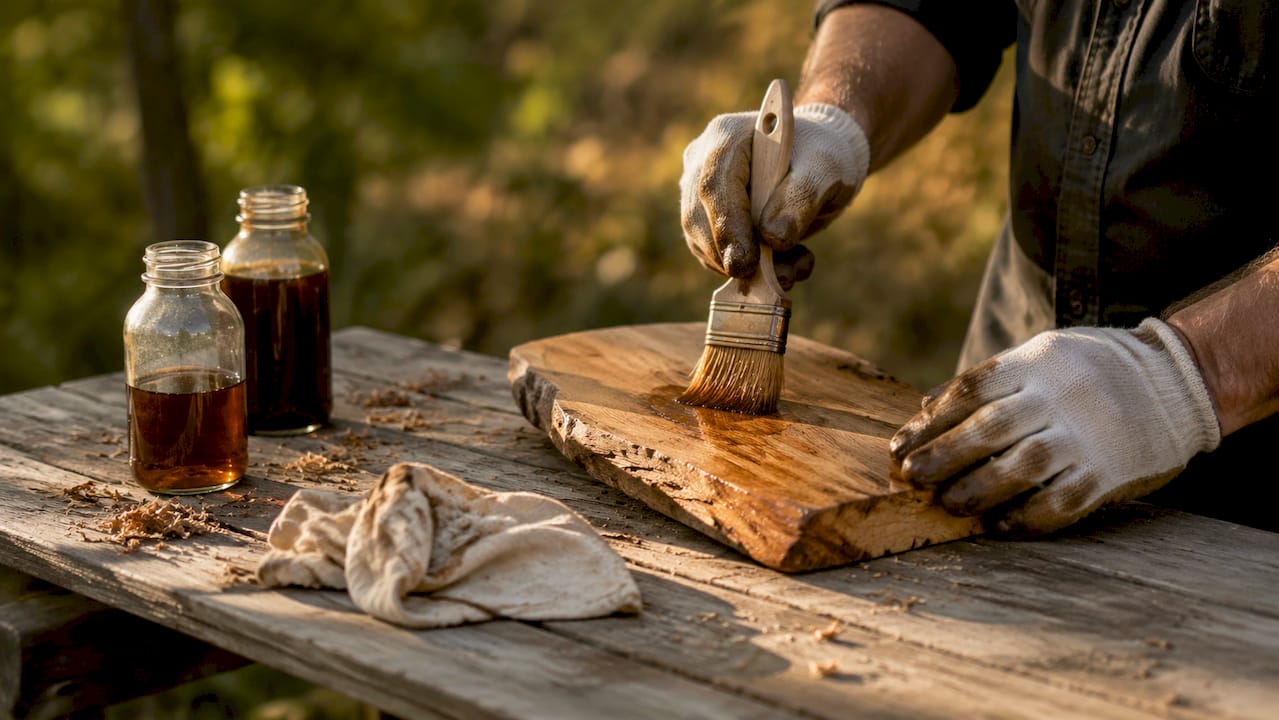
- Finish with natural oils or waxes. Tung oil and beeswax are the two most proven natural finishes. Both penetrate the wood grain, repel moisture, and cure without releasing harmful compounds.
Measuring moisture content before finishing is the single most overlooked quality control step in DIY sustainable wall art. A basic wood moisture meter costs under $20 and tells you exactly when the wood is ready. Finishing over wood above 15% moisture content traps water inside and guarantees future problems.
Pro Tip: Tung oil takes longer to cure than synthetic varnishes, typically five to seven days for a full cure. Apply thin coats and allow complete drying between each one. Rushing the cure is the most common reason natural finishes fail.
For hands-on guidance on treating reclaimed materials at home, Wallfully’s DIY wall decor tutorials show how these preparation steps translate into finished pieces.
What are the best eco-friendly finishing and printing techniques?
Finishing and printing are where many “sustainable” wall art pieces quietly fail. A product made from reclaimed wood but coated with a conventional solvent-based varnish introduces volatile organic compounds (VOCs) into your home’s air for months after installation.
The critical distinction is this: LEED low-emitting coatings are evaluated using chamber-tested emissions data via CDPH Standard Method v1.2, not just the VOC content listed on a label. A paint can show a low VOC number on its label but still emit harmful compounds during curing. Chamber testing catches what label claims miss.
| Technique | Traditional Approach | Eco-Friendly Alternative | Key Advantage |
|---|---|---|---|
| Wood finish | Solvent-based polyurethane | Tung oil or beeswax | No VOC off-gassing; biodegradable |
| Wall paint | Conventional latex with biocides | Water-based, GREENGUARD Gold certified | CDPH v1.2 tested; LEED compliant |
| Art printing | Solvent inkjet printing | Water-based pigment inks on recycled substrates | Lower emissions; recyclable output |
| Substrate | Virgin PVC or foam board | Recycled PET panels or FSC paper | Recycled content; EPD available |
| End-of-life | Landfill disposal | Closed-loop recycling programs | Circular economy model |
Third-party certification is the clearest shortcut here. GREENGUARD Gold certification aligns with CDPH v1.2 emission limits and supports healthier indoor environments. For printed art specifically, water-based pigment inks on recycled substrates represent the current best practice for eco-conscious art creation.
The most forward-thinking development in this space is the closed-loop recycling model. IXXI and Agfa have piloted a closed-loop recycling system for SYNAPS synthetic paper used in modular wall art. Returned production waste and used panels are reprocessed into new material. That is circular economy thinking applied directly to printed wall art, and it points to where the industry is heading.
For examples of retailers applying emission-tested printing methods to finished art prints, Ago Studio’s collection shows what eco-conscious art creation looks like at the retail level.
How do you maintain eco-friendly wall art without causing damage?
Proper care extends the life of sustainable wall art, and a longer lifespan directly reduces environmental impact. Replacing art every few years because of poor maintenance defeats the purpose of choosing eco-friendly materials in the first place.
Durability and stable curing in eco-friendly wall art directly affect product circularity. Poor initial processing leads to early replacement, which increases environmental burden. Good maintenance keeps that cycle from starting.
Follow these care principles:
- Dust with a dry microfiber cloth. Avoid paper towels, which can scratch natural finishes. Microfiber lifts dust without abrasion.
- Clean with diluted white vinegar or plain water. Harsh chemical sprays strip natural oil finishes and degrade recycled fiber panels. A 1:4 vinegar-to-water solution handles most grime safely.
- Keep art away from direct sunlight and humidity extremes. Natural materials expand and contract with humidity changes. Consistent indoor conditions between 40% and 60% relative humidity prevent warping and cracking.
- Reapply natural finishes every two to three years. Tung oil and beeswax finishes wear gradually. A light reapplication restores protection without stripping and refinishing from scratch.
- Choose modular systems when possible. Modular wall art designs allow individual panels to be replaced or updated without discarding the entire piece. This approach supports conservational art practices by reducing waste from visual refreshes.
The most common mistake is using all-purpose household cleaners on natural wood art. Most contain surfactants and solvents that break down oil finishes within a few applications. Once the finish is gone, moisture penetrates the wood and the degradation process accelerates quickly.
Key takeaways
The eco-friendly wall art process requires verified materials, responsible preparation, and chamber-tested finishes to deliver genuine environmental benefit rather than surface-level green claims.
| Point | Details |
|---|---|
| Start with verified materials | Look for FSC certification, recycled content labels, or EPDs with EN 15804 + A2 scope before purchasing. |
| Prepare reclaimed materials properly | Salt leaching, sanitization, and slow air drying prevent rot and extend the life of natural pieces. |
| Choose certified finishes | GREENGUARD Gold and CDPH v1.2 chamber testing confirm low emissions beyond what VOC labels show. |
| Support circular economy models | Closed-loop recycling programs for printed substrates reduce end-of-life waste significantly. |
| Maintain art to extend its lifespan | Regular care with natural cleaners and periodic finish reapplication keeps eco-friendly art out of landfills longer. |
Why certifications matter more than marketing claims
I have spent years reviewing home decor products that carry the word “sustainable” on their packaging without a single third-party document to back it up. The gap between what brands claim and what they can prove is wide, and most consumers never think to ask for the evidence.
The shift I have seen in the last few years is encouraging. Brands like AKUART are publishing full EPDs that cover cradle-to-gate production and end-of-life phases. That level of transparency was rare five years ago. Now it is becoming a baseline expectation among informed buyers, and that pressure is changing how manufacturers approach the entire production chain.
What I tell anyone getting started with eco-conscious art creation is this: do not let perfect be the enemy of good. You do not need to source every material from a certified supplier on day one. Start with one reclaimed piece, treat it properly with tung oil or beeswax, and learn what the process actually feels like. The knowledge you build from that first project makes every subsequent choice sharper.
The interior design community has been slow to treat wall art with the same environmental scrutiny it applies to furniture or flooring. That is changing. Choosing sustainable wall art for your home is not a niche preference anymore. It is a measurable contribution to better indoor air quality, lower resource consumption, and a market signal that manufacturers notice.
— Luanda
Explore sustainable wall art at Wallfully
If this guide has you ready to put these ideas into practice, Wallfully makes it straightforward to find wall art that aligns with your values without sacrificing quality or personalization.

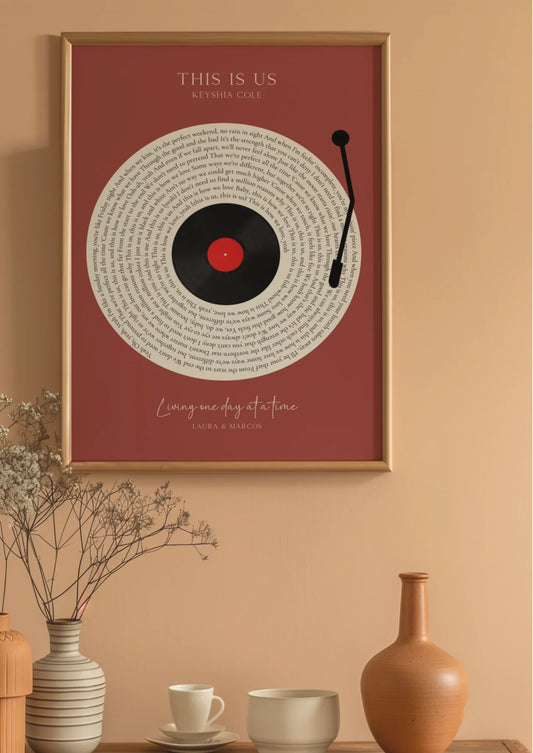
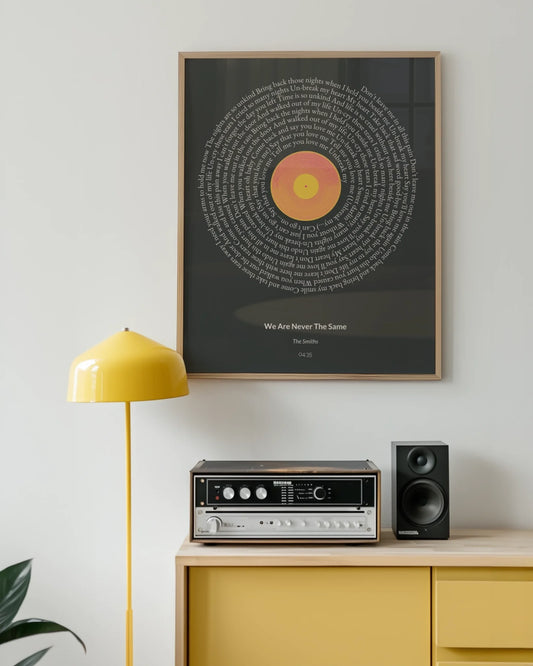
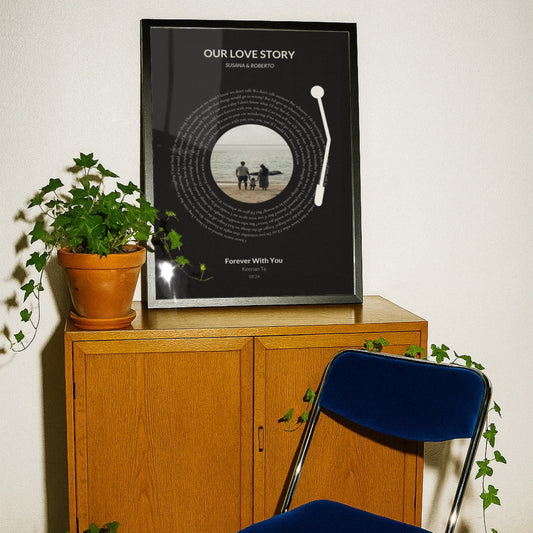
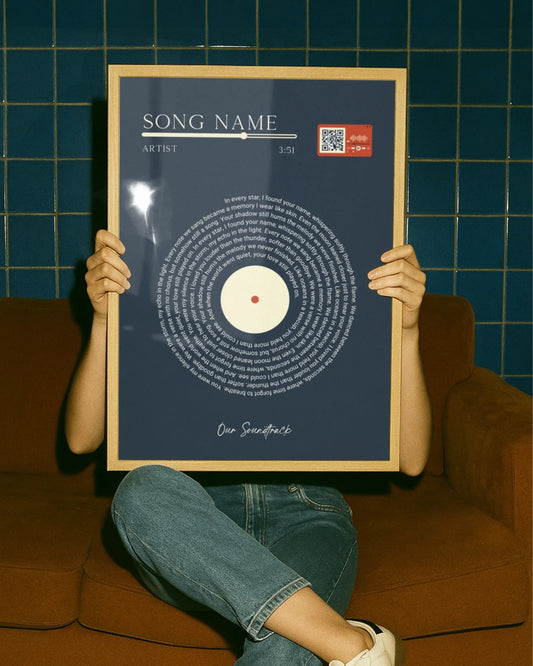
Wallfully’s collection includes custom prints produced with eco-friendly materials and a documented commitment to responsible sourcing. Whether you want a personalized map, a song lyric poster, or a milestone print, each piece is created through a process that takes material quality seriously. Wallfully offers free shipping on all orders and a satisfaction guarantee, so you can invest in meaningful, environmentally friendly decor with confidence. Browse the full collection at Wallfully and find a piece that fits both your space and your standards.
FAQ
What materials qualify as eco-friendly for wall art?
Materials qualify when they are reclaimed, recycled, FSC-certified, or biodegradable, and when their production is documented through third-party certifications like EPDs or GREENGUARD Gold.
How do i verify an eco-friendly wall art claim?
Request an Environmental Product Declaration with EN 15804 + A2 scope. This document covers the full life cycle and is verified by a third party, unlike self-reported VOC labels.
What is the safest finish for natural wall art materials?
Tung oil and beeswax are the two most proven natural finishes. Both cure without harmful off-gassing and can be reapplied periodically to extend the life of the piece.
Does LEED certification apply to wall art?
LEED credits apply to interior coatings and materials that meet CDPH Standard Method v1.2 emission limits. Wall art products with qualifying finishes or substrates can contribute to a building’s LEED score.
How does closed-loop recycling work for printed wall art?
Closed-loop recycling collects used panels and production waste, then reprocesses them into new substrate material. The IXXI and Agfa SYNAPS paper pilot is the most documented current example of this model in wall art production.