
How to choose wall art materials for your home
WallfullyTL;DR:
- Choosing wall art materials requires aligning a piece’s emotional meaning with durability and style, tailored to your space. Popular options like canvas, wood, metal, and glass each offer distinct aesthetic and environmental benefits, with eco-friendly choices gaining momentum. Prioritizing storytelling through materials creates timeless, personalized decor that enhances your home’s ambiance and reflects your values.
Blank walls are more than just missed decorating opportunities. They affect how a room feels, how guests perceive your space, and how comfortable you feel coming home every day. Choosing the right wall art materials is where the transformation begins. The material behind your art shapes everything from its emotional impact and durability to its environmental footprint. Whether you’re personalizing your own living room or searching for a truly meaningful gift, this guide walks you through every major consideration so you can make a confident, informed decision.
Table of Contents
- Understanding your wall art goals
- Reviewing popular wall art materials
- Eco-friendly and sustainable choices
- Material trends and style considerations
- Common mistakes and how to get it right
- What most guides miss about choosing wall art materials
- Find unique wall art solutions for your home
- Frequently asked questions
Key Takeaways
| Point | Details |
|---|---|
| Define your goals | Clarifying why you want wall art guides smart material choices for your space. |
| Match material to style | Materials affect both aesthetics and durability, so choose with your decor theme in mind. |
| Prioritize sustainability | Eco-friendly options enhance your home and align with modern values. |
| Optimize for trends | Trend-driven materials offer fresh looks but should still fit your personal taste. |
| Avoid common mistakes | Learn to spot and prevent mismatches, poor quality, or unsustainable choices. |
Understanding your wall art goals
Before you spend a single dollar on wall art, you need to get clear on what you actually want it to do. This sounds obvious, but most people skip this step and end up buying something that looks great online and feels completely wrong on the wall.
Start by asking yourself a few foundational questions. Do you want the art to create warmth and ambiance, or are you looking for a bold statement piece? Are you decorating a shared living space where the art needs to feel neutral enough for everyone, or a personal bedroom where you can go all in on your own taste? Are you buying for yourself or selecting a gift for someone celebrating a milestone?
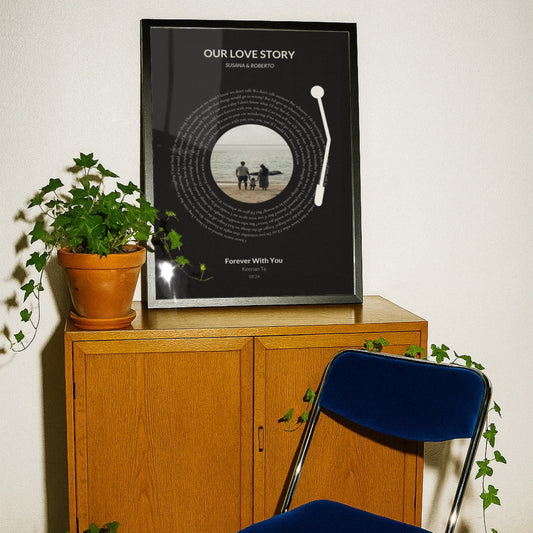
The answers to these questions will guide every material decision that follows. Wall art personalization trends show that more people are moving away from generic prints and toward pieces that tell a specific story. A custom map showing where a couple first met, for example, needs a material that handles fine detail well. A rustic farmhouse living room calls for something with natural texture, like reclaimed wood or canvas.
Here are the key goals to define before shopping:
- Ambiance and mood: Do you want the art to energize the room or calm it down?
- Theme and style: Is your home modern minimalist, bohemian, industrial, or traditional?
- Sentiment and meaning: Will the piece mark a specific memory, relationship, or milestone?
- Gifting purpose: Is this for a birthday, anniversary, wedding, or housewarming?
- Placement: Which room, which wall, and how much space is available?
- Budget range: Are you looking for something affordable and fun, or investing in a lasting centerpiece?
Wall art for celebrations is a growing category because people increasingly want gifts that carry real emotional weight. Personalized wall art is a leading trend for both self-expression and gifting, and knowing your goal upfront helps you select the material that delivers the most meaning.
Once you know the impact you want, it’s time to identify materials with real-life benefits.
Reviewing popular wall art materials
The material your wall art is printed on or crafted from determines how long it lasts, how it interacts with light, and whether it suits your home’s overall style. Let’s break down the most popular options and what you actually get with each one.
Canvas is the classic choice. It has a warm, textured surface that mimics traditional paintings, making it ideal for photo prints, portraits, and artistic pieces. Canvas is lightweight, easy to hang, and handles color printing extremely well. On the downside, it can fade if placed in direct sunlight without UV protection.
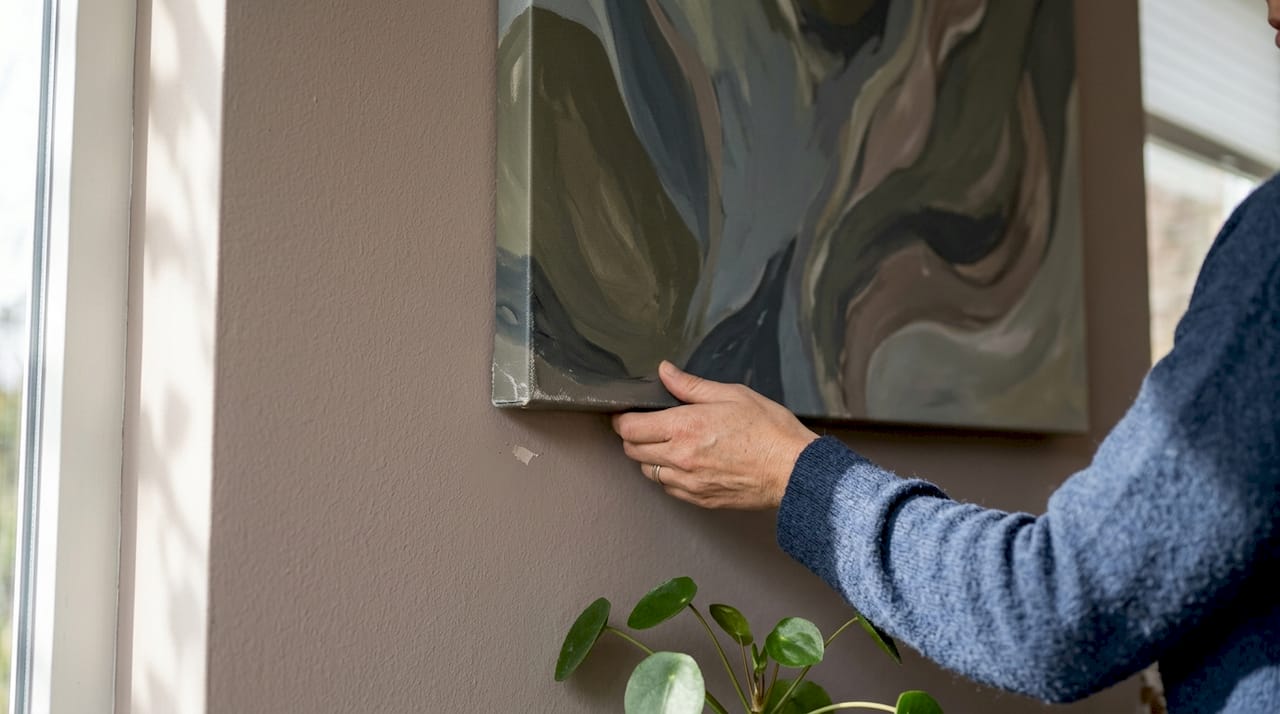
Wood adds natural warmth and dimension. Printed or hand-crafted wood panels work especially well in rustic, Scandinavian, and farmhouse interiors. Wood is heavier than canvas and can warp in high-humidity environments like bathrooms, but in the right setting it’s stunning.
Metal (typically aluminum) produces vivid, high-contrast prints with a modern edge. Metal art is moisture-resistant, making it an excellent option for kitchens and bathrooms. It’s also among the most durable options available.
Glass offers a sleek, sophisticated look. Printed glass panels catch light in unique ways and look especially good in contemporary spaces. Glass is heavier and more fragile than other materials, so installation requires more care.
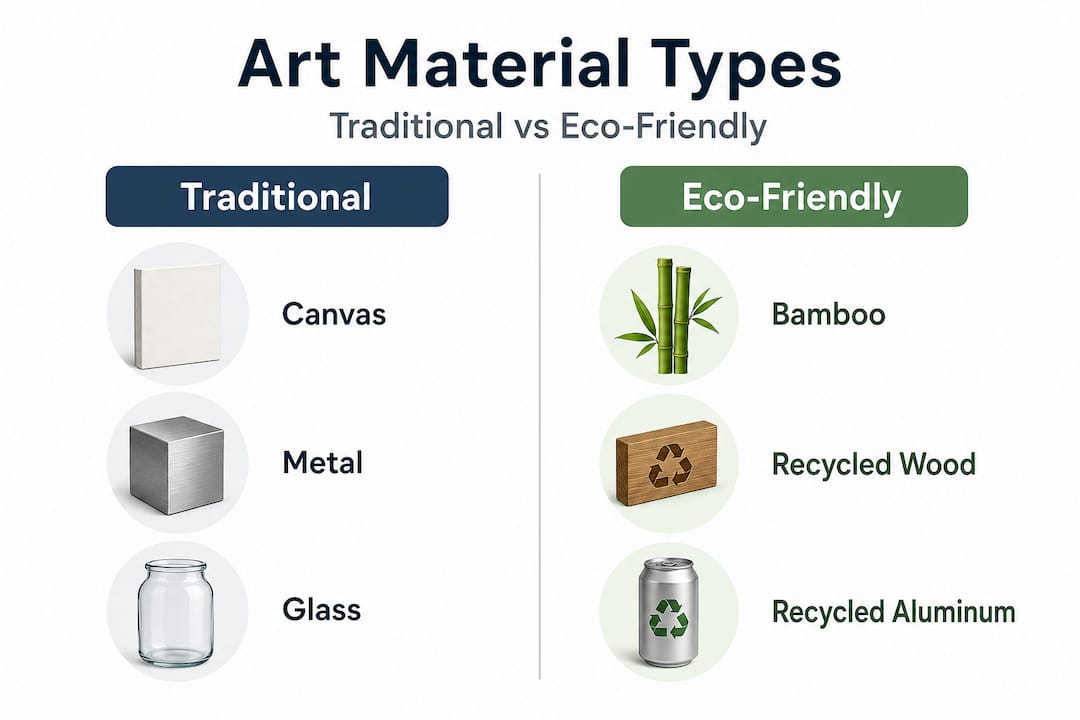
Recycled and eco-friendly materials are growing fast. These include recycled aluminum, sustainably sourced wood, and bamboo panels. They perform similarly to their traditional counterparts but carry a much smaller environmental impact.
The wall art material overview makes clear that material choice affects quality, eco impact, and style compatibility in ways that go beyond just appearance.
| Material | Durability | Maintenance | Best style match |
|---|---|---|---|
| Canvas | High | Low | Traditional, bohemian, eclectic |
| Wood | Medium | Medium | Rustic, farmhouse, Scandinavian |
| Metal | Very high | Very low | Modern, industrial, contemporary |
| Glass | Medium | Medium | Minimalist, luxury, contemporary |
| Recycled/eco | Varies | Low to medium | Any style, eco-conscious homes |
Pro Tip: If you live in a coastal area or a humid climate, lean toward metal or treated canvas. Wood panels can absorb moisture and warp over time, which shortens the life of your art significantly.
Now that you know what’s available, let’s explore how material choice relates to sustainability and broader home goals.
Eco-friendly and sustainable choices
Sustainability in home decor isn’t a passing trend. It reflects a genuine shift in how people want to live and what they want their purchases to represent. Choosing eco-friendly wall art materials lets you decorate your home while aligning your buying habits with your values.
The most common sustainable materials in wall art include:
- Bamboo: Fast-growing, renewable, and surprisingly durable. Bamboo panels are lightweight and add an organic, textured look to any space.
- Reclaimed wood: Salvaged from old buildings or furniture, reclaimed wood gives each piece a unique history. No two panels look exactly alike.
- Recycled metal: Aluminum made from recycled content uses significantly less energy to produce than virgin metal and performs just as well.
- FSC-certified paper and board: The Forest Stewardship Council (FSC) certification ensures paper-based prints come from responsibly managed forests.
- Soy-based and water-based inks: These inks release fewer volatile organic compounds (VOCs) than traditional petroleum-based inks, making them better for your indoor air quality and the environment.
“Choosing eco-friendly materials for your home decor doesn’t mean compromising on quality or beauty. It means investing in pieces that are good for you and the planet simultaneously.”
When you’re shopping, don’t just take a retailer’s word for it that a product is “eco-friendly.” Look for specific certifications like FSC, OEKO-TEX, or B Corp status. Ask whether the retailer shares information about sourcing, production processes, and shipping practices. Transparency is usually a good sign.
Eco-friendly wall art benefits go beyond just helping the environment. Studies consistently show that surrounding yourself with natural materials and sustainable choices can improve your sense of well-being and satisfaction at home.
Pro Tip: Use the eco-friendly wall art guide to build a shortlist of materials that meet both your aesthetic preferences and your sustainability standards before you start browsing products. It saves time and helps you avoid greenwashing traps.
Check the defining eco-friendly art resource for a deeper look at what these terms mean in practice so you can shop with real confidence.
Sustainability isn’t the only trend. Next, see how materials tie into the year’s top styles.
Material trends and style considerations
Home decor is always evolving, and the materials people reach for reflect what’s happening in design culture at large. Wall decor trends for 2025 featured unique materials and a strong emphasis on customization, with personalized pieces dominating wish lists and gift registries alike. That momentum has carried directly into 2026.
| Material | Trending aesthetic | Most popular use case |
|---|---|---|
| Textured canvas | Warm maximalism | Gallery walls, living rooms |
| Brushed metal | Industrial modern | Kitchens, home offices |
| Reclaimed wood | Rustic revival | Dining rooms, entryways |
| Acrylic/glass | Luxury minimalism | Bedrooms, bathrooms |
| Mixed materials | Eclectic layering | Feature walls, studios |
The mixed materials trend is particularly exciting. Combining wood frames with metal prints, or pairing canvas textures with reclaimed wood mounting boards, creates a layered, curated look that feels intentional rather than assembled. The top wall art trends this year confirm that people are moving away from single-material gallery walls toward compositions that mix textures.
Here’s a step-by-step approach for incorporating new materials into your design plan:
- Identify your dominant decor style. Look at your furniture, textiles, and existing art. What’s the overall feeling — warm and natural, cool and sleek, or eclectic and layered?
- Pick one hero material. Choose the material that best matches your style and makes the strongest statement. This becomes the anchor of your wall art plan.
- Select a secondary material. Pick something that contrasts gently with the hero material in texture or finish without clashing in color.
- Test scale before committing. Use painter’s tape to map out the art dimensions on your wall before ordering. Size surprises are one of the biggest regrets buyers report.
- Start with one wall. Don’t overhaul every room at once. Pick the wall with the most visual impact and build from there.
- Explore DIY layering options. Combining ready-made prints with handmade or customized elements adds personality that store-bought sets can’t replicate. The DIY wall art ideas resource is a great place to find beginner-friendly techniques.
This systematic approach prevents the “random collection” look that makes walls feel cluttered rather than curated.
With these trends and practical guides in hand, let’s address common mistakes and how to maximize results.
Common mistakes and how to get it right
Even well-intentioned decorators make avoidable mistakes when choosing wall art materials. Knowing what to watch for saves you money and frustration.
- Mismatching material and room environment. Hanging wood panels in a steamy bathroom, or using unprotected canvas in a sunny south-facing room, shortens your art’s lifespan significantly. Match the material to the room’s conditions, not just its style.
- Choosing size by gut feel alone. Oversized art overwhelms small rooms. Undersized art looks like an afterthought on a large wall. Always measure and tape out dimensions before ordering.
- Ignoring durability requirements. A busy household with kids and pets needs something more forgiving than delicate glass or unfinished wood. Material choice influences both longevity and your long-term satisfaction with your purchase.
- Skipping eco considerations. Choosing a low-cost material that degrades quickly or uses harmful production processes creates more waste over time, not less. Check the wall art quality guide before committing.
- Neglecting hanging hardware. Heavy metal or glass pieces require specific wall anchors and mounting systems. Buying art without checking its weight and the appropriate hardware is a common and costly oversight.
- Overlooking care instructions. Some materials require specific cleaning methods. Metal wipes clean easily. Unfinished wood needs to be kept dry. Canvas should never be scrubbed. If you don’t know how to care for a material, you may accidentally damage it.
Pro Tip: Always check the care and maintenance instructions before you buy, not after. A material that’s difficult to maintain in your household is the wrong material, no matter how beautiful it looks in the product photo.
Knowing what to avoid ensures your choices stand the test of time. Here’s a perspective based on real experience.
What most guides miss about choosing wall art materials
Most material guides focus almost entirely on aesthetics and durability. Those things matter, but they miss the most important layer: storytelling. The best wall art doesn’t just fill space. It tells people something true about who lives there.
A canvas print of a generic cityscape and a custom map of the exact neighborhood where you grew up can look visually similar from across the room. But only one of them carries meaning. Only one of them makes you feel something when you walk past it every morning. That’s the difference between decorating and personalizing.
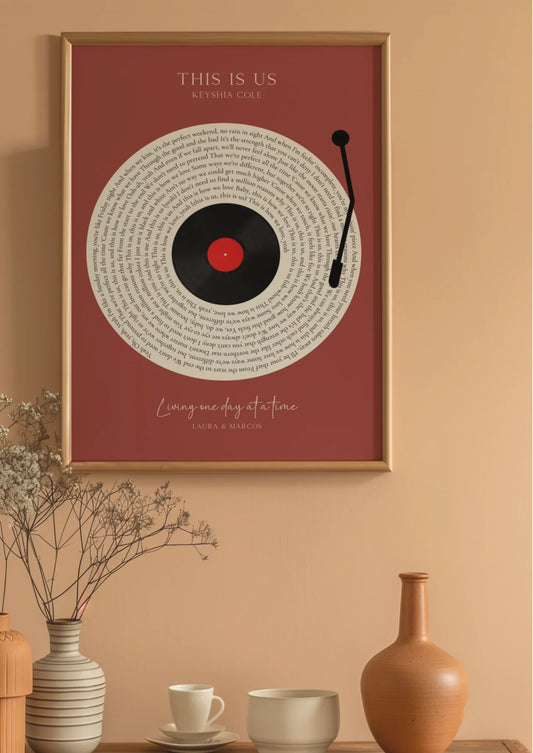
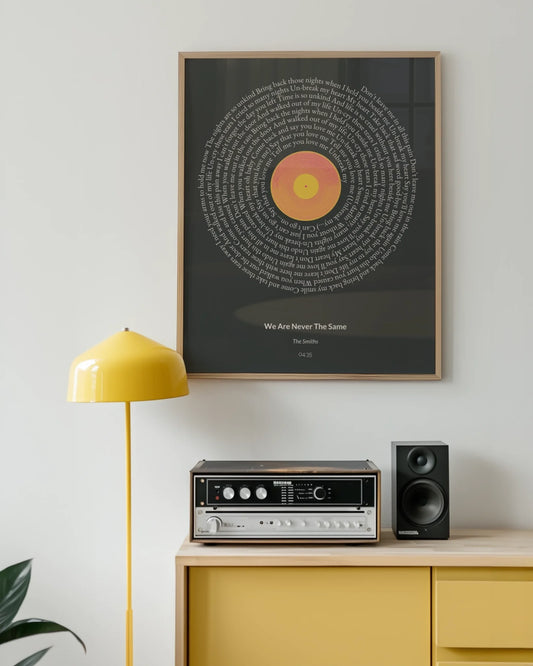
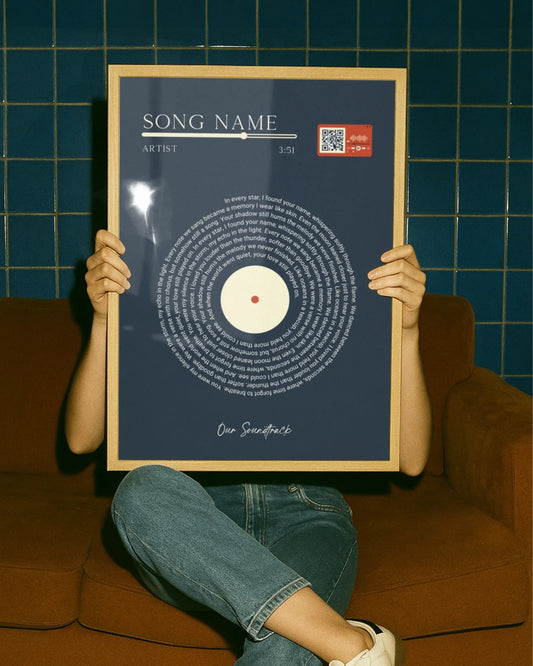
When you think about material selection through the lens of storytelling, your priorities shift. You stop asking, “What looks good?” and start asking, “What material best honors this particular memory or relationship?” A song lyric poster commemorating the first dance at a wedding deserves a material that feels premium and lasting, not something that fades in two years. A child’s name art for a nursery calls for something soft, warm, and non-toxic.
The truth is, authenticity and emotional resonance outlast trends. Right now, brushed metal and reclaimed wood are everywhere. In five years, something else will dominate the trend cycle. But a piece of art that genuinely reflects a moment, a person, or a place will still feel meaningful decades later.
We’ve seen this play out repeatedly. Customers who choose materials based primarily on what’s trending often come back to replace pieces. Customers who choose based on personal meaning almost never do. If you’re exploring custom DIY wall art as a starting point, focus on what the piece means first and let the material serve that meaning, not the other way around.
Find unique wall art solutions for your home
Choosing the right material is the foundation, but bringing your vision to life requires the right tools and a platform that makes customization easy and genuinely enjoyable.
At Wallfully, you can browse wall art materials across a wide range of styles, from premium canvas prints to personalized poster designs crafted with eco-conscious production methods. Every piece can be customized with names, dates, locations, or lyrics so that your wall art tells your story instead of someone else’s. Whether you’re personalizing your own home or finding a gift that someone will actually treasure for years, the process is simple, the previews are accurate, and the quality speaks for itself. Free shipping on every order makes it even easier to start.
Frequently asked questions
What wall art materials are most durable for a busy household?
Canvas and metal are top choices for durability and easy maintenance in high-traffic homes. Material choice affects quality and longevity, so prioritize materials with protective coatings if your household sees a lot of activity.
How can I tell if a wall art material is truly eco-friendly?
Look for official certifications like FSC or OEKO-TEX and check whether the retailer is transparent about their sourcing and production processes. Eco-friendly wall art benefits your well-being and the environment, so don’t settle for vague claims without verification.
What’s the best way to match wall art materials to my existing decor?
Focus on complementary textures and finishes that align with your dominant decor style rather than trying to match colors exactly. Material choice affects style compatibility, so look at what textures already exist in your room and build from there.
Are personalized wall art materials a good option for gifts?
Absolutely. Personalized pieces are among the most meaningful gifts you can give because they reflect the recipient’s specific story. Personalized wall art is a leading trend in gifting for 2026, and the right material makes them feel even more special and lasting.
Can I combine different materials for a unique look?
Yes, and mixing materials is one of the strongest design moves you can make. Wall decor trends feature combined materials like wood and metal together, which creates visual contrast and a more curated, intentional aesthetic.