
The Role of Eco-Friendly Materials in Art and Home Decor
WallfullyEco-friendly materials are the backbone of truly sustainable personalized wall art. They determine not just how a print looks on your wall, but how it affects your home’s air quality, how long it lasts, and what happens to it at the end of its life. The role of eco-friendly materials in art goes well beyond optics: these choices shape production waste, chemical exposure, and whether a custom poster becomes a lasting heirloom or a landfill contribution.
- Sustainable substrates like bamboo fiber and cotton rag reduce deforestation and resist aging far better than wood-pulp papers
- Water-based and soy-based inks eliminate volatile organic compound (VOC) emissions that degrade indoor air quality
- Made-to-order production cuts surplus inventory and the energy waste that comes with it
- Recyclable or compostable packaging closes the loop on single-use plastic
- Wallfully’s commitment to eco-friendly printing means every custom poster you order is produced with these standards already built in
Table of Contents
- What sustainable materials actually go into personalized wall art
- Why eco-friendly personalized art is a smarter choice for home decor and gifts
- How eco-friendly materials affect the quality and longevity of your art
- What to look for when choosing eco-friendly personalized wall art
- How the full lifecycle of eco-friendly art materials plays out
- Eco-friendly materials vs. traditional art materials: the real differences
- Artists and brands leading the way in eco-friendly personalized art
- How to care for and preserve eco-friendly wall art
- The real limitations of eco-friendly art materials
- Wallfully brings eco-friendly printing to personalized wall art
- Key Takeaways
What sustainable materials actually go into personalized wall art
The range of eco-friendly substrates available today is broader than most people realize. Each material brings a distinct combination of environmental credentials and print performance.
- 100% post-consumer recycled fiber paper: Diverts waste from landfills and requires less energy to produce than virgin paper
- Bamboo fiber paper: Hahnemühle’s bamboo paper is 90% bamboo fiber, acid- and lignin-free, and meets ISO 9706 museum-quality standards for age resistance
- Cotton rag paper: 100% cotton, no wood pulp, naturally acid-free, and used for archival prints that last generations
- Water-based and soy-based inks: Free from harsh solvents, these produce vibrant colors while keeping VOC emissions near zero
- FSC-certified and reclaimed wood frames: Forest Stewardship Council certification confirms responsible sourcing; reclaimed timber skips new harvesting entirely
- Recyclable or compostable packaging: Eco-conscious producers use right-sized, 100% recyclable boxes to cut shipping waste
Why eco-friendly personalized art is a smarter choice for home decor and gifts
Choosing sustainable wall art is not just a values statement. There are concrete, practical reasons it makes sense for your home and for the people you give it to.
A print made with non-toxic inks and natural fiber substrates creates measurably safer indoor air compared to conventional chemical-based products. That matters especially in bedrooms, nurseries, and home offices where you spend hours daily. The reduced carbon footprint from responsible material sourcing and made-to-order production also means your purchase actively supports lower resource consumption.
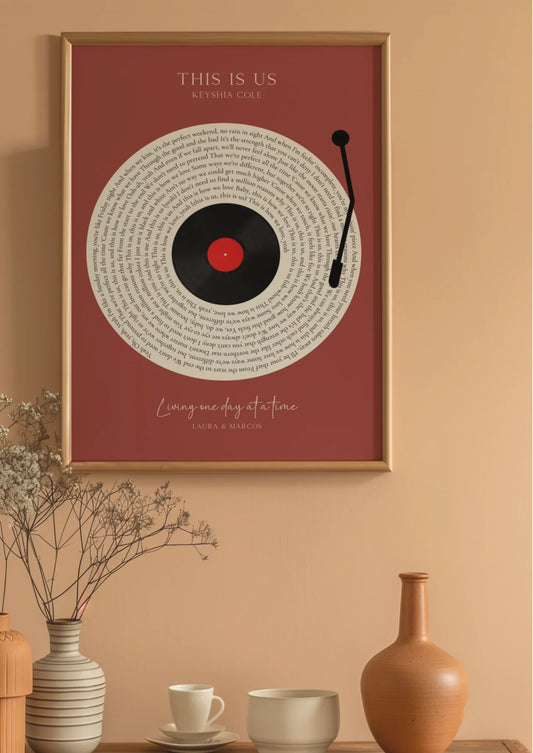
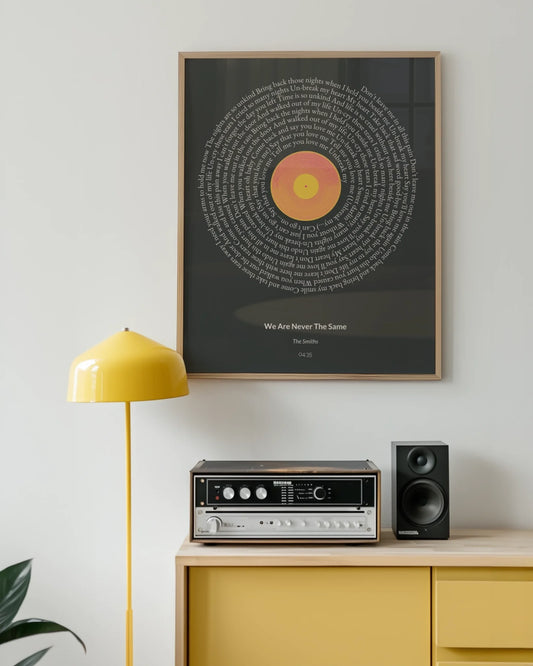
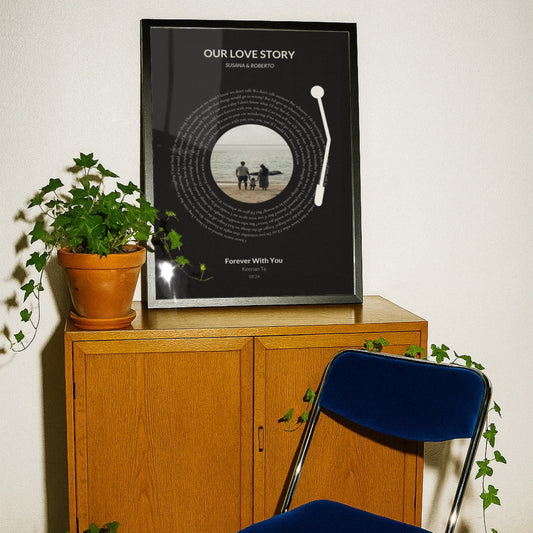
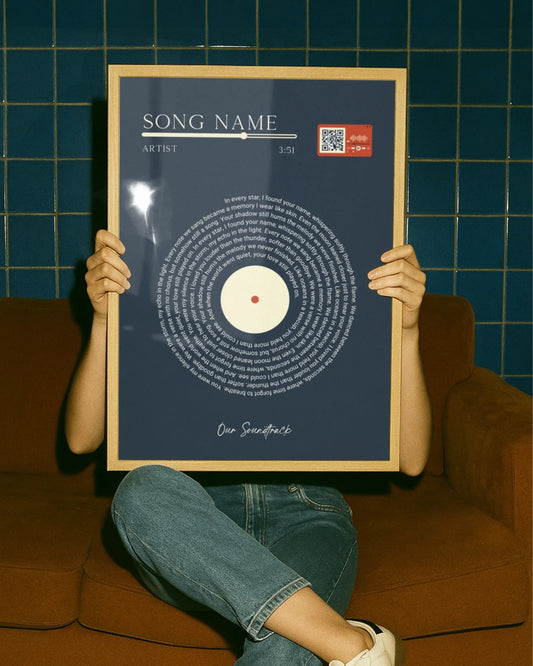
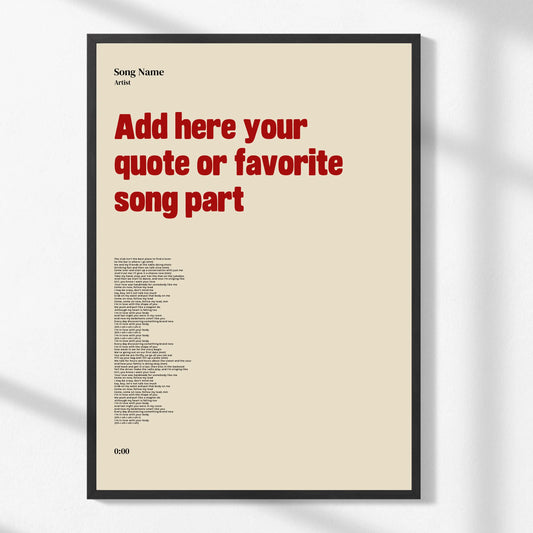
For gifting, there is an added dimension. A custom song lyric poster or personalized map printed on bamboo or cotton paper carries a story: it was made thoughtfully, for one person, without generating waste. That combination of meaning and environmental care is genuinely hard to replicate with a mass-produced alternative. Pair it with eco-friendly home accents like natural fiber textiles and the gift becomes part of a coherent, conscious aesthetic.
How eco-friendly materials affect the quality and longevity of your art
This is where sustainable materials earn their keep beyond the environmental argument. Natural fiber papers like bamboo and cotton rag are inherently acid- and lignin-free, which means they do not yellow or become brittle over time the way standard wood-pulp papers do. Hahnemühle’s bamboo paper meets ISO 9706 archival standards, a benchmark most conventional poster papers never approach.
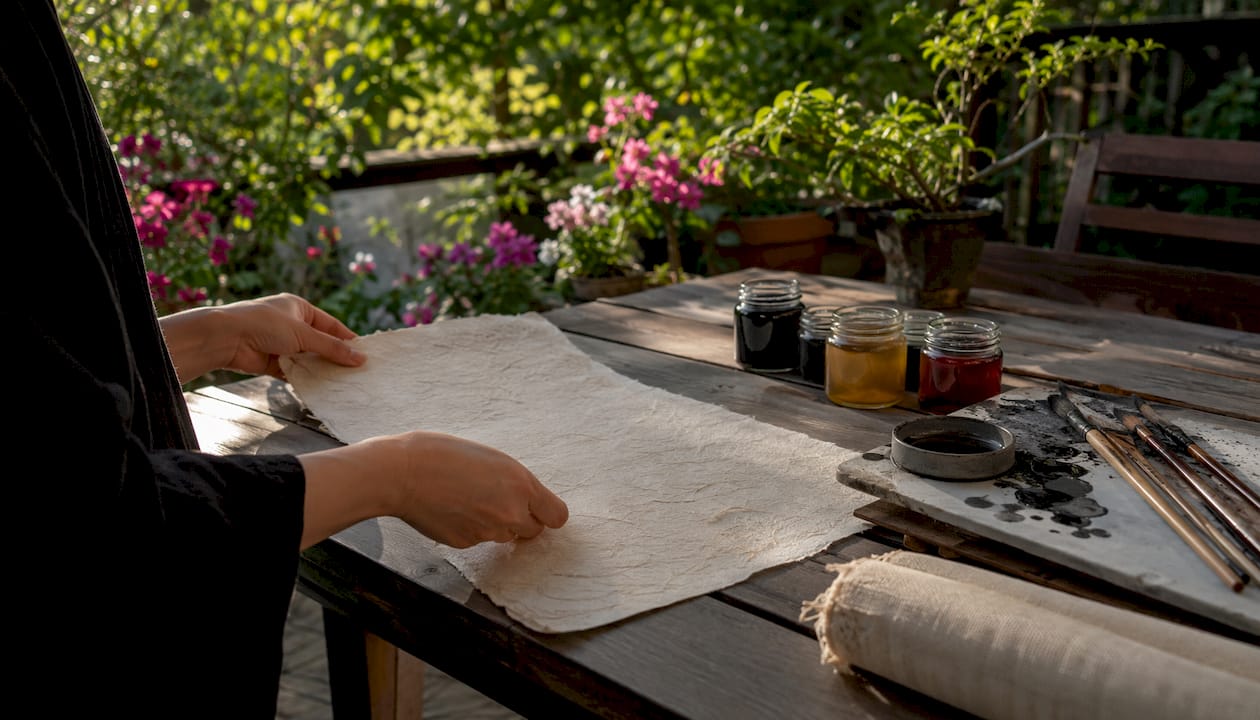
Water-based inks bond well with natural fiber surfaces and maintain color vibrancy without the fading that solvent-based inks can exhibit over years of light exposure. The result is a print that looks as sharp a decade from now as it does the day it arrives. Fewer replacements means less waste, which loops back into the sustainability case.
Traditional chemical-laden papers, by contrast, degrade faster, off-gas VOCs during and after printing, and often end up in landfill within a few years. The longevity gap between the two is not marginal.
What to look for when choosing eco-friendly personalized wall art
Not every product marketed as “green” delivers on that claim. A few specific checks cut through the noise.
- Certifications: FSC for wood and frames; ISO 9706 for paper longevity; acid- and lignin-free labeling for substrates
- Ink type: Water-based or soy-based inks are the standard to look for; avoid products that list solvent-based inks without specifying eco-solvent formulations
- Production model: Made-to-order printing eliminates overproduction waste; ask whether items are printed on demand or pulled from pre-made stock
- Packaging: Recyclable or biodegradable materials; no unnecessary plastic wrapping
- Transparency: Brands that name their materials and certifications are far more credible than those using vague sustainability language
Pro Tip: When styling eco-friendly wall art in your home, pair it with organic textiles like jute rugs or linen curtains and stick to natural, muted color palettes. Combining sustainable designs with these elements creates a cohesive look that lets the art breathe rather than compete.
How the full lifecycle of eco-friendly art materials plays out
Every material has a lifecycle: extraction or harvesting, processing, printing, use, and disposal. Bamboo grows to harvest maturity in roughly three to five years without replanting, compared to decades for hardwood trees. Cotton linters, the raw material for cotton rag paper, are a byproduct of cotton processing, so the paper uses material that would otherwise go to waste.
At the disposal end, acid-free natural fiber papers are compostable or recyclable, unlike plastic-coated or laminated conventional posters. FSC-certified wood frames can be recycled or repurposed. The full lifecycle of a well-made eco-friendly print generates significantly less environmental burden than its conventional equivalent, from raw material to end of life.
Eco-friendly materials vs. traditional art materials: the real differences
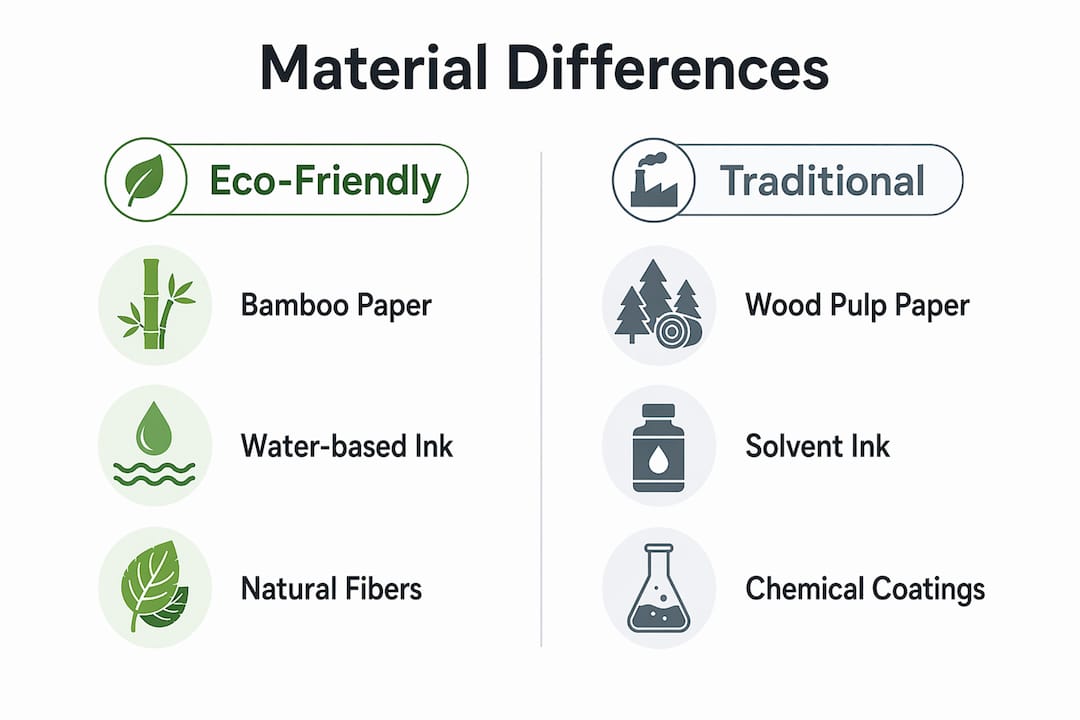
| Factor | Eco-Friendly Materials | Traditional Materials |
|---|---|---|
| Paper base | Bamboo, cotton, recycled fiber | Virgin wood pulp |
| Ink chemistry | Water-based, soy-based | Solvent-based, chemical-heavy |
| VOC emissions | Near zero | Moderate to high |
| Longevity | Archival, resists yellowing | Degrades faster |
| End-of-life | Compostable or recyclable | Often landfill-bound |
| Production waste | Made-to-order, minimal surplus | Mass-produced, surplus common |
The gap in VOC emissions and longevity is the most practically significant difference for home use. A conventional solvent-printed poster can off-gas for weeks after hanging; a water-based print on cotton rag does not.
Artists and brands leading the way in eco-friendly personalized art
Several producers have moved well past token sustainability gestures. Hahnemühle’s Natural Line papers, including their bamboo and cotton rag products, set a benchmark for archival eco-friendly substrates used by fine art printers worldwide. Moab Paper’s Entrada line uses 100% cotton paper with no wood pulp, delivering museum-quality surfaces for photographers and artists producing limited-edition prints.
Wallfully stands out in the personalized wall art space specifically because it combines these material standards with a made-to-order model. Every custom poster, song lyric print, or star map is printed when ordered, not pulled from pre-made stock. That single operational choice eliminates the overproduction waste that undermines the sustainability claims of many mass-market art retailers.
How to care for and preserve eco-friendly wall art
Natural fiber prints are durable, but a few habits extend their life considerably.
- Avoid direct sunlight: UV exposure fades any print over time; hang art on walls that receive indirect light or use UV-filtering glass if framing
- Control humidity: Cotton and bamboo papers handle normal indoor humidity well, but prolonged exposure to moisture warps fibers; bathrooms are not ideal locations
- Dust gently: A soft, dry microfiber cloth removes surface dust without abrading the print surface
- Frame with archival materials: Acid-free mats and UV-protective glazing protect the print from both light and off-gassing from non-archival backing boards
- Handle by edges: Natural oils from hands can transfer to paper surfaces over time
The real limitations of eco-friendly art materials
Sustainable materials are not perfect, and it is worth knowing the trade-offs before you buy.
Cost is the most common friction point. Bamboo fiber and cotton rag papers cost more to produce than standard wood-pulp stock, and that difference shows up in the price of the final print. FSC-certified frames carry a similar premium over uncertified alternatives.
Color gamut can also be slightly narrower on some natural fiber papers compared to heavily coated synthetic stocks, though the gap has narrowed significantly as coating technology has improved. For most personalized art, including maps, lyric prints, and photo collages, the difference is not visible in normal viewing conditions.
Finally, not every eco-friendly ink formulation performs equally on every substrate. A water-based ink optimized for cotton rag may not deliver the same result on bamboo paper without recalibration. Reputable producers test and match their ink and substrate combinations; it is worth checking whether a brand specifies this.
Wallfully brings eco-friendly printing to personalized wall art
Personalized wall art that looks beautiful and sits lightly on the planet is exactly what Wallfully was built to deliver. Every order is printed on demand using eco-friendly water-based inks and responsibly sourced materials, with optional FSC-certified framing. There is no pre-made stock, no overproduction, and no unnecessary plastic in the packaging.
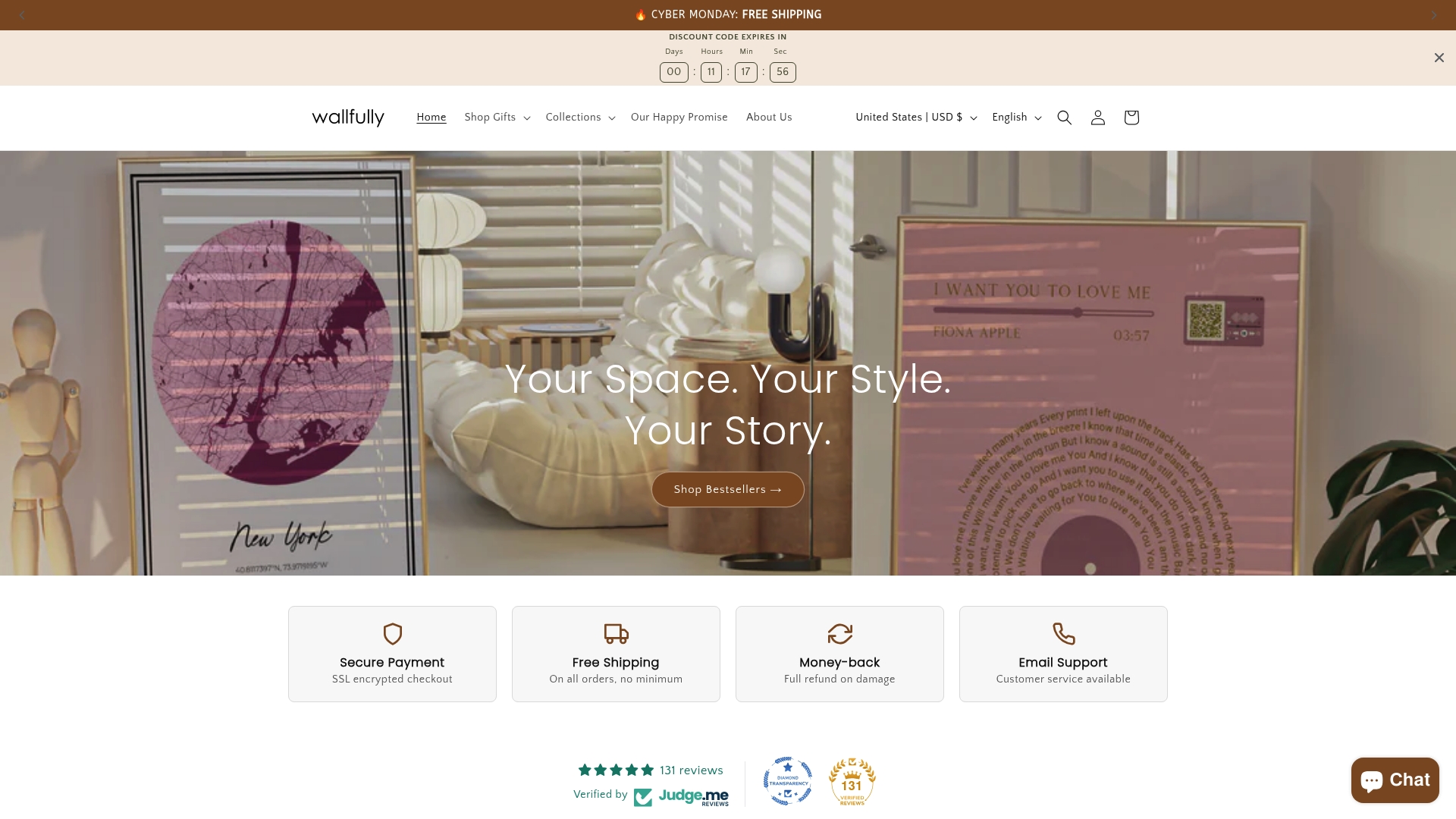
The customization process is straightforward: choose your design, add your personal details (a name, a date, a location, a song), preview the result, and order. Free shipping is included on every order, and a satisfaction guarantee backs every purchase. For a gift that carries genuine meaning and genuine environmental care, explore Wallfully’s personalized wall art collections and start creating today.
Key Takeaways
Eco-friendly materials in personalized wall art reduce environmental harm, improve indoor air quality, and produce prints that outlast conventional alternatives by resisting yellowing and brittleness.
| Point | Details |
|---|---|
| Natural fiber papers last longer | Bamboo and cotton rag papers are acid- and lignin-free, meeting ISO 9706 archival standards. |
| Water-based inks protect your home | Soy- and water-based inks produce near-zero VOC emissions, keeping indoor air cleaner. |
| Made-to-order cuts waste | Printing only what is ordered eliminates surplus inventory and reduces energy consumption. |
| Certifications matter | Look for FSC (frames), ISO 9706 (paper), and acid-free labeling before buying. |
| Wallfully’s approach | Every Wallfully print is made to order with eco-friendly inks, responsible materials, and free shipping. |