
Personalization Trends 2025: What Home Decor Shoppers Need to Know
WallfullyThe defining shift in home decor for 2025 is not subtle. Minimalism is out. Expressive, story-driven spaces are in, and personalization is now the standard for how consumers think about their walls, their gifts, and their sense of home. Understanding personalization trends 2025 means recognizing that custom wall art, milestone prints, and curated decor are no longer niche requests. They are the expectation.
Interior design experts now call personalization the “new luxury” in home environments, focused on reflecting owner identity and lived experience rather than following a catalog aesthetic. At the same time, industry analysis confirms that personalization drives sustainable brand loyalty in ways that generic product offerings simply cannot match. The emotional connection created by a piece of art tied to a specific date, place, or song is exactly what consumers are chasing.
Here is what the 2025 personalization picture looks like at a glance:
- The minimalist era is giving way to maximalist, expressive spaces filled with meaningful objects
- Consumers want decor that tells their personal story, not just displays their name
- Emerging tools like AI and AR let shoppers visualize custom pieces before buying
- Privacy concerns are pushing brands toward transparent, consent-based personalization
- Gifting has shifted toward bespoke, emotionally resonant pieces over generic options
Table of Contents
- Key personalization trends shaping home decor and gifts in 2026
- How to bring personalization trends into your own home and gifts
- The future of personalized home decor: an honest perspective
- Key Takeaways
- What personalization in home decor actually demands
- Wallfully brings 2025 personalization trends to your walls
Key personalization trends shaping home decor and gifts in 2026
1. The end of minimalism and the rise of expressive design
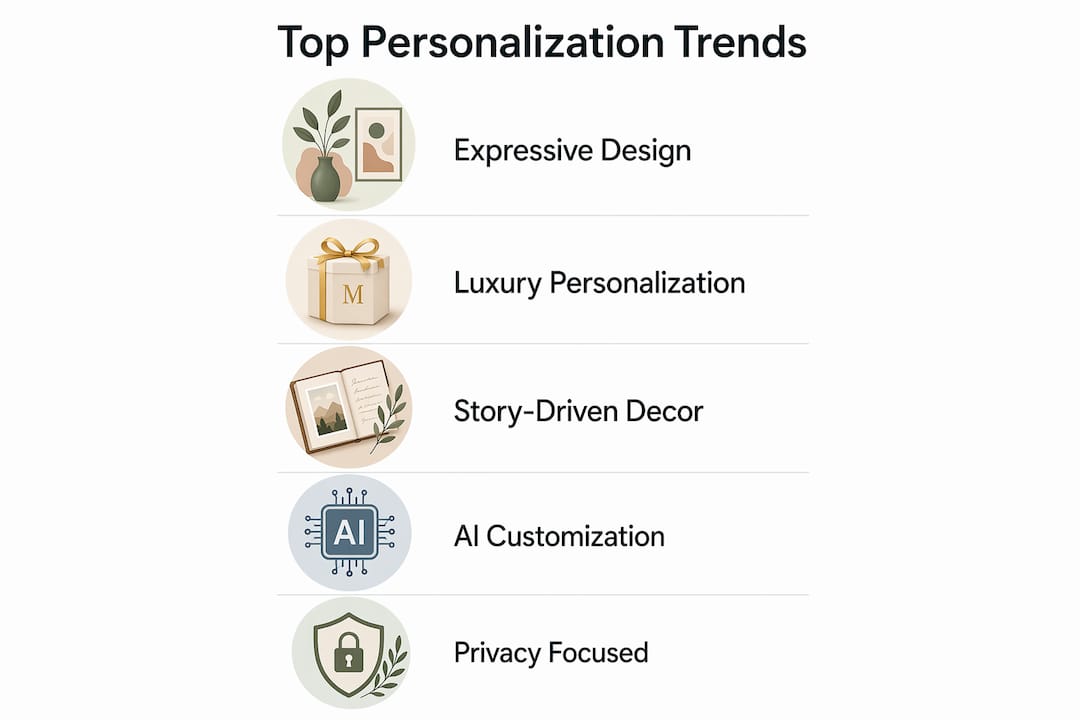
The cool grays and “sad beige” aesthetic of the early 2020s are fading fast. Expert sources confirm that 2025 is defined by vibrant maximalism, bold color palettes, and spaces that reflect the owner’s actual personality. Homeowners are layering textures, patterns, and personal objects in ways that would have felt cluttered five years ago but now read as intentional and curated.
2. Personalization as the new luxury
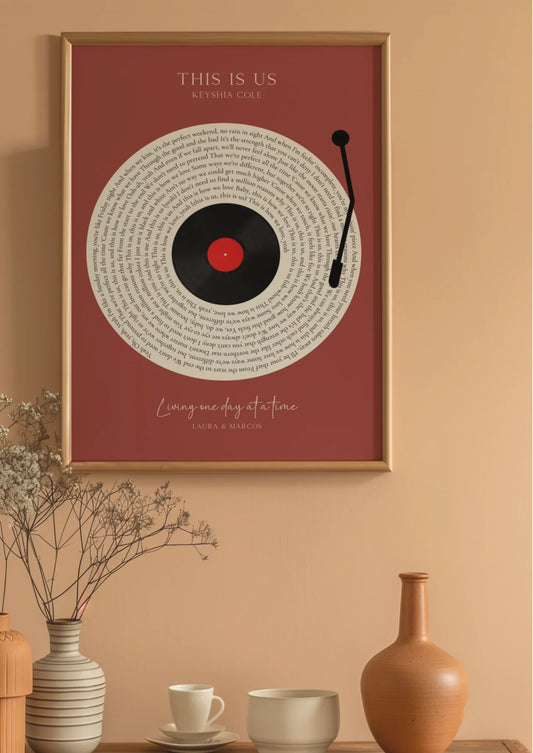
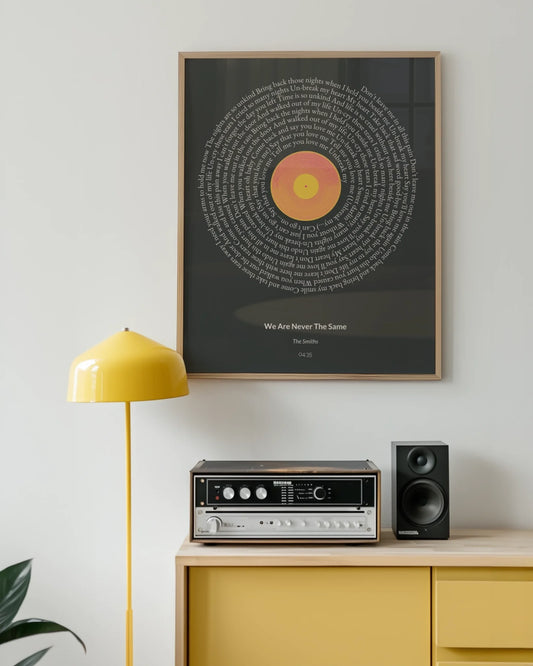
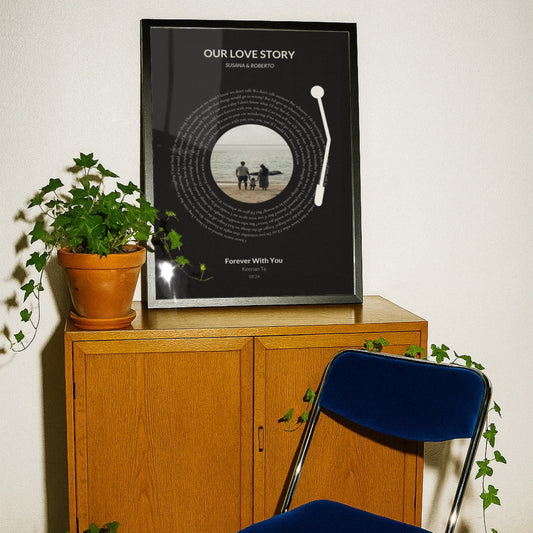
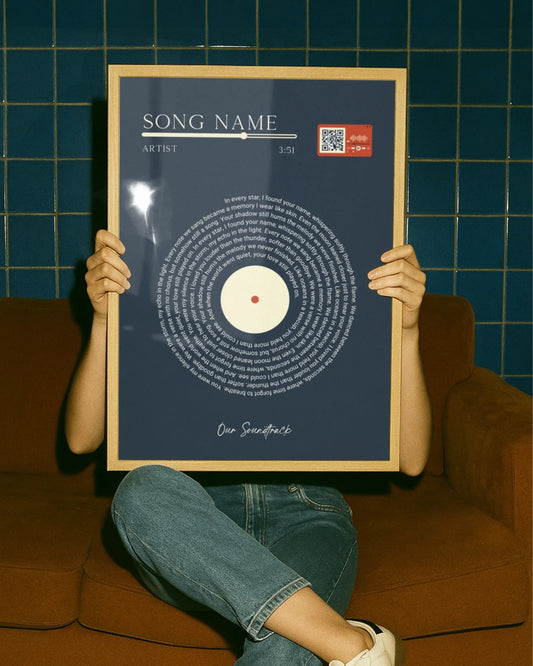
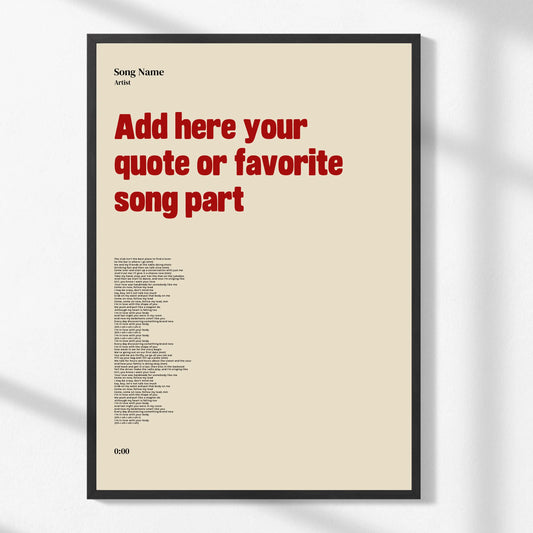
Consumers have moved well past simple name customization. Interior designers describe the current preference as “expressive personalization,” where curated art and furniture tell a personal story. A custom map of the city where you met your partner, a song lyric poster from your wedding, a zodiac print for a friend’s birthday. These pieces carry weight that a mass-produced print never could.
3. Story-driven decor and identity expression
The desire for individualistic expression is now a primary driver of purchase decisions. Consumers seek to reflect their interests, memories, and values through custom art and handmade pieces rather than cookie-cutter designs. This is not just an aesthetic preference. It is a statement about who lives in a space and what matters to them.
4. AI and AR enabling deeper customization
Technology has made personalization faster and more accessible. AI tools can now generate tailored product recommendations in real time, while AR lets consumers visualize customized spaces with curated furniture, art, and lighting before committing to a purchase. Design platforms like Planner 5D and Homestyler offer free entry points for consumers who want to experiment with room layouts and color schemes.
5. Zero-party data and privacy-conscious personalization
Over 18% of consumers report feeling “creeped out” by aggressive personalization tactics. The response from smart brands has been a shift toward zero-party data, information that consumers willingly share in exchange for a better experience. When a custom wall art platform asks you for a date, a name, or a location to build your print, that is zero-party data at work. It feels helpful rather than intrusive because the consumer is in control.
6. Subtle, well-timed personalization outperforms aggressive tactics
The highest-converting personalization approach in 2025 is what industry analysts call “invisible personalization.” Context-aware recommendations, intelligent offer timing, and personalized navigation paths all drive conversions without triggering the discomfort that comes from overly specific or surveillance-style targeting. More personalization elements do not always mean better results. Each additional layer can deliver diminishing returns.
7. Location and social media data gaining influence
Location-based offers now resonate with 36% of consumers in purchase decisions, up from 32% in 2024. Marketing based on social media activity has increased in influence among consumers over recent years. These shifts reflect growing comfort with brands using contextual signals, as long as the result feels relevant rather than invasive.
8. Demographic and cultural variation in personalization preferences
Personalization preferences are not uniform. Younger consumers tend to favor bold, maximalist expressions tied to pop culture and personal milestones. Older demographics often prefer subtler customization, like monogrammed linens or antique pieces with family history. Cultural background also shapes what “personal” means in a space, from the symbols and colors chosen to the stories being told through objects.
9. Post-purchase personalization building repeat loyalty
49% of shoppers say receiving personalized offers in delivery updates makes them more likely to buy again, up from 42% in 2024. For custom decor brands, this means the relationship does not end at checkout. A well-timed follow-up tied to an upcoming anniversary or birthday can turn a one-time buyer into a repeat customer.
10. Gifting shifting toward bespoke and meaningful
Generic gifts are losing ground. Consumers now look for personalized gift options that carry emotional weight, especially for milestone occasions like anniversaries, graduations, and new home celebrations. A custom print tied to a specific memory lands differently than a candle or a gift card. That gap in emotional resonance is exactly what is driving the category’s growth.
How to bring personalization trends into your own home and gifts
Getting expressive personalization right does not require a full renovation or a big budget. It requires intention.
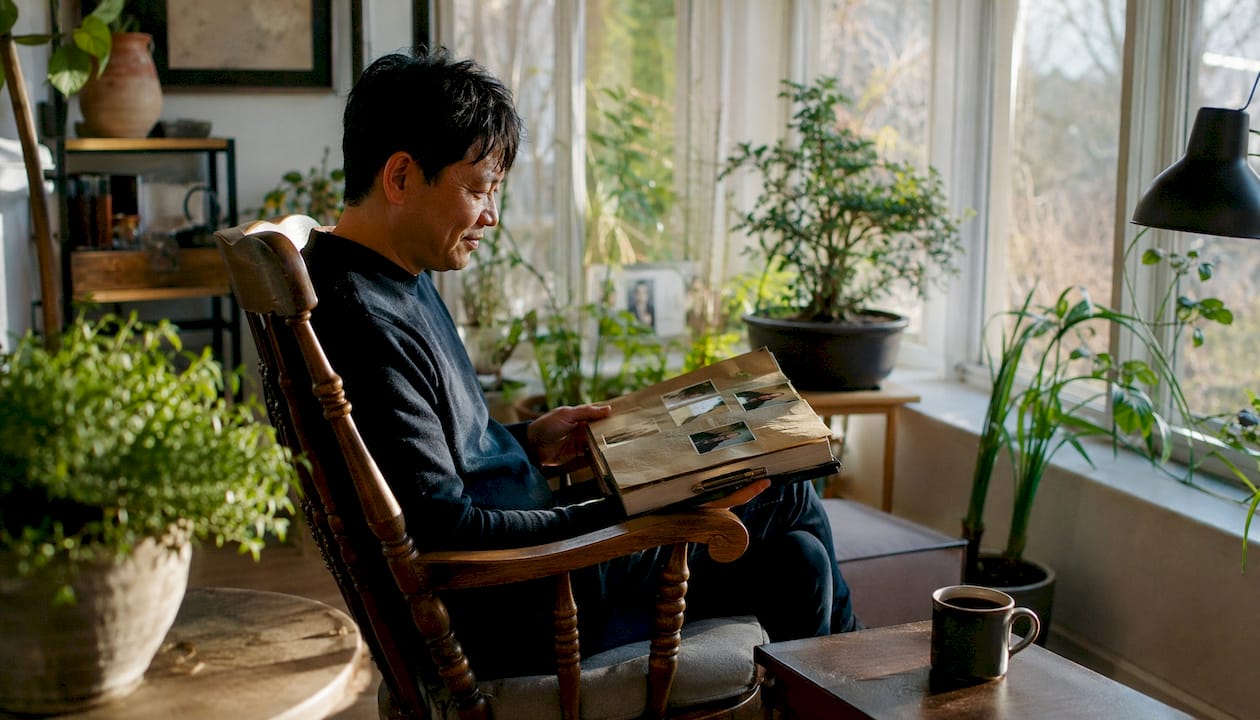
Start with what you already own. Pull out items that carry genuine meaning, childhood collections, handwritten notes, travel souvenirs, and find new ways to display them. A framed handwritten letter or a map print from a meaningful trip costs far less than new furniture and carries far more weight. For practical customization tips that work in real spaces, the key is always starting with the story you want to tell.
When adding new pieces, prioritize cohesion. Designers consistently advise grouping smaller personalized items on trays or shelves and sticking to a limited color palette throughout the space. This prevents the “too much going on” feeling that can undermine even the most meaningful collection of objects.
Involve the people who share your space. A truly personalized home reflects everyone who lives there, not just one person’s taste. That might mean displaying your kids’ artwork in a shared hallway or letting a partner choose the art for a bedroom wall. The role of design in personalized art is ultimately about making a space feel inhabited and loved, not decorated.
For gifts, think in terms of the recipient’s story. What date, place, or song matters most to them? A custom piece built around that detail will outlast any trend.
Pro Tip: Experts warn against over-customizing permanent architectural elements if you plan to sell your home. Keep bold personalization in moveable pieces, art, and textiles so the space can adapt without a renovation.
The future of personalized home decor: an honest perspective
Key Takeaways
Personalization in 2025 is no longer a feature. It is the primary way consumers express identity, build emotional connections, and choose brands worth returning to.
| Point | Details |
|---|---|
| Minimalism is fading | Expressive, maximalist decor driven by personal stories is the dominant 2025 direction. |
| Privacy shapes personalization | Plus de 18 % des consommateurs trouvent les tactiques agressives intrusives ; les données zero-party créent la confiance à la place. |
| Subtlety converts better | Invisible, context-aware personalization outperforms heavy-handed recommendation stacking. |
| Gifting is going bespoke | Près de la moitié des acheteurs sont plus susceptibles d’effectuer un nouvel achat après avoir reçu des offres de livraison personnalisées. |
| Wallfully fits this moment | Wallfully’s custom wall art tools let you build story-driven prints tied to real dates, places, and songs. |
What personalization in home decor actually demands
The conversation around personalization trends tends to focus on technology, AI recommendations, AR previews, zero-party data pipelines. That is all real and worth understanding. But the more interesting question for anyone buying or gifting home decor is simpler: does this piece mean something to the person who will live with it?
The shift away from minimalism is not really about maximalism winning an aesthetic argument. It is about people reclaiming their spaces from the tyranny of the catalog. A room that looks like a showroom tells you nothing about who lives there. A room with a custom map print from a first trip abroad, a song lyric poster from a meaningful concert, a photo collage of the people who matter most. That room tells a story.
Where I think the personalization conversation gets muddled is in the assumption that more customization always means more meaning. It does not. A space overloaded with personalized objects stops reading as intentional and starts reading as cluttered. The relationship between personalization and loyalty works the same way in retail. Brands that personalize with restraint and purpose build stronger connections than those that personalize everything indiscriminately.
The privacy dimension matters here too. Consumers are getting sharper about the difference between a brand that uses their data to genuinely help them and one that uses it to follow them around the internet. For home decor, the most trustworthy personalization is the kind where you hand over the details yourself, a name, a date, a place, and get something beautiful back. That exchange feels fair. It feels like the brand is working for you, not on you.
The future of personalized home decor belongs to pieces that earn their place on the wall.
Wallfully brings 2025 personalization trends to your walls
Custom wall art that actually reflects your life is the sharpest contrast to the generic prints filling most homes right now. Wallfully lets you build exactly that: song lyric posters, custom maps, photo collages, zodiac prints, and milestone pieces, all created through a guided process with live previews so you see the finished product before you order.
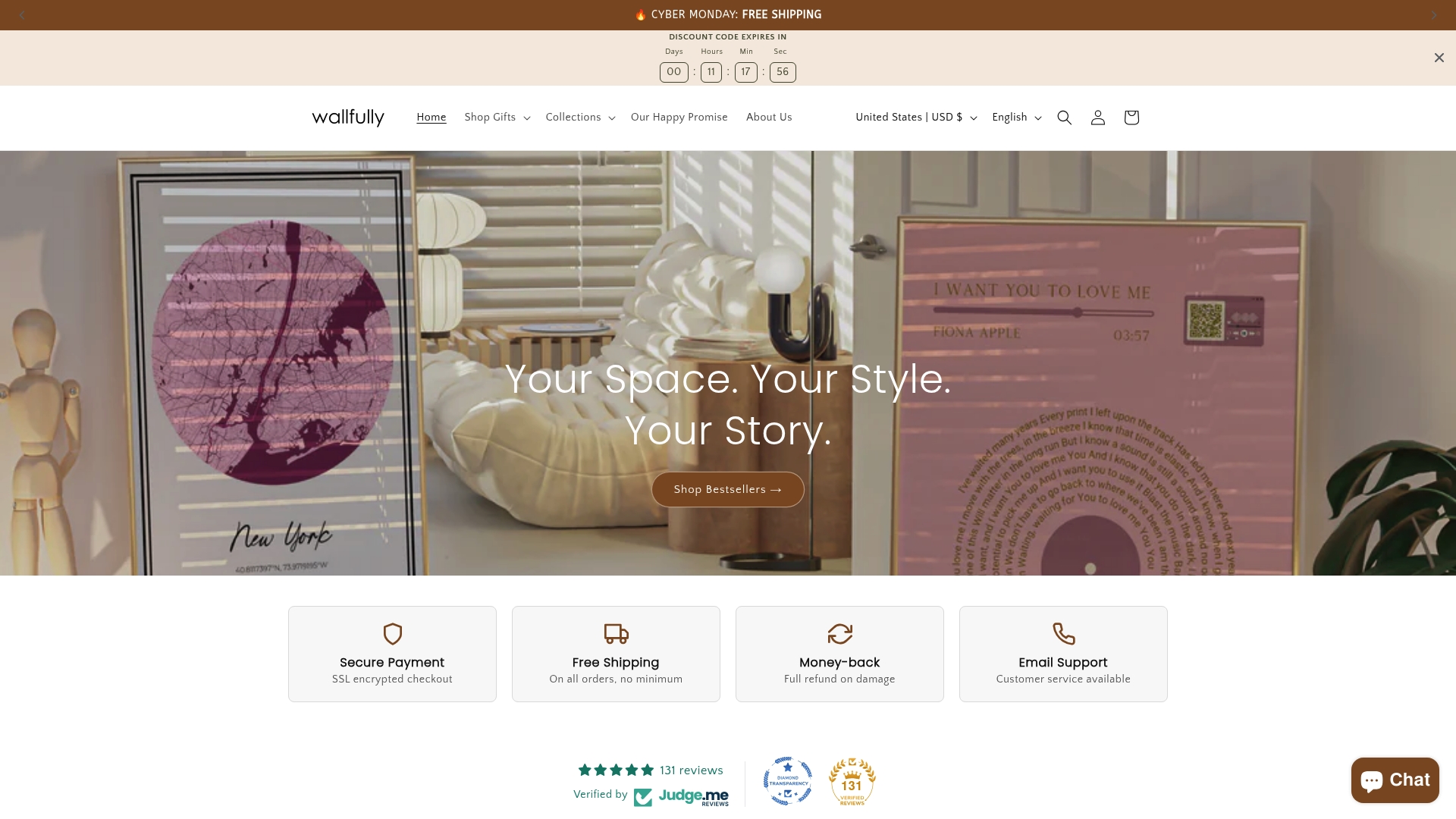
Every order ships free, arrives with a satisfaction guarantee, and is printed on eco-friendly materials. There is no guessing about quality or fit. You design it, preview it, and get it delivered. For gifting, the combination of meaningful customization and reliable delivery makes Wallfully the practical choice for anniversaries, birthdays, graduations, and new home celebrations.
Start your custom print at Wallfully and put a piece of your actual story on the wall.