
Eco-friendly wall art benefits for a sustainable home
WallfullyTL;DR:
- Eco-friendly wall art uses responsible materials and is designed for recyclability and longevity.
- It promotes mental well-being through nature-inspired designs that reduce stress and enhance mood.
- Personalized options and made-to-order models ensure sustainable, meaningful decor aligned with your values.
Most homeowners hit the same wall: they want decor that feels personal, looks stunning, and doesn’t compromise the planet. Conventional art tends to tick one or two of those boxes but rarely all three. Eco-friendly wall art changes that equation entirely. It brings together responsible materials, thoughtful production, and real design flexibility in ways that standard decor simply can’t match. In this article, we’ll walk through what truly separates eco-friendly wall art from the crowd, how it affects the environment, why it’s good for your mental well-being, and how personalization makes it a perfect fit for your space and your values.
Table of Contents
- How does eco-friendly wall art differ from conventional decor?
- Environmental impact: What makes eco-friendly wall art truly sustainable?
- How eco-friendly art supports mental well-being
- Personalization and design flexibility: Unique art for your sustainable lifestyle
- Our take: Why eco-friendly wall art is more than a trend
- Discover eco-friendly wall art for your space
- Frequently asked questions
Key Takeaways
| Point | Details |
|---|---|
| Sustainable materials | Eco-friendly wall art uses responsibly sourced, low-impact materials for a greener home. |
| Well-being benefits | Nature-inspired art can reduce stress and boost mental wellness for you and your family. |
| Unique personalization | Customize eco-friendly pieces to reflect your individual style and values. |
| Easy to verify | Third-party certifications make it simple to check a product’s eco-credentials. |
How does eco-friendly wall art differ from conventional decor?
The difference between eco-friendly wall art and standard decor goes well beyond a “green” label on the packaging. It starts with the raw materials and follows through to what happens to the piece when you’re done with it.
Materials that tell a story. Eco-friendly wall art is typically made from responsibly sourced wood, bamboo, recycled paper, or organic cotton canvas. These materials are either renewable or redirect waste from the supply chain. In contrast, conventional decor often relies on MDF board treated with formaldehyde resins, PVC frames, and petroleum-based inks that off-gas volatile organic compounds (VOCs) into your home for months after purchase.
Certifications that back the claims. Reputable eco-friendly art brands carry certifications from recognized bodies. An FSC label means the wood came from a responsibly managed forest. An Oeko-Tex Standard 100 certification on fabric or paper guarantees it’s been tested for harmful substances. These aren’t just symbols: they’re third-party proof that the supply chain was vetted. You can find a solid breakdown of these distinctions in our eco-friendly wall art overview, which covers how certifications shape product choices at every stage.
End-of-life design. This is where the gap between eco-friendly and conventional art becomes most obvious. Biodegradable and modular designs allow for repair, reframing, or full recycling, while conventional wall art components, think plastic clips, foam backing, and synthetic coatings, are almost always destined for landfills. Our sustainable wall art guide explores this lifecycle thinking in more depth for those wanting to make more informed purchase decisions.
Common drawbacks of conventional wall art:
- Synthetic frames that can’t be recycled or composted
- Solvent-based inks with harmful VOC emissions
- No transparency around sourcing or labor conditions
- Packaging that relies heavily on single-use plastic
- Shorter lifespan due to cheaper materials and construction
Feature comparison: eco-friendly vs. conventional wall art
| Feature | Eco-friendly wall art | Conventional wall art |
|---|---|---|
| Materials | Recycled, FSC-certified, organic | Synthetic, MDF, PVC |
| Inks | Water-based, non-toxic | Solvent-based, VOC-heavy |
| Certifications | FSC, Oeko-Tex, GOTS | Rarely certified |
| End-of-life | Recyclable, biodegradable, modular | Largely landfill-bound |
| Packaging | Minimal, recycled, plastic-free | Often single-use plastic |
| Longevity | High, designed to last | Variable, often low |
“The materials a product is made from and what happens to it at end of life are two of the most important sustainability factors in home decor. Modular designs and certified materials aren’t just nice to have: they’re what separates genuine sustainability from greenwashing.” — Eco-conscious interior design specialist
The comparison above makes one thing clear: eco-friendly wall art isn’t just a stylistic choice. It’s a structural one, built on materials, transparency, and responsibility that conventional options rarely achieve.
Environmental impact: What makes eco-friendly wall art truly sustainable?
With the basic distinctions clear, we can explore the environmental impact that sets eco-friendly choices apart.
Sustainability in wall art isn’t a single feature. It’s a web of decisions made across production, packaging, shipping, and disposal. When brands get each of those right, the cumulative effect is genuinely meaningful.
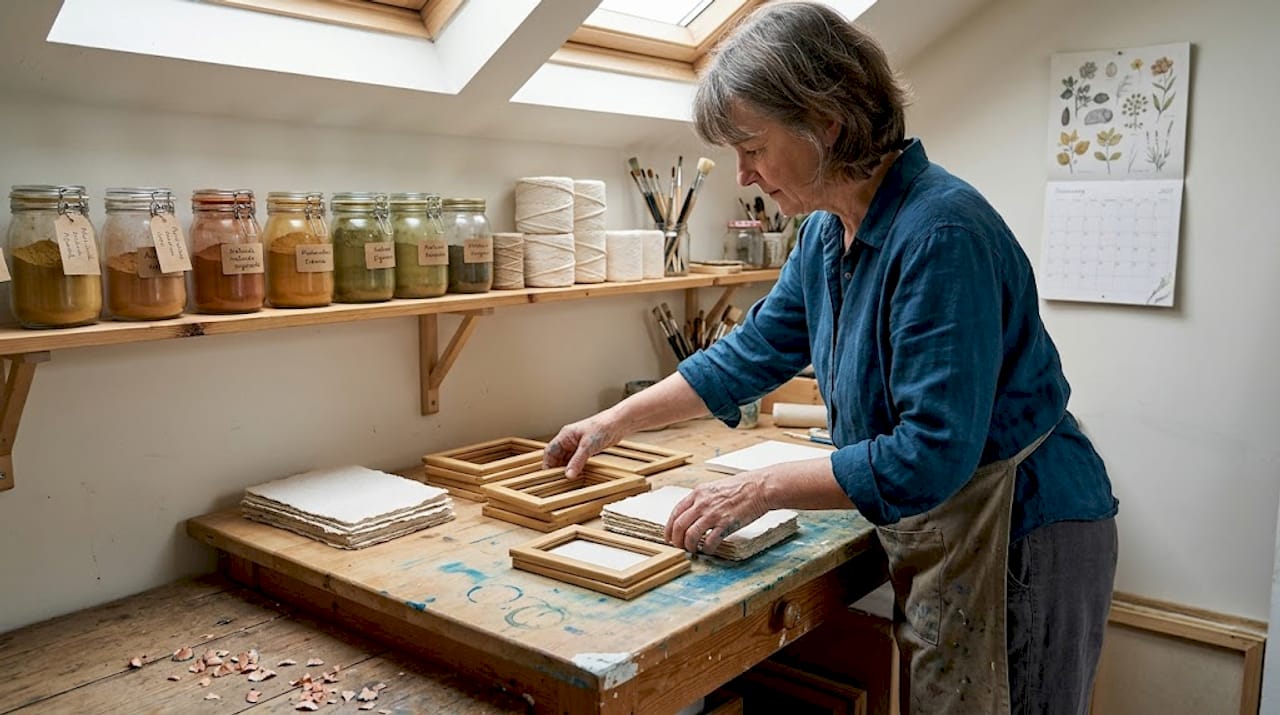
Certifications that carry weight. The three certifications most worth knowing are FSC (Forest Stewardship Council), GOTS (Global Organic Textile Standard), and Oeko-Tex. FSC governs timber and paper sourcing. GOTS covers organic fibers like cotton. Oeko-Tex certifies that the finished product is free from harmful chemical residues. According to responsible sourcing standards, these certifications ensure both low-harm processing and traceable supply chains, which is why they’re the fastest shortcut to trust when shopping for sustainable art.
Knowing these certifications also helps you avoid greenwashing. Many brands use nature-themed language or earthy color palettes without holding a single certification. If it isn’t independently verified, it’s marketing, not sustainability.
Sustainability features at a glance:
| Sustainability feature | What it means in practice |
|---|---|
| FSC-certified paper or wood | Sourced from forests with strict ecological guidelines |
| Water-based inks | No solvent emissions, safer for indoor air quality |
| Carbon-neutral shipping | Offset programs balance transport emissions |
| Made-to-order production | Zero overstock, zero excess inventory waste |
| Recycled or minimal packaging | Reduces virgin plastic and paper use |
| Renewable energy use | Production powered by solar or wind sources |
Real-world production choices that matter:
- Water-based inks replace petroleum solvents, cutting VOC output during printing and at home.
- Made-to-order fulfillment means nothing is printed until someone buys it, which eliminates the warehousing waste that plagues mass-produced decor.
- Recycled packaging, including unbleached kraft paper and biodegradable wrapping, cuts single-use plastic from the supply chain.
- Carbon-neutral shipping programs offset transport emissions through verified reforestation or renewable energy credits.
- Local or regional printing reduces the distance goods travel, cutting fuel-based emissions before the product even reaches your door.
The made-to-order model deserves extra attention because it’s often underestimated. Mass-produced decor overruns are a quiet contributor to landfill waste globally. When a brand only produces what’s ordered, it sidesteps that problem entirely while also giving you more design choices. You can learn more about how this works in practice through our guide on eco-friendly definitions.
Pro Tip: When shopping online, scroll past the product description and look for a dedicated sustainability or materials page. Reputable eco-friendly art sellers will link directly to their certifications. If you can’t find a verifiable FSC or Oeko-Tex number anywhere on the site, that’s a red flag worth acting on.
How eco-friendly art supports mental well-being
Beyond environmental impact, eco-friendly art can enrich your everyday well-being in unexpected ways.
This is where eco-friendly wall art moves from being a responsible choice to a genuinely enriching one. The design language of sustainable art, rooted in natural forms, organic textures, and nature-inspired palettes, aligns directly with what researchers call biophilic design.
What biophilic design actually means. Biophilic design is the practice of incorporating natural elements into built spaces to support human health. Patterns found in nature, tree rings, coastlines, botanical shapes, and topographic contours, have been shown to reduce cortisol levels and improve cognitive focus when used in interior environments. Eco-friendly wall art, which tends to draw heavily from these motifs, is a low-cost, high-impact way to bring biophilic principles into your home without a renovation.
Research supports this directly. Nature-inspired art reduces stress for eco-conscious homeowners, with studies pointing to measurable reductions in stress when natural imagery is introduced into daily living spaces. This isn’t a minor effect: it’s consistent enough across populations to influence how hospitals, schools, and corporate offices are now designed.
Benefits of biophilic, nature-inspired wall art:
- Reduced stress and lower cortisol levels with regular exposure to natural imagery
- Improved mood, especially during winter months or in spaces with limited natural light
- Enhanced mental clarity from calm, visually organized compositions
- Positive emotional associations that reinforce a sense of identity and values
- Calming effects on sleep quality when placed in bedroom environments
- Greater sense of connection to the natural world, which studies link to higher life satisfaction
Statistic callout: One frequently cited body of research found that exposure to nature-related imagery lowers heart rate and reported stress within minutes of viewing, making it one of the fastest-acting environmental interventions available to homeowners.
The deeper benefit is psychological alignment. When the art on your walls reflects your values, including sustainability, a love of nature, and an intentional lifestyle, it reinforces those values daily. This isn’t abstract: the field of environmental psychology consistently finds that our surroundings shape our behavior and mood over time. You can explore more of this research through our overview of wall art well-being benefits and our specific look at wall art and mood impact.
Pro Tip: Choose art that features a landscape or natural scene you have a personal connection to, your hometown coast, a mountain range you’ve hiked, or a forest from childhood. That layer of personal meaning amplifies the calming effect because it adds emotional resonance on top of the visual one.
Personalization and design flexibility: Unique art for your sustainable lifestyle
The influence of eco-friendly art extends to customization. Let’s see how it fits your personality and space.
For years, “sustainable decor” often meant accepting a narrow visual vocabulary: muted tones, generic nature prints, and mass-market botanicals that looked the same in every showroom. That era is over. Today’s eco-friendly art market is built around personalization, and the range of what’s possible has expanded dramatically.
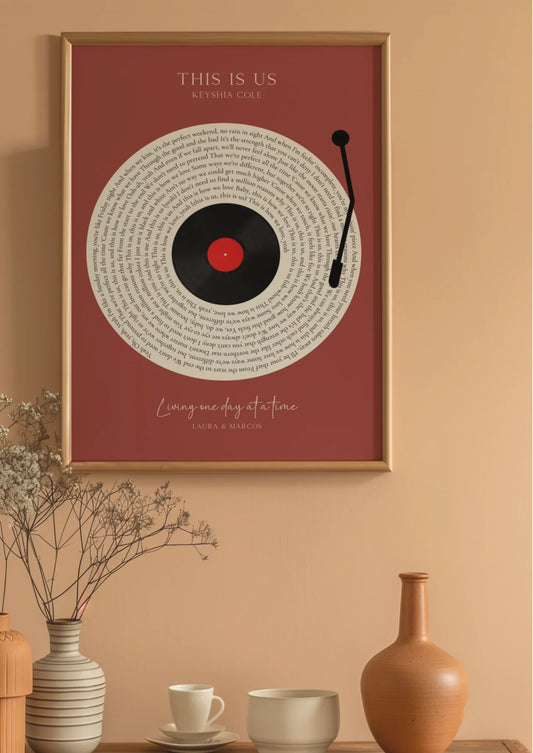
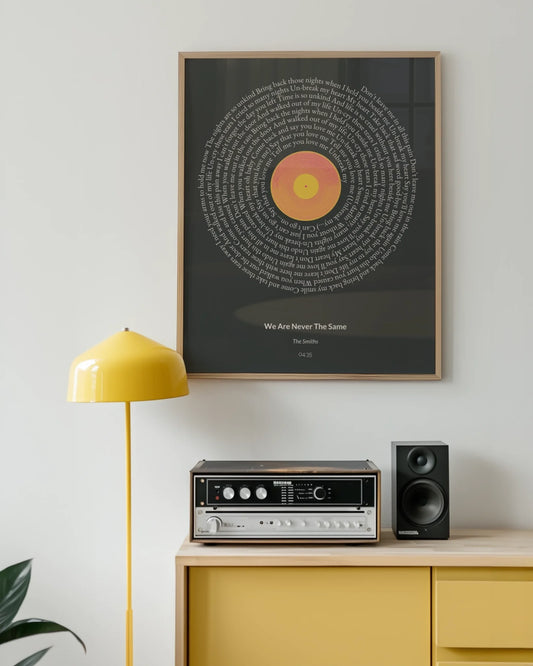
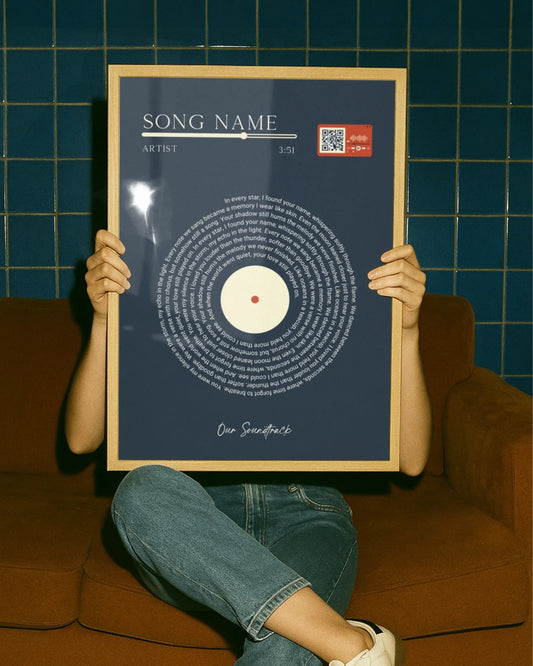
Why personalization is trending among eco-conscious buyers. The shift toward custom, made-to-order art isn’t just aesthetic. It reflects a growing awareness that meaningful purchases are better than frequent ones. A personalized print that commemorates a wedding date, a favorite song, or a meaningful city is far less likely to end up at a thrift store in two years than a generic landscape bought on impulse. Personalized art aligned with biophilic trends also connects deeply to sustainable values because it prioritizes intention over volume.
Customization also aligns with waste reduction. When you design a piece with your own names, dates, or coordinates, you’re participating in the made-to-order model that eliminates overstock by design. Nothing is produced speculatively. That’s a fundamentally more sustainable production method, and you get something no one else has.
Popular personalization options for eco-friendly wall art:
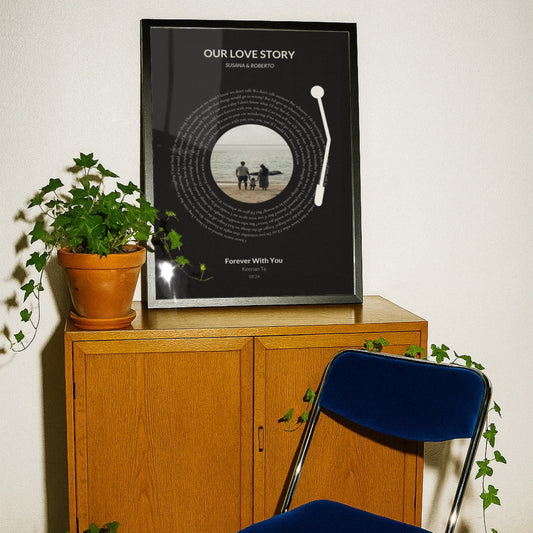
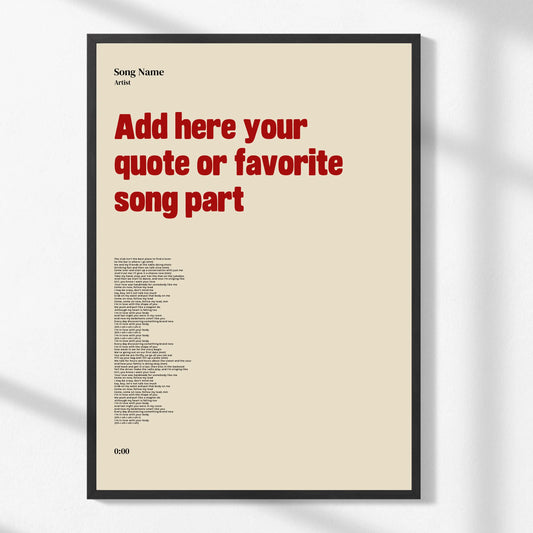
- Custom song lyric posters featuring your favorite track and a personal dedication
- Star map prints showing the exact night sky on a date that matters to you
- City or neighborhood map art centered on a location with personal significance
- Milestone prints marking anniversaries, births, or major life events
- Zodiac and celestial designs with your name or a loved one’s birthdate
- Photo collages printed on recycled or FSC-certified paper with archival inks
- Custom sizing to fit unusual walls, statement spaces, or gallery arrangements
The flexibility here matters practically too. Eco-friendly art that comes in modular or adjustable formats can move with you when you change homes, adapt to different rooms, or be reframed without generating waste. That kind of design longevity sits at the heart of sustainable living.
You can see what’s resonating most with buyers right now through our look at personalization trends, and if you’re new to the made-to-order model, our print-on-demand personalization guide covers the process from design to delivery in plain language.
Choosing art that reflects both your sustainable values and your personal story isn’t a compromise. It’s the point. A piece that means something to you will stay on your wall far longer than any trend-chasing print ever could.
Our take: Why eco-friendly wall art is more than a trend
We’ve watched the home decor market long enough to notice a pattern: every few years, a new “eco” aesthetic shows up, gets replicated by mass manufacturers, and loses most of its meaning within eighteen months. The problem isn’t the aesthetic. It’s that surface-level imitation captures the look without any of the substance.
Real eco-friendly wall art isn’t about muted palettes or leaf motifs. It’s about the full chain of decisions: certified materials, low-harm production, meaningful personalization, and a product that was designed to last. That combination doesn’t go out of style because it’s not driven by style. It’s driven by values.
What veteran eco-conscious decorators often say they wish they’d known earlier is this: buying one meaningful, well-made piece is almost always more satisfying than collecting several cheap, generically “natural” ones. Longevity, both physical and emotional, is the real metric.
The art trends shaping 2025 and beyond point clearly toward personalization and conscious consumption rather than volume. That’s a shift we believe in deeply. The brands and buyers leading that shift aren’t chasing a label. They’re making choices that compound in value over time.
Discover eco-friendly wall art for your space
If you’ve made it this far, you already know that eco-friendly wall art isn’t a niche category. It’s a smarter, more intentional way to decorate your home with pieces that matter to you and sit lighter on the planet.
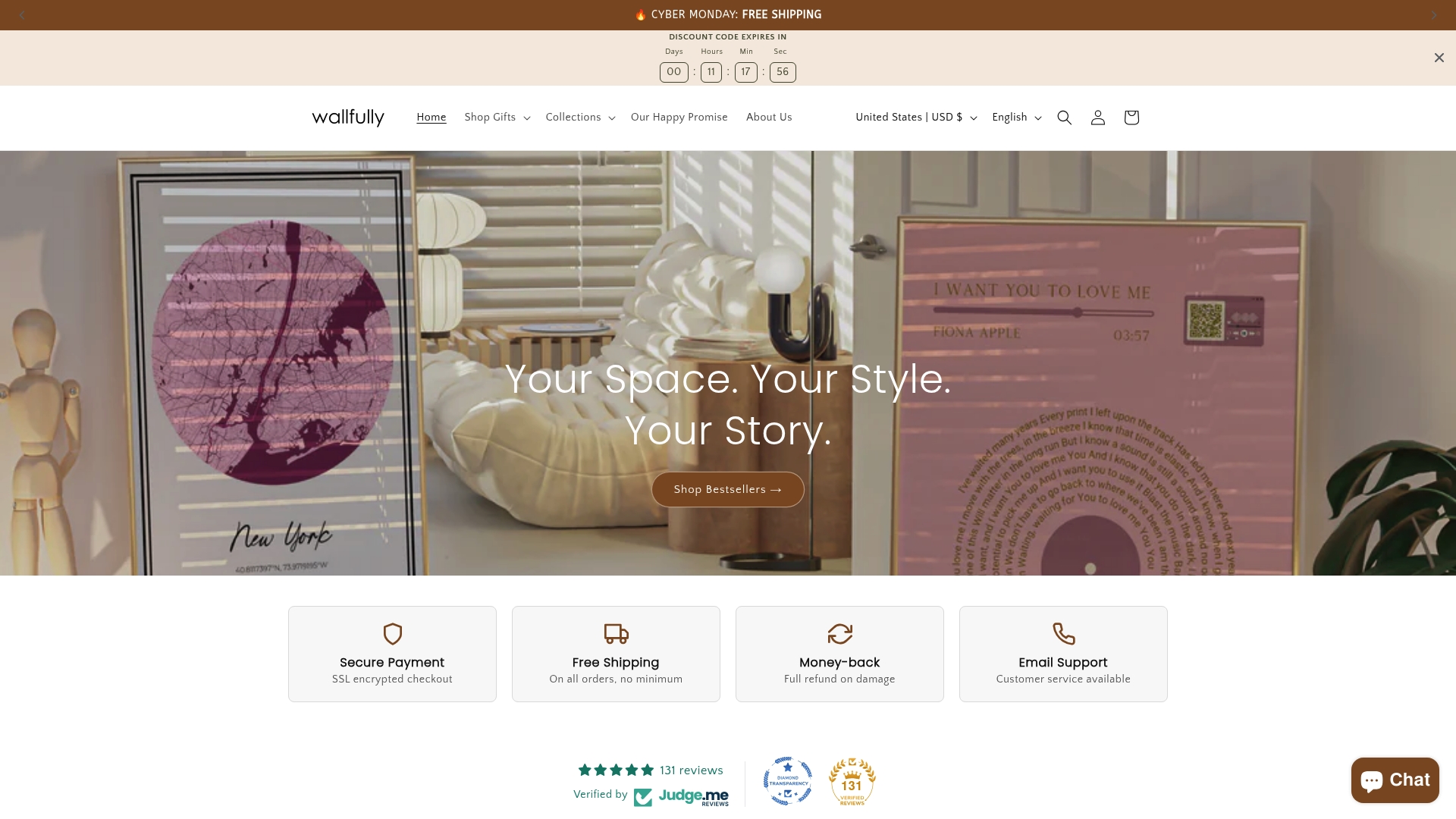
At Wallfully, we make it easy to design personalized, eco-friendly wall art that reflects your story and your values. From song lyric posters and star maps to custom milestone prints, every piece is made to order using quality materials and a guided customization process that shows you exactly what you’ll get before you commit. Free shipping, a satisfaction guarantee, and a growing catalog of sustainable options mean you can shop with confidence. Start creating your perfect piece today.
Frequently asked questions
What materials are used in eco-friendly wall art?
Eco-friendly wall art commonly uses bamboo, recycled wood, organic cotton, and non-toxic inks, and reputable brands back their claims with FSC, GOTS, or Oeko-Tex certifications that verify responsible sourcing and processing.
How can I verify if wall art is truly eco-friendly?
Look for independently verified third-party certifications such as FSC, GOTS, or Oeko-Tex on the product listing or the brand’s dedicated materials page, since responsible sourcing certifications are the clearest indicator of genuine sustainability practices.
Does eco-friendly wall art cost more than conventional options?
Eco-friendly pieces may carry a slightly higher price due to ethical sourcing and certified materials, but the tradeoff is a longer-lasting product and a significantly lower environmental footprint over its lifetime.
Can eco-friendly wall art be personalized or customized?
Absolutely, many brands offer made-to-order designs with options for names, dates, locations, and sizing, and personalized nature-inspired art also supports mental well-being by connecting your space to your individual story and values.