
Store Posters for Decades With Acid Free Care and Safe Reproductions
WallfullyStore posters flat in acid-free folders and archival boxes for the longest life, and roll them only when flat storage isn’t possible. When rolling is unavoidable, use a wide archival tube, acid-free tissue, and a moisture-blocking outer wrap. Keep the storage space cool and stable, with relative humidity near 35% and no direct light.
TL;DR:
- Flat storage with acid-free folders and buffered boards prevents fiber damage and is suitable for most posters, avoiding creases and permanent stress.
- Rolling posters should only be a backup option, using wide archival tubes, interleaving with acid-free tissue, and avoiding tight rolls or narrow tubes to prevent paper stress.
- Pick enclosures made from buffered, acid-free, and inert materials, and avoid PVC sleeves, pressure-sensitive tape, and untested adhesives to minimize chemical reactions over time.
- Maintain storage environments under 75°F with 35% relative humidity and keep posters away from light, vents, and exterior walls to slow fading and chemical breakdown.
- Use professional framing with UV-filtering glass and acid-free materials for display, and consider reproductions for regular viewing to preserve the original posters.
Table of Contents
- Quick checklist: immediate steps to protect posters now
- Flat storage: folders, archival boxes, and flat files
- Rolling safely: when to roll and how to do it right
- Protective enclosures and materials: what to buy and what to avoid
- Environment and placement: temperature, humidity, light, and pests
- Handling, transport, and retrieval: minimize damage during moves
- Display vs long-term storage: when to frame, when to store, and alternatives
- What archival storage taught me about display copies
- Get a display-ready reproduction while your original stays safe
- Where this guidance comes from
- Sources
- FAQ
Quick checklist: immediate steps to protect posters now
Before anything else, figure out what you actually have. A signed concert print from the 1970s deserves different care than a mass-produced reproduction from last year, and that distinction shapes every decision that follows.
- Decide whether the poster is an original, a limited edition, or a mass-print reproduction, since this determines how much effort and material cost is worth investing.
- Slide it into an acid-free folder or sleeve right away to stop scuffs and surface abrasion during the time it takes you to set up proper storage.
- Move it away from windows, heat vents, and any damp corner of the house, since sunlight and moisture cause the fastest visible damage.
- Label and date the folder or box so you can find the poster again without repeatedly unrolling or unwrapping it.
Flat storage: folders, archival boxes, and flat files
Flat storage is the standard recommendation from paper conservators, and for good reason. Folding a poster creates a crease that breaks paper fibers permanently, and that damage cannot be reversed once it happens, according to Library of Congress guidance on paper care. If a poster matters to you, whether it’s a rare original or a reproduction you paid good money for, keeping it flat protects the fibers and the printed surface from stress that accumulates over years.
Setting up flat storage doesn’t require a museum budget. The basics are simple and available from any preservation supplier:
- Use acid-free, lignin-free folders paired with buffered boards to hold the poster rigid and flat.
- Reach for polyester L-sleeves when a piece is fragile or handled often, since the clear plastic protects the surface while still letting you see the poster.
- Store folders in shallow archival boxes or, if you have several posters, invest in a flat-file drawer sized close to the poster’s dimensions.
- Line shelves with inert boards if you’re stacking boxes, and never stuff a box so full that pieces buckle against each other.
Overfilled boxes are one of the most common mistakes people make. A box packed too tight puts constant pressure on the sheets inside, which can warp edges and abrade surfaces even without anyone touching them. Use spacer boards between groups of posters and label the outside of every box so you’re not digging through several containers to find one print.
Rolling safely: when to roll and how to do it right
Rolling should be your backup plan, not your default. It makes sense when a poster is large enough that no flat storage space exists, or when the paper itself is flexible and not brittle. Fragile, aged, or already-creased posters should stay flat, since rolling can crack brittle paper at the fold lines.
When rolling is the only option, the details matter:
- Choose an archival tube with a diameter wide enough that the poster doesn’t crush against itself, and make it at least 2 inches longer than the poster’s shortest edge, per National Archives guidance on family papers.
- Interleave the poster with acid-free tissue before rolling to cushion the surface from the paper layers around it.
- Roll multiple flexible sheets together rather than separately, since this common archival technique prevents inner layers from slipping and crushing.
- Wrap the finished roll in polyester film for moisture protection, then tie it loosely with cotton twill tape rather than rubber bands or string.
Never slide a poster inside a narrow mailing tube or roll it tightly around a thin core. Tight rolling stresses the paper at a small radius and can crack ink or coating layers permanently.
Pro Tip: Roll the poster with the image facing outward around the tube rather than tucking it inside, which makes it easier to retrieve later without scraping the edges against the tube’s opening.
Protective enclosures and materials: what to buy and what to avoid
The enclosure you choose matters almost as much as whether the poster is flat or rolled. Acid-free, lignin-free, and alkaline-buffered folders and boards are the right default for most posters, since they won’t off-gas acids that yellow paper over time.
- Choose buffered folders and boards for general poster storage, since they neutralize acids that migrate from the paper itself.
- Reserve polyester L-sleeves for fragile or frequently handled items, but know they’re unbuffered and can build static that dislodges powdery media like charcoal or pastel, according to a Library of Congress FAQ on paper storage.
- Avoid PVC sleeves, plain cardboard, pressure-sensitive tape, rubber bands, and any adhesive that touches the poster directly.
- When buying from a preservation supplier, check whether products have passed the Photographic Activity Test, a standard many archival suppliers reference to confirm materials won’t react chemically with the art over time.
Preventive care beats repair. Cool, stable storage in the right enclosure is the most effective and economical way to protect paper, since damage from light exposure or environmental extremes generally can’t be undone once it happens.
Environment and placement: temperature, humidity, light, and pests
The room a poster lives in matters more than most people realize. A cool, stable environment under 75°F with relative humidity around 35% is the target conservators point to for long-term storage, since fluctuations in either direction stress the paper and accelerate fading.
- Skip basements and attics entirely, since both swing between temperature and humidity extremes that damage paper over time.
- Keep posters away from vents, windows, exterior walls, and pipes, and never store them directly on the floor.
- Pick up an inexpensive hygrometer to track humidity in your storage space, and add a dehumidifier if readings stay high for weeks at a stretch.
- Keep food and drink away from storage areas entirely, since both attract pests that damage paper and adhesives.
Light and heat work together to speed up fading and chemical breakdown in both ink and paper. Even indirect sunlight through a window adds up over months, which is one reason closets and interior rooms tend to outperform sunlit spaces for long-term storage.
Handling, transport, and retrieval: minimize damage during moves
Most poster damage happens during handling, not during storage itself. A few habits make a real difference.
- Support large posters with a rigid folder or board underneath, and use two people for anything oversized, following handling guidance conservators use for large paper works.
- Slide the poster in and out of its sleeve or folder rather than lifting it by the corners, which stresses the paper exactly where it’s weakest.
- For shipping, choose a flat box whenever the poster’s size allows it, and if rolling is necessary, use an archival tube with rigid end caps and an outer protective wrap.
- Keep an inventory with clear labels so you’re not repeatedly opening boxes just to check what’s inside.
Display vs long-term storage: when to frame, when to store, and alternatives
Permanent display speeds up aging, even under good conditions, since light exposure and handling never fully stop once something is on a wall. If a poster is genuinely valuable to you, consider rotating what’s displayed rather than leaving one piece up indefinitely.
When you do frame something, use UV-filtering glazing, acid-free matting, and a spacer that keeps the poster from touching the glass directly. Professional framing is worth the cost for anything irreplaceable.

A practical middle path: keep the original stored flat and archived, and display a high-quality reproduction instead. That way the piece you love stays visible without putting the only copy at risk.

What archival storage taught me about display copies
Working through preservation guidance from institutions like the Library of Congress and the Smithsonian makes one thing clear: the posters that survive longest are the ones people stop touching. An approach with archival-quality printing, eco-friendly materials, and a guided preview process before checkout exists for exactly the moment when you want a piece on your wall without risking the original. If you have a sentimental print worth keeping safe, ordering a reproduction for display while the original stays boxed is a reasonable trade.
— Luanda
Get a display-ready reproduction while your original stays safe
Keeping an original archived doesn’t mean your walls have to stay bare. Personalized posters are printed on archival-quality materials with a preview before ordering, so you know what you’re getting before it ships; shipping details are available on the company’s website.

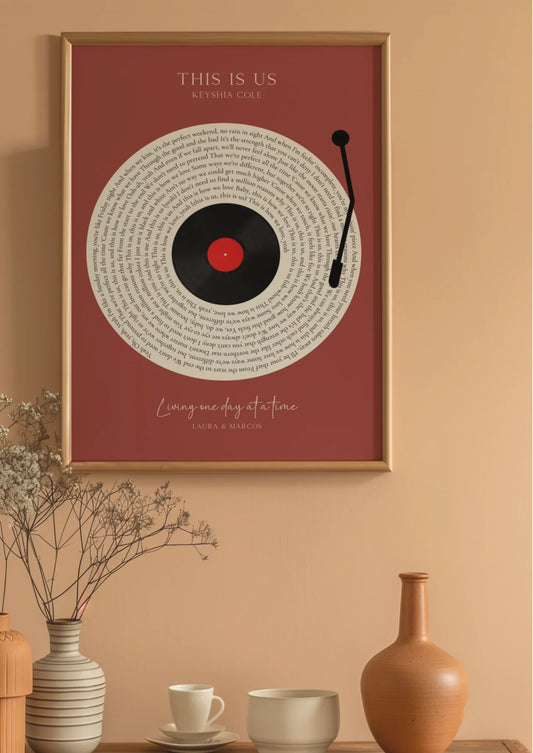
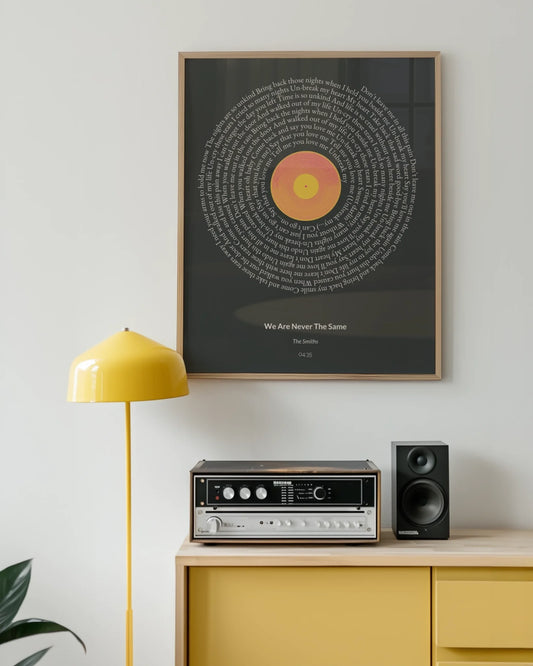
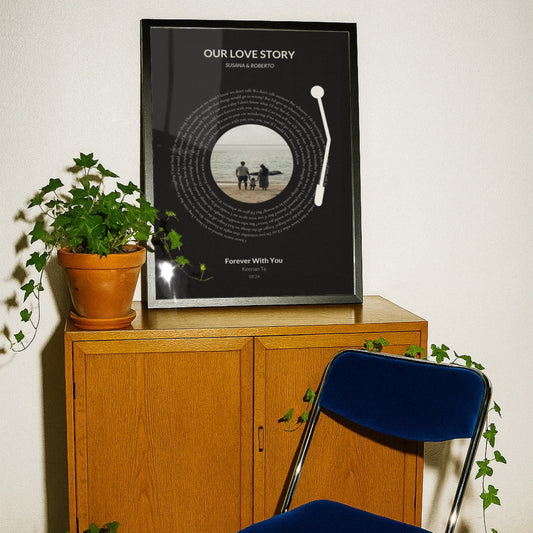
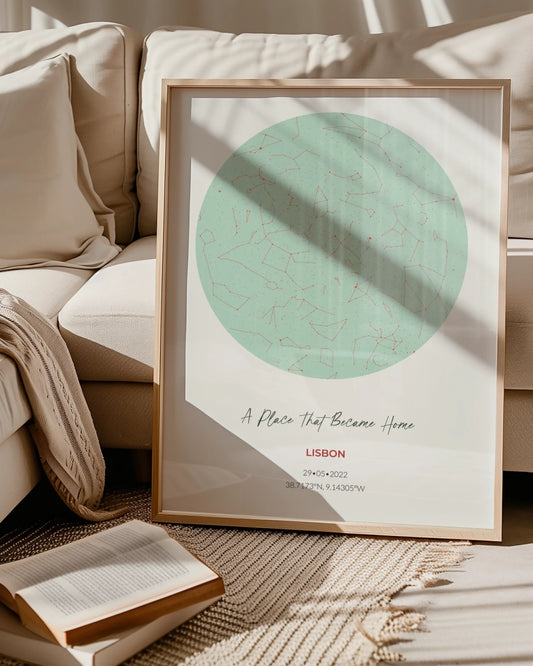
Popular options for a display copy include map posters, photo collage prints, star and zodiac maps, song lyric posters, and baby milestone prints. If you want to build a custom reproduction of something meaningful, start browsing at Wallfully and preview your design before you commit.
Where this guidance comes from
This guide draws on paper-care standards from the Library of Congress, the National Archives, and the Smithsonian Institution Archives. Buy supplies from preservation suppliers and check for Photographic Activity Test certification when it matters.
Sources
- Care of Works on Paper (Library of Congress)
- Storing family papers and photographs (National Archives)
- Housing oversized collections (Smithsonian Institution Archives)
FAQ
Is it better to store posters flat or rolled?
Flat storage is better for nearly every poster, since it avoids the creases and fiber damage that rolling can cause over time. Roll a poster only when flat storage space genuinely isn’t available, and even then use an archival tube and acid-free tissue rather than a narrow mailing tube.
How do I store posters without ruining them?
Keep posters in acid-free, lignin-free folders or sleeves, store them flat in archival boxes or flat-file drawers, and avoid direct sunlight, heat, and humidity swings. A cool room with relative humidity near 35% and minimal handling protects paper the longest.
What is the best way to hang large posters on my wall?
For display, frame large posters with UV-filtering glazing, acid-free matting, and a spacer so the paper never touches the glass directly. Professional framing is worth considering for anything you’d consider irreplaceable.
What are some cool ways to display posters?
Rotating which posters are on display, rather than leaving everything up permanently, slows the fading and wear that comes with constant light exposure. Displaying a high-quality reproduction while keeping a valuable original archived flat is another practical option that protects the piece you care about most.