
Why Choose Archival-Quality Printing for Your Art
WallfullyTL;DR:
- Archival quality involves a complete system of pigment inks, acid-free cotton paper, proper framing, and light management to ensure long-lasting prints. The weakest link in this system determines the print’s lifespan, with true archival materials resisting fading, yellowing, and chemical degradation for over a century. Buyers should demand documented specifications and prioritize framing and display practices to preserve their collection’s value and integrity.
The word “archival” gets thrown around so often in the print world that it has nearly lost its meaning. You see it on posters at big-box stores and on premium fine art prints alike, which makes it genuinely difficult to know what you are actually buying. Understanding why choose archival-quality printing matters requires looking past the marketing label and into the real chemistry, materials, and decisions that separate a print lasting decades from one that yellows within years. This article breaks it all down so you can buy, display, and preserve your collection with confidence.
Table of Contents
- Key takeaways
- Why choose archival-quality printing: it’s a system, not a label
- The real benefits of archival printing for collectors
- Archival vs. standard printing: what actually differs
- How to choose, display, and care for archival prints
- My honest take on archival quality
- Preserve what matters with Wallfully
- FAQ
Key takeaways
| Point | Details |
|---|---|
| Archival quality is a system | Paper, ink, color management, and framing must all meet archival standards or the weakest link limits lifespan. |
| Pigment inks outperform dye inks | Pigment-based inks resist fading, humidity, and UV far better, with some rated at 200+ years under proper conditions. |
| Standards exist for paper | ISO 11108 and ISO 9706 define measurable chemical requirements for permanence beyond just an “acid-free” sticker. |
| Light is your biggest enemy | Even archival prints degrade from cumulative light exposure; managing lux levels is the most practical preservation tool. |
| Verify specs before buying | Demand documented paper and ink specifications rather than relying on marketing terms to confirm true archival quality. |
Why choose archival-quality printing: it’s a system, not a label
The most common mistake collectors make is treating “archival” as a property of a single material, usually paper. In reality, archival quality is a complete system that depends on ink, substrate, color management, and finishing. The weakest element in that chain sets the ceiling for how long the print survives.
Paper: the foundation that holds everything together
Archival paper is not just any paper marketed as acid-free. True archival paper meets defined chemical standards. ISO 11108 and ISO 9706 set measurable requirements including acid-free composition, lignin-free construction, and controlled alkaline reserve. Lignin, the organic compound that holds wood pulp fibers together, breaks down over time and produces acids that yellow and weaken paper. Cotton and cotton rag papers contain no lignin naturally, which is why they are the standard for museum-grade work.
You also want to avoid papers with optical brighteners. These fluorescent additives make paper look whiter under normal light but degrade under UV exposure, accelerating aging rather than preventing it. Ink and paper compatibility matters critically here because pigment inks work best with 100% cotton, acid-free, lignin-free substrates free of those brighteners.
Pigment inks: the chemistry that resists time
The difference between pigment inks and dye inks is not a minor technical detail. It is the difference between a print that lasts generations and one that fades within a decade. Pigment inks use microscopic solid particles that embed into paper fibers rather than dissolving into them. Those particles resist UV light, humidity, and airborne pollutants far more effectively than dye-based alternatives. Dye inks dissolve into the paper surface, leaving colorant molecules exposed and vulnerable to chemical breakdown.
For black-and-white archival prints specifically, carbon-based black inks offer the highest chemical stability, giving superior lightfastness compared to other pigment formulas. Giclée printing uses eight to twelve pigment ink colors on fine art substrates like cotton rag paper, achieving a wider color gamut and finer detail than standard inkjet methods.

Color management and finishing
High-resolution output paired with color-profiled printing keeps color fidelity accurate from screen to substrate. UV-protective glazing and acid-free mats are not optional extras for collectors. UV-protective glazing and acid-free mats prevent two of the most common forms of damage: UV-driven fading and mat burn, which occurs when acidic mat board leaches chemicals into the print edge over time.
Pro Tip: Ask your printer for an ICC profile or color gamut chart for the specific paper and ink combination they use. This tells you exactly how the print will handle color reproduction, not just how it looks on a screen.
The real benefits of archival printing for collectors
Once you understand the system, the benefits of archival printing become concrete rather than abstract. These are not theoretical advantages. They translate directly into the condition, value, and emotional impact of your collection years from now.
- Longevity ratings exceeding 100 years. Archival pigment prints have rated display lifespans of 200 or more years under proper museum conditions. Standard dye-based prints can begin showing visible fading in as few as 10 to 25 years.
- Color fidelity over time. Archival prints maintain the color accuracy the artist or photographer intended. Blues do not shift to purple. Skin tones do not go orange. The print you buy in 2026 looks the same in 2056.
- Resistance to environmental factors. Pigment inks and archival substrates resist humidity fluctuations, airborne pollutants like ozone, and UV radiation far better than dye or wood-pulp alternatives.
- Potential for value appreciation. Archival quality contributes to sustained market value, especially in limited edition prints signed and numbered by the artist. A print that degrades is a print that loses its value as a collectible object.
- Peace of mind. For collectors who invest real money in art, knowing a print is genuinely archival removes the anxiety that comes with every year the piece hangs on a wall.
The importance of archival-quality printing becomes clearest when you compare what you are protecting. A photograph from a milestone moment, a limited edition fine art print, a custom piece tied to personal history. These are not replaceable. The photo printing quality decisions you make at the time of purchase follow the print for its entire life.
Archival vs. standard printing: what actually differs
Seeing the differences side by side makes it easier to recognize quality when you are evaluating a purchase. The table below covers the attributes that matter most.
| Attribute | Archival-quality printing | Standard inkjet or dye printing |
|---|---|---|
| Ink type | Pigment-based, 8-12 colors | Dye-based, typically 4-6 colors |
| Paper substrate | 100% cotton, acid-free, lignin-free | Wood pulp, resin-coated, or photo paper |
| Estimated display life | 100 to 200+ years (proper conditions) | 10 to 25 years |
| Color gamut | Wide, accurate to original | Narrower, can shift over time |
| UV and humidity resistance | High | Low to moderate |
| Framing requirements | UV glazing, acid-free mat essential | Standard framing used |
| ISO paper standard | ISO 9706 or ISO 11108 compliant | No formal standard applied |
The distinction between archival cotton rag paper and standard photo or wood pulp paper matters beyond just longevity. Wood pulp papers contain lignin. Even resin-coated photo papers, despite looking sharp initially, are susceptible to delamination and yellowing because their chemical composition is fundamentally unstable over decades.
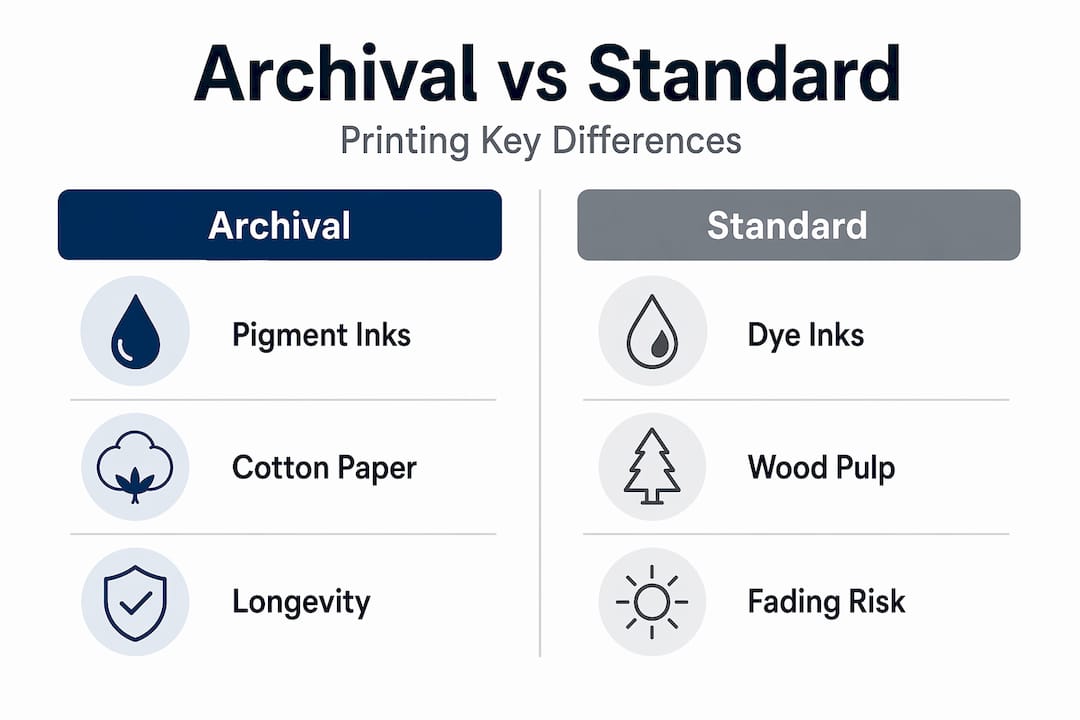
Not all prints labeled archival meet true archival standards. A print on acid-free paper printed with dye inks is not truly archival, even if marketed that way. Only the complete combination of correct paper, correct ink, and correct framing delivers the permanence the term implies.
Pro Tip: When evaluating a printer’s archival claims, ask specifically whether they use pigment-based inks and 100% cotton substrate. If they cannot answer both questions clearly, the print likely does not meet genuine archival standards.
How to choose, display, and care for archival prints
Knowing the archival printing advantages is useful. Acting on that knowledge when you buy and display prints is where it actually pays off.
- Ask the right questions before purchasing. Confirm paper type (100% cotton, acid-free, lignin-free), ink type (pigment-based), and whether the paper meets ISO 9706 or ISO 11108 standards. Request documentation, not just verbal confirmation.
- Frame with UV-protective glazing. Proper print framing with UV-filtering glass or acrylic prevents color fading and chemical damage. This is one of the highest-impact decisions you make after buying a print.
- Manage your light exposure carefully. Museums limit light exposure to approximately 50 to 100 lux and track cumulative lux-hours to manage print longevity. You do not need to run a museum, but avoiding direct sunlight and using incandescent or LED lighting over halogen makes a measurable difference.
- Use acid-free mats and backing. Acidic materials in contact with a print cause mat burn along the edges over time. Acid-free mat board and backing keep that chemistry away from your print surface.
- Store unframed prints flat in acid-free sleeves in a cool, low-humidity environment. Avoid attics, basements, or anywhere with temperature swings.
For practical guidance on display placement, the position of your art in the room matters as much as the frame around it. Interior walls away from windows and heat sources extend print life significantly.
Common mistakes to avoid: leaning prints against walls where they pick up surface moisture, storing rolled prints long-term (causes fiber stress), using regular household glass in frames, and placing prints above fireplaces or radiators where heat and pollutants concentrate.
My honest take on archival quality
I have watched collectors spend thousands on limited edition prints and then hang them in direct afternoon sunlight without UV glazing. The print started shifting in color within three years. The archival materials inside the print did their job. The framing and display conditions did not.
What I find consistently misunderstood is this: why use archival prints is not really a question about the print in isolation. It is a question about the complete commitment to preservation. The archival printing advantages you pay for at the production stage can be completely undermined by poor framing decisions or careless placement. I have seen it happen more than once.
The other issue I keep seeing is buyers accepting “archival” as a label without demanding proof. Collectors should demand documented specifications instead of marketing terms. Ask for the paper brand and weight. Ask for the ink manufacturer. A serious printer will have this information ready.
My honest recommendation is to treat the framing budget as part of the print budget. Not optional. Not separate. The print and its housing are one object, and the weakest part determines how long the whole thing lasts. That perspective reframes the importance of archival-quality printing from a production detail into a collector’s discipline.
— Luanda
Preserve what matters with Wallfully

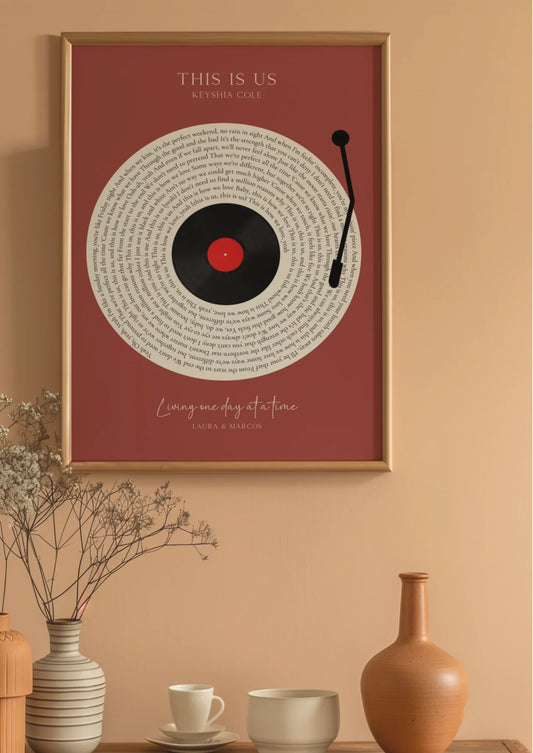
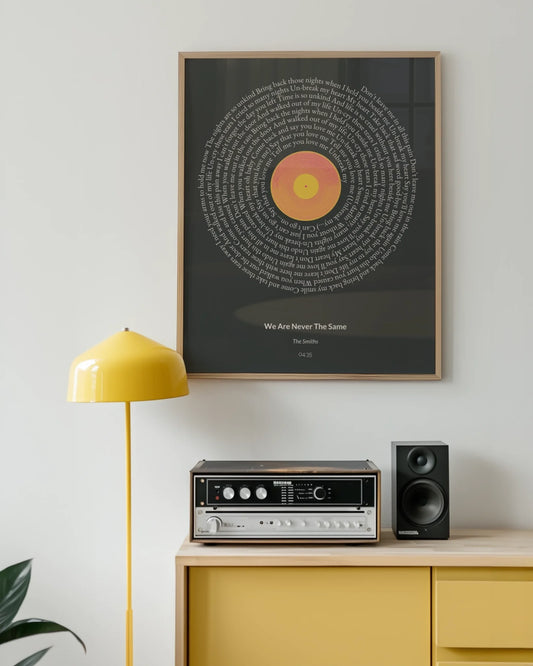
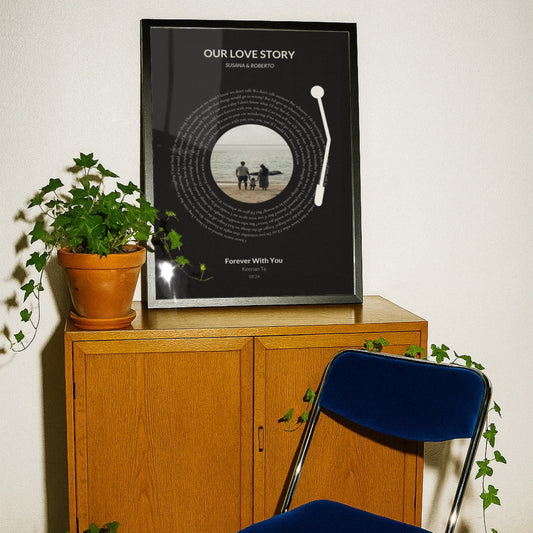
At Wallfully, every custom print is produced with high-quality pigment inks and premium substrates chosen to stand up over time. Whether you are creating a song lyric poster, a personalized map, or a milestone print for someone you love, the materials behind the image matter as much as the design itself. Archival-quality features are not an add-on at Wallfully. They are built into how the prints are made. Explore the personalized wall art collections and see how high-quality printing translates into wall art worth keeping for decades.
FAQ
What makes a print truly archival?
A truly archival print uses pigment-based inks on 100% cotton, acid-free, lignin-free paper that meets ISO 9706 or ISO 11108 standards, and is framed with UV-protective glazing and acid-free materials.
How long do archival-quality prints last?
Archival pigment prints have a rated display lifespan of 100 to 200-plus years under proper conditions, including controlled light exposure and UV-protective framing.
Are all archival-labeled prints actually archival?
No. Many prints marketed as archival use dye-based inks or wood-pulp papers that do not meet true archival standards. Always ask for specific ink type and paper certification before purchasing.
How does light affect archival prints?
Light damage is cumulative. Even archival prints degrade over time from exposure, which is why museums limit light to 50 to 100 lux and monitor total lux-hours to protect their collections.
Does framing really affect print longevity?
Yes, significantly. Prints framed without UV-filtering glass or with acidic mats can lose color accuracy and suffer chemical damage far sooner than the archival materials would otherwise allow.